

Introduction:In the fast-paced world of manufacturing and supply chain management, safety is paramount. As India’s industrial landscape evolves and matures over the past 75 years, it witnesses a diverse workforce comprising different generations, each bringing unique perspectives to the table. I try to explore the significance of safety programs in Indian manufacturing and supply chain sites and how bridging the generational gap is crucial for their successful implementation.
I am writing this blog post based on my experience of 11 years as a consultant visiting more than 75 Supply chain/ MFG facilities in India, when I see sites struggle and try one fit all approaches for every employee/ worker at the site. I must confess, the sites are not learning much on this effort much to my disappointment.
Understanding the Generational Differences:

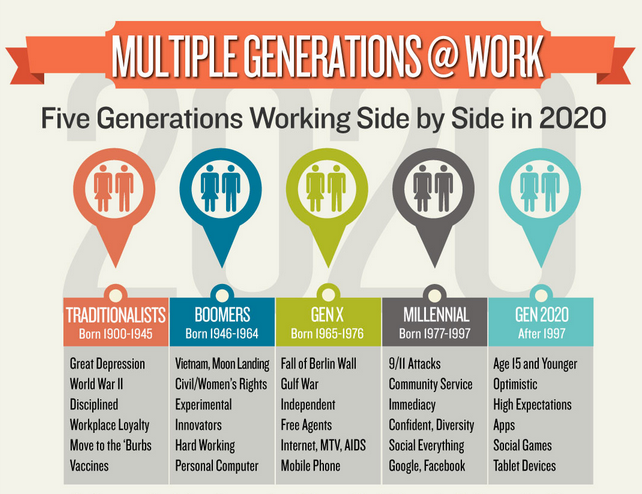
India’s workforce consists of Baby Boomers, Gen X, Millennials, and Gen Z, each with distinct traits and attitudes toward work. Understanding these generational differences is the first step toward fostering a harmonious and safe work environment.
When working at manufacturing sites, it’s essential to understand the genetic traits of different generations to foster better communication, collaboration, and overall work environment. While individual characteristics may vary, here are some general traits of each generation that can be considered:
Baby Boomers (born roughly between 1946 and 1964):
- Experience: Baby Boomers often have extensive experience and knowledge gained over their careers.
- Work Ethic: They are known for their strong work ethic and dedication to their jobs.
- Respect for Authority: Baby Boomers typically value authority and hierarchical structures.
- Communication: They may prefer face-to-face or phone communication over digital methods.
Generation X (born roughly between 1965 and 1980):
- Independent: Gen Xers are known for their independence and self-reliance.
- Adaptability: They are adaptable to change and may have experienced significant workplace shifts.
- Work-Life Balance: Generation X often values work-life balance and seeks flexibility in their roles.
- Technological Competence: While not digital natives, they have adapted well to technology.
Millennials (Generation Y) (born roughly between 1981 and 1996):
- Tech-Savvy: Millennials grew up in the digital age and are highly proficient in technology.
- Purpose-Driven: They seek meaningful work and value a sense of purpose in their roles.
- Collaboration: Millennials prefer collaborative and inclusive work environments.
- Work-Life Integration: They often blur the lines between work and personal life.
Generation Z (born roughly between 1997 and 2012):
- Digital Natives: Gen Z individuals have never known a world without the internet and smartphones.
- Entrepreneurial Spirit: They are known for their entrepreneurial mindset and innovative ideas.
- Diversity and Inclusivity: Generation Z values diversity and inclusivity in the workplace.
- Instant Gratification: They may seek quick feedback and recognition for their efforts.
Understanding the behavioural patterns of various generations can provide insights into how they approach work, communication, and interactions in general. While it’s important to remember that individual differences can outweigh generational ones, here are some general behavioral patterns commonly associated with each generation:
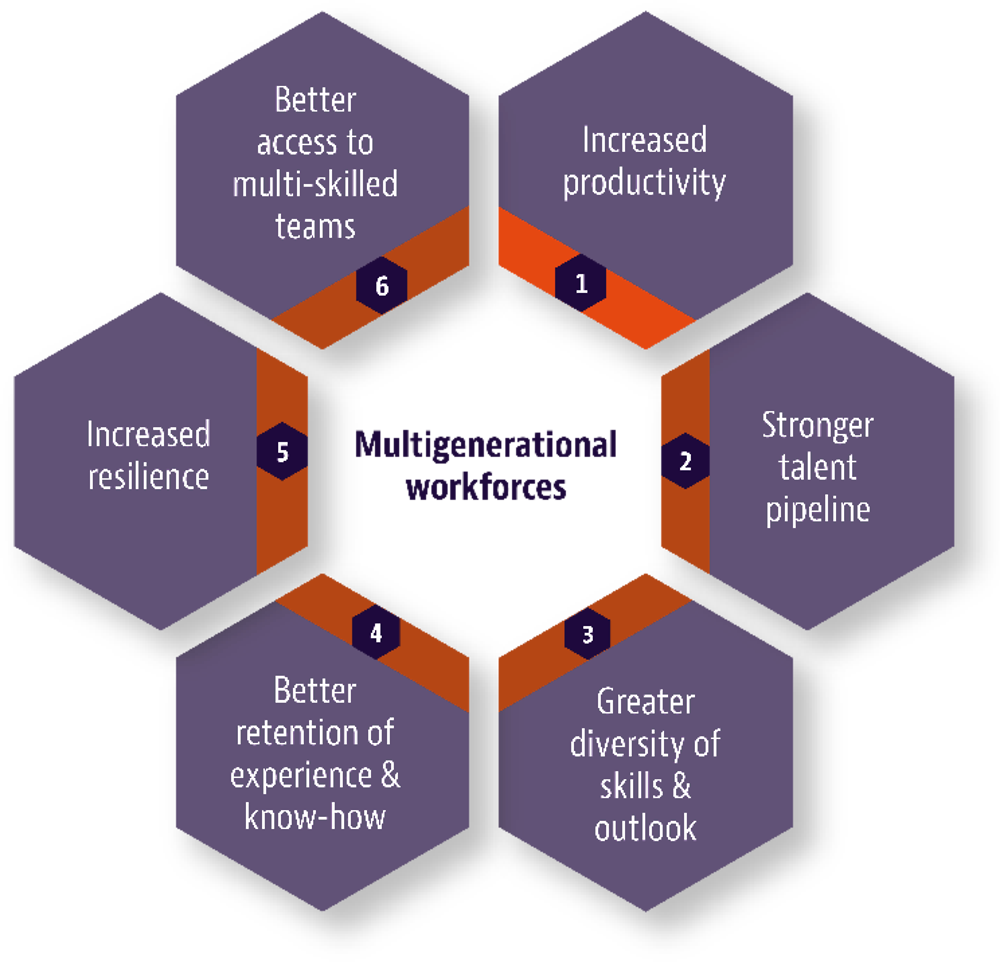
Baby Boomers (born roughly between 1946 and 1964): (They would exit the scenario soon)
- Loyalty: Baby Boomers tend to stay with one employer for longer periods and exhibit strong loyalty to their organizations.
- Respect for Hierarchy: They generally respect authority and prefer clear hierarchies in the workplace.
- Patience: Baby Boomers may display patience and perseverance in achieving long-term goals.
- Face-to-Face Communication: They often prefer in-person or phone communication over digital channels.
Generation X (born roughly between 1965 and 1980):
- Independence: Gen Xers value individual autonomy and are often self-reliant in their work.
- Adaptability: They are known for their ability to adapt to changes and navigate through uncertainty.
- Work-Life Balance: Generation X seeks a healthy balance between their professional and personal lives.
- Direct Communication: They prefer straightforward and transparent communication.
Millennials (Generation Y) (born roughly between 1981 and 1996):
- Tech-Savvy: Millennials are highly proficient with technology and rely on digital tools for various tasks.
- Collaboration: They excel in teamwork and seek opportunities to collaborate with colleagues.
- Desire for Purpose: Millennials look for meaningful work and want to make a positive impact.
- Feedback-Oriented: They appreciate regular feedback and continuous learning opportunities.
Generation Z (born roughly between 1997 and 2012):
- Digital Natives: Gen Z individuals have grown up in a digitally connected world and are quick to adopt new technologies.
- Entrepreneurial Spirit: They often display an entrepreneurial mindset and seek opportunities for creativity and innovation.
- Multitasking: Generation Z is skilled at multitasking and managing various activities simultaneously.
- Desire for Diversity: They value diversity and inclusivity, both in the workplace and society.
It’s essential to approach these behavioural patterns with flexibility and open-mindedness. While trends can be observed within each generation, individuals may deviate significantly from these general patterns. Avoiding stereotypes and embracing the unique qualities of each person fosters a more inclusive and understanding work environment.
As a site leader or a functional team member, recognizing these broad behavioral patterns can help in tailoring communication, management approaches, and team-building activities to suit the preferences and strengths of individuals from different generations. Building upon shared values and finding common ground can lead to a harmonious and productive work atmosphere that benefits everyone involved.
Addressing Generational Stereotypes:
While generational stereotypes exist, it is essential to recognize that not all individuals conform to them. Stereotyping can create barriers to effective communication and collaboration. Emphasizing the uniqueness of each worker helps in building mutual respect and trust.
Communication Strategies:
Effective communication lies at the heart of any successful safety program. Indian manufacturing workplaces often encompass a mix of traditional and modern communication preferences. While older generations may prefer in-person interactions, younger workers may be more inclined towards digital platforms. Striking a balance and adopting a multi-channel approach can ensure that safety messages reach everyone effectively.
Involving Older Generations:
Indian workplaces often benefit from the wisdom and experience of Baby Boomers and Gen X workers. Involving them in safety programs allows for the transfer of valuable knowledge to younger workers. Encouraging mentorship and recognition of their expertise fosters a culture of collaboration and solidarity.
Engaging Younger Generations:
Millennials and Gen Z workers are tech-savvy and open to innovation. Indian industries can leverage this by incorporating technology in safety training and protocols. Interactive mobile apps, virtual reality simulations, and online modules can make safety training more engaging and relatable for younger workers.

Demonstrating the Benefits of Safety Programs:
Indian manufacturing and supply chain sites can have numerous success stories resulting from effective safety programs. Reduced accidents, increased productivity, and improved worker satisfaction are just some of the benefits that can be achieved by tailoring such engagement that works for generations. Sharing such success stories within organizations, groups, communities, and associations of industries, can inspire workers from all generations to actively participate in safety initiatives.
Fostering a Safety Culture:
Building a safety-centric culture requires collective efforts from all generations. Safety should be integrated into the company’s values and operations, emphasizing that every worker plays a vital role in maintaining a safe work environment. Encouraging safety reporting and proactive hazard identification further strengthens the safety culture. It is essential that such exercise must be bottom driven too with inputs from employees/workmen who are at the centre of actions. They should be participating as active team members for Risk Assessment, Procedural development, Safety inspections and Assessments, and Safety talk/training as a collaborative approach. The younger generation with their tech-savvy aspects would gladly volunteer such efforts.
Tailoring Safety Training / Communications/ Consultation:
India’s diverse workforce necessitates customized safety training. Considering varying learning styles and preferences, offering a mix of training formats, including workshops and e-learning modules, ensures that all workers can benefit from the training. As ISO 45001 emphasizes on communication and consultations, engage with various generations for their input in the way they prefer. With digital foot print being so vast, organizations can embrace this key aspect of safety performance improvement effortlessly.
Encouraging Feedback and Suggestions:
Indian workers have valuable insights to contribute. Encouraging open feedback and suggestions regarding safety improvements empowers workers and demonstrates that their opinions are valued. Implementing feasible suggestions fosters a sense of ownership and commitment toward safety. Develop metrics and give feedback on how their feedback and suggestions have worked. A safety dashboard (Visual Management) can help on this key aspect.
Recognizing and Celebrating Safety Success:
Acknowledging safety milestones and achievements motivates workers to maintain high safety standards. Indian companies can celebrate safety successes through employee recognition programs, rewards, and appreciation events, encouraging continuous commitment to safety.
Conclusion: As India’s manufacturing and supply chain industries evolve, bridging the generational gap becomes integral to successful safety programs. Embracing the diversity of perspectives and experiences across generations leads to a safer and more productive work environment. By nurturing a safety-centric culture and adopting tailored strategies, Indian organizations can pave the way for a brighter, accident-free future in their workplaces. Together, let us prioritize safety and work towards making India’s industrial landscape safer for everyone.
PS: Images are acknowledged for due ownership taken from www.

 Health, Environment, Safety, Sustainability (HESS)