

Psychology is the scientific study of human behavior and mental processes. It seeks to understand and explain how individuals think, feel, and act, both individually and in social contexts. Psychology encompasses a wide range of subfields and areas of study, including cognitive psychology, developmental psychology, social psychology, clinical psychology, and industrial-organizational psychology, among others.

Psychological safety is the employee’s belief that he will not be punished or humiliated for speaking up with his thoughts, ideas, questions, concerns, or mistakes. At work, it’s a shared expectation held by members of a team that teammates will not embarrass, reject, or punish them for sharing ideas, taking risks, or asking for feedback.
Psychological safety at work also doesn’t mean that everybody is nice to each other. It means that people feel free to “brainstorm out loud,” freely express half-finished thoughts, (No idea is a stupid idea) openly challenge the status quo, share candid feedback, and work through disagreements together — knowing that leaders value honesty, candour, and truth-telling, and that team members will have each other’s backs.

In the context of psychology and workplace safety, SCARF is an acronym that represents a model developed by neuroscientist and leadership expert David Rock. The SCARF model describes five social domains that can significantly impact an individual’s behavior and responses in social situations, including those related to safety. The five domains are:
Status (S): Status refers to an individual’s perception of their relative importance and social standing within a group or organization. In the context of safety, a person’s status can influence their willingness to speak up about safety concerns, follow safety protocols, or take advice from others. For instance, employees with a lower perceived status might be hesitant to challenge the safety decisions of higher-ranking individuals, leading to potential safety risks.
Certainty (C): Certainty relates to an individual’s need for predictability and a sense of control over their environment. When employees feel uncertain about safety procedures, protocols, or the potential risks in their work environment, it can lead to anxiety and decreased safety compliance. Providing clear and consistent safety guidelines and communication can help improve the sense of certainty and foster a safer workplace.
Autonomy (A): Autonomy refers to the extent to which individuals have control over their own actions and decisions. In a safety context, employees who have a sense of autonomy and control over their work processes are more likely to take ownership of safety and make safer decisions. Empowering employees to have a say in safety measures can enhance their commitment to safety.
Relatedness (R): Relatedness reflects the sense of connection, belonging, and positive relationships with others. Employees who feel supported, respected, and valued by their colleagues and supervisors are more likely to cooperate on safety efforts and report safety concerns without fear of negative consequences. A positive safety culture that emphasizes teamwork and support can strengthen the sense of relatedness.
Fairness (F): Fairness pertains to perceptions of equity and justice in how resources, rewards, and punishments are distributed. In the context of safety, employees are more likely to engage in safety practices if they perceive that safety rules are applied fairly and consistently across the organization. Fair treatment fosters trust and encourages a commitment to safety
The SCARF model helps leaders and safety professionals understand the psychological needs and triggers that can influence individual and group behavior related to workplace safety. By addressing these domains, organizations can create a safer and more supportive work environment that encourages positive safety behaviors and reduces the risk of accidents and incidents.
Role of Psycological Safety at Workplace:
The psychology of safety plays a crucial role in safety performance and the overall safety situation at the workplace for several reasons:
Leadership and Supervision: Safety psychology highlights the critical role of leadership and supervision in promoting safety. Understanding how leaders influence employee behavior and attitudes toward safety enables organizations to develop strong safety leadership and ensure safety is a top priority.
Human Behavior and Decision-Making: Workplace safety is significantly influenced by human behavior and decision-making. Understanding the psychological factors that drive behavior can help identify potential risks, improve safety practices, and reduce the likelihood of accidents.
Human-Centric Approach: Manufacturing work environments involve various tasks and processes carried out by human workers. Safety psychology recognizes that human behavior, cognition, and emotions significantly influence safety outcomes. By understanding these factors, organizations can implement measures to improve safety behaviors and reduce the likelihood of accidents.
Accident Prevention: Safety psychology helps identify potential hazards and risks associated with human actions and decision-making. By addressing the psychological aspects of safety, organizations can implement targeted interventions to prevent accidents and incidents.
Risk Perception: Employees’ perceptions of risks and hazards can vary based on individual experiences, knowledge, and cognitive biases. The psychology of safety helps in understanding how different individuals perceive and assess risks, allowing organizations to tailor safety communication and training accordingly.
Safety Culture: Psychology plays a central role in shaping safety culture within an organization. A positive safety culture fosters a collective commitment to safety, encourages safe behaviors, and empowers employees to take an active role in identifying and mitigating safety risks. Safety psychology emphasizes the importance of fostering a safety-oriented mindset among employees and management. It encourages open communication, active participation, and a collective commitment to safety at all levels of the organization.
Motivation and Engagement: Motivated and engaged employees are more likely to follow safety protocols and actively contribute to a safe work environment. The psychology of safety helps in designing motivation strategies and incentives that promote safe behaviors.
Training: Understanding how people learn and retain information allows organizations to develop effective safety training programs. By incorporating principles of psychology, safety training can be engaging, memorable, and impactful,. Safety training programs based on safety psychology principles are more effective in driving behavior change. Understanding how people learn, retain information, and apply knowledge allows organizations to design engaging and impactful safety training sessions.
Compliance: Employees may not always follow safety rules and procedures due to various psychological factors, such as perceived inconvenience or pressure to meet production targets. Safety psychology can inform the design of safety protocols and incentives to encourage better compliance and adherence to safety guidelines.
Error Management: Human errors are inevitable, but understanding the psychological aspects behind errors can lead to better error management systems. Employees should feel comfortable reporting errors without fear of punishment, allowing organizations to learn from mistakes and improve safety measures. Human errors are also very common in manufacturing processes. Safety psychology focuses on error management strategies, such as designing processes to reduce the likelihood of errors, providing feedback to employees, and implementing systems to detect and correct errors before they escalate into accidents.
Communication and Feedback: Effective safety communication relies on understanding how people process information and respond to feedback. Clear, constructive, and non-punitive feedback can encourage continuous improvement in safety performance.
Stress and Fatigue Management: The psychology of safety helps in recognizing the impact of stress and fatigue on employee performance and safety. Strategies for managing these factors can reduce the risk of accidents caused by impaired judgment or reduced alertness.: In a manufacturing setting, employees may face physically and mentally demanding tasks, leading to stress and fatigue. It also helps in recognizing the impact of these factors on safety performance and guides the development of strategies to manage stress and fatigue to reduce the risk of accidents.
Peer Influence and Teamwork: People are influenced by their peers, and team dynamics can affect safety behaviors. Positive peer influence and teamwork can reinforce safe practices and create a supportive safety culture.
Employee Well-Being: A focus on the psychology of safety emphasizes the well-being of employees, both physically and psychologically. Employees who feel valued and supported are more likely to prioritize safety and take care of themselves and their colleagues.
Continuous Improvement: Safety psychology supports a culture of continuous improvement in safety performance. By analyzing safety-related incidents and near-miss events from a psychological perspective, organizations can identify root causes and implement corrective actions to prevent recurrence.
Measuring Safety Psycology at workplace:
Safety psychology can be measured, both directly and indirectly. Measuring safety psychology helps organizations assess the psychological factors that influence safety behaviors, attitudes, and perceptions in the workplace. By identifying strengths and areas for improvement, organizations can develop targeted interventions to enhance safety performance and cultivate a safer work environment. Some indicators and metrics used to measure safety psychology are:
Safety Climate Surveys: Safety climate surveys are direct measures that assess employees’ perceptions of safety-related aspects of the work environment, such as the organization’s commitment to safety, communication about safety, and the effectiveness of safety training programs.
Safety Culture Assessments: Safety culture assessments involve a more comprehensive evaluation of the organization’s safety culture, including shared values, beliefs, and behaviors related to safety.
Safety Perception Surveys: These surveys capture employees’ perceptions of safety risks, safety practices, and management’s commitment to safety.
Safety Leadership Assessments: Safety leadership assessments gauge the effectiveness of leaders in promoting safety, providing support, and fostering a positive safety culture.
Incident Reporting and Near-Miss Reporting: Tracking the number and types of incidents reported and near-miss events can indirectly measure safety psychology. A culture that encourages reporting without fear of punishment indicates a positive safety climate.
Safety Training Evaluations: Assessing the effectiveness of safety training programs through participant feedback and knowledge retention tests provides insights into the impact of training on safety attitudes and behaviors.
Employee Engagement Surveys: Employee engagement surveys can include questions related to safety engagement, which indirectly measures the level of employee involvement and commitment to safety.
Psychological Safety Index: (PSI) Developing a psychological safety index that considers factors like trust, communication, and openness in reporting safety concerns can provide an overall measure of safety psychology.
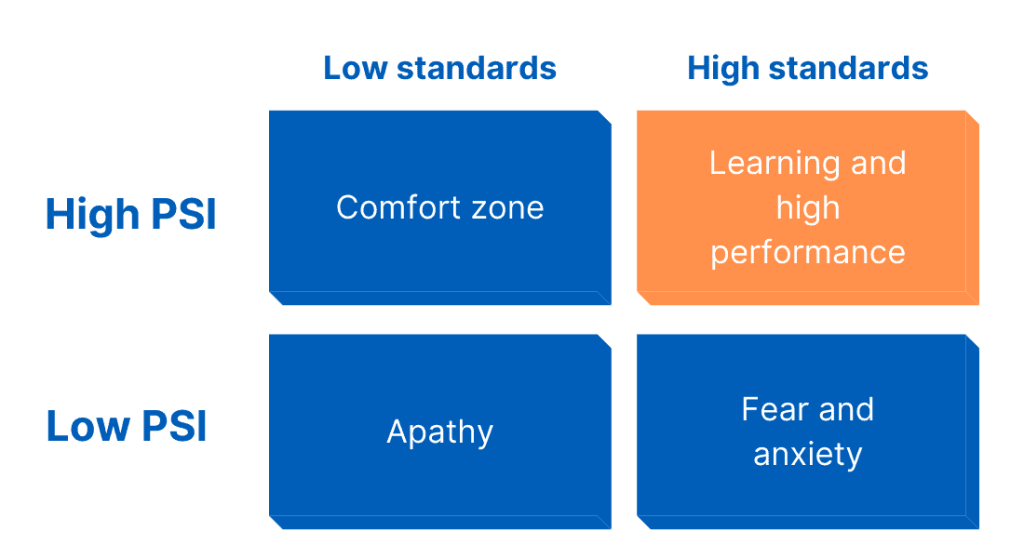
Behavioral Observations: Directly observing employee behavior in the workplace to evaluate compliance with safety protocols and adherence to safe work practices provides insights into safety psychology.
Safety Performance Indicators: Safety performance metrics, such as the number of accidents, injuries, and near-miss events, can indirectly reflect the effectiveness of safety psychology in the organization.
Employee Surveys: Employee surveys that include questions about safety attitudes, perceptions, and motivations can yield valuable data on safety psychology.
It is essential to use a combination of direct and indirect measures to obtain a comprehensive understanding of safety psychology in the workplace. Regular assessments and data analysis help organizations identify trends, areas for improvement, and opportunities to enhance safety culture and performance.
How Leaders and Management can play an active role:
Leaders and management play a critical role in fostering safety psychology and creating a positive safety culture in the workplace. Here are some ways leaders can contribute to promoting safety psychology:
Lead by Example: Leaders should demonstrate a strong commitment to safety by consistently following safety protocols and best practices. When employees see their leaders valuing and prioritizing safety, they are more likely to do the same.
Communication and Engagement: Open and effective communication about safety is essential. Leaders should regularly communicate safety messages, provide updates on safety performance, and encourage employees to share safety concerns and ideas. Actively seek out for Not so Good News.
Empowerment and Autonomy: Encourage employee involvement in safety initiatives and decision-making. Giving employees a sense of autonomy and ownership in safety processes fosters a feeling of responsibility and commitment to safety.
Provide Resources and Training: Ensure that employees have the necessary resources, tools, and training to perform their jobs safely. Invest in safety training and continuous education to enhance safety knowledge and skills.
Recognize and Reward Safety Efforts: Acknowledge and reward employees who demonstrate exceptional safety behavior and go above and beyond to ensure a safe work environment. Positive reinforcement reinforces the importance of safety.
Establish Safety Goals: Set clear safety goals and expectations for the organization and individual teams. Monitor progress toward these goals and celebrate achievements.
Create a Learning Culture: Encourage a learning culture where employees are encouraged to report near-miss incidents and mistakes without fear of retribution. Use these incidents as learning opportunities to improve safety.
Support Psychological Safety: Create an environment where employees feel psychologically safe to raise safety concerns, ask questions, and offer suggestions without fear of negative consequences.
Safety Training for Supervisors: Provide specific safety training for supervisors and managers to equip them with the skills to lead and support safety efforts effectively.
Continuous Improvement: Continuously review safety practices and seek feedback from employees to identify areas for improvement. Make necessary changes based on feedback and lessons learned.
Investigate Incidents Thoroughly: When incidents occur, conduct thorough investigations to understand root causes and prevent recurrence. Use incident investigations like 5 WHY, 5 M, as opportunities for learning and improvement.
Promote Peer Support: Encourage employees to support and hold each other accountable for safety. Positive peer influence can be a powerful driver of safe behaviors.
Monitor Safety Performance: Regularly monitor safety performance metrics and indicators. Use the data to identify trends, patterns, and areas that require attention.
Conclusion:
In summary, the psychology of safety recognizes that safety is not just about implementing rules and procedures but also about understanding human behavior, cognition, and emotions in the context of safety. By taking a human-centric approach, organizations can create a safer workplace that addresses the needs and motivations of their employees, resulting in improved safety performance and overall well-being.
Images from WWW open source for illustration. (Copyright acknowledged)

 Health, Environment, Safety, Sustainability (HESS)