

Whenever you sit or ready to board an aircraft, (especially in night time) many times one would see the Captain or first officer taking a torch and go around for quick 5 min walk to do a key check before push back. This is one example of Leadership walkthough covering aircraft essentials for them to satisfy that things are in order one final time, post all checks. This is just to make sure that systems are all good to go before the aircraft takes flight.
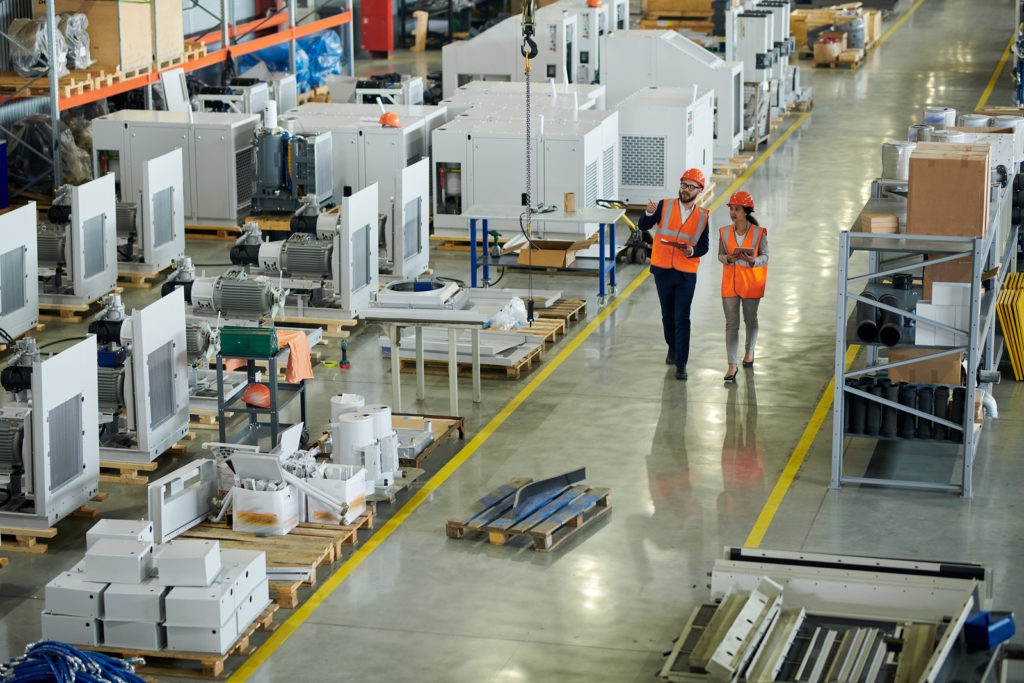
Leadership walkthroughs in an overarching manufacturing operations context encompass more than just safety considerations. Here’s an analysis of the strengths and weaknesses of leadership walkthroughs in such a context:
Strengths:
Operational Visibility: Leadership walkthroughs provide leaders with first-hand insights into daily manufacturing operations. This visibility enables them to understand processes, identify bottlenecks, and make informed decisions to enhance efficiency.
Process Improvement: By engaging directly with employees on the shop floor, leaders can gather valuable input and ideas for process improvement. This collaborative approach can lead to innovative solutions and streamlined workflows
Employee Engagement: Walkthroughs demonstrate leadership’s commitment to engaging with the workforce. This engagement fosters a sense of belonging and value among employees, which can positively impact morale and motivation.
Communication Enhancement: Walkthroughs facilitate direct communication between leadership and employees. This open dialogue can lead to improved communication channels throughout the organization, reducing misunderstandings and promoting transparency.
Cultural Alignment: Leadership walkthroughs play a role in aligning organizational culture with operational objectives. When leaders actively participate in operations, it reinforces the importance of organizational values and goals.
Quick Decision-Making: On-the-spot observations and interactions enable leaders to make timely decisions, address issues promptly, and adapt to changing circumstances.
Weaknesses:
Limited Time: Manufacturing leaders often have busy schedules, which can lead to rushed walkthroughs that might not adequately cover all aspects of operations.
Surface-Level Understanding: Leaders might not possess in-depth knowledge of all manufacturing processes, potentially leading to overlooking certain operational nuances or challenges.
Unrepresentative Snapshot: Leadership walkthroughs provide a snapshot of operations during specific times, which might not reflect the full complexity and variability of manufacturing processes.
Intimidation Factor: Employees might feel intimidated or reluctant to share candid feedback during walkthroughs, especially if they perceive potential consequences for voicing concerns.
Influence on Routine: The presence of leadership during walkthroughs could potentially disrupt the natural flow of operations or lead employees to alter their behavior, affecting the authenticity of observations.
Overemphasis on Immediate Concerns: Focusing solely on immediate operational concerns during walkthroughs might lead to neglecting long-term strategic considerations or systemic issues.
Resource Allocation: Walkthroughs demand time and resources, which might compete with other strategic initiatives or responsibilities that leaders have. Also, much of the decision-making arising out of the walkthrough may be beyond the scope, and authority of the local leadership team leading to delay nonaction and thus no closure of items.
Incorporating leadership walkthroughs into manufacturing operations offers substantial benefits in terms of visibility, engagement, communication, and decision-making. However, challenges such as time constraints, limited expertise, and potential intimidation should be carefully managed to maximize the effectiveness of walkthroughs. A balanced approach that combines regular engagement, active listening, and a commitment to continuous improvement can help mitigate these weaknesses and leverage the strengths of leadership walkthroughs in the broader context of manufacturing operations.
Safety Walk:- A Glimpse into Safety Leadership
In the dynamic landscape of Indian manufacturing, ensuring the safety and well-being of employees is of paramount importance. A crucial tool that has emerged as a game-changer in this regard is the concept of leadership walkthroughs. These walkthroughs go beyond traditional inspections, placing leadership at the forefront of EHS (Environment, Health, and Safety) initiatives.
Decoding Leadership Walkthroughs in Manufacturing
At its core, a leadership walkthrough involves senior management and supervisors actively engaging with the shop floor to observe operations, interact with workers, and identify potential hazards or compliance gaps. This personalized approach sets the stage for a culture of safety and accountability.
The Power of EHS-Focused Leadership Walkthroughs
Benefits
Early Hazard Identification: Leadership walkthroughs enable the timely identification of safety hazards, mitigating risks before they escalate into accidents or incidents.
Engagement and Empowerment: Direct interactions between leadership and workers foster a sense of ownership and empowerment, leading to increased safety consciousness.
Proactive Safety Culture: Regular walkthroughs create a proactive safety culture where every employee is invested in EHS, resulting in a reduction in workplace incidents.
Crafting a Successful EHS-Focused Leadership Walkthrough Strategy
Prioritizing Hazards: Given the diversity of manufacturing processes in India, focus on high-risk areas such as chemical handling, machine operation, and ergonomic considerations.
Cultural Sensitivity: Address language and cultural barriers by ensuring effective communication and understanding during walkthroughs.
Regulatory Compliance: Align walkthrough objectives with local EHS regulations to ensure legal adherence and avoid penalties.
Manufacturing Success Stories
Realizing EHS Excellence:
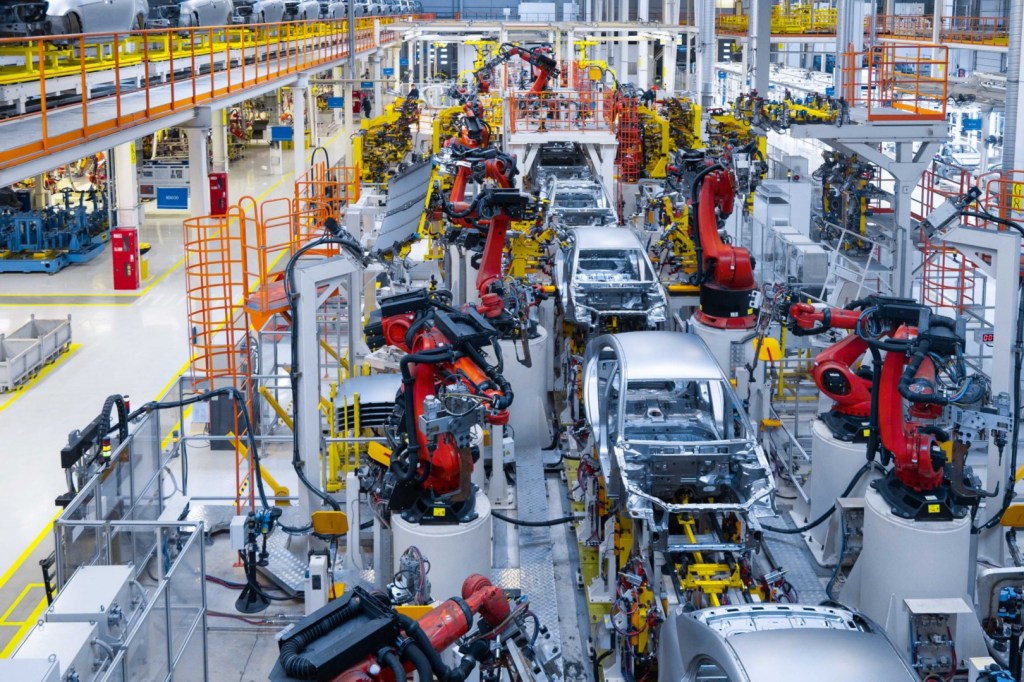
Automotive Industry: A leading Indian automotive manufacturer implemented regular leadership walkthroughs, resulting in a significant drop in workplace accidents and a notable improvement in safety compliance. The company used the concept of “GEMBA walk” (Go and see!).
Textile Sector: By incorporating EHS checkpoints into walkthroughs, a textile mill witnessed reduced instances of respiratory issues among workers and enhanced air quality measures.
Navigating Challenges and Implementing Best Practices
Overcoming Hurdles:
Resistance to Change: Address resistance by highlighting the benefits of walkthroughs and fostering open dialogue with employees.
Resource Constraints: Maximize the impact of walkthroughs by integrating them into existing processes, leveraging available resources efficiently.
Conclusion: Leading the Way to Safer Horizons
In India’s bustling manufacturing sector, safety isn’t just a responsibility—it’s a promise to our workforce. EHS-focused leadership walkthroughs empower organizations to fulfill this promise by creating safer, healthier, and more compliant workplaces. As leaders step onto the shop floor, they pave the path for a culture that embraces safety as a core value, shaping a brighter future for both employees and the industry at large.
Call to Action: Embarking on an EHS Journey
Ready to embark on the EHS journey? Begin by integrating leadership walkthroughs into your manufacturing processes. Empower your leaders, engage your workforce, and witness the transformation as safety takes center stage in your organization.
Remember, the success of EHS-focused leadership walkthroughs lies not just in their execution, but in their integration into the fabric of the organization’s values and practices. Management / Top leadership commitment to safety will not only protect your workforce but also drive your manufacturing enterprise toward sustainable growth and excellence.

 Health, Environment, Safety, Sustainability (HESS)