

I read yesterday with Dismay the Wall Street article on bp Toldeo explosion of September 2022 in which 2 employees were killed. Both were brothers. This is 3red serious incident in bp history and made me wonder about Situational leadership. The accident was a result of many leadership decisions at site level, business level and corporate level. (Details are in article which I wont go through example being outdated procedures, old equipment, poor maintenance norms, thought of selling off the refinery etc!).
Situational Leadership :-(EHS Standpoint)!
Situational Leadership, especially from a safety standpoint, is a flexible leadership approach that emphasizes adapting your leadership style to the specific situation or needs of your team members. It’s particularly relevant in the context of Environment, Health, and Safety (EHS) because different safety situations may require varying degrees of guidance and support.
Here’s a brief overview of how Situational Leadership applies to safety and how followers align with it:
- Assess the Situation: In safety, leaders must first assess the situation. Is it a routine task, or is it a high-risk activity that requires strict safety measures? Understanding the safety context is crucial.
- Matching Leadership Styles: Based on the situation, leaders can adopt different leadership styles. This can range from being highly directive in high-risk situations, where clear safety protocols must be followed, to being more delegative when dealing with routine tasks.
- Aligning with Followers: Followers in the EHS field align with situational leadership by understanding that their safety leader’s approach can change based on the specific task. They must be receptive to the guidance and direction provided in high-risk scenarios and should be empowered to take more initiative when the situation allows.
- Clear Communication: Effective communication is key. Leaders need to clearly communicate safety expectations, procedures, and protocols to their team members. Followers should actively listen and seek clarification if needed to ensure they understand their roles in maintaining safety.
- Monitoring and Feedback: Situational leadership involves continuous monitoring of safety performance. Leaders should provide feedback, both positive and corrective, to followers. It’s important for followers to be open to feedback and actively work on improving safety practices.
- Adaptability: Both leaders and followers should be adaptable. Leaders should be ready to adjust their leadership style as the situation evolves. Followers should adapt their behavior to ensure safety is maintained effectively.
The alignment of followers with situational leadership in safety is crucial for maintaining a safe work environment. It allows for a dynamic and responsive approach to safety, ensuring that the right level of guidance and support is provided as needed, while also empowering team members to take responsibility for safety when appropriate.
Remember, the specifics of situational leadership in safety can vary depending on the industry and the unique risks associated with the tasks at hand. It’s essential for leaders to be well-versed in safety protocols and for followers to be proactive in adhering to those protocols.
Types of Situational Leaders and Followers:-
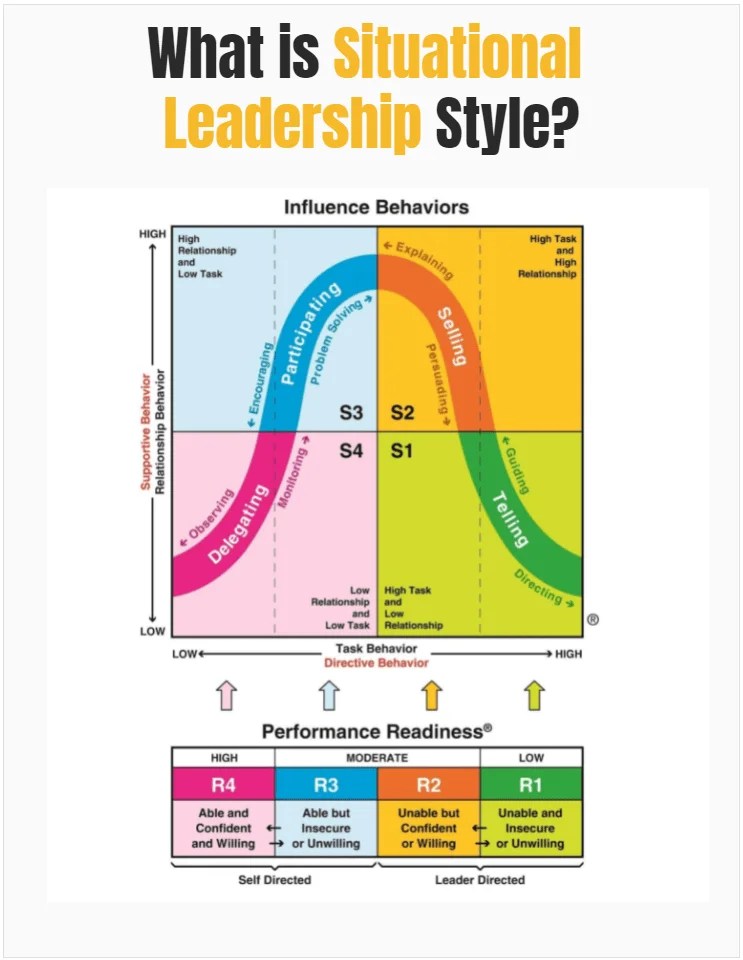
Situational leadership theory, developed by Paul Hersey and Ken Blanchard, identifies four primary types of situational leaders based on their leadership styles and the needs of their followers in a given situation. These types are often referred to as leadership styles or approaches. They are:
- Telling (S1 – Directing): In this style, leaders provide clear instructions, closely supervise, and make decisions for their followers. This approach is appropriate when followers are inexperienced or new to a task, and they need a high level of direction and guidance for safety and performance reasons.
- Selling (S2 – Coaching): Leaders using the Selling style still provide direction but also emphasize two-way communication. They explain decisions, solicit input, and offer support. This style is suitable when followers have some experience but may still require guidance and clarification.
- Participating (S3 – Supporting): In this style, leaders shift toward a more supportive role, focusing on listening to their followers and facilitating their decision-making. The Participating style is effective when followers are experienced and competent but may need encouragement and support.
- Delegating (S4 – Empowering): Leaders who use the Delegating style take a hands-off approach, allowing followers to take full responsibility for their tasks and decisions. This is appropriate when followers are highly skilled, experienced, and capable of self-management.
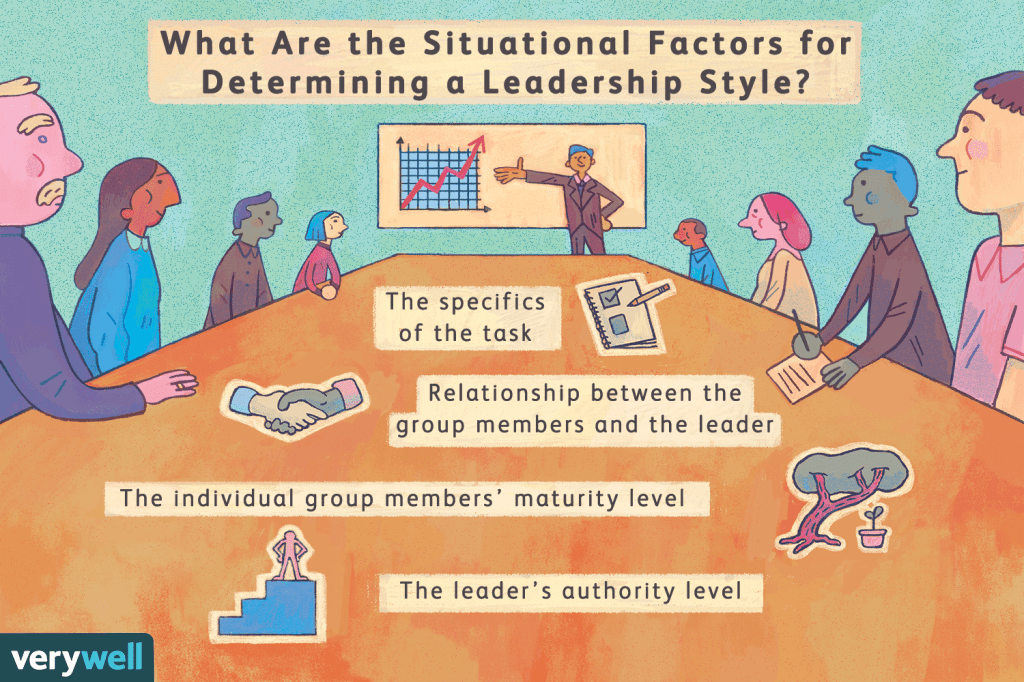
Leaders should choose their style based on the readiness and competence of their followers and the specific situation. In safety leadership, the choice of style may depend on the complexity of safety protocols, the experience of the team, and the potential risks involved. It’s essential for leaders to be flexible and adapt their style as the situation evolves to ensure both safety and effectiveness in the workplace.
Remember, effective situational leadership involves regularly assessing and reassessing the situation and the readiness of followers to determine which style will be most effective at a given moment.
Followers can be classified based on their readiness and willingness to take on tasks and responsibilities. Paul Hersey and Ken Blanchard’s Situational Leadership model, which we discussed earlier, categorizes followers into four basic readiness levels. These readiness levels help leaders determine the appropriate leadership style to use. Here are the classifications of followers based on readiness:
- R1: Unable and Unwilling: These followers lack the knowledge, skills, and motivation for the task at hand. They are typically resistant or unenthusiastic about taking on new responsibilities. In this stage, leaders need to use a Telling (Directing) style to provide clear direction and close supervision to help followers get started.
- R2: Unable but Willing: Followers in this category have the motivation to tackle the task but lack the necessary knowledge and skills. They are open to guidance and support. Leaders should employ a Selling (Coaching) style, offering instruction, encouragement, and clarifications to build their competence.
- R3: Able but Unwilling: These followers have the skills and knowledge required for the task but may lack motivation or confidence. In this case, leaders should use a Participating (Supporting) style, engaging in two-way communication and providing support to boost their confidence and commitment.
- R4: Able and Willing: Followers in this category are both competent and motivated to complete the task independently. They are ready for self-directed work, and leaders should adopt a Delegating (Empowering) style, giving them the autonomy and freedom to make decisions.
Understanding where each follower falls in terms of readiness is essential for effective leadership, particularly in the context of safety. It allows leaders to tailor their approach to meet the specific needs of each individual or team, ensuring that safety is maintained while maximizing efficiency and productivity.
Remember that readiness levels are not static and can change as followers gain experience and grow in their roles. Leaders must continually assess their followers’ readiness and adapt their leadership styles accordingly.
Situational leadership can significantly contribute to the effectiveness of Health, Safety, and Environment (HSE) performance in a facility. Here’s how it achieves this:
- Adaptable Safety Leadership: Situational leadership recognizes that different situations within a facility may require different approaches to safety leadership. Leaders can tailor their leadership styles to the specific safety needs of each situation, ensuring that the right level of guidance and support is provided.
- Enhanced Safety Communication: Effective safety leadership involves clear and open communication. Situational leadership encourages leaders to actively communicate safety expectations and procedures to their team members. This transparency is crucial for maintaining a culture of safety within the facility.
- Improved Employee Engagement: By matching leadership styles to the readiness levels of employees, situational leadership helps in engaging and motivating employees to take ownership of safety. Employees feel more valued when their leaders adapt their approach to suit their needs, which can boost their commitment to safety.
- Tailored Training and Support: Leaders using situational leadership can identify which employees may need additional training or support in specific safety areas. This personalized approach can help fill gaps in knowledge and skills, reducing safety incidents.
- Risk Mitigation: The ability to switch between leadership styles ensures that the facility can adapt to changing safety risks. For high-risk tasks, leaders can adopt a more directive style to ensure safety protocols are strictly followed, while for routine tasks, a more delegative style can be used to empower employees.
- Continuous Improvement: Situational leadership promotes continuous assessment and adjustment. Leaders regularly evaluate their employees’ readiness levels and the effectiveness of their chosen leadership style. This allows for ongoing improvement in safety practices.
- Encouraging Proactive Safety: A situational approach to leadership empowers employees to take proactive steps to ensure safety. As employees become more capable and confident in their roles, leaders can delegate more responsibility for safety decisions to them, fostering a sense of ownership and vigilance.
- Flexibility in Safety Responses: In cases of safety incidents or emergencies, situational leadership enables leaders to adapt quickly and provide the necessary guidance and support. This flexibility can help minimize the impact of accidents and ensure an effective response.
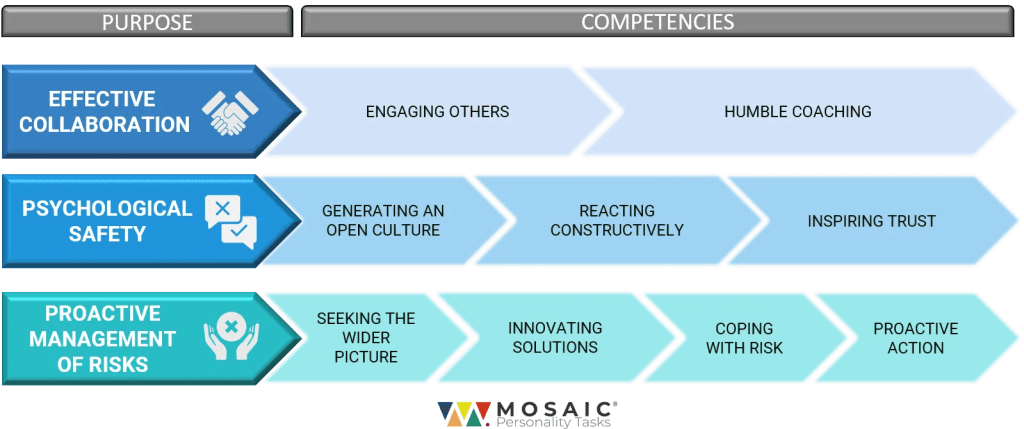
In summary, situational leadership enhances HSE performance by aligning leadership styles with the readiness and needs of employees, fostering a culture of safety, and allowing for dynamic adaptability to changing safety requirements. This approach can lead to fewer incidents, improved safety awareness, and a more efficient facility-wide commitment to HSE principles.

 Health, Environment, Safety, Sustainability (HESS)