

This week, I was listening to a 3 hr Podcast on mental health issues and pondered about it.
Mental health has indeed gained significant prominence in recent years, and there are several reasons for this. 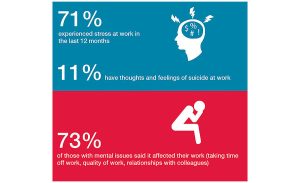
- Awareness and Stigma Reduction: One of the primary reasons for the increased focus on mental health is the efforts to reduce the stigma surrounding mental health issues. People are more open to discussing their mental health concerns, which has led to more public conversations and awareness.
- Global Events: Major global events, such as the COVID-19 pandemic, have had a profound impact on mental health. The stress and isolation brought about by these events have drawn attention to the importance of mental well-being.
- Research and Understanding: Advances in the field of psychology and neuroscience have improved our understanding of mental health. Research has highlighted the prevalence of mental health disorders and their impact on individuals and society.
- Economic Impact: Employers have become increasingly aware of the economic impact of mental health issues. High levels of stress, anxiety, and depression can lead to decreased productivity and increased healthcare costs. This has prompted companies to prioritize mental health initiatives.
- Advocacy and Celebrities: Prominent individuals and celebrities have been vocal about their struggles with mental health. Their openness has helped reduce the stigma and encouraged more people to seek help.
Now, regarding the aspects to look for in mental health:
- Emotional Well-being: Pay attention to your emotions and mood. Persistent feelings of sadness, anxiety, or irritability can be signs of a mental health issue.
- Physical Symptoms: Sometimes, mental health issues manifest as physical symptoms like headaches, sleep disturbances, or unexplained aches and pains.
- Social Withdrawal: If you or someone you know is withdrawing from social activities, losing interest in hobbies, or experiencing a change in social behavior, it can be a red flag.
- Substance Use: An increase in alcohol or drug use as a coping mechanism may indicate underlying mental health issues.
- Changes in Eating Habits: Significant changes in appetite or weight can be related to mental health problems.
- Difficulty Concentrating: Struggling to concentrate or make decisions can be a sign of issues like depression or anxiety.
- Relationship Problems: Frequent conflicts or changes in relationships could be related to mental health.
List of mental health risks and situations that can cause them, both in personal and workplace contexts:
 Personal Mental Health Risks:
- Genetics: Family history of mental health conditions can increase the risk.
- Trauma: Experiencing traumatic events, such as abuse, accidents, or violence, can lead to mental health issues.
- Chronic Illness: Managing a chronic illness can be emotionally challenging.
- Substance Abuse: Misuse of drugs or alcohol can worsen or lead to mental health problems.
- Isolation: Social isolation and lack of social support can contribute to depression and anxiety.
- Financial Stress: Persistent financial problems can cause significant stress.
- Grief and Loss: The death of a loved one or other major losses can trigger grief-related mental health issues.
- Personal Relationships: Difficulties in personal relationships, such as divorce or conflict, can impact mental health.
- Personality Traits: Certain personality traits or disorders, like perfectionism or obsessive-compulsive disorder, may increase vulnerability.
- Childhood Experiences: Adverse childhood experiences (ACEs) can have long-lasting effects on mental health.
Workplace Mental Health Risks:
- High Job Demands: Excessive workload and tight deadlines can lead to stress and burnout.
- Job Insecurity: Fear of job loss or instability can cause anxiety and depression.
- Bullying and Harassment: Workplace bullying or harassment can have severe psychological effects.
- Lack of Control: Limited autonomy or decision-making authority can lead to stress.
- Poor Leadership: Ineffective or unsupportive management can negatively impact employee well-being.
- Long Hours: Working extended hours and overtime can disrupt work-life balance.
- Unclear Expectations: Ambiguity in job roles and expectations can create stress.
- Shift Work: Irregular or night shift work can disrupt sleep patterns and mental health.
- Work-Life Imbalance: Difficulty in balancing work and personal life can lead to stress and burnout.
- Lack of Social Support: Limited support from colleagues and supervisors can contribute to isolation.
- Exposure to Trauma: Certain professions, like first responders or healthcare workers, may face traumatic situations regularly.
- Organizational Changes: Frequent reorganizations or layoffs can lead to job insecurity and stress.
It’s important to recognize these risk factors and take steps to address and mitigate them, both in personal and workplace settings. Early intervention, support, and open communication can help individuals and organizations promote better mental health and well-being.
Identifying mental health issues in individuals can be challenging, as symptoms vary depending on the specific condition. However, there are some common signs and symptoms that you can look for:
Changes in Behavior:
- Mood Swings: Rapid and extreme shifts in mood, such as going from euphoria to deep sadness.
- Irritability: Unexplained or excessive irritability and anger.
- Withdrawal: Social withdrawal, avoiding friends, family, and activities they once enjoyed.
- Changes in Sleep: Insomnia or oversleeping, as well as disturbances in sleep patterns.
- Appetite Changes: Significant changes in appetite, leading to weight gain or loss.
Emotional Signs:
- Persistent Sadness: Prolonged feelings of sadness, hopelessness, or emptiness.
- Anxiety: Excessive worry, nervousness, or fear that interferes with daily life.
- Panic Attacks: Sudden and intense episodes of fear or panic, often with physical symptoms.
- Lack of Concentration: Difficulty focusing, making decisions, or remembering things.
Physical Symptoms:
- Unexplained Aches and Pains: Physical complaints with no clear medical cause.
- Fatigue: Persistent tiredness, even after adequate rest.
- Changes in Energy Levels: Extreme fluctuations in energy, leading to feelings of lethargy or restlessness.
Behavioral Changes:
- Substance Abuse: Increased use of alcohol, drugs, or other substances as a way to cope.
- Self-Harm: Engaging in self-destructive behaviors, such as cutting or burning.
- Reckless Behavior: Engaging in risky activities without concern for consequences.
Social and Interpersonal Signs:
- Isolation: Avoiding social interactions and withdrawing from friends and family.
- Relationship Problems: Frequent conflicts or difficulties in personal relationships.
- Decline in Work or School Performance: Decreased productivity, absenteeism, or drop in grades.
Psychological Symptoms:
- Hallucinations: Hearing or seeing things that others don’t.
- Delusions: Holding false, irrational beliefs that are resistant to reason.
- Suicidal Thoughts: Expressing thoughts of self-harm or suicide.
It’s essential to note that everyone’s experience with mental health issues is unique. Not everyone will exhibit all of these symptoms, and some individuals may hide their struggles. If you notice significant and persistent changes in someone’s behavior, mood, or functioning, it’s crucial to approach them with care and offer support. Encouraging them to seek professional help from a mental health provider is often the best course of action.
ISO 45003 is indeed a standard that provides guidance on managing psychological health and safety in the workplace. As an experienced EHS professional, you can play an active role in implementing this standard and promoting mental health in the workplace. Here’s how you can go about it:
- Understand ISO 45003: Start by thoroughly understanding the ISO 45003 standard. Familiarize yourself with its requirements and recommendations for managing psychological health and safety at work.
- Risk Assessment: Use your EHS expertise to conduct a comprehensive risk assessment of your workplace. Identify potential sources of stress, anxiety, and other mental health-related risks. This could involve factors like job demands, organizational culture, work-life balance, and social support.
- Mental Health Policies: Work with your organization to develop and implement policies and procedures that address mental health issues. These policies should aim to create a psychologically safe and healthy work environment.
- Training and Awareness: Organize training sessions and awareness programs for employees and management. Ensure that they understand the importance of mental health, recognize the signs of mental health issues, and know how to seek help.
- Employee Assistance Programs: Advocate for the establishment of Employee Assistance Programs (EAPs) or similar support systems. These programs can provide confidential counseling and support for employees facing mental health challenges.
- Communication: Promote open and honest communication within the organization. Encourage employees to discuss their mental health concerns without fear of stigma or discrimination.
- Monitoring and Evaluation: Implement systems to monitor and evaluate the effectiveness of your mental health initiatives. This could involve surveys, feedback mechanisms, and regular assessments.
- Supportive Leadership: Collaborate with management to ensure that leaders are supportive and understanding of employees’ mental health needs. Leadership plays a crucial role in setting the tone for the workplace culture.
- External Resources: Consider partnering with external mental health organizations or experts to enhance your organization’s mental health initiatives. They can provide valuable insights and guidance.
- Continuous Improvement: Mental health is an evolving field. Stay updated on the latest research and best practices. Adapt your strategies to meet the changing needs of your workforce.
- Promote a Work-Life Balance: Encourage and support a healthy work-life balance. This can help reduce stress and prevent burnout.
- Engage Employees: Involve employees in the process. Seek their input and feedback on mental health initiatives, and empower them to take an active role in supporting their own well-being.
By applying your EHS knowledge and experience, one can help create a workplace that prioritizes mental health and well-being. ISO 45003 provides a valuable framework to guide your efforts, but remember that promoting mental health is an ongoing process that requires dedication and a commitment to fostering a supportive and caring workplace culture.
If you or someone you know is experiencing these signs consistently, it’s essential to seek help from a mental health professional. The increasing awareness of mental health is a positive development, as it encourages early intervention and support for those who need it.

 Health, Environment, Safety, Sustainability (HESS)