

One of key challenges in these modern tough times is to keep up Ethics at work. The pressure to steer away from the moral compass can be very easy. Safety profession (EHS Professionals) are no exception. How can the safety professionals keep up these non negotiable aspect of profession and personal trait.
Here are some key points regarding the ethical and moral obligations, challenges, and testing situations for safety professionals:
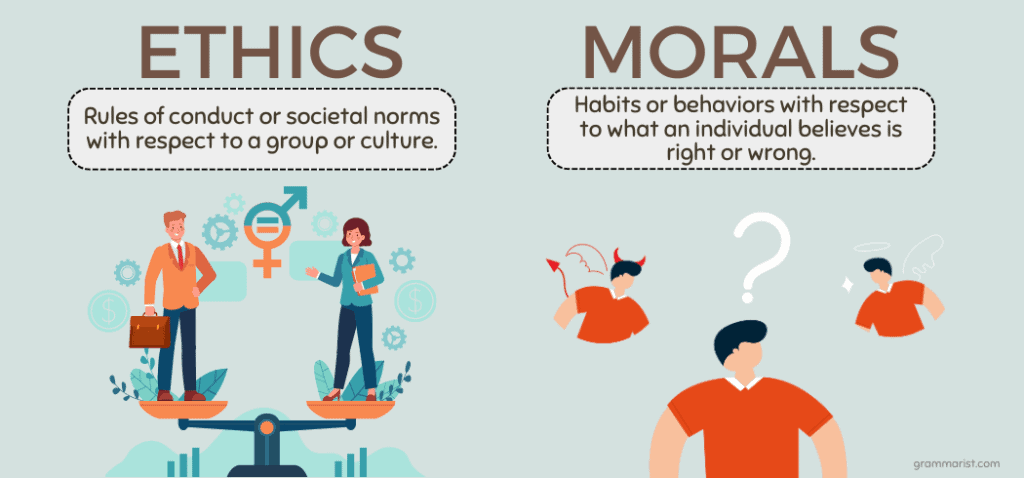
Ethical and Moral Obligations:
- Protecting Human Lives: The foremost obligation is to protect the lives and well-being of employees and the public. This involves implementing safety protocols and standards to prevent accidents and health hazards.
- Compliance with Regulations: Ensuring strict adherence to safety regulations and standards, even when they might be seen as burdensome or costly. This includes keeping updated with changing regulations.
- Transparency and Honesty: Providing accurate information about safety issues, including reporting incidents truthfully and transparently. Misrepresenting data or hiding safety concerns is unethical.
- Continuous Improvement: Striving for ongoing improvement in safety practices and identifying potential risks, even if it means admitting that current practices have shortcomings.
- Fair Treatment: Ensuring that safety measures are applied consistently to all employees, regardless of their position or role within the organization.
Challenges:
- Balancing Cost and Safety: One common challenge is striking the right balance between implementing safety measures and the associated costs. This can lead to ethical dilemmas when budgets are limited.
- Pressure to Cut Corners: In some industries, there might be pressure to cut corners for the sake of productivity, which can put safety professionals in a difficult position.
- Reporting Misconduct: Reporting safety violations or non-compliance by colleagues or superiors can be challenging, as it may result in conflicts or retaliation.
- Conflicting Interests: Safety professionals may face situations where the company’s interests (e.g., meeting deadlines or profit margins) conflict with their obligation to ensure safety.
Testing Situations:
- Incident Response: When a safety incident occurs, your ethical standing will be tested in how you respond. This includes reporting accurately, conducting thorough investigations, and taking corrective actions.
- Whistleblowing: If you discover wrongdoing or safety violations within your organization, deciding whether to blow the whistle can be a significant ethical test. It involves balancing loyalty to your employer with the need to protect people’s safety.
- Prioritizing Safety over Profit: When safety measures are costly, you may face a moral dilemma regarding whether to insist on these measures or concede to cost-cutting efforts.
- Handling Pressure: Dealing with pressure from superiors or colleagues to compromise safety for the sake of business objectives is a recurring challenge that tests your ethical resolve.
- Maintaining Professional Integrity: Ensuring that your safety recommendations are based on sound science and best practices, rather than being influenced by personal biases or external pressures.
It’s important for safety professionals to continue making well-informed, ethical decisions to ensure the safety and well-being of those under their care.
Upholding ethics, moral values, and integrity as an EHS professional is crucial for maintaining trust and safety within any organization. Here are some ways to develop and maintain this mentality:
- Education and Training:
- Stay updated with the latest developments in EHS regulations and ethical standards. Regular training and certifications can help reinforce your commitment to ethical conduct.
- Clear Code of Ethics:
- Develop or adhere to a clear and comprehensive code of ethics that outlines the expected behavior for EHS professionals in your organization. This provides a framework for making ethical decisions.
- Lead by Example:
- Demonstrate ethical behavior and integrity in your own actions. Your colleagues are more likely to follow suit when they see you consistently upholding these values.
- Moral Compass:
- Develop a strong personal moral compass. Reflect on your values and principles, and let them guide your decision-making. This will help you stay true to your ethical commitments.
- Ethical Decision-Making Framework:
- Create a structured decision-making process that includes ethical considerations. Ask questions like, “Is this action safe and ethical?” before making decisions.
- Peer Support:
- Seek support from colleagues who share your commitment to ethics and integrity. They can provide guidance and serve as a sounding board for ethical dilemmas.
- Ethical Role Models:
- Identify individuals or organizations that exemplify strong ethics and integrity in the field of EHS. Learn from their practices and apply them to your own work.
- Reporting Mechanisms:
- Establish clear mechanisms for reporting ethical concerns and safety violations. Encourage open communication and provide protection for whistleblowers.
- Transparency:
- Be transparent in your actions and decision-making processes. Share information about safety issues and ethical concerns with relevant stakeholders.
- Continuous Improvement:
- Continually assess and improve your EHS programs and ethical standards. Acknowledge areas that need improvement and take corrective actions.
- Accountability:
- Hold yourself and your team accountable for ethical lapses or safety incidents. This helps create a culture of responsibility and integrity.
- External Accountability:
- Recognize the importance of external audits and regulatory bodies. Understand that external accountability can complement your internal efforts to uphold ethics and safety.
- Self-Reflection:
- Regularly reflect on your own actions and decisions. Consider whether you could have made better ethical choices and use these reflections to improve.
- Ethical Resources:
- Utilize resources like industry codes of ethics, professional associations, and guidelines to reinforce your ethical practices.
Remember, developing and maintaining a strong ethical and integrity mindset is an ongoing process. By consistently practicing these principles and incorporating them into your daily work, one can become a role model for ethical behavior in the field of EHS.
Here’s a list of moral and ethical values that EHS professionals should prioritize and uphold in their work:
- Integrity: Always act honestly and ethically, maintaining strong moral principles.
- Safety: Prioritize the safety and well-being of all individuals in your organization.
- Accountability: Take responsibility for your actions and decisions, especially in safety-related matters.
- Transparency: Be open and honest in your communication about safety concerns and ethical issues.
- Courage: Have the courage to stand up for what is right, even when it’s difficult.
- Honesty: Always tell the truth, especially when reporting safety incidents or compliance issues.
- Fairness: Treat all individuals with fairness and without discrimination.
- Respect: Show respect for the dignity and rights of all individuals in your workplace.
- Environmental Stewardship: Protect and preserve the environment in your safety practices.
- Compliance: Adhere to all relevant laws, regulations, and safety standards.
- Confidentiality: Safeguard sensitive information and maintain confidentiality when necessary.
- Professionalism: Uphold high professional standards in all your interactions.
- Continuous Improvement: Strive for ongoing improvement in safety practices and ethical behavior.
- Teamwork: Work collaboratively with colleagues to ensure safety and ethical standards are met.
- Innovation: Seek innovative solutions to safety challenges while maintaining ethical values.
- Empathy: Understand and consider the perspectives and needs of others, especially in safety planning.
- Responsibility: Take responsibility for the consequences of your actions and decisions.
- Environmental Responsibility: Promote sustainable and environmentally responsible practices.
- Quality: Ensure that safety measures are of high quality and meet the necessary standards.
- Community Engagement: Engage with the local community on safety and environmental matters.
- Whistleblower Protection: Support and protect those who report safety and ethical concerns.
This list provides a foundation for EHS professionals to understand and prioritize the social, moral, ethical values that should guide their work. It’s important to consistently uphold these values to ensure the safety and well-being of all stakeholders.
Karthik 29th Oct 2023 Bangalore.

 Health, Environment, Safety, Sustainability (HESS)