

Burnout is a state of physical and emotional exhaustion often caused by prolonged periods of stress and overwork. It can have a significant impact on individuals, especially in high-pressure professions like Environment, Health, and Safety consulting/support/freelancers, besides professionals at corporate.
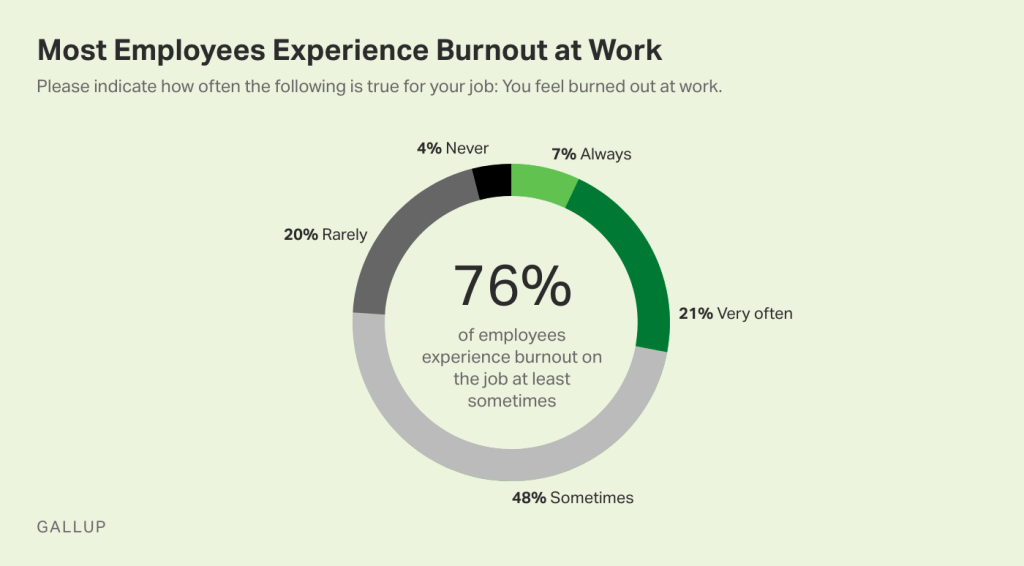
What is Burnout?
Burnout is characterized by a feeling of overwhelming exhaustion, cynicism or detachment from work, and a reduced sense of personal accomplishment. It can result from a combination of factors, including heavy workloads, long hours, lack of control, and a feeling of not being appreciated for your efforts.
Is Burnout a Medical Condition?
Burnout is not classified as a specific medical condition like a disease or disorder. Instead, it’s generally considered a state of physical, emotional, and mental exhaustion brought on by chronic stress, often seen as a response to prolonged exposure to high levels of stress, particularly in the workplace.
While it’s not a medical condition in the traditional sense, the symptoms and effects of burnout can have significant physical and mental health consequences, including increased susceptibility to illnesses, anxiety, depression, and other health issues. Burnout can also impact a person’s overall quality of life and well-being.
Burnout Statistics in India
Here are some specific workplace burnout statistics in India:
- A 2022 survey by LinkedIn found that 38% of Indian employees reported burnout signs frequently.
- A 2021 study by the Indian Institute of Technology, Madras found that 65% of Indian IT professionals experienced burnout.
- A 2020 survey by Indeed found that 52% of Indian employees said their workload was “unmanageable.”
These statistics suggest that workplace burnout is a common problem in India. It’s important to be aware of the signs and symptoms of burnout and to seek help if you’re experiencing them.
How it Affects Individuals
Burnout can have profound effects on individuals. It can lead to physical symptoms like fatigue, headaches, and increased susceptibility to illnesses. On the emotional side, it can cause irritability, anxiety, and depression. It can also strain personal relationships and impact one’s overall quality of life.
What are the Symptoms?
Common symptoms of burnout include:
- Feeling constantly exhausted, both physically and mentally.
- A sense of detachment from work and a growing cynicism about the job.
- Decreased productivity and a sense of reduced accomplishment.
- Difficulty concentrating and making decisions.
- Increased use of substances like caffeine or alcohol.
- Physical symptoms like headaches, stomach problems, and sleep disturbances.

How to Tackle it at the Workplace
Addressing burnout in the workplace is essential for both employees and employers. Here are some strategies:
Open Communication: Encourage employees to speak up about their workload and stress levels. Create an environment where they feel safe discussing their concerns.
Work-Life Balance: Promote a healthy work-life balance by setting clear boundaries for work hours and ensuring employees take regular breaks.
Training and Support: Provide training on stress management and resilience. Offer support through Employee Assistance Programs (EAPs) or counseling services.
Realistic Workloads: Ensure that workloads are manageable and reasonable. Avoid constant overtime or unrealistic expectations.
Recognition and Appreciation: Recognize and reward employees for their efforts. Feeling appreciated goes a long way in preventing burnout.
Flexibility: Offer flexibility in work arrangements, such as remote work or flexible schedules, when possible.
Promote Self-Care: Encourage employees to take care of their physical and mental health through exercise, meditation, and other self-care practices.
Monitor Progress: Keep an eye on employees’ workloads and stress levels. Address any signs of burnout early.
Remember that tackling burnout requires a proactive approach from both individuals and the organization. It’s crucial to foster a workplace culture that values employee well-being and mental health.
EHS Professionals – Role.
Here are some strategies on how EHS professionals can tackle and handle burnout while also supporting others:
1. Self-Care for EHS Professionals:
- Recognize the Signs: Start by recognizing the signs of burnout in yourself. This self-awareness is crucial. If you notice these signs, it’s essential to take action.
- Set Boundaries: Given the nature of your work, it’s easy to overextend yourself. Set clear boundaries for your work hours and workload. Avoid excessive overtime.
- Take Regular Breaks: Ensure that you take regular breaks during the workday. This can help recharge your energy and reduce stress.
- Physical Health: Prioritize your physical health through regular exercise and a balanced diet. Physical well-being plays a significant role in managing stress.
- Mental Health: Practice stress management techniques, such as meditation, deep breathing, or mindfulness. Seek professional help if needed.
2. Providing Support to Colleagues and Peers:
- Promote Open Communication: Encourage your colleagues and peers to talk about their stress and workload. Be a good listener and provide a safe space for them to express their concerns.
- Stress Management Workshops: Organize workshops or training sessions on stress management, resilience, and well-being. Share resources and strategies that have worked for you.
- Peer Support Groups: Create support groups within your organization where EHS professionals can share their experiences and provide mutual support.
3. Supporting Leadership:
- Educate Leadership: Help your organization’s leadership understand the importance of EHS professionals’ well-being. Make the case for a healthy work environment and stress reduction initiatives.
- Workplace Policies: Advocate for policies that promote a healthy work-life balance and reasonable workloads. These policies can benefit everyone in the organization.
- Encourage Recognition: Encourage leaders to recognize and appreciate the hard work and dedication of EHS professionals. Feeling valued is a powerful tool in preventing burnout.
4. Seek External Resources:
- Employee Assistance Programs (EAPs): Make sure your organization offers EAPs that can provide confidential counseling and support for employees dealing with burnout and stress.
- Mental Health Services: Encourage individuals to seek professional mental health support when needed. Remove any stigma associated with seeking help.
By taking care of your own well-being and actively supporting your colleagues and leaders, you can contribute to a healthier and more sustainable work environment for EHS professionals. It’s a collective effort to prevent and address burnout in the field and ensure that safety and well-being are top priorities.

Karthik
30th October 2023, Bangalore. Images courtesy WWW.

 Health, Environment, Safety, Sustainability (HESS)