

#118

Earlier post on Meeting, (2017)
Diwali Greetings, fellow EHS professionals! As we navigate the dynamic landscape of Environment, Health, and Safety, two crucial aspects demand our attention and strategic approach – Performance Reviews and Meetings. These elements not only shape our professional journey but also play a pivotal role in fostering a culture of safety and excellence within our organizations.
In this blog post, we delve into the intricacies of conducting effective Performance Reviews and Meetings, tailored specifically for EHS professionals. Whether you’re a seasoned practitioner or just starting in the field, understanding how to navigate these processes seamlessly can significantly impact your career growth and the success of your safety initiatives.
We’ll explore the pre-requisites, steps, and key strategies to ensure that your Performance Reviews are not only conflict-free but also serve as catalysts for continuous improvement. Additionally, we’ll unravel the art of crafting purposeful meeting agendas and facilitating discussions that drive results, all while maintaining a collaborative and open environment.
Join me on this insightful journey as we uncover the nuances of Performance Reviews and Meetings, empowering you to lead with confidence and efficacy in the realm of EHS. Let’s transform routine reviews into opportunities for growth and make every meeting a catalyst for positive change.
Here’s to elevating our professional practices and steering the course towards a safer, healthier, and more successful future!
Meetings:-
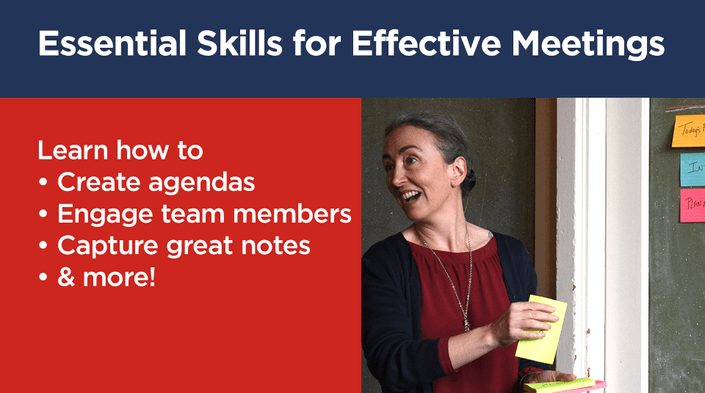
When to Call a meeting and When not?
Below are situations where arranging a meeting is crucial:
- Complex Decision-Making: When a complex decision involving multiple stakeholders needs to be made, a meeting allows for thorough discussion and consensus-building.
- Problem-Solving Sessions: For addressing critical issues or challenges that require collective brainstorming and input from the team.
- Project Kick-Offs: At the beginning of a new project or initiative, a meeting is essential to set goals, roles, and expectations.
- Information Sharing: When there’s vital information to be communicated, especially if it impacts the entire team or organization.
- Feedback and Review: For performance reviews, project evaluations, or any situation where constructive feedback is crucial for improvement.
- Team Building: Meetings can be valuable for team-building activities, fostering a sense of unity and collaboration.
- Training and Development: When introducing new processes, tools, or training programs, a meeting ensures everyone is on the same page.
- Crisis Management:During crisis situations, a meeting is vital to coordinate responses, share information, and make quick decisions.
- Policy Changes:If there are changes in EHS policies, procedures, or regulations, a meeting helps in conveying and discussing these changes with the team.
- Collaboration Requirements: When cross-functional collaboration is necessary, bringing teams together in a meeting can enhance communication and coordination.
Following are situations where calling for a meeting may not be the most effective or necessary:
- Routine Updates: For routine updates that can be communicated through email, memos, or other asynchronous means.
- Simple Information Sharing: If the information can be conveyed briefly and doesn’t require discussion or collaboration, opt for a more efficient communication method.
- Individual Updates:When updates or discussions are specific to individual team members and don’t require the entire team’s involvement.
- Lack of Clear Agenda: If there isn’t a clear agenda or purpose for the meeting, it may be better to wait until there’s a specific need or topic to discuss.
- No Decision Points: If the meeting doesn’t involve decision-making or actionable items, consider whether it’s necessary or if the information can be disseminated differently.
- Emergencies: In true emergencies where quick decisions are required, it might be more efficient to gather key decision-makers promptly rather than planning a formal meeting.
- Overuse of Meetings: Avoid calling meetings as a default communication method. Overusing meetings can lead to disengagement and decreased productivity.
- One-Way Communication: If the purpose of the meeting is primarily to deliver information without the need for discussion, explore alternatives like recorded messages or written updates.
- Late in the Day:Scheduling meetings late in the day when participants may be fatigued can lead to decreased engagement and productivity.
- Not Enough Preparation Time: If there hasn’t been sufficient time to prepare a well-structured agenda or relevant materials, it may be better to postpone the meeting.
Pre-Requisites for an Effective EHS Meeting:
- Clear Objectives: Define the purpose of the meeting to ensure everyone knows what needs to be achieved.
- Relevant Participants: Invite individuals directly involved or impacted by the EHS matters being discussed.
- Agenda:Create a well-structured agenda, outlining topics, discussions, and time allocations.
- Preparation:Share relevant materials in advance, allowing participants to come prepared.
Dos and Don’ts During EHS Meetings:
Dos:
- Active Participation: Encourage open discussions and participation from all members.
- Time Management: Stick to the agenda to ensure the meeting runs efficiently.
- Problem-Solving: Focus on solutions and actions, not just identifying issues.
- Follow-Up:Assign action items and responsibilities, and follow up on progress.
Don’ts:
- Avoiding Tangents:Steer clear of discussions that deviate from the meeting’s purpose.
- Domination: Prevent any one person from dominating the conversation; ensure everyone has a chance to speak.
- Ignoring Input:Acknowledge and consider all input, fostering a collaborative environment.
- Overlooking Safety Concerns:Always prioritize safety discussions, addressing concerns promptly.
Running a Distraction-Free EHS Meeting:
- Technology Etiquette: Set guidelines for the use of phones or laptops during the meeting.
- Designated Facilitator: Appoint someone to guide the meeting, ensuring it stays on track.
- Breaks: Schedule short breaks to maintain focus and energy levels.
- Environment: Choose a quiet and comfortable location to minimize external distractions.
Remember, the key is to foster an environment where every participant feels engaged, valued, and focused on achieving EHS goals.
Agenda for EHS Meeting: (Agenda is backbone!) An Example.
| Time | Agenda Item | Presenter |
|---|---|---|
| 9:00 – 9:15 | Welcome and Introductions | Facilitator |
| 9:15 – 9:30 | Safety Performance Review | EHS Manager |
| 9:30 – 10:00 | Incident Report Analysis and Lessons Learned | Safety Team |
| 10:00 – 10:30 | New EHS Regulations Update | Compliance Specialist |
| 10:30 – 10:45 | Break | – |
| 10:45 – 11:15 | Emergency Response Plan Review | Emergency Response Lead |
| 11:15 – 11:45 | Discussion: Enhancing Safety Culture | All |
| 11:45 – 12:15 | Action Items and Responsibilities Assignment | Facilitator |
| 12:15 – 12:30 | Closing Remarks and Next Steps | Facilitator |
Post meeting Minutes are a must, it can be a structured mintues,(as below) or notes taken during meeting, which can be photographed and share. (Work what it practical!).
Meeting Minutes – Environment, Health, and Safety (EHS) Meeting(Sample)
Date: [Insert Date]
Time: [Insert Start Time] to [Insert End Time]
Location: [Insert Location]
Participants: [List of Participants]
Agenda: Please include Agenda.
Welcome and Introductions: The meeting commenced with a warm welcome from the facilitator, and each participant introduced themselves.
Safety Performance Review The EHS Manager presented an overview of safety performance, highlighting key metrics and achievements. Participants were encouraged to ask questions.
- Incident Report Analysis and Lessons Learned The Safety Team discussed recent incidents, their root causes, and lessons learned. Suggestions for improvement were welcomed from the participants.
- New EHS Regulations Update The Compliance Specialist provided an update on new regulations impacting the EHS domain. Relevant details were shared, and participants were informed of any necessary actions.
- Break A short break was taken to allow participants to refresh.
- Emergency Response Plan Review The Emergency Response Lead led a review of the emergency response plan. Any updates or modifications were discussed and clarified.
- Discussion: Enhancing Safety Culture A group discussion was facilitated to explore ways to enhance the safety culture within the organization. Various ideas and best practices were shared among participants.
- Action Items and Responsibilities Assignment The facilitator outlined action items resulting from the meeting discussions. Responsibilities were assigned to specific individuals, and deadlines were established.
- Closing Remarks and Next Steps The facilitator summarized key takeaways from the meeting and emphasized the importance of implementing the discussed actions. Next steps and timelines were reiterated.
Next Meeting The date, time, and location of the next EHS meeting were announced.
Closing: The meeting concluded with gratitude for active participation and a reminder of the shared commitment to a safe and healthy work environment.
Prepared By:
Note: These minutes serve as a record of discussions and decisions made during the meeting. They will be distributed to all participants for reference and action.
Performance Review:
Conducting an effective performance review is crucial for professional growth and collaboration. Here’s a guide to make the process smooth and productive:

Pre-Requisites:
- Clear Objectives: Establish clear objectives for the performance review. Clearly define the goals and expectations (SMART Goals, Specific, Measurable, Acheivable, Result driven and Timely) for the EHS professional. Goals can flow from Business Plan, Operational plans, Incidents, Risk Assessment, Assessment, Systems Management review, etc.
- Documentation: Maintain thorough documentation throughout the performance period. Record achievements, challenges, and any relevant metrics.
- Self-Assessment: You are encouraged to conduct a self-assessment. This helps in aligning perspectives and understanding personal growth areas.
- Regular Feedback:Ensure that feedback is not a one-time event. Regular, constructive feedback throughout the performance period helps avoid surprises during the review.
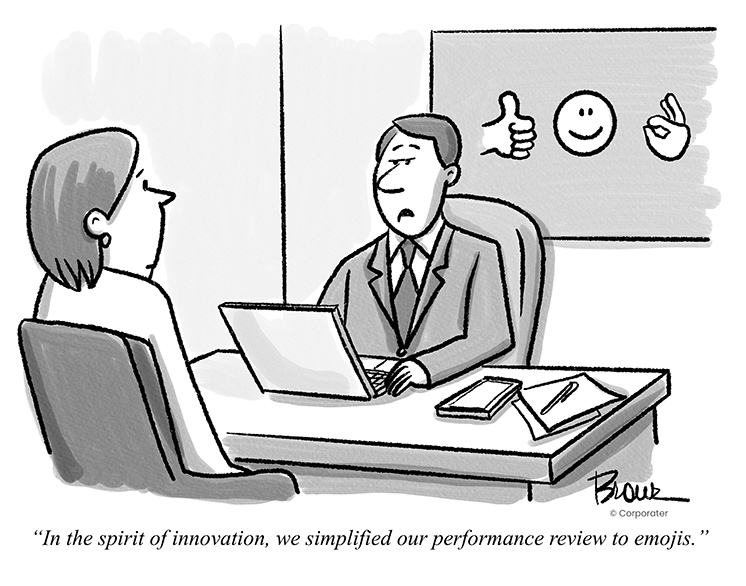
Steps and Process: (From the Manager).
- Setting the Stage:Schedule the performance review in advance. Communicate the purpose of the meeting and encourage the EHS professional to come prepared.
- Review of Goals:Begin by reviewing the goals set during the previous performance review. Discuss achievements, challenges, and any adjustments made during the period.
- Self-Assessment Discussion:Allow the EHS professional to share their self-assessment. Discuss areas where self-perception aligns with or differs from the manager’s perspective.
- Highlight Achievements:Acknowledge and celebrate achievements. Recognize the positive contributions made to the team and the organization.
- Areas for Improvement: Address areas for improvement with sensitivity. Focus on specific behaviors or skills that can be developed rather than making it personal.
- Feedback Exchange:Encourage an open dialogue. Let the EHS professional share their feedback on the working relationship, team dynamics, and any support needed.
- Development Plan:Collaboratively create a development plan. Identify areas for skill enhancement, training needs, and career growth opportunities.
- Goal Setting for the Future:Set clear, measurable goals for the upcoming performance period. Ensure alignment with organizational objectives and the EHS professional’s career aspirations.
- Recognition and Motivation:Express appreciation for the EHS professional’s efforts and commitment. Discuss potential opportunities for recognition within the organization.
- Documentation of Discussion:Document the key points discussed during the performance review. This serves as a reference for both the manager and the EHS professional.
Tips for Smooth Performance Reviews:
- Timely Feedback: Provide timely and ongoing feedback, not just during the official review period.
- Two-Way Communication: Foster an environment of open communication where both the manager and the EHS professional can freely express their thoughts.
- Focus on Behavior: When discussing improvement areas, focus on specific behaviors or skills rather than making it a personal critique.
- Recognition:Acknowledge and recognize accomplishments sincerely. Positive reinforcement is a powerful motivator.
- Continuous Development: Emphasize the importance of continuous learning and development. Discuss opportunities for skill-building and professional growth.
How Regular 1 on Ones Interactions can lead to a smooth Performance Review:
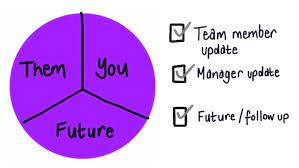
Regular, periodic one-on-one meetings between an EHS professional and their manager are instrumental in fostering effective communication, building a strong working relationship, and mitigating conflicts during the performance review. One on ones must happen weekly, (30 min) preferably face to face. Here’s how these one-on-ones contribute to a smooth performance review:
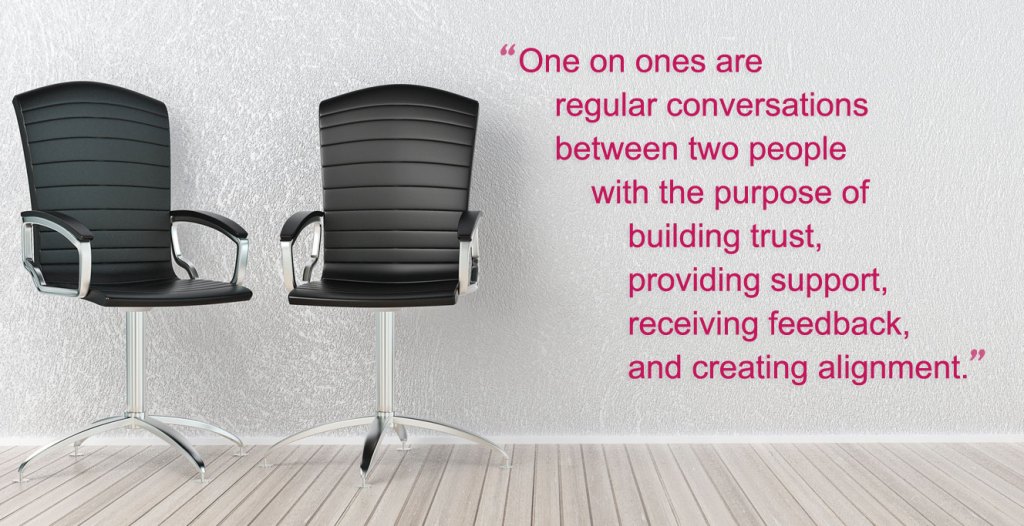
Pre-Requisites for One-on-One Meetings:
- Consistent Schedule:Establish a regular schedule for one-on-one meetings. Consistency builds a routine and ensures that important topics are consistently addressed.
- Open Communication Environment:Create an open and transparent environment where the EHS professional feels comfortable sharing updates, concerns, and ideas.
- Goal Alignment:Align the discussion during one-on-ones with broader goals and objectives. This ensures that the individual’s work aligns with the team and organizational objectives.
- Documentation:Keep records of discussions and action items from each one-on-one. This documentation provides a reference point for both the manager and the EHS professional.
How One-on-Ones Lead to a SEAMLESS Performance Review:
- Continuous Feedback: Regular one-on-one meetings provide a platform for continuous feedback. Positive reinforcement and constructive feedback can be addressed promptly, avoiding surprises during the performance review.
- Goal Tracking: Use one-on-ones to track progress on goals and objectives set during the performance period. Address any challenges or obstacles faced by the EHS professional in real-time.
- Development Discussions: Discuss opportunities for professional development and skill enhancement during one-on-one meetings. This ensures that development needs are acknowledged and addressed well before the performance review.
- Building Trust: One-on-ones contribute to building trust between the EHS professional and their manager. A trusting relationship facilitates open communication, making the performance review a collaborative rather than adversarial process.
- Addressing Concerns Promptly: If there are any concerns or conflicts, one-on-one meetings provide a private and constructive space to address and resolve issues before they escalate.
- Clarifying Expectations: Use one-on-ones to clarify expectations and ensure that the EHS professional understands their role and responsibilities. Misalignments can be corrected in real-time.
- Recognizing Achievements: Recognize and celebrate achievements during one-on-ones. Positive reinforcement boosts morale and sets a positive tone for the performance review.
- Opportunity for Self-Assessment: Encourage the EHS professional to self-assess their performance during one-on-one meetings. This self-awareness can guide the discussion during the performance review.
- Discussing Career Aspirations: Use one-on-ones to discuss the EHS professional’s long-term career goals. This information can inform discussions about career growth and advancement during the performance review.
- Building a Feedback Loop: Establish a feedback loop during one-on-ones. Both the manager and the EHS professional can share feedback on the working relationship, communication, and collaboration, creating a culture of continuous improvement.
By incorporating these elements into regular one-on-one meetings, the performance review process becomes an extension of ongoing discussions rather than a standalone event. This approach contributes to a more collaborative, conflict-free, and productive performance review experience.
Karthik
14th Nov 2023. Bangalore.

 Health, Environment, Safety, Sustainability (HESS)