

Benchmarking is a systematic process of comparing an organization’s performance against that of others in the industry or against recognized standards. It is a valuable tool for improving organizational performance by identifying areas for improvement, learning from best practices, and setting realistic performance targets. In the context of the EHS (Environment, Health, and Safety) domain, benchmarking plays a crucial role in enhancing safety practices and overall organizational well-being.

Here’s how benchmarking works:
1. Performance Comparison: Internal Benchmarking: Organizations can compare Operational / Business performance across different departments or locations within the company. External Benchmarking: This involves comparing the organization’s performance against industry peers or best-in-class companies.
2. Identification of Best Practices: Benchmarking helps identify and adopt best practices from top performers in the industry. This can include successful safety programs, incident response strategies, or innovative safety technologies.
3. Setting Performance Targets: By understanding how top performers achieve their Business goals, organizations can set realistic and achievable performance targets for their own Operational excellence programs.
4. Continuous Improvement: Benchmarking is a dynamic process that encourages continuous improvement. Regularly reviewing and adjusting operational control measures based on benchmarking results ensures ongoing progress.
5. Data-Driven Decision Making: Organizations collect and analyze data related to business/ performance metrics. This data-driven approach helps in making informed decisions about improvement initiatives, resource allocation, and risk management.
6. Compliance with Regulations: Benchmarking aids in ensuring compliance with country /corporate regulations by comparing practices with industry standards and legal requirements.
7. Enhancing Risk Management: It assists in identifying and mitigating risks associated with workplace safety, environmental impact, and health issues.
8. Employee Engagement: Benchmarking fosters a culture performance excellence and employee engagement by involving workers in the improvement process and learning from successful initiatives in other organizations.
9. Establishing a Performance Culture: Benchmarking supports the development of a strong organisational culture within an organization, emphasizing the importance of performance at all levels.
10. Demonstrating Leadership: Organizations that excel in benchmarking demonstrate leadership in their commitment to the performance, growth and well-being of their workforce, attracting talent and building a positive reputation.
Factors that are taken up for Benchmarking:
Here’s a list of factors that are commonly considered in organization performance benchmarking:
- Financial Performance:
- Revenue growth
- Profit margins
- Return on investment (ROI)
- Financial ratios (e.g., liquidity, solvency)
- Operational Efficiency:
- Productivity metrics
- Process cycle times
- Inventory turnover
- Resource utilization
- Customer Satisfaction:
- Customer feedback scores
- Net Promoter Score (NPS)
- Customer retention rates
- Service quality
- Employee Productivity and Satisfaction:
- Employee engagement scores
- Turnover rates
- Training hours per employee
- Employee satisfaction surveys
- Innovation and Technology:
- Research and development spending
- Number of patents
- Technology adoption rates
- Innovation metrics
- Market Share and Positioning:
- Market share
- Brand recognition
- Competitive positioning
- Market growth compared to peers
- Supply Chain Performance:
- Supplier relationships
- Inventory management
- Supply chain cycle times
- Cost of goods sold (COGS)
- Environmental, Health, and Safety (EHS) Performance:
- Incident rates
- Compliance with EHS regulations
- Safety culture metrics
- Safety Assessment performance
- Environmental impact measures
- Quality Metrics:
- Defect rates
- Product/service quality scores
- Customer complaints
- Conformance to quality standards
- Human Resources Metrics:
- Diversity and inclusion metrics
- Leadership development programs
- Succession planning effectiveness
- HR efficiency ratios
- Social Responsibility and Ethics:
- Corporate social responsibility (CSR) initiatives
- Ethical business practices
- Social impact metrics
- Community engagement
- Risk Management:
- Identification and mitigation of business risks
- Resilience to external shocks
- Risk-adjusted return on capital
- Strategic Alignment:
- Alignment of business strategies with organizational goals
- Execution of strategic initiatives
- Strategic planning effectiveness
- Information Technology Performance:
- IT infrastructure reliability
- Cybersecurity measures
- Adoption of digital technologies
- IT project success rates
- Legal and Regulatory Compliance:
- Adherence to local and international laws
- Regulatory compliance metrics
- Legal dispute resolution effectiveness
- Brand and Reputation:
- Brand equity
- Reputation scores
- Media sentiment analysis
- Crisis management effectiveness
Remember, the specific factors considered may vary based on the industry, organization size, and business objectives.
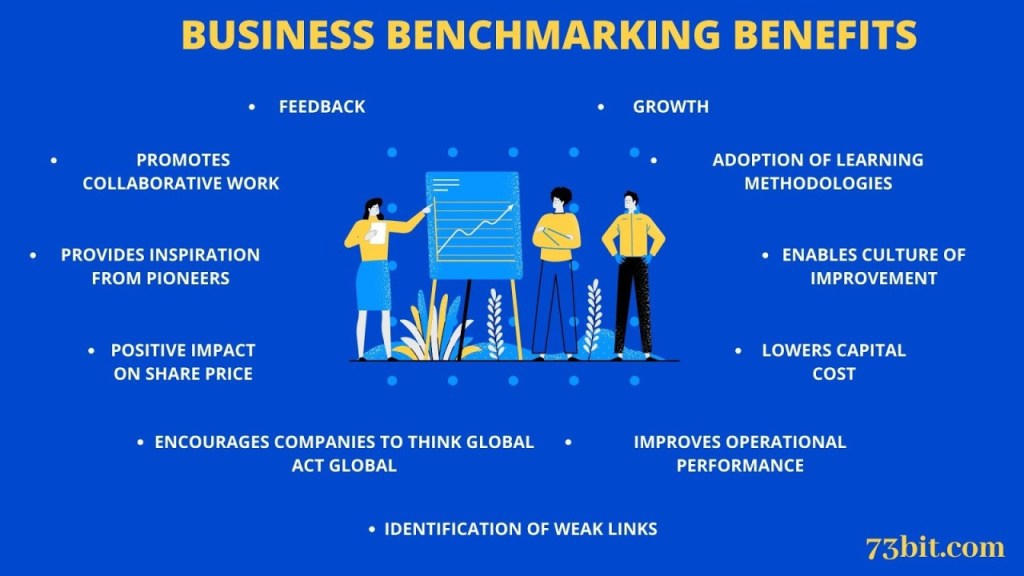
EHS Benchmarking:– When an external Benchmarking is done for comparision with industries. Following are compared. This is not an exhaustive list. Usually, even broader public domain business performances are compared. (#18-21)
- Incident rates
- Safety performance metrics
- Compliance with regulations
- Environmental impact measures
- Total Non Productivity Output (TNPO)
- Employee engagement scores / Atritions
- Training hours per employee
- Risk assessment effectiveness
- EHS culture surveys
- Supply chain EHS performance
- Emergency response readiness
- Social responsibility metrics
- Community impact measures
- Sustainability reporting
- EHS audit/assessment results
- Process cycle times
- Productivity metrics
- Customer satisfaction scores
- Basic Financial performance indicators
- Market share
- Brand recognition and reputation.
Tools /Aids that are available for EHS Benchmarking with a purpose.
The EHS (Environment, Health, and Safety) domain often involves qualitative aspects that may not be easily quantifiable. Here are some tools and aids that can help in external benchmarking for EHS performance, considering both quantitative and qualitative aspects:
| EHS Management Systems | Tool: EHS management software systems. | Purpose: These systems help organizations track and manage various EHS metrics, incidents, and compliance data. |
| Key Performance Indicators (KPIs) | Tool: Development of specific EHS KPIs. | Purpose: Clearly defined KPIs provide a measurable way to track performance in areas such as incident rates, compliance, and safety culture. |
| Surveys and Assessments | Tool: EHS culture surveys, safety climate assessments. | Purpose: Qualitative data on safety culture, employee perceptions, and overall EHS awareness. |
| Incident Reporting and Analysis | Tool: Incident reporting tools. | Purpose: Capture and analyze data on workplace incidents to identify trends and areas for improvement. |
| Audits and Inspections | Tool: EHS audit software. | Purpose: Regular audits help assess compliance, identify risks, and ensure that safety protocols are being followed. |
| Regulatory Compliance Tracking | Tool: Compliance management software. | Purpose: Keep track of changes in regulations, ensuring the organization stays compliant with EHS laws. |
| Benchmarking Databases | Tool: EHS benchmarking databases and platforms. | Purpose: Access industry-specific benchmarking data to compare your organization’s performance with peers. |
| Risk Assessment Tools | Tool: Risk assessment software. | Purpose: Evaluate and prioritize risks associated with EHS, helping in the development of risk management strategies. |
| E-learning and Training Platforms | Tool: EHS training software. | Purpose: Ensure that employees are well-trained on safety procedures and regulations. |
| Social Responsibility Metrics | Tool: Corporate social responsibility (CSR) reporting tools. | Purpose: Measure and report on the organization’s social and environmental impact. |
| Stakeholder Engagement Platforms | Tool: Platforms for engaging with stakeholders. | Purpose: Engage with employees, communities, and other stakeholders to understand their perspectives on EHS performance. |
| Data Analytics and Visualization | Tool: Data analytics and visualization tools. | Purpose: Analyze complex EHS data sets and present insights in a visually understandable format. |
| Case Studies and Best Practices Research | Tool: Industry reports, case studies. | Purpose: Learn from the experiences of other organizations and adopt best practices in EHS. |
| Sustainability Reporting Frameworks | Tool: Frameworks like GRI (Global Reporting Initiative). | Purpose: Standardize reporting on sustainability and EHS performance. |
Key factors for Allocations, that go in to EHS Benchmarking. (%)
While the distribution of benchmarking percentages across the EHS domain can vary based on the industry, organizational priorities, and specific goals, here’s a general allocation that companies might consider. Keep in mind that this is just a suggested distribution for a well-rounded EHS benchmarking framework:
- Incident Rates and Safety Performance: 10%
- This includes metrics related to the number and severity of incidents, near misses, and overall safety performance.
- Compliance and Regulatory Metrics: 10%
- Evaluate how well the organization adheres to local and international EHS regulations and standards.
- Environmental Impact: 15%
- Assess the organization’s efforts in minimizing its environmental footprint, including energy efficiency, waste management, and emissions.
- Employee Engagement and Training: 15%
- Measure the effectiveness of safety training programs, employee engagement in EHS initiatives, and overall safety awareness.
- EHS Audit/Assessment: 10%
- This percentage represents the organization’s commitment to regular assessments and audits of its EHS performance. The audit process helps identify areas for improvement, ensures compliance with regulations, and contributes to a proactive approach to EHS management.
- Risk Management: 10%
- Evaluate the organization’s ability to identify, assess, and manage risks related to EHS, including proactive risk mitigation strategies.
- EHS Culture and Behavior: 15%
- Consider the development and promotion of a positive EHS culture, including employee attitudes, leadership commitment, and overall behavior.
- Emergency Response and Preparedness: 5%
- Assess the organization’s readiness and effectiveness in responding to emergencies and crises related to EHS.
- Supply Chain EHS Performance: 5%
- Include metrics related to the EHS performance of the organization’s suppliers and partners in the supply chain.
- Social Responsibility and Community Impact: 5%
- Evaluate the organization’s initiatives and impact on social responsibility, community engagement, and broader societal well-being.
This distribution is a starting point, and organizations may choose to adjust the percentages based on their unique priorities and industry considerations. It’s crucial to regularly review and update this distribution to reflect changes in organizational goals, industry standards, and emerging EHS trends.
PROXY Indicators, when Absoloute EHS Performance indicators can’t be measured in Quantifiable terms. (Proxy is better than None!).
Proxy indicators are often used when direct measurement of certain aspects of EHS (Environment, Health, and Safety) performance is challenging. Here’s a list of proxy indicators that can be considered when measuring EHS performance in quantitative terms:
- Energy Consumption:Proxy for environmental impact and efficiency.
- Waste Generation and Recycling Rates:Indicates the organization’s commitment to waste reduction and sustainable practices.
- Water Usage:Reflects the organization’s efforts in water conservation.
- Employee Training Hours:Demonstrates the organization’s investment in EHS education and awareness.
- Number of Near Misses:A leading indicator of potential incidents and a measure of proactive safety practices.
- Lost Time Injury Frequency Rate (LTIFR):Quantifies the rate of injuries leading to time off work, providing a measure of workplace safety.
- Emissions Levels:Proxy for air quality and the organization’s impact on the environment.
- Percentage of Renewable Energy Use:Demonstrates commitment to sustainable and environmentally friendly energy sources.
- Percentage of Suppliers Compliant with EHS Standards:Reflects the organization’s influence on its supply chain’s EHS practices.
- Emergency Response Times:Measures the efficiency of the organization’s emergency preparedness and response.
- Percentage of Employees Participating in Safety Committees:Reflects employee engagement in safety initiatives.
- Percentage of Hazardous Substances Substituted or Eliminated:Demonstrates efforts to reduce reliance on hazardous materials.
- Percentage Reduction in Environmental Impact Over Time:A broad indicator of the organization’s commitment to continuous improvement in environmental practices.
- Carbon Footprint:Quantifies the total greenhouse gas emissions associated with the organization’s activities.
- Percentage of Workforce with Access to Health and Wellness Programs: Indicates the organization’s focus on employee health.
- Percentage of Compliance with EHS Regulations: Measures adherence to legal requirements, a key aspect of EHS performance.
- Community Complaints or Feedback Related to EHS: Provides insights into the organization’s impact on the surrounding community.
- Percentage of High-Risk Processes Monitored and Controlled: Demonstrates the organization’s efforts to manage and mitigate high-risk activities.
- Number of EHS Incidents Closed Within Specified Timeframes: Reflects the efficiency of incident resolution and corrective actions.
- Percentage Reduction in Workplace Stress or Fatigue-Related Incidents: Indicates the organization’s focus on employee well-being.
These proxy indicators offer a quantitative perspective on various aspects of EHS performance. It’s important to choose indicators that align with organizational goals, industry standards, and areas of focus for improvement.
Karthik
15th Nov 2023.

 Health, Environment, Safety, Sustainability (HESS)