

#122

Addressing ‘Documentation Fatigue’ in EHS is crucial for sustained efficiency. Having overseen EHS documentation across 45+ global sites, I’ve found that optimizing documentation involves strategic approaches. Firstly, prioritize: identify critical data for each site, streamlining documentation to focus on high-impact areas. Standardize templates across sites to reduce variation without sacrificing accuracy. Consider automation tools for routine tasks, freeing up time for higher-value EHS work. Regular reviews and updates ensure relevance without overwhelming the system. Training on best practices in documentation can empower teams to navigate the process seamlessly. Lastly, fostering a culture that values quality over quantity in documentation can shift the focus from exhaustive records to impactful, actionable data.
This post is in response to my recent visit to a facility, where EHS manager requested my inputs:-
Documentation refers to the creation, collection, organization, and maintenance of written, visual, or electronic materials that record information, processes, procedures, and activities within an organization. It serves as a means to capture and communicate various aspects of operations, compliance, and decision-making.
Difference between Documentation and Records:
- Documentation: It encompasses a broader spectrum of materials that include policies, procedures, guidelines, manuals, plans, reports, forms, guidelines, and any written or electronic content that outlines processes or instructions. Documentation is dynamic and often used as a guide or reference for actions and decisions.
- Records: Records are a subset of documentation. They are specific, finalized, and often immutable documents that serve as evidence of activities, transactions, decisions, or events. Records are typically more static and are maintained as evidence of compliance, performance, or legal obligations.
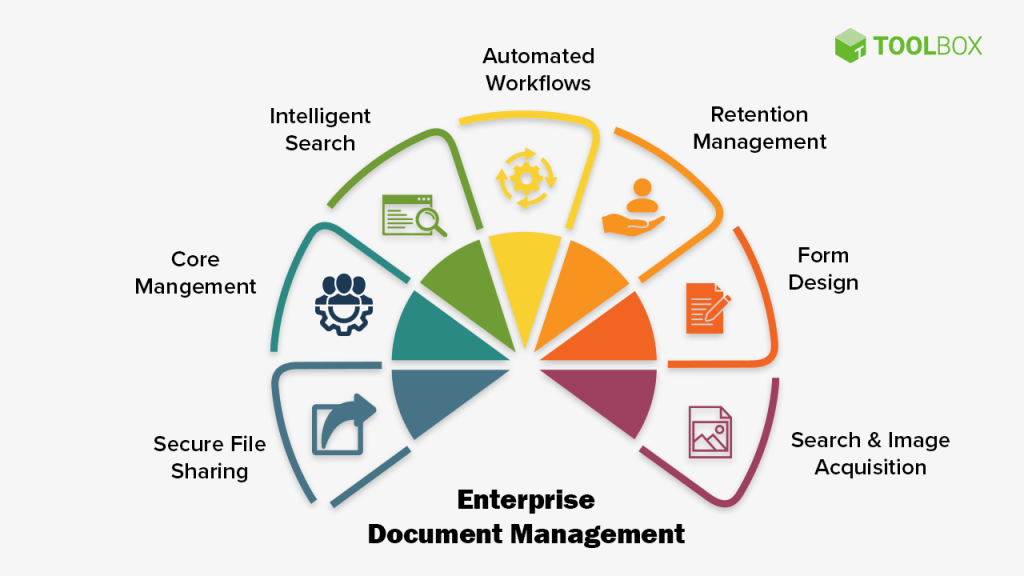
Different Types of Documentation:
- Policies: These are high-level statements defining an organization’s principles, objectives, and guidelines for decision-making and behavior.
- Procedures: Detailed step-by-step instructions outlining how specific tasks or processes should be carried out within an organization.
- Guidelines: These offer recommended practices or suggested actions, allowing some flexibility while providing direction.
- Forms: Templates or structured documents used to capture specific data or information, such as incident reports, inspection checklists, or training records.
- Manuals: Comprehensive documents that provide in-depth information, instructions, and guidance on particular systems, processes, or equipment.
- Plans: Documents outlining strategies, actions, or approaches for achieving specific goals or managing situations, such as emergency response plans or environmental management plans.
- Reports: Formal documents summarizing findings, results, or outcomes of specific activities, investigations, or projects.
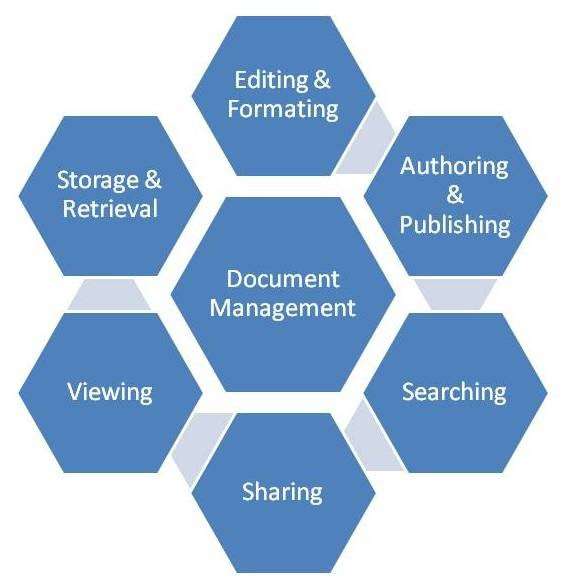
Each type of documentation serves a unique purpose within an organization, contributing to efficient operations, compliance, and the management of risks and responsibilities.
Documentation can indeed be overwhelming in the EHS domain. One way to optimize this is to streamline the process by focusing on essential documentation. Here are a few strategies:
- Prioritize Risk-Based Approach: Identify critical risks and focus documentation efforts on mitigating those risks. This ensures documentation aligns with actual hazards.
- Simplify Templates: Develop clear, concise templates for reports and records. Streamlining formats reduces confusion and saves time.
- Automation Tools: Leverage technology and software to automate routine documentation processes. This not only saves time but also minimizes errors.
- Regular Reviews: Conduct periodic reviews of existing documentation. Remove redundant or outdated records to maintain relevance.
- Training and Awareness: Educate employees on the importance of documentation accuracy and relevance. Proper training reduces errors and ensures compliance.
- Centralized System: Implement a centralized system for documentation. This allows easy access and reduces duplication of efforts.
- Outsource Non-Core Documentation: Consider outsourcing non-critical documentation tasks to manage the workload effectively.
Remember, while documentation is crucial, finding the right balance between what’s necessary and what’s excessive is key to avoiding the documentation quagmire.
Let’s consider a risk-based approach to documentation in the context of workplace safety.
Scenario: Workplace Chemical Management
Identifying Critical Risks:
- Chemical Exposure Risks: Identify chemicals with the highest risk of exposure based on toxicity, volume used, and frequency of use.
- Emergency Response Risks: Evaluate potential incidents involving chemicals that could lead to emergencies and prioritize those with the highest severity.
Optimizing Documentation:
- Documentation Focus:
- Prioritize comprehensive documentation for high-risk chemicals, including safety data sheets (SDS), handling procedures, and emergency response plans.
- Streamline documentation for lower-risk chemicals, focusing on key information and ensuring accessibility.
- Training Emphasis:
- Prioritize training programs for employees handling high-risk chemicals, including detailed documentation on safe handling practices.
- Streamline training for lower-risk chemicals, emphasizing key safety measures.
- Incident Reporting and Investigation:
- Implement thorough documentation procedures for incidents involving high-risk chemicals, including detailed reports, investigations, and corrective actions.
- Simplify documentation for minor incidents involving lower-risk chemicals, ensuring essential information is captured.
- Regular Reviews:
- Conduct frequent reviews of documentation related to high-risk chemicals to ensure information is up-to-date and compliant with regulations.
- Periodically review documentation for lower-risk chemicals to identify any updates or improvements needed.
By focusing more intensively on documentation related to high-risk scenarios, the organization optimizes its efforts and resources. This approach ensures that critical information is readily available, reducing the likelihood of incidents and improving overall safety performance. At the same time, it prevents unnecessary administrative burden for lower-risk scenarios, allowing for a more efficient allocation of time and resources.
There are various tools available that can assist in EHS documentation and management:
- Safety Management Software: Platforms like Intelex, Cority, or VelocityEHS offer comprehensive solutions for EHS documentation, incident reporting, audits, and compliance management.
- Document Management Systems (DMS): Tools like SharePoint, DocuWare, or M-Files help in organizing and managing documents, ensuring version control and easy access.
- Mobile Apps: Applications like iAuditor or SafetyCulture allow for on-the-go inspections, incident reporting, and documentation using mobile devices.
- Environmental Management Systems (EMS): Platforms such as Enablon or Sphera provide tools for environmental compliance, sustainability reporting, and managing environmental data.
- Chemical Management Software: Tools like Chemwatch or SiteHawk help in managing hazardous chemical inventory, safety data sheets (SDS), and compliance with chemical regulations.
- Risk Assessment Software: Applications like ETQ Reliance or Resolver assist in conducting risk assessments, identifying hazards, and implementing controls.
- Training and Compliance Tools: Systems such as SafeStart offer training modules and tools for ensuring compliance with EHS regulations.
These tools vary in their focus areas and functionalities, so selecting the right one depends on specific organizational needs and the aspects of EHS that require more streamlined documentation and management.
Optimizing EHS document management involves streamlining processes, ensuring compliance, and improving accessibility. Here’s a step-by-step guide:
- Centralized System: Implement a centralized document management system or software. This allows for easy access, version control, and organization of documents.
- Standardized Templates: Develop standardized templates for different types of EHS documents (policies, procedures, forms). This ensures consistency across the organization.
- Version Control: Establish a clear version control system to manage document revisions. Ensure everyone works with the most updated versions to avoid confusion.
- Metadata and Tagging: Use metadata and tagging systems to categorize documents. This makes searching and retrieval more efficient.
- Access Control: Implement access controls to restrict document access based on roles and responsibilities. This maintains confidentiality and security.
- Regular Audits: Conduct regular audits to ensure compliance with regulations and internal standards. Remove outdated or non-compliant documents.
- Training and Awareness: Provide training on document management protocols to employees. Ensure everyone understands the importance of proper document handling.
- Integration with Technology: Utilize technology for automation, such as using mobile apps for on-site documentation, IoT devices for data collection, and AI for data analysis.
- Continuous Improvement: Encourage feedback from users regarding the usability and effectiveness of the document management system. Continuously improve based on feedback.
- Compliance Tracking: Use the system to track compliance with regulatory requirements. Set reminders for document renewals, audits, and updates.
By implementing these strategies, organizations can streamline their EHS document management processes, improve compliance, enhance efficiency, and ensure that the right information is available to the right people when needed.
For smoother and seamless EHS documentation management, an effective IT system environment should encompass several key elements:
- Document Management Software: Invest in a robust document management system (DMS) that allows for centralized storage, version control, and efficient retrieval of documents. Look for features like access controls, metadata tagging, and search functionalities.
- Cloud-Based Infrastructure: Utilizing cloud-based storage enables easy access to documents from anywhere, anytime. It also facilitates collaboration among teams working remotely or across different locations.
- Scalability and Flexibility: The IT system should be scalable to accommodate a growing volume of documents and adaptable to changes in compliance requirements or organizational needs.
- Integration Capabilities: Ensure that the system can integrate with other tools or software used within the organization, such as ERP systems, EHS software, or collaboration platforms, for seamless data flow.
- Security Measures: Implement robust security protocols to safeguard sensitive EHS data. This includes encryption, access controls, regular security updates, and disaster recovery plans.
- Mobile Accessibility: Enable access to documents via mobile devices, allowing field personnel or remote workers to input data, access documents, and perform necessary tasks on the go.
- User-Friendly Interface: The system should have an intuitive interface, making it easy for employees to navigate, upload documents, and retrieve necessary information without extensive training.
- Automation and Workflow Management: Incorporate automation features for routine tasks, approvals, notifications, and reminders. Define workflows to streamline document approvals and updates.
- Analytics and Reporting: Include analytics capabilities to track document usage, compliance status, and performance metrics. Generate reports to assess document management effectiveness.
- Regular Maintenance and Support: Ensure a dedicated IT team or support system is in place to handle system maintenance, updates, and troubleshooting to prevent downtime or disruptions.
By establishing an IT system environment that addresses these aspects, organizations can create a smoother, more efficient, and effective EHS documentation management process.
Case Study:
Let’s consider a manufacturing facility that successfully optimized documentation in the EHS domain.
Case Study: XYZ Manufacturing Plant
Challenge:
- XYZ Plant faced challenges with excessive paperwork, redundant documentation, and inefficiencies in managing EHS-related documents.
- Compliance audits revealed inconsistencies, outdated documents, and difficulty in retrieving critical information.
Approach:
- Centralized Document Management System: Implemented a cloud-based Document Management Software (DMS) that allowed centralized storage and easy access to EHS documents.
- Standardized Templates: Developed standardized templates for EHS documents like SOPs, incident reports, safety procedures, and compliance checklists.
- Streamlined Processes: Revised and streamlined documentation processes, reducing unnecessary paperwork and ensuring a more efficient workflow.
- Employee Training: Conducted extensive training sessions to educate employees on the new document management system, emphasizing the importance of accurate and timely documentation.
- Regular Audits and Reviews: Instituted a regular audit schedule to review and update documents, ensuring compliance with changing regulations and internal standards.
- Integration with EHS Tools: Integrated the DMS with existing EHS software for seamless data exchange and real-time updates.
Results:
- Reduced Paperwork: By moving to a digital system, XYZ Plant significantly reduced paperwork and printing costs.
- Improved Compliance: Ensured up-to-date, standardized documents, leading to improved compliance during audits and inspections.
- Enhanced Efficiency: Employees spent less time searching for documents, leading to increased productivity.
- Real-Time Access: Enabled on-site and remote access to documents, facilitating quicker decision-making and faster response during incidents.
Key Takeaways:
- Technology Integration: Leveraging technology for document management streamlined processes and improved accessibility.
- Standardization and Training: Standardized templates and employee training were crucial in ensuring consistent and accurate documentation.
- Continuous Improvement: Regular audits and reviews helped maintain the effectiveness of the document management system.
XYZ Manufacturing Plant’s success in optimizing EHS documentation was rooted in a strategic combination of technology, process refinement, and employee engagement, resulting in improved compliance, efficiency, and overall operational effectiveness.
Karthik
24th Nov 23.

 Health, Environment, Safety, Sustainability (HESS)