

This blog post is triggered by Elon Musk’s comment “DIE” (He twisted DEI) that is hurting a lot..! (Musk replied to that post with his own attack on programs that promote diversity, equity and inclusion (DEI). “It will take an airplane crashing and killing hundreds of people for them to change this crazy policy of DIE,” Musk wrote, misspelling the DEI acronym)

Hey there, readers! Welcome to a space where we unpack the narratives that often go unquestioned in the realms of Environmental, Social, and Governance (ESG) metrics, Diversity, Equity, and Inclusion (DEI) initiatives, and the ever-pressing dialogue on climate change. I’m Karthik, your guide through the maze of opinions and controversies.
In my four decades as an environmental engineer and an Environment, Health, and Safety (EHS) professional, I’ve witnessed the evolution of these crucial paradigms. However, my journey has led me to harbor skepticism, especially when it comes to the political undertones and global dynamics steering these conversations.
Critiques on ESG Metrics: We’ll begin by scrutinizing the ESG metrics that companies tout as badges of honor. Are they genuine indicators of sustainable practices, or are they cleverly crafted illusions? Join me as we navigate the nuances and potential pitfalls of relying on these metrics as benchmarks for corporate responsibility.
Challenges with DEI Initiatives: Diversity, equity, and inclusion have become rallying cries in corporate corridors, yet there’s a darker side to the narrative. Let’s explore the challenges these initiatives face, from accusations of superficial tokenism to concerns about genuine systemic change. Buckle up for a candid discussion on the complexities of fostering true inclusivity.
Climate Change Skepticism: As an environmental engineer for four decades, my journey has instilled a certain skepticism about the prevailing narrative on climate change. In this segment, we’ll dissect the skepticism—questioning the extent of human influence, critiquing climate models, and pondering whether the urgency might serve alternative agendas.
Global Disparities in Climate Policies: The fight against climate change is undeniably global, but is it fair? We’ll explore the disparities in climate policies, the burden placed on developing nations, and the debate on historical responsibility. Is the push for climate action truly a collective effort, or are some nations carrying a heavier load than others? ( I am staying away from this in this post)
Join me on this exploration of perspectives that might challenge conventional wisdom. As we navigate these controversial waters, remember, this space is open to all opinions, even those contrary to my own. Let’s engage in a dialogue that transcends the echo chambers and fosters a deeper understanding of the intricacies shaping our world.
Stay tuned for an insightful journey into the heart of the backlash against ESG, DEI, and climate change. Your thoughts and perspectives are not just welcome; they’re essential to the discourse.
Let the unraveling begin!
Navigating the Murky Waters of ESG Metrics: Badges of Honor or Smoke and Mirrors?

Introduction:

In the age of climate anxiety and social upheaval, corporations are eager to flaunt their Environmental, Social, and Governance (ESG) credentials. But are these metrics, often presented as shiny badges of honor, truly indicative of sustainability and ethical practices? Or are they, as some suspect, cleverly crafted illusions that mask harmful realities? In this section, we dive into the murky waters of ESG metrics, exposing their nuances and potential pitfalls for those seeking genuine corporate responsibility.
Dissecting the Metrics:
Let’s begin by peeling back the layers of common ESG metrics. We’ll examine:
- Environmental metrics: Do carbon emission reductions tell the whole story, or do they obfuscate pollution in other areas? What about resource depletion and ecosystem impact?
- Social metrics: Gender diversity statistics can be impressive, but do they translate to equal pay and opportunity? And how effectively are companies addressing labor rights violations and community concerns?
- Governance metrics: Strong board composition and anti-corruption policies sound promising, but are they implemented effectively, or are they simply window dressing?
Beyond the Surface:
The real challenge lies in going beyond the superficial veneer of these metrics. We need to critically assess:
- Data integrity: Are companies cherry-picking data to paint a rosy picture? Are metrics independently verified, or are they self-reported with potential for manipulation?
- Impact vs. intent: While striving for renewable energy adoption is commendable, it only matters if it results in tangible emission reductions. Similarly, social initiatives must demonstrably improve lives, not just box-tick for diversity quotas.
- Systemic challenges: Can individual company metrics truly overcome systemic issues like global supply chain exploitation or political influence peddling? Focusing solely on internal improvement might be a convenient distraction from external complicity.
Navigating the Path Forward:
So, what are we, the discerning stakeholders, to do? Here are some tips:
- Demand transparency: Ask companies for detailed data and methodologies behind their metrics. Encourage independent audits and verification processes.
- Look beyond the headline numbers: Dig deeper into the qualitative context surrounding the metrics. Understand the limitations and potential for manipulation.
- Focus on holistic impact: Don’t be fooled by isolated achievements. Evaluate if a company’s overall operations align with its ESG claims and contribute to a truly sustainable future.
Greenwashing Dubious examples:
Here are a few examples of greenwashing, where companies may present a misleading impression of their environmental practices:
- Misleading Packaging:
- Example: A company markets its product as environmentally friendly due to a change in packaging, emphasizing a “green” image. However, the product itself remains unchanged, and the new packaging may not be as eco-friendly as claimed.
- Exaggerated Claims of Renewable Energy Use:
- Example: A company advertises itself as running entirely on renewable energy, but upon closer inspection, it’s found that only a small fraction of its total energy consumption is sourced from renewables.
- Incomplete Carbon Footprint Reporting:
- Example: A company highlights its efforts to reduce its carbon footprint but conveniently omits significant contributors to emissions in its reporting. This selective disclosure creates an incomplete picture of the company’s environmental impact.
- Vague Environmental Buzzwords:
- Example: Companies may use ambiguous terms like “green,” “eco-friendly,” or “natural” without providing specific details or certifications to back up these claims. This lack of transparency can mislead consumers.
- Cherry-Picking Positive Data:
- Example: Selectively showcasing positive environmental achievements while downplaying or ignoring negative aspects. For instance, a company might emphasize a reduction in water usage while neglecting to address high levels of pollution.
- Unsubstantiated Certifications:
- Example: Displaying eco-friendly certifications that are either outdated, irrelevant, or issued by organizations with lax standards. This gives a false sense of legitimacy to the company’s green credentials.
- Green Product, Dirty Company:
- Example: A company promotes a specific “green” product while its overall business practices, supply chain, or other products may have significant negative environmental impacts. This diverts attention from the company’s less sustainable activities.
These examples illustrate the various tactics companies might employ to create an illusion of environmental responsibility. It’s crucial for consumers to be vigilant and critically assess the authenticity of the green claims made by businesses.
Conclusion:
ESG metrics can be valuable tools for gauging corporate responsibility, but only when viewed with a critical eye. We must move beyond the superficial claims and delve into the complexities of data integrity, impact assessment, and systemic challenges. By holding companies accountable for their true environmental, social, and governance practices, we can navigate the murky waters of ESG and chart a course toward a more sustainable and equitable future.
DEI (DIE) Fiasco:

Let’s delve into the challenges associated with Diversity, Equity, and Inclusion (DEI) initiatives, considering my concerns and perspective:
- Superficial Tokenism:
- Issue: Some companies may implement diversity initiatives merely for optics, aiming to showcase a diverse workforce without addressing deeper systemic issues.
- Example: Hiring a few individuals from underrepresented groups without addressing workplace culture or providing equal opportunities can lead to tokenism.
- Meritocracy Concerns:
- Concern: The perception that DEI initiatives might compromise meritocracy by prioritizing diversity over qualifications.
- Example: If individuals are promoted or hired based solely on demographic factors rather than merit, it can create resentment among employees and undermine the credibility of the initiative.
- Performance-Based Decisions:
- Challenge: The fear that underperforming employees might be retained or promoted to meet diversity quotas, undermining the principle of meritocracy.
- Example: If there’s a perception that diversity goals are prioritized over performance, it can erode confidence in the fairness of the evaluation process.
- Safety Concerns in Critical Professions:
- Challenge: Some argue that prioritizing diversity in critical professions like aviation or the military might compromise safety if it overrides merit-based selection.
- Example: Concerns about hiring or promoting individuals based on diversity criteria without ensuring they meet the rigorous performance standards required in safety-critical roles. (United Airlines Flight# 1722 Nearmiss!)
- Backlash and Morale Issues:
- Challenge: Resistance or backlash from employees who perceive DEI initiatives as preferential treatment.
- Example: If employees feel that diversity efforts are unfairly impacting their opportunities, it can lead to a decline in morale and potentially foster division within the workplace.
- Inadequate Systemic Changes:
- Challenge: DEI initiatives might focus on surface-level changes without addressing deep-seated systemic issues.
- Example: Implementing diversity training without concurrently addressing biased policies or practices may not result in meaningful change.
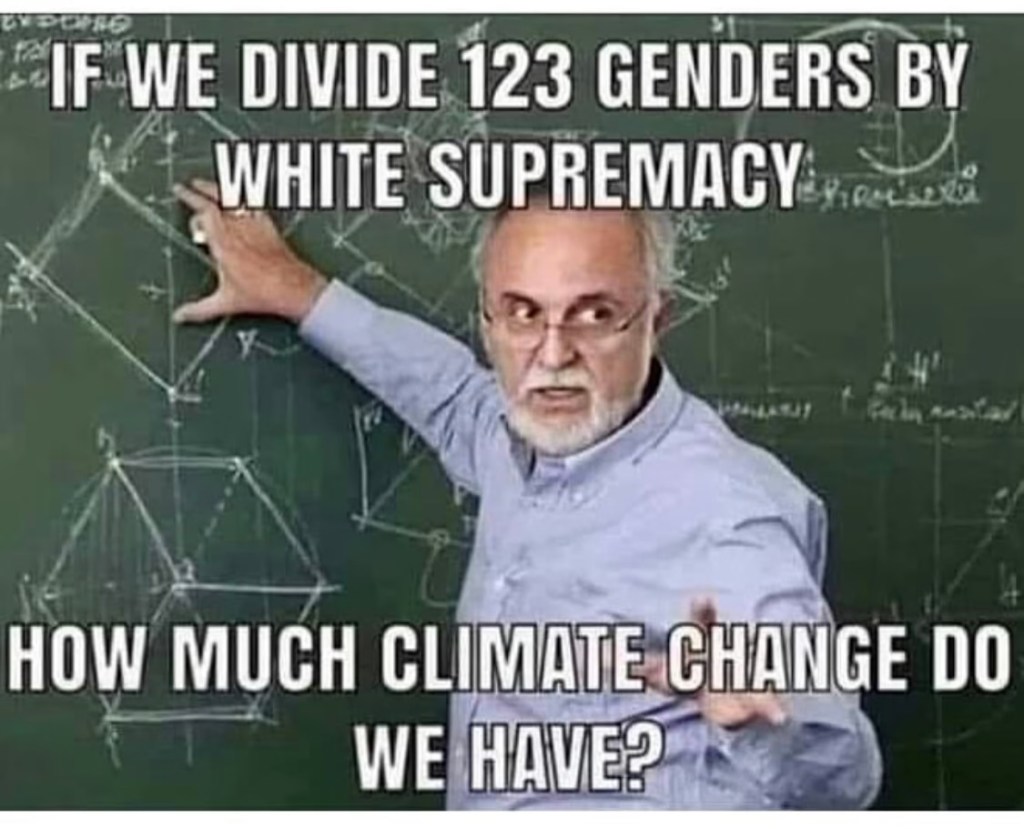
It’s important to note that these challenges don’t negate the importance of fostering diversity, equity, and inclusion. Instead, they highlight the complexities and potential pitfalls that organizations need to navigate to ensure that DEI efforts lead to genuine systemic improvements rather than just superficial changes.
Climate Change: An Engineer’s Inquiry
For four decades, I’ve toiled in the trenches of environmental engineering, witnessing firsthand the intricate dance of nature and human intervention. This journey has instilled in me a certain intrigue, not denial, about the dominant narrative surrounding climate change.
Instead of blind acceptance, I find myself drawn to the unanswered questions, the nuanced edges of this complex issue. This blog doesn’t aim to tear down established knowledge, but rather to illuminate the gray areas, the lingering uncertainties that spark further inquiry.
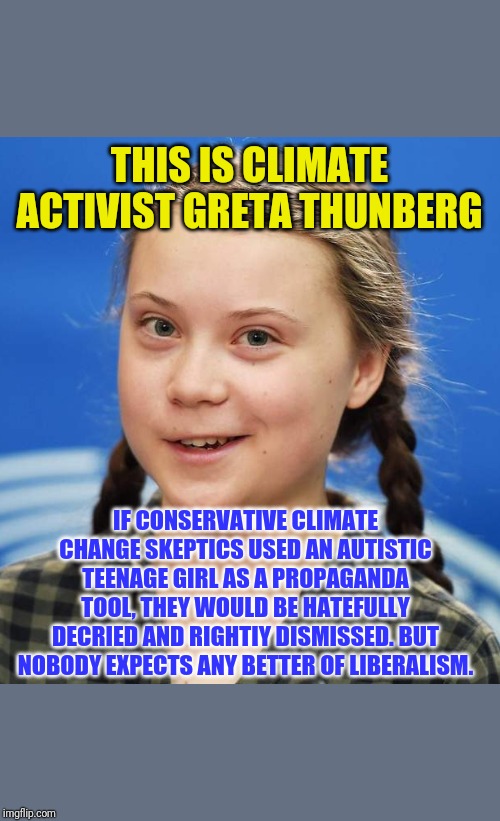
Questioning the Scale:
My engineering mind craves data, meticulously quantified cause and effect. While the scientific consensus leans toward significant human influence on climate change, I find myself pondering the degree of that influence. How much of the observed warming stems from our carbon footprint, compared to natural cycles like solar activity? Can we definitively isolate these factors, or are they inextricably intertwined?
Modeling the Future:
Climate models play a crucial role in predicting future scenarios, yet their intricate algorithms leave me with a healthy dose of respectful skepticism. These models are powerful tools, but like any tool, they have limitations. Can we refine them to account for regional nuances and unexpected feedback loops? What are the margins of error, and how do they impact our understanding of the crisis?
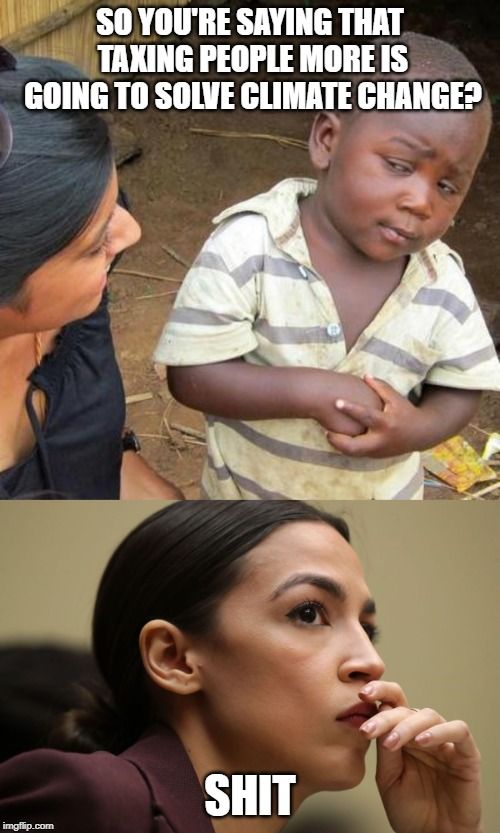
Beyond the Green Hype:
As an engineer, I’m acutely aware of the economic realities tied to any large-scale action. While tackling climate change is unquestionably essential, I can’t help but scrutinize the proposed solutions. Can we design policies that balance emission reduction with economic stability and social justice? Are there unintended consequences we haven’t fully considered?
Urgency Amidst Inquiry:

My skepticism in no way minimizes the gravity of the situation. The evidence for a warming planet is irrefutable, and the potential consequences are dire. Even as I wrestle with unanswered questions, I recognize the need for immediate action. Perhaps the most crucial step is to foster open dialogue, where inquiry fuels progress, not hinders it.

The disconnect between their public pronouncements and private actions in Climate Change, is indeed a major challenge in addressing this critical issue.
Here are some specific examples of this hypocrisy:
- Flying in private jets: Private jets emit an enormous amount of carbon dioxide per passenger, making them a major contributor to climate change. Yet, many celebrities, business leaders, and even some politicians who advocate for climate action frequently use them for personal travel.
- Buying beachfront property: Rising sea levels due to climate change threaten coastal communities around the world. However, some wealthy individuals are purchasing luxurious beachfront properties, putting themselves at risk while contributing to the problem.
- Accepting funds from fossil fuel companies: Many organizations and individuals who publicly call for action on climate change are funded by fossil fuel companies, creating a conflict of interest and potentially influencing their advocacy efforts.
- Exploiting resources in developing countries: Wealthy nations often extract resources from developing countries, contributing to environmental degradation and leaving poorer communities to bear the brunt of the consequences.
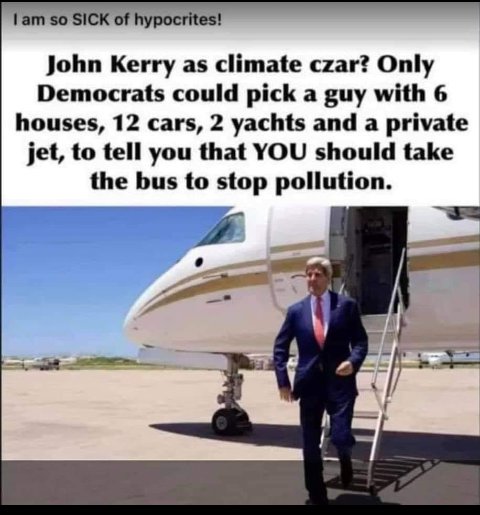
This hypocrisy is problematic for several reasons:
- It undermines public trust: When people see those in positions of power and influence not practicing what they preach, it erodes trust in their commitment to addressing climate change.
- It slows down progress: The inaction of wealthy individuals and corporations can make it more difficult to achieve the necessary collective action to address climate change.
- It disproportionately impacts the poor: The consequences of climate change are often felt most acutely by people in developing countries who have fewer resources to cope with the impacts.
So, what can be done to address this hypocrisy?
- Hold wealthy individuals and corporations accountable: Public pressure and scrutiny can play a role in encouraging them to change their behavior.
- Support policies that address inequality and environmental injustice: Policies such as carbon taxes and regulations on greenhouse gas emissions can help to level the playing field and ensure that everyone is contributing to the solution.
- Promote individual action: Even small changes in our own lifestyles can make a difference.
It’s important to remember that addressing climate change is a global challenge that requires everyone to play their part. By calling out hypocrisy and working together to find solutions, we can create a more just and sustainable future for all.
To close
“While issues like ESG, DEI, and climate change deserve our utmost attention, they cannot be reduced to mere political pawns. Cherry-picked data and narrow narratives only serve to distract from the true complexities and push the real solutions to the back burner. These issues belong to everyone, not just a select few. Let’s reclaim the conversation, challenge the narratives, and work together to build a future where progress isn’t hijacked, but shared and celebrated. Let’s not let the might make right in the face of these critical challenges. Together, we can ensure that these issues are not used to divide, but to unite us in creating a more just and sustainable world.”
Karthik
14th Jan 2024, 1500 Hrs.
Wishing every one a Happy Pongal.

 Health, Environment, Safety, Sustainability (HESS)