

“Miracle on the Hudson: Commending Courage, Response Excellence, and Investigative Validation in 208 Seconds”
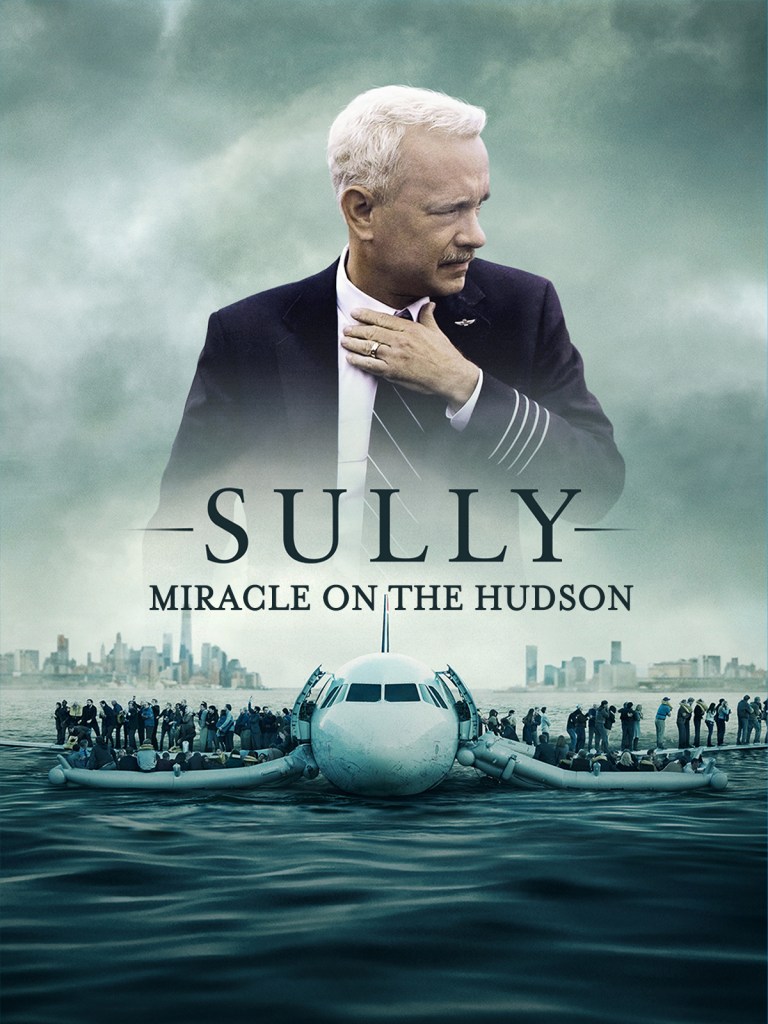
Summary:The Miracle on the Hudson was caused by a bird strike shortly after takeoff from New York City’s LaGuardia Airport. The aircraft, US Airways Flight 1549, collided with a flock of Canada geese, resulting in both engines losing power. With limited altitude of 2800 Feet, and facing the prospect of engine failure, Captain Chesley “Sully” Sullenberger made the quick and critical decision to perform an emergency landing on the Hudson River. His swift actions, along with the professionalism of the crew and the response from first responders, ultimately averted a potential disaster, showcasing the importance of skilled pilots and effective emergency procedures in the face of unforeseen challenges. All 155 passengers and crew, were rescued and Sully was the last one to come out of the aircraft.

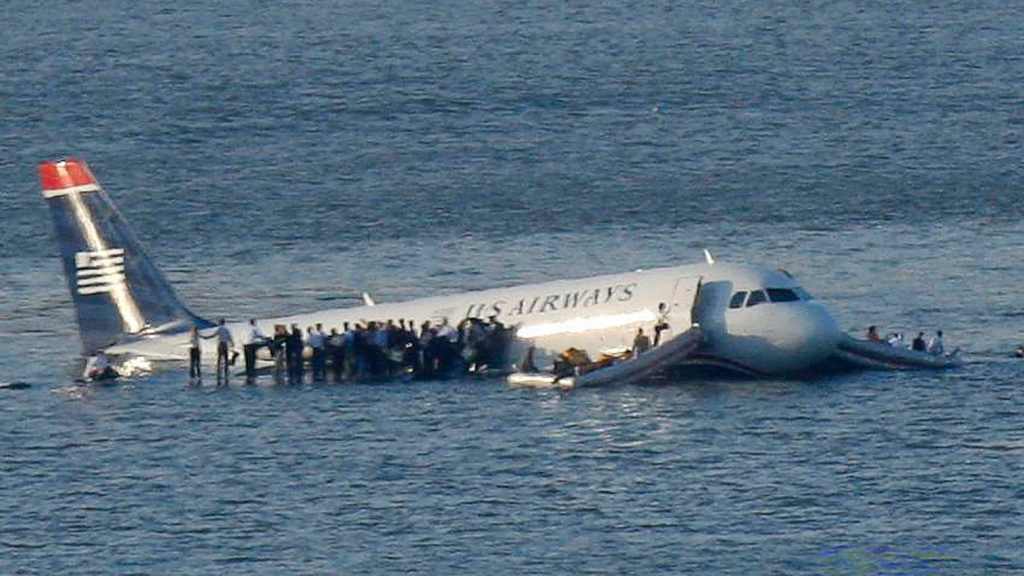
Introduction: Fifteen years ago,on 15th January 2009, ( It is now 2200Hrs ,15th Jan in San Francisco CA) on this chilly January afternoon, the world witnessed a miracle in the skies. US Airways Flight 1549, under the capable hands of Captain Chesley “Sully” Sullenberger and First Officer Jeffrey Skiles, made an emergency landing on the Hudson River. As we reflect on this event, it’s crucial to commend the extraordinary efforts of the crew, the swift response from the first responders, and the investigative validation that Captain Sullenberger indeed made the right decisions in a mere 208 seconds. US Airways Flight 1549 was scheduled to fly from New York City’s LaGuardia Airport (LGA) to Charlotte Douglas International Airport (CLT) in North Carolina. The flight had a total of 155 people on board, including 150 passengers and 5 crew members. The aircraft, an Airbus A320, encountered a bird strike shortly after takeoff, leading to the emergency landing on the Hudson River.
Appreciating the Crew: In the face of a potential disaster, Captain Sullenberger and First Officer Skiles showcased unparalleled skill and composure. Their decisive actions in executing an emergency landing on water demonstrated the culmination of rigorous training and unwavering commitment to passenger safety. This incident highlights the critical role competent and well-trained crews play in ensuring the best possible outcomes in emergency situations.
Evacuation Excellence: The evacuation that followed was nothing short of remarkable. In a mere four minutes, passengers and crew were safely evacuated from the partially submerged aircraft. This swift and efficient evacuation, despite the frigid conditions, owes much to the crew’s preparedness and the coordinated efforts of everyone involved. It underscores the importance of regular emergency drills and the need for passengers to be familiar with evacuation procedures.
First Responders’ Heroic Efforts: The first responders, including rescue boats, ferries, and emergency services, from New York and New Jersey, played a pivotal role in ensuring a rapid and organized evacuation. Their response within minutes of the emergency landing showcased the importance of a well-coordinated and highly responsive emergency services system. The cold January waters didn’t deter their dedication to the safety of those on board, and their efforts undoubtedly saved lives.
Investigative Validation: The subsequent investigations into the Miracle on the Hudson incident not only confirmed the crew’s actions were appropriate but also highlighted the right decisions made by Captain Sullenberger in a mere 210 seconds. The rarity of direct engagement with the captain and first officer by investigative authorities underscores the unique circumstances of this incident. The thorough analysis by aviation experts and regulatory authorities underscored that the emergency landing in the Hudson River was the only viable option given the circumstances. This validation not only reaffirms the crew’s competence but also contributes to the continuous improvement of safety standards in aviation.
Legacy in Safety: The Miracle on the Hudson left an indelible mark on aviation safety. Post-incident investigations led to valuable insights, contributing to improvements in safety protocols and emergency response strategies. The incident serves as a constant reminder of the need for continuous improvement and adaptation of safety measures in the aviation industry.
Conclusion: As we commemorate the 15th anniversary of the Miracle on the Hudson, let us express our heartfelt gratitude to Captain Sullenberger, First Officer Skiles, and the entire crew for their exceptional professionalism in those critical 210 seconds. Equally, our deepest appreciation goes to the first responders who demonstrated courage and efficiency in the face of adversity. Their collective efforts on that fateful day, coupled with investigative validation, serve as a testament to the importance of preparedness, training, and coordinated response in ensuring the safety of individuals in the face of unforeseen challenges.
The Miracle on the Hudson incident led to several key recommendations and learnings in the aviation industry. Some of the notable ones include:
- Enhanced Bird Strike Mitigation:
- Recommendations focused on improving bird strike mitigation strategies, including enhanced bird radar systems and wildlife management around airports.
- Pilot Training for Emergency Scenarios:
- Emphasis on pilot training for emergency scenarios, ensuring that flight crews are well-prepared to handle unexpected situations, such as engine failures due to bird strikes.
- Improvements in Aircraft Design:
- The incident prompted a closer examination of aircraft design and engine capabilities to withstand bird strikes, leading to potential improvements in design and materials. Both Engines were completly damaged beyond repair with vanes shattered.
- Cockpit Resource Management:
- Recognition of the importance of effective cockpit resource management and communication among the flight crew during high-stress situations, emphasizing teamwork and decision-making.
- Water Evacuation Procedures:
- Review and enhancement of water evacuation procedures, taking into account the unique challenges posed by emergency landings on water, especially in cold conditions.
- First Responder Coordination:
- Acknowledgment of the critical role played by first responders and recommendations for continued coordination and training to ensure rapid and effective responses in emergency situations.
- Post-Incident Mental Health Support:
- Recognition of the potential psychological impact on the flight crew and passengers, leading to recommendations for post-incident mental health support and counseling.
- Communication and Collaboration with Regulatory Authorities:
- Encouragement for effective communication and collaboration between airline operators, pilots, and regulatory authorities to share insights and implement safety improvements.
These recommendations and learnings contributed to ongoing efforts to enhance aviation safety standards, emergency response procedures, and the overall resilience of the industry to unforeseen challenges.
+++++++
Captain Chesley “Sully” Sullenberger and his crew received numerous honors and recognitions for their bravery and exceptional handling of the Miracle on the Hudson incident. Some notable accolades include:

- The Master’s Medal from the Guild of Air Pilots and Air Navigators:
- Captain Sullenberger was awarded The Master’s Medal, the highest award given by the Guild of Air Pilots and Air Navigators, in recognition of his exceptional piloting skills.
- The French Legion of Honour:
- The French government awarded Captain Sullenberger and First Officer Jeffrey Skiles the Legion of Honour, one of France’s highest decorations, for their outstanding airmanship and saving all on board.
- The Top Honor from the Air Line Pilots Association International (ALPA):
- Captain Sullenberger received ALPA’s highest honor, the Superior Airmanship Award, in acknowledgment of his extraordinary skill and leadership during the emergency landing.
- The American Spirit Award:
- The American Red Cross honored Captain Sullenberger and his crew with the American Spirit Award for their courage and commitment to saving lives.
- Keys to the Cities:
- Various cities, including New York and Charlotte, awarded Captain Sullenberger and his crew with keys to the cities as a symbolic gesture of appreciation.
- Congressional Recognition:
- Captain Sullenberger and the crew were recognized by the United States Congress for their heroic actions in a joint resolution that commended their professionalism and life-saving efforts.

Neil Armstrong (R) presents “Neil Armstrong Medal of Excellence” to Sully at Purdue University. Uty. President Ms. Cordova is at Left.
These honors reflect the widespread recognition and gratitude for Captain Sullenberger and his crew’s exceptional airmanship and their role in ensuring the safety of all those on board Flight 1549.
Karthik
16th Jan 2024.
1145am.
PS: Can we Get Serious???? Clip from Movie. (These investigations can make you wish you rather died in crash!!)….! ”Cactus is airsign code for US Airways”
Simulation of actual Incident (Cockpit Voice Recorder)


 Health, Environment, Safety, Sustainability (HESS)