

#150
Title: Navigating the Work Terrain: A Guide to Spotting and Avoiding Toxic Workplaces

Introduction:
As I embark on my 150th blog post, my intention was to delve into a more positive topic. However, the current landscape, marked by a surge in mental health challenges, has compelled me to address a pressing issue – the toxic workplace. In a world where mental health discussions are gaining prominence, I find myself pondering whether the toxicity that pervades certain work environments is a significant contributor to the rising mental health concerns.

Recent headlines in Indian newspapers questioning the inclusion of mental health issues in employee/personal health insurance plans underscore the gravity of the situation. It led me to consider whether toxic workplaces play a role in the escalating mental health crisis. A poignant incident within my extended family, where a family member had to take a leave of absence due to mental health issues triggered by a toxic work culture, serves as a stark reminder of the urgency to address this matter.
For many of us who have navigated the corporate realm for close to four decades, issues like office politics and toxic workplaces were not as prevalent in our earlier years. The increasing visibility of these challenges serves as a wake-up call, prompting me to share insights on recognizing and steering clear of toxic workplaces even before accepting a job offer. It’s a proactive approach, ethical in its essence, aimed at helping individuals safeguard their mental well-being in the professional sphere.
Join me in this exploration as we uncover the signs, assess the red flags, and empower ourselves to make informed decisions during the interview process and other ways. Let’s embark on a journey towards healthier work environments, fostering not only professional growth but also the mental resilience of every individual entering the corporate arena.
Oh, Yes, I did have a toxic workplace exposure in the very late 1980s, I was warned by my contractor friend about this company.I ignored his warning and took up the job (200 Miles away). 5 months later, I Boomeranged.
+++++
Toxic work culture is characterized by harmful behaviors, practices, and attitudes that adversely affect employees’ well-being and job satisfaction. Key aspects include:
- Poor Leadership: Authoritarian or ineffective management that doesn’t support or communicate well.
- Lack of Transparency: Hidden agendas, unclear expectations, and a lack of open communication.
- High Turnover: A revolving door of employees due to dissatisfaction or burnout.
- Bullying or Harassment: Unhealthy behaviors among colleagues or superiors.
- Excessive Workload: Unrealistic expectations leading to stress and burnout.
- Limited Growth Opportunities: Stagnation in career development and learning.
- Discrimination: Unfair treatment based on race, gender, or other factors.
- Micromanagement: Excessive control over employees’ work, limiting autonomy.
- Unhealthy Competition: Fostered by a cutthroat environment rather than teamwork.
- Ignoring Mental Health: Neglecting the mental well-being of employees.
Addressing these issues can help create a healthier work environment.
Several factors contribute to the increase in toxic work culture in the last decade or so.
- Increased Competition: Intense competition in the business world can lead to organizations prioritizing results over employee well-being, fostering a toxic environment.
- Focus on Short-Term Goals: Companies often prioritize short-term financial gains, neglecting the long-term impact on employee satisfaction and mental health.
- Rapid Technological Changes: Constant technological advancements can create stressful work environments as employees struggle to keep up with changes.
- Globalization: Multinational corporations may face challenges in maintaining a consistent positive culture across diverse locations, leading to disparities and dissatisfaction.
- High Employee Expectations: Rising expectations from employees, coupled with high competition for jobs, can create stressful environments where employers may exploit the situation.
- Social Media and Awareness: Increased visibility of workplace issues through social media and heightened awareness have brought attention to previously overlooked problems.
- Lack of Regulation: In some industries, inadequate regulations or enforcement may contribute to unethical practices and toxic cultures.
While communication channels may contribute to uncovering issues, the root causes often lie in broader organizational and societal trends.
+++++++++++

To assess a potential workplace for toxicity during the interview process, consider the following:
- Ask About Company Values: Inquire about the company’s values and mission to gauge alignment with your own principles.
- Question Leadership Style: Ask about the leadership approach and how they support employee well-being and growth.
- Discuss Work-Life Balance: Inquire about expectations regarding working hours and the organization’s stance on work-life balance.
- Probe for Feedback Mechanisms: Ask about how the company collects and acts upon employee feedback, ensuring an open and responsive culture.
- Research Company Reputation: Check online reviews, testimonials, and employee experiences on platforms like Glassdoor for insights.
- Explore Training and Development: Inquire about opportunities for skill development and career advancement to gauge commitment to employee growth.
- Ask About Employee Turnover: While not directly, subtly inquire about employee retention rates to understand if there’s a high turnover.
- Evaluate Communication Style: Assess how transparent and open the communication channels are within the organization.
- Inquire About Team Dynamics: Ask about team collaboration and dynamics to understand if it’s a supportive environment.
- Assess Interviewer’s Attitude: Pay attention to the interviewer’s demeanor and how they respond to questions about company culture; it can provide insights.
Remember, gut feelings during the interview can also be telling. If something doesn’t feel right, it might be worth exploring further or reconsidering.
+++++
In a couple of instances during the interview process, specifically with top-notch global entities in 2003 (coinciding with the India vs. Pakistan World Cup cricket match) and in 2013 with the leading Indian Petrochemical company, certain red flags surfaced. Despite their esteemed reputation, my experiences left me with a sense of disquiet. In the case of the petrochemical giant, they hurriedly arranged an interview within 24 hours of my initial contact, and the aftermath can best be described in the words of my former Honeywell boss, Anthony, who would often refer to it as a “stunned silence.” Recognizing these signs, I promptly decided that pursuing opportunities with such organizations wasn’t worth the time investment and opted not to follow up. These personal encounters underscore the significance of being attuned to potential indicators of a toxic workplace during the interview phase. Let’s delve into the reasons behind these observations.
- Late for Interview/Unapologetic: Lack of punctuality and unapologetic behavior may suggest a disregard for others’ time and a lack of respect, which can contribute to an unpleasant work culture.
- Lack of Focus in Interview: If the interviewer seems disinterested or distracted, it could imply a lack of commitment to hiring the right fit or a general apathy toward employees.
- Failure to Provide Basic Amenities: A workplace that doesn’t prioritize basic needs like breaks, lunch, and access to refreshments may not prioritize employee well-being, a key element in a healthy work culture.
Additionally, look for these tell tale signs:-

Here are signs of a poor interviewer that may expose a toxic workplace during a job interview:
- Lack of Preparation:
- Poorly prepared interviewers might indicate disorganization within the company or a lack of commitment to hiring the right talent.
- Negative Demeanor:
- An interviewer displaying a consistently negative or dismissive attitude could be reflective of a broader toxic culture within the organization.
- Unprofessional Behavior:
- If the interviewer is disrespectful, interrupts frequently, or exhibits unprofessional conduct, it may suggest a lack of respect for employees.
- Avoidance of Questions:
- Interviewers who avoid answering your questions or provide vague responses may indicate a reluctance to share crucial information about the work environment.
- Inability to Describe Company Culture:
- A poor interviewer might struggle to articulate the company’s culture, values, or mission, signaling a potential lack of clarity or alignment within the organization.
- Limited Information About Role:
- If the interviewer cannot provide a comprehensive overview of the role, responsibilities, and expectations, it may indicate organizational disarray.
- Failure to Address Concerns:
- If your concerns about work-life balance, team dynamics, or professional development are dismissed or downplayed, it could be a red flag.
- Disinterested in Your Goals:
- An interviewer who shows no interest in your career goals or growth aspirations may reflect a lack of investment in employee development.
- High Turnover Acknowledgment:
- If the interviewer acknowledges high turnover without offering valid explanations or solutions, it may be indicative of a problematic work environment.
- Rushing Through the Interview:
- An interviewer rushing through the process without allowing time for your questions or discussions may imply a disregard for the candidate experience or a need to fill positions urgently.
Remember, these signs should be considered collectively, and it’s essential to trust your instincts during the interview process. Additonally,these signs, might signal that the organization doesn’t prioritize a positive and supportive work environment. It’s essential to consider these cues alongside other aspects when evaluating a potential employer.
+++++++

The leadership style directly influences the work culture, and a toxic leadership style can contribute to a toxic workplace. Try to probe as much as possible on these aspects thro Interview interactions/ Website/ Ex-Employees etc. Here is the connection:-
- Authoritarian Leadership: Leaders who are overly controlling, make decisions without input, and stifle creativity can create a culture of fear and frustration.
- Lack of Communication: If leaders don’t communicate effectively, leaving employees in the dark about decisions and changes, it can lead to confusion and a sense of distrust.
- Micromanagement: Overly controlling leaders who don’t trust their teams can create an oppressive atmosphere, hindering autonomy and innovation.
- Failure to Address Issues: Leaders who ignore or downplay problems, including workplace conflicts or employee concerns, contribute to an unhealthy work environment.
- Unfair Treatment: Leaders who show favoritism, discriminate, or allow bullying without consequences foster a toxic culture of inequality.
- Inconsistent Expectations: Leaders with unclear expectations or those who change goals frequently can create stress and uncertainty among employees.
- Lack of Support: Leaders who don’t support professional growth or provide resources for employee well-being contribute to dissatisfaction and burnout.
Leadership sets the tone for the entire organization, influencing how employees interact and perform.
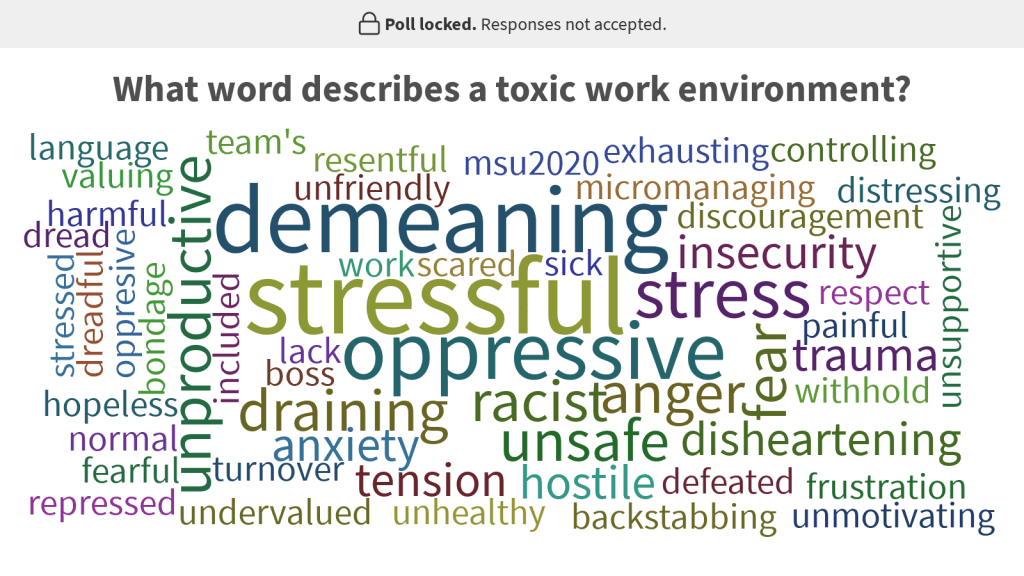
Further in a toxic workplace:
- Employee Well-being:
- Neglect of Mental Health: Lack of support for mental health issues and a disregard for the well-being of employees.
- Inadequate Work-Life Balance: Pressure to work long hours without consideration for personal time.
- Absence of Well-being Programs: Lack of initiatives such as counseling, stress management, or wellness activities.
- Communication Channels:
- Lack of Transparency: Incomplete or misleading communication about company decisions and policies.
- Poor Feedback Mechanism: Absence of constructive feedback channels, making it difficult for employees to express concerns.
- Ineffective Communication: Leaders who fail to communicate effectively, leading to misunderstandings and confusion.
- Job Expectations and Roles:
- Unclear Expectations: Employees may struggle with undefined roles and responsibilities, causing stress and frustration.
- Mismatched Job Descriptions: Roles that don’t align with the advertised job descriptions can lead to dissatisfaction.
- Limited Growth Opportunities: Stagnation in career development due to a lack of opportunities or support.
In a toxic workplace, these factors contribute to a negative atmosphere, impacting employee morale and productivity. Dig deep on these key factors.
+++++++++++
To avoid selecting a toxic workplace:
- Research Company Culture:
- Look for employee reviews on platforms like Glassdoor for insights.
- Investigate the company’s values, mission, and work culture through official channels.
- Ask Questions During Interviews:
- Inquire about leadership styles, employee well-being programs, and career development opportunities.
- Question the interviewer about the company’s approach to work-life balance.
- Network with Current or Former Employees:
- Connect with current or former employees to get a more candid perspective on the workplace.
- Trust Your Instincts:
- Pay attention to your gut feeling during the interview process; if something feels off, it might be worth exploring further.
If you find yourself in a toxic workplace:
- Establish Boundaries:
- Clearly define your work hours and communicate them to colleagues to maintain a healthy work-life balance.
- Seek Support:
- Connect with colleagues who share similar values and can provide emotional support.
- Document Issues:
- Keep a record of problematic incidents, conversations, or behaviors for future reference.
- Utilize Company Resources:
- If available, utilize employee assistance programs, counseling services, or internal support mechanisms.
- Consider Leaving:
- If the toxicity persists and affects your well-being, consider exploring other job opportunities.
Remember, your well-being is crucial, and it’s okay to prioritize your mental health.
+++++++++++++++++

+++++
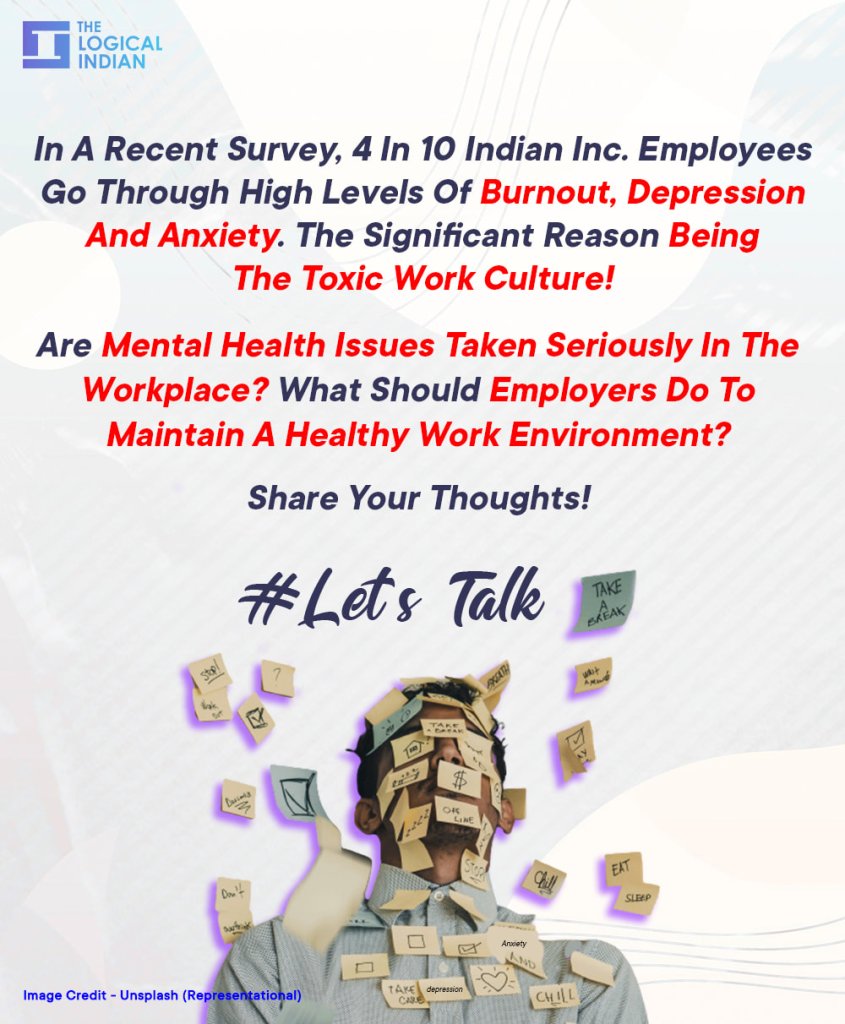
In the Indian context, where power distances are often high and leaders’ egos can play a significant role, toxic work culture can have distinct and pronounced effects. Here’s how it manifests and these are tell tale signs. (My count is 90% Indian companies without overseas colloboration / Non Indian Managers, would fit this slot like glove to hand!)
- Fear-Based Environment:
- High power distances may lead to a fear-based work environment where employees are hesitant to express their opinions or raise concerns, contributing to a culture of silence.
- Limited Open Communication:
- Employees may be reluctant to communicate openly with superiors due to the fear of repercussions, hindering the free flow of information and ideas within the organization.
- Lack of Collaboration:
- Excessive ego and a hierarchical structure can impede collaboration among team members, as individuals may be hesitant to challenge or contribute ideas contrary to those of their superiors.
- Unhealthy Competition:
- A toxic work culture may foster unhealthy competition among employees, fueled by the desire to gain favor with leaders rather than genuine teamwork.
- Impact on Mental Health:
- The fear of challenging authority or expressing concerns can lead to stress and anxiety among employees, negatively impacting their mental health.
- Limited Innovation:
- In an environment dominated by high power distances and ego, innovation may suffer as employees may be hesitant to propose new ideas or challenge existing norms.
- Decreased Employee Engagement:
- A toxic work culture can lead to disengagement among employees, as they may feel undervalued or unsupported in their professional growth.
- Retention Challenges:
- Employees may be more likely to leave the organization in search of a healthier work environment, leading to retention challenges for companies with toxic cultures.
- Resistance to Change:
- High power distances and strong leadership egos can result in resistance to change, as employees may be resistant to adopting new practices or challenging established norms.
- Negative Organizational Reputation:
- A toxic work culture can contribute to a negative organizational reputation, making it challenging to attract and retain top talent in the long run.
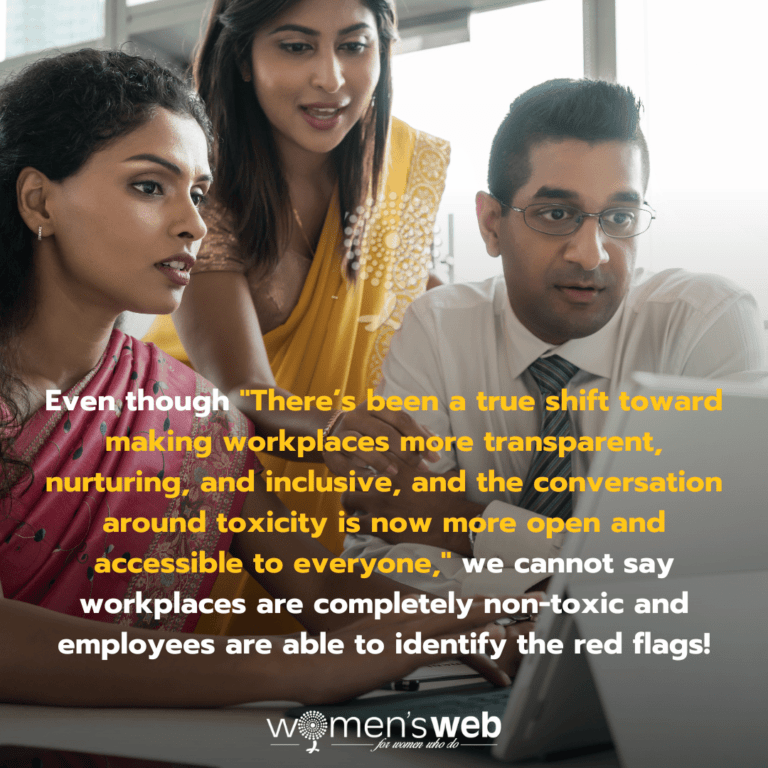
In navigating a toxic work culture in India, addressing these challenges may require a combination of cultural awareness, leadership development, and a commitment to fostering a more inclusive and supportive professional environment.

Conclusion: Navigating Towards Healthier Horizons
As we draw the curtains on this exploration of recognizing toxic workplaces during job interviews, it becomes evident that our journey towards a positive work environment begins with the first interaction. The signs of a poor interviewer can often serve as early warnings, guiding us away from potential toxic terrains.
Armed with insights into red flags and armed with questions that uncover the true nature of a workplace, we empower ourselves to make informed decisions. The mission is not merely to secure a job but to find a professional home that nurtures growth, supports well-being, and fosters a positive mindset.
Let this knowledge serve as a shield, a tool that not only safeguards against toxic workplaces but also contributes to the collective effort of creating healthier work environments. As we strive for a more conscious and compassionate professional world, may every job interview become an opportunity not just for securing employment but for promoting mental resilience and fostering a culture of respect and collaboration.
Here’s to a future where the interview room is not just a gateway to a job but a portal to a workplace where individuals thrive, organizations prosper, and the collective spirit of professional well-being prevails.
Safe journeys and best wishes on your quest for a workplace that resonates with your values and aspirations.
Karthik
1/1/24
Image copyright duly acknowledged as owners’!

 Health, Environment, Safety, Sustainability (HESS)