

#155

Exploring the World of Holics: Understanding and Overcoming Addictive Behaviors
Today, let’s dive into the fascinating world of “holics” – those addictive behaviors that can impact our lives in various ways. From the familiar struggles of alcoholism and workaholism to the lesser-known realms of shopaholics and chocoholics, we’ll explore the reasons behind these behaviors and discuss strategies for overcoming them.
In this blog post, we’ll take a closer look at each type of “holic,” examining why they do what they do and offering practical tips for curbing or reducing these habits. Whether it’s finding balance in our work-life dynamic, managing stress without turning to excessive shopping, or indulging in our favorite treats in moderation, there’s something here for everyone.
So, whether you’re personally grappling with these challenges or simply curious about the psychology behind addictive behaviors, join on this journey as we uncover insights, share experiences, and empower each other to lead happier, healthier lives. Let’s navigate the world of “holics” together and discover the path to greater self-awareness, balance, and fulfillment. Are you ready? Let’s get started!
+++++++
Besides alcoholics and workaholics, there are a few other “holics” that can affect people’s lives:
- Shopaholics: These folks have a compulsive urge to shop, often resulting in financial issues and cluttered homes.
- Chocoholics: A fun one, but excessive consumption of chocolate can lead to health problems like obesity and diabetes.
- Gadgetaholics: Obsessed with the latest gadgets and technology, they might overspend and neglect other aspects of life.
- Narcissaholics: People who are excessively self-centered and crave attention and admiration can strain relationships and hurt others.
- Workoutaholics: While exercise is great, too much can lead to injuries and neglect of other important aspects of life.
It’s essential to find a balance in everything we do to maintain a healthy and fulfilling life.
++++
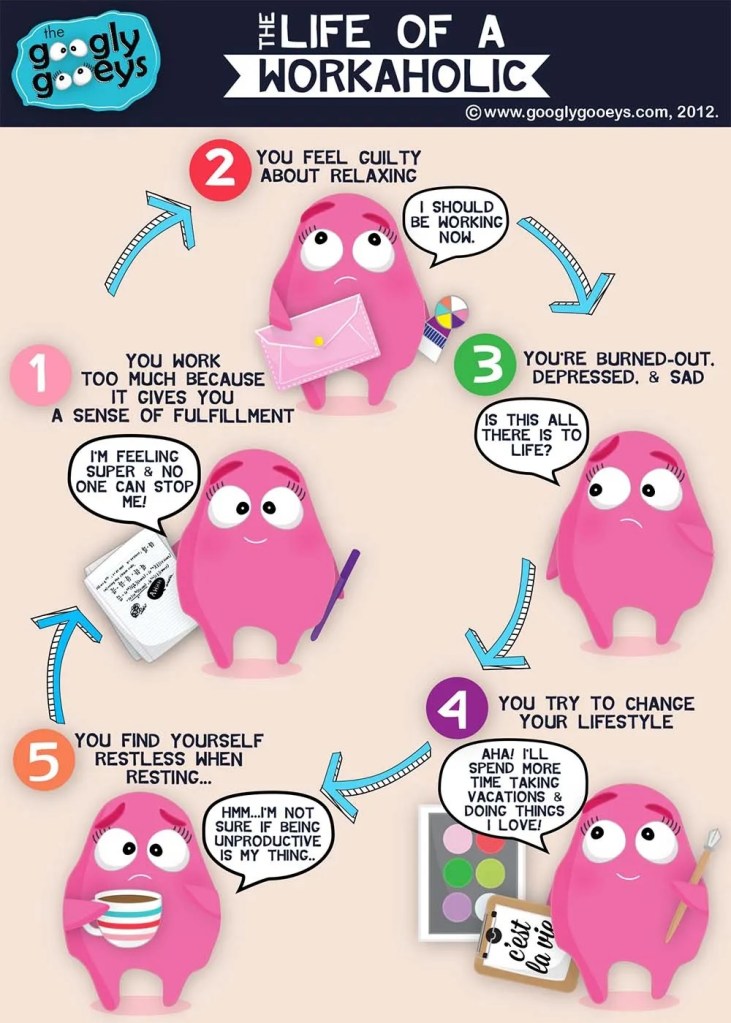
Workaholics are individuals who are excessively devoted to their work and often prioritize it over other aspects of life, such as family, relationships, and personal well-being. This behavior can stem from various factors:
- Personal drive or ambition: Some people are inherently driven to succeed and may become consumed by their work in pursuit of their goals.
- Job insecurity: Fear of losing one’s job or not meeting expectations can drive individuals to overwork.
- High-pressure work environments: Industries or professions with intense competition and demanding workloads can foster a culture of overworking.
- Escapism: For some, throwing themselves into work excessively might be a way to avoid dealing with personal issues or emotional challenges.
To overcome workaholism, individuals can take several steps:
- Self-awareness: Recognizing and acknowledging the problem is the first step towards change.
- Setting boundaries: Establishing clear boundaries between work and personal life, such as limiting work hours and dedicating time to hobbies and relationships.
- Seeking support: Talking to friends, family, or a therapist can provide emotional support and guidance.
- Prioritizing self-care: Making time for relaxation, exercise, and hobbies is crucial for maintaining overall well-being.
- Reevaluating priorities: Reflecting on values and goals outside of work can help individuals regain perspective on what truly matters to them.
Organizations and families can also play a role in helping individuals overcome workaholism:
- Promoting work-life balance: Encouraging employees to take breaks, use vacation time, and prioritize self-care can create a healthier work environment.
- Providing resources: Offering resources such as employee assistance programs or counseling services can support individuals struggling with workaholism.
- Leading by example: Managers and leaders who prioritize work-life balance and model healthy behavior can inspire others to do the same.
- Open communication: Creating a culture where employees feel comfortable discussing workload and stress can help identify and address issues before they escalate.
- Encouraging hobbies and interests: Supporting employees in pursuing hobbies and interests outside of work can help them find fulfillment beyond their professional lives.
Ultimately, overcoming workaholism requires a combination of self-awareness, support from others, and a commitment to prioritizing well-being.
+++

Alcoholism and drug addiction are indeed significant global issues, and they often go hand in hand. Over past few years, women employees are also undergoing this issue. To address these challenges, several approaches can be taken:
- Education and Awareness: Providing comprehensive education about the risks and consequences of alcohol and drug abuse is crucial. This includes information about addiction, health effects, and available resources for support and treatment.
- Prevention Programs: Implementing prevention programs in schools, communities, and workplaces can help raise awareness and teach coping skills to resist peer pressure and manage stress without turning to substance abuse.
- Access to Treatment: Ensuring access to affordable and effective treatment options, including counseling, therapy, and medication-assisted treatment, is essential for individuals struggling with addiction.
- Supportive Communities: Creating supportive communities and networks, such as support groups like Alcoholics Anonymous and Narcotics Anonymous, can provide individuals with encouragement, accountability, and guidance on the path to recovery.
- Addressing Underlying Issues: Recognizing and addressing underlying factors contributing to substance abuse, such as trauma, mental health disorders, or socioeconomic challenges, is crucial for successful treatment and recovery.
- Empowering Women: Acknowledging the unique challenges faced by women in the developing world regarding substance abuse and providing tailored interventions and support services can help address gender-specific barriers to treatment and recovery.
- Reducing Stigma: Combatting the stigma associated with addiction is essential to encourage individuals to seek help without fear of judgment or discrimination. Promoting empathy and understanding can foster a more supportive environment for those struggling with addiction.
By implementing a combination of these strategies and prioritizing collaborative efforts among governments, communities, healthcare providers, and individuals, progress can be made in addressing alcoholism and drug addiction globally, including the specific challenges faced by women in the developing world.
I recollect fighting tooth and nail with my corporate global audit team (Swiss) in 1992, when they recommended a finding that, Drug/ Alcohol testing for every employee/ besides surprise breath analyser test. We argued that it is not in Indian culture to take drugs and moreover we are located in a state that Alchohol consumption is prohibhited by law. After discussions at all levels, the finding was withdrawn. Today, in 2024, I need to shut up and take the finding for implementation, considering rampant alcohol and drug abuse at workplace, (Even at 100% female employment workplace, such are state of affairs!)
++
Here’s a brief summary of other Holics as mentioned in introduction:

- Shopaholics: People who compulsively shop often do so to cope with stress, seek validation, or fulfill emotional needs. To curb this habit, they can create a budget, identify triggers, seek support, and find healthier ways to manage emotions.
- Chocoholics: Individuals who crave chocolate excessively may do so due to its mood-enhancing properties. To reduce this habit, they can practice moderation, substitute with healthier alternatives, and address underlying emotional triggers.
- Gadgetaholics: Obsession with gadgets may stem from a desire for novelty, status, or escapism. To curb this habit, individuals can set limits on gadget purchases, prioritize needs over wants, and engage in non-digital activities.
- Narcissaholics: Those who exhibit narcissistic behavior may do so to compensate for low self-esteem or insecurities. To address this, they can cultivate empathy, seek therapy, practice self-reflection, and build healthy relationships based on mutual respect.
- Workoutaholics: Excessive exercise may stem from a desire for control, perfectionism, or body image concerns. To reduce this habit, individuals can vary their workout routine, prioritize rest and recovery, seek balance in other areas of life, and address any underlying psychological issues.

Overall, addressing these habits requires self-awareness, setting boundaries, seeking support, and addressing underlying emotional or psychological factors.
++
Narcissistic traits can indeed manifest in the workplace, impacting relationships and productivity. Here are some common symptoms and strategies for working with narcissistic individuals:
Symptoms:
- Grandiosity: They often exaggerate their achievements and talents, seeking constant admiration and validation from others.
- Lack of Empathy: They may show little empathy or concern for others’ feelings and needs, viewing themselves as superior.
- Manipulative Behavior: They may use manipulation, coercion, or charm to achieve their goals and maintain control.
- Sense of Entitlement: They believe they are entitled to special treatment and may become hostile or defensive when challenged.
- Difficulty Handling Criticism: They may react strongly to criticism or feedback, becoming defensive or dismissive.
Working with Narcissistic Individuals:
- Set Boundaries: Clearly define roles, responsibilities, and expectations to establish boundaries and minimize manipulation.
- Communicate Effectively: Use assertive communication techniques to express needs and boundaries while remaining professional and respectful.
- Focus on Facts: When providing feedback or addressing issues, focus on objective facts and outcomes rather than personal attacks.
- Avoid Power Struggles: Pick your battles and avoid engaging in power struggles or arguments with narcissistic individuals. Stay focused on tasks and objectives.
- Seek Support: If necessary, seek support from colleagues, supervisors, or HR professionals to address challenging situations effectively.
- Manage Expectations: Recognize that you may not be able to change their behavior and focus on managing your own reactions and responses.
By setting clear boundaries, communicating effectively, and focusing on productive interactions, you can navigate working relationships with narcissistic individuals more effectively while minimizing conflict and stress.
++
In conclusion, exploring the realm of “holics” has been both enlightening and empowering. By understanding the underlying reasons behind addictive behaviors and implementing practical strategies for overcoming them, we’ve taken a significant step towards leading more balanced and fulfilling lives.
Remember, change is possible, and small steps can lead to significant transformations. Whether it’s setting boundaries, seeking support, or practicing self-awareness, each action brings us closer to breaking free from the grips of addiction and embracing a life of greater joy and well-being.
Thank you for joining on this journey of exploration and growth. Let’s continue to support and uplift each other as we navigate the complexities of human nature and strive for a brighter, healthier future.
Until next time, stay mindful, stay resilient, and keep shining your light in the world.
Karthik
15th Feb 2024.
PS: (Personal Update, I need to inform too!) Valentine’s day. First time, Lalitha and I celebrated; 60 is a good age to start showing visible, tangible love to your spouse, now that all responsibilities in life, are done and dusted! Ice cream after ages. (Hopefully, not an addiction!). Interesting, I heard of Valentine’s day, first time in 1999, Feb 14th, When I was in Yokohama, Japan. (So 25 years after! to celebrate)…


Lalitha, taking all my crap since 1990…hhahahhahahhahh!!!

 Health, Environment, Safety, Sustainability (HESS)