
Introduction:-
Welcome to this EHS Blog post, where I explore the dynamic intersection of personalities at work and the anticipation of work styles to deliver exceptional results. Over my 27-year EHS corporate journey, (1985-2012)I’ve honed the art of adapting to diverse leadership styles and personalities, understanding that people’s behaviors, actions, expressions, interactions, decision-making, responses, and engagements are often innate and intrinsic across race,culture, continents and ofcourse, gender. I tailored my actions accordingly.
Oh, Yes, I was very lucky very early in my career, I was in a matrix environment with 3 legal entities within one compound wall for a manufacturing setup, thus getting exposed to various types of leadership personalities to adapt my response and deliver EHS results. (1985-1991). While I was not aware at that time, the significance, I could connect those aspects a good decade later when DiSC etc became a tool to adapt responses.
In our pursuit of excellence, we recognize the power of tools like DiSC, which offer valuable insights into personality types. By leveraging DiSC assessments, safety professionals can adeptly tailor their performance strategies to align with the unique traits and preferences of individuals. This approach enables us to optimize safety initiatives, foster collaboration, and ultimately deliver outstanding results.
Join us as we delve deeper into the realm of personality-driven safety management and explore how understanding and adapting to diverse personalities can enhance our effectiveness in ensuring workplace safety.
++++
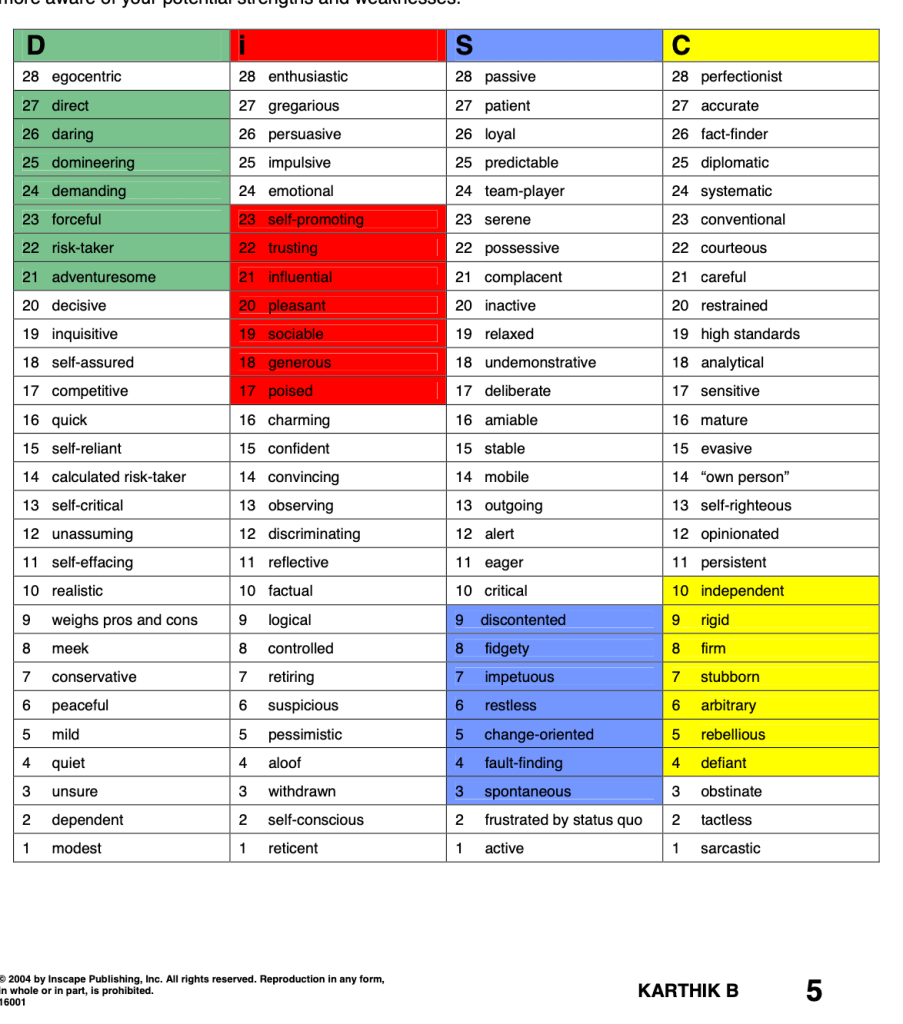
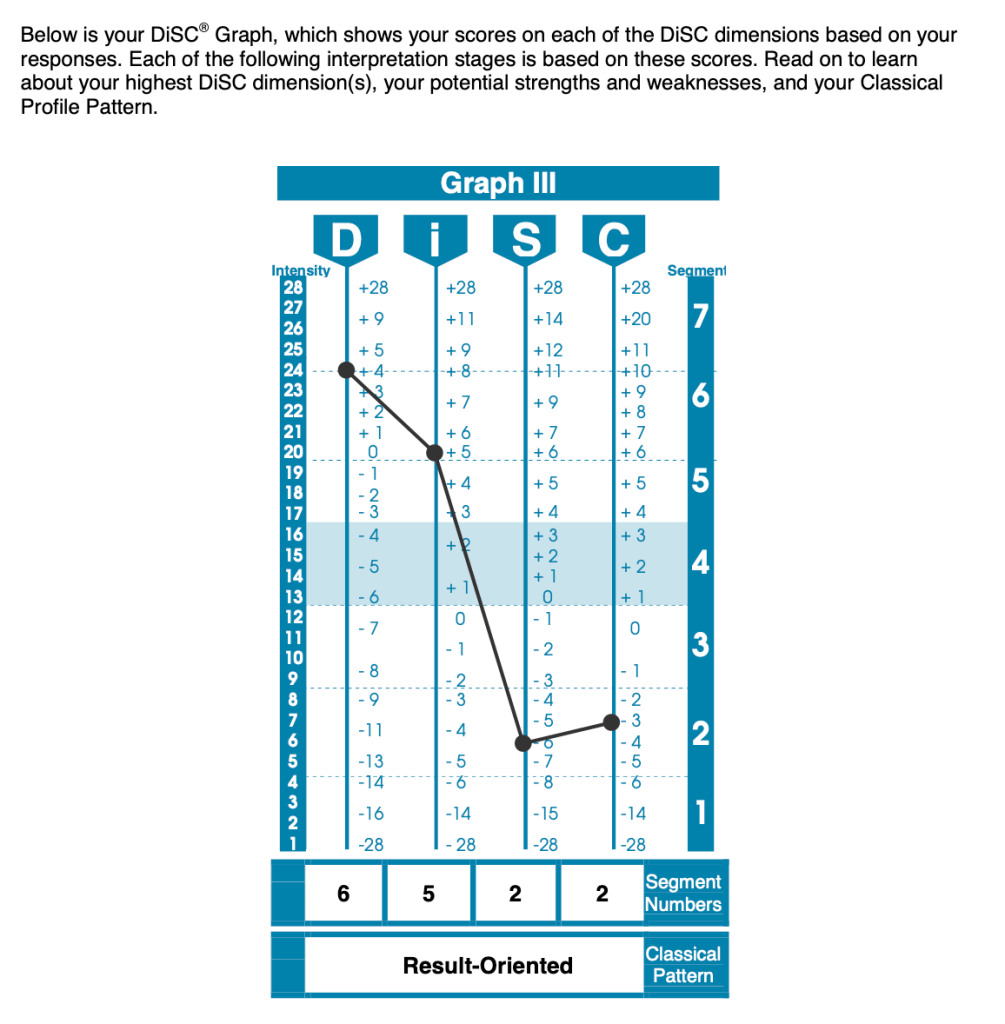
I am using DiSC as example as I had used it all time in my corporate career. ( I am a High “D”.)I always beleive delivering results are all same irrespective of functions in which people are subject matter expert. (Safety, Quality, Operations, Productivity, People, Delivery, Cost!). Also note Every person would have presence of other 3 traits as minor traits.
Overview:-
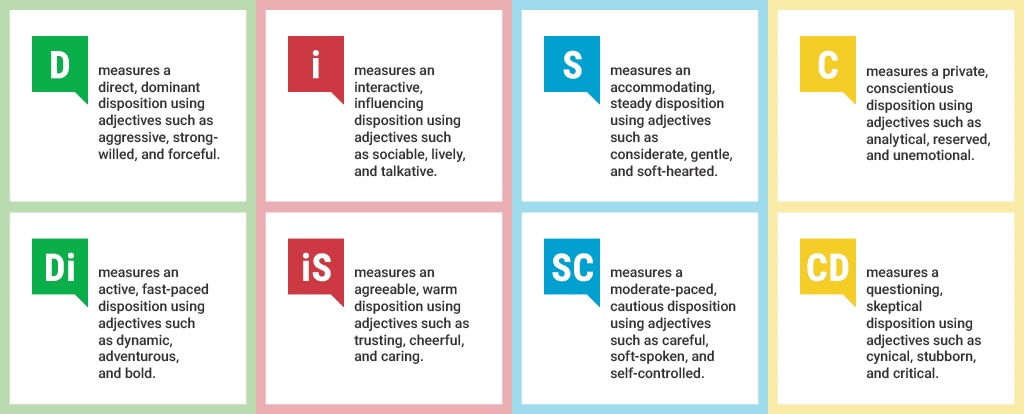
Linking DiSC profiles to safety at work is a fascinating experience. Essentially, understanding people’s personalities can greatly impact safety management and productivity.
For instance, individuals with dominant (D) personalities might be more inclined to take charge of safety procedures, ensuring everyone follows protocols rigorously. They’re assertive and decisive, which can be beneficial in enforcing safety rules and leading by example.
Those with influential (I) personalities are often great motivators. They can promote a positive safety culture by encouraging teamwork, communication, and enthusiasm for safety initiatives. Their outgoing nature can also make safety training sessions more engaging.
Steady (S) personalities prioritize stability and consistency. They’re dependable team members who excel at following established safety procedures and maintaining a safe working environment. Their cautious approach can help prevent accidents by ensuring thorough risk assessments.
Finally, conscientious (C) individuals are detail-oriented and meticulous. They focus on accuracy and precision, which is invaluable in safety-critical tasks such as equipment maintenance and inspections. Their thoroughness can help identify potential hazards and implement effective preventive measures.
By recognizing these personality traits within teams, safety managers can tailor their approach to communication, training, and leadership. This not only enhances safety awareness but also fosters a culture where everyone feels valued and accountable for workplace safety.
So What is DiSC?
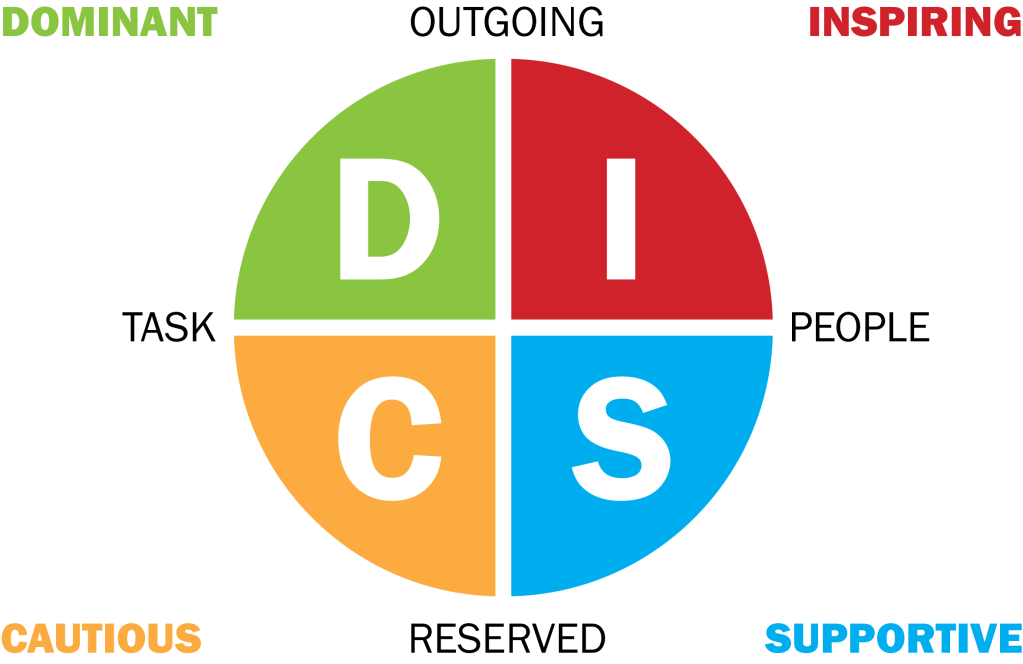
DiSC is a behavioral assessment tool that categorizes individuals into four main personality profiles: Dominance (D), Influence (I), Steadiness (S), and Conscientiousness (C). These profiles provide insights into how people approach tasks, interact with others, and handle challenges in the workplace.
Here’s a quick rundown of each profile:
- Dominance (D):
- Characteristics: Assertive, decisive, results-oriented, and direct.
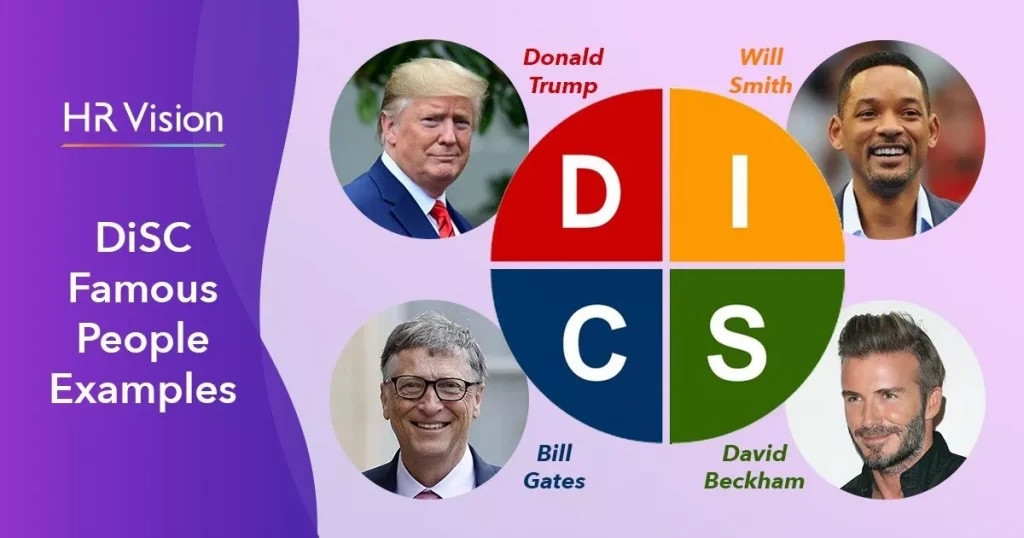
- Famous personalities: Steve Jobs, Elon Musk, Margaret Thatcher.
- Influence (I):
- Characteristics: Outgoing, enthusiastic, persuasive, and sociable.
- Famous personalities: Oprah Winfrey, Bill Clinton, Richard Branson.
- Steadiness (S):
- Characteristics: Patient, dependable, supportive, and consistent.
- Famous personalities: Mother Teresa, Warren Buffett.
- Conscientiousness (C):
- Characteristics: Detail-oriented, analytical, systematic, and cautious.
- Famous personalities: Albert Einstein, Bill Gates, Angela Merkel.
These famous figures exemplify the behavioral tendencies associated with each DiSC profile. Understanding these profiles can help individuals and teams communicate more effectively, collaborate better, and leverage each other’s strengths in various work settings.
In an Indian/ Asian Context DiSC can be tailored for:-While DiSC profiles are universal in their application, the specific names or labels associated with each personality type may vary depending on cultural contexts. Here’s a list of DiSC personalities in an Asian or Indian context:
- Dominance (D):
- Visionary Leader , Assertive Achiever, Strategic Decision Maker
- Influence (I):
- Inspirational Communicator , Charismatic Influencer, Collaborative Networker
- Steadiness (S):
- Supportive Team Player, Harmony Seeker, Reliable Contributor
- Conscientiousness (C):
- Meticulous Planner, Analytical Thinker, Detail-Oriented Executor
These labels capture the essence of each DiSC personality type within an Asian or Indian context, highlighting traits and behaviors that are commonly associated with individuals in these cultural settings.
Here are some names across various fields, including politics, social activism, coaching, and sports, corresponding to each DiSC personality:
- Dominance (D):
- Political Leader: Narendra Modi (Prime Minister of India)
- Social Activist: Malala Yousafzai (Pakistani activist for female education)
- Coach: Sir Alex Ferguson (Head coach of Manchester United)
- Sports Figure: Serena Williams (Tennis champion known for her assertive playing style)
- Influence (I):
- Political Leader: Barack Obama (Former President of the United States)
- Social Activist: Oprah Winfrey (Media mogul and philanthropist)
- Coach: Tony Robbins (Life coach and motivational speaker)
- Sports Figure: Usain Bolt (Jamaican sprinter known for his charismatic personality)
- Steadiness (S):
- Political Leader: Mahatma Gandhi (Leader of the Indian independence movement)
- Social Activist: Mother Teresa (Roman Catholic nun and missionary known for her compassion)
- Coach: Phil Jackson (Former NBA coach known for his calm and composed demeanor -Chicago Bulls/ Michael Jordan Fame)
- Sports Figure: Tim Duncan (Retired NBA player known for his steady and dependable performance)
- Conscientiousness (C):
- Political Leader: Angela Merkel (Chancellor of Germany)
- Social Activist: Greta Thunberg (Swedish environmental activist)
- Coach: Mike Brearley (England Cricket Captain, He was in team more as a coach than player)
- Sports Figure: Roger Federer (Tennis legend known for his precision and consistency)
- +++++++++
With Basics done to get the concept let’s dive deeper:-
While individuals typically have a dominant DiSC personality trait, they also possess varying degrees of the other traits, resulting in a unique blend of characteristics. This blend influences whether they are more people-focused or task-focused in their approach to work and interactions.
Here’s a breakdown of how the DiSC profiles align with people focus vs. task focus:
- Dominance (D):
- Task Focus: Dominant individuals tend to prioritize tasks and objectives. They’re driven by results and are often focused on achieving goals efficiently.
- People Focus: While they may prioritize tasks, they can also be people-focused when it comes to leadership. They value respect and admiration from others and may focus on building relationships to achieve their objectives.
- Influence (I):
- Task Focus: Influential individuals are often task-focused but in a more collaborative manner. They enjoy working with others and may prioritize tasks that involve social interaction or creativity.
- People Focus: They excel in people-focused environments, thriving on social interactions and relationships. They prioritize team cohesion and may prioritize tasks that involve motivating or inspiring others.
- Steadiness (S):
- Task Focus: Steady individuals are typically more people-focused than task-focused. They prioritize relationships and harmony, often choosing tasks that maintain stability and support teamwork.
- People Focus: Their primary focus is on building and maintaining relationships. They prioritize team well-being and may choose tasks that involve helping others or fostering a positive work environment.
- Conscientiousness (C):
- Task Focus: Conscientious individuals are highly task-focused, prioritizing accuracy, detail, and precision in their work. They excel in tasks that require careful planning and analysis.
- People Focus: While they may value relationships, their primary focus is on completing tasks efficiently and accurately. They may prioritize tasks that involve problem-solving or implementing systems and processes.
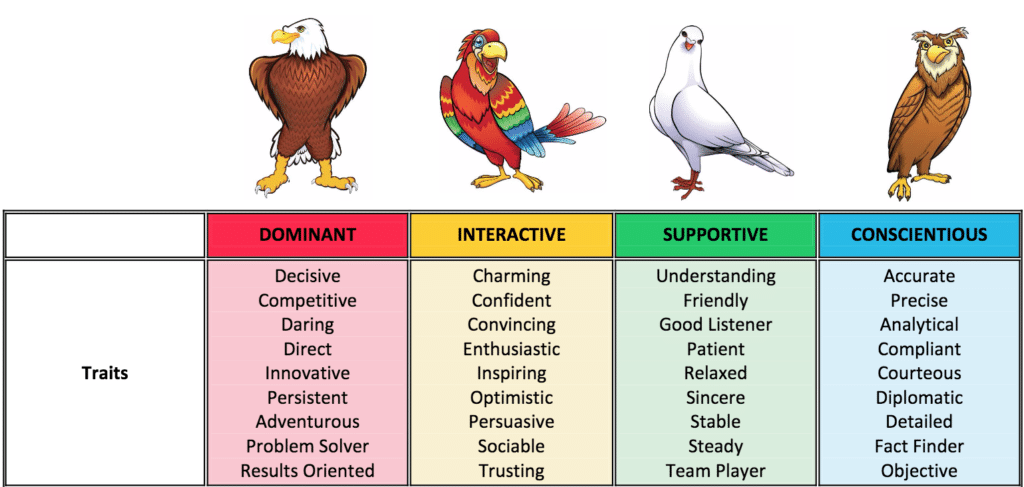
Understanding how individuals balance people focus and task focus based on their DiSC profile can greatly enhance team dynamics and productivity. It allows for better delegation of tasks, effective communication, and appreciation of each team member’s strengths and contributions.

Key Charecterstics…… Mostly valid (90%)…..
++++
Here are some common identifiers or characteristics that each DiSC personality type exhibits, which others can use as general cues:
- Dominance (D):
- Direct communication style: They are straightforward and to the point.
- Confidence: They exude self-assurance and assertiveness.
- Decisiveness: They make quick decisions and take charge.
- Results-oriented: They focus on achieving goals and outcomes.
- Preference for action: They are proactive and eager to take on challenges.
- Influence (I):
- Sociability: They are outgoing and enjoy social interactions.
- Enthusiasm: They exhibit high energy and positivity.
- Persuasiveness: They are convincing and adept at influencing others.
- Expressiveness: They use gestures and expressions to convey their ideas.
- Optimism: They have a positive outlook and see opportunities in every situation.
- Steadiness (S):
- Patience: They are calm and composed, even under pressure.
- Supportiveness: They are empathetic and offer assistance to others.
- Dependability: They can be relied upon to fulfill their commitments.
- Team player: They value collaboration and foster harmony within the team.
- Stability: They provide a sense of consistency and reliability.
- Conscientiousness (C):
- Attention to detail: They focus on accuracy and precision in their work.
- Analytical thinking: They are systematic and methodical in problem-solving.
- Organization: They prefer structure and orderliness in their environment.
- Thoroughness: They ensure tasks are completed meticulously and thoroughly.
- Caution: They approach situations with careful consideration and risk assessment.
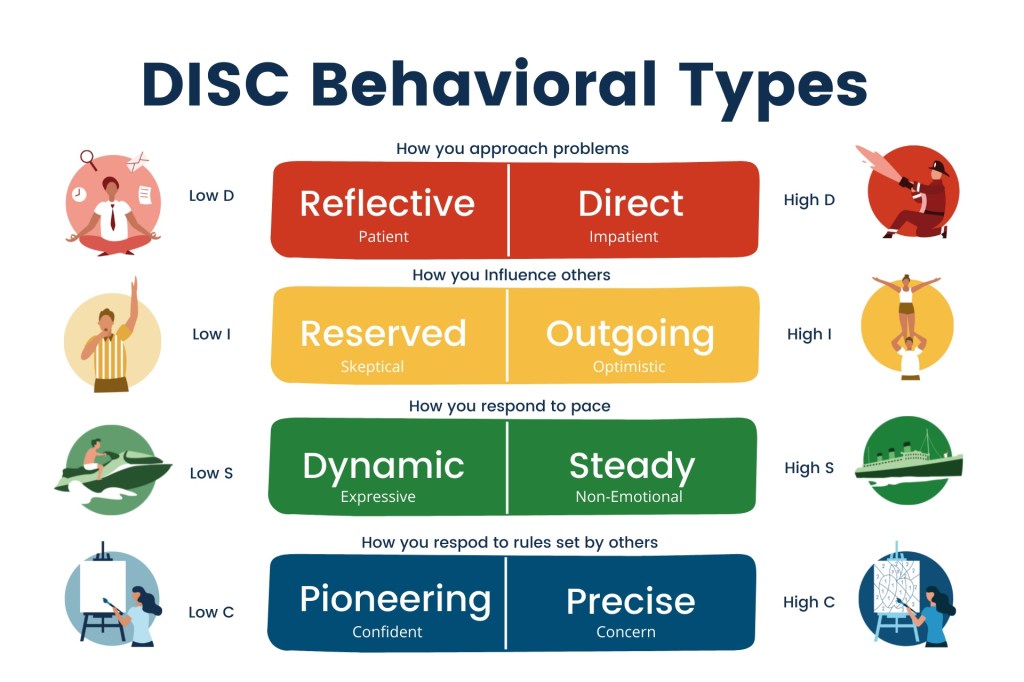
Recognizing these identifiers can help individuals understand and appreciate the strengths and preferences of each DiSC personality type, leading to better collaboration and communication within teams.
Other Personality Tools (Equivalent to DiSC)
There are several other personality assessment tools similar to DiSC that individuals can explore to assess their work style. Some of the most popular alternatives include:
- Myers-Briggs Type Indicator (MBTI): This assessment categorizes individuals into 16 personality types based on four dichotomies: Extraversion vs. Introversion, Sensing vs. Intuition, Thinking vs. Feeling, and Judging vs. Perceiving. It provides insights into preferences related to communication, decision-making, and interpersonal interactions.
- StrengthsFinder (CliftonStrengths): Developed by Gallup, this assessment identifies an individual’s top five strengths out of 34 possible themes. It focuses on uncovering innate talents and provides guidance on leveraging these strengths in various aspects of work and life.
- The Big Five Personality Traits: Also known as the Five Factor Model, this assessment measures individuals across five broad dimensions: Openness to Experience, Conscientiousness, Extraversion, Agreeableness, and Neuroticism (OCEAN). It provides a comprehensive understanding of an individual’s personality traits and how they influence behavior and performance.
- Holland Codes (RIASEC): This assessment categorizes individuals into six personality types based on their interests and preferences in the workplace: Realistic, Investigative, Artistic, Social, Enterprising, and Conventional. It helps individuals identify suitable career paths and environments that align with their interests and strengths.
- Enneagram: This personality typing system categorizes individuals into nine interconnected personality types, each with distinct motivations, fears, and core desires. It offers insights into personal growth, relationships, and communication styles.
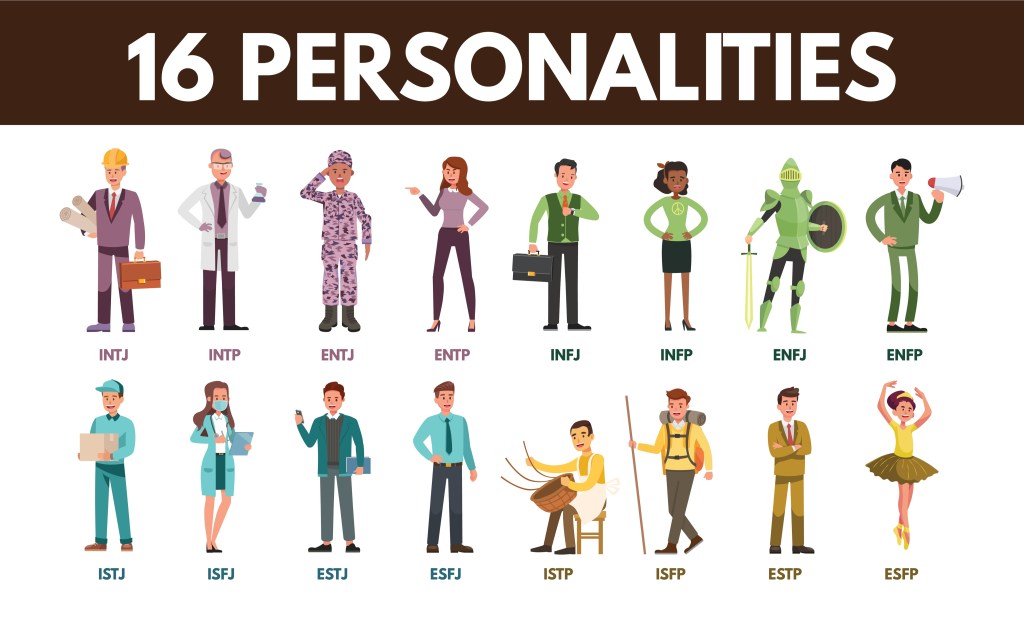
These assessments can provide valuable insights into individual work styles, preferences, and strengths, helping individuals and teams enhance communication, collaboration, and performance in the workplace.
++++++

Individual Personality vs Power Distance Correlations:- There can be a link between DiSC profiles and power distance in a work environment, as each can influence and affect the other. Power distance refers to the extent to which less powerful members of an organization accept and expect that power is distributed unequally.
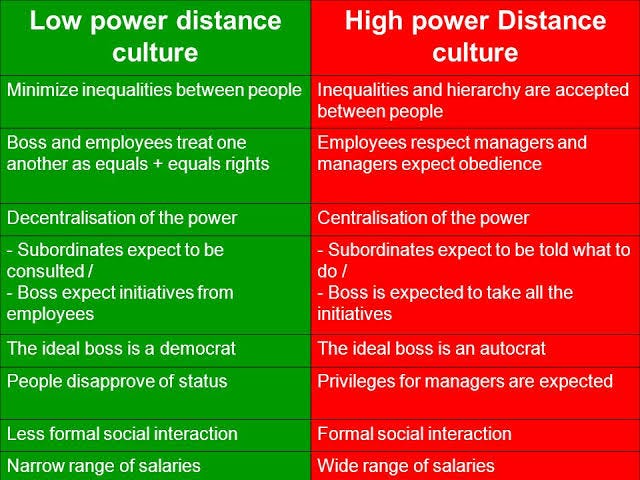
Here’s how DiSC profiles and power distance can interact:
- Dominance (D): Individuals with dominant personalities may have a lower tolerance for hierarchical structures and may challenge authority more readily. They may prefer flatter organizational structures where power is distributed more evenly.
- Influence (I): Influential individuals typically thrive in environments with lower power distance, where collaboration and open communication are encouraged. They may contribute to fostering a culture of transparency and approachability among leadership.
- Steadiness (S): Steady individuals may prefer environments with moderate power distance, where there is respect for authority but also room for input and collaboration. They value stability and may seek to maintain harmony within the organization.
- Conscientiousness (C): Conscientious individuals may prefer clear structures and guidelines, which can align with environments with higher power distance. They may value clear roles and responsibilities and expect adherence to established procedures.
Conversely, the power distance within an organization can also influence how individuals exhibit their DiSC traits:
- In environments with high power distance, (India, Korea, Middle East) individuals may conform more to traditional roles and hierarchies. Dominant personalities may assert themselves more strongly, while others may be less inclined to challenge authority.
- In environments with low power distance, (UK, Europe, Australia) there may be more egalitarianism and openness to input from all levels of the organization. This can facilitate the expression of influential and collaborative traits across all DiSC profiles.
Overall, understanding the interplay between DiSC profiles and power distance can help leaders and teams create a work environment that fosters effective communication, collaboration, and productivity, regardless of the prevailing power dynamics.
+++++++

Safety (For that matter, any Manager) professionals can adapt to their colleagues’ DiSC profiles to work more efficiently and deliver better results by:
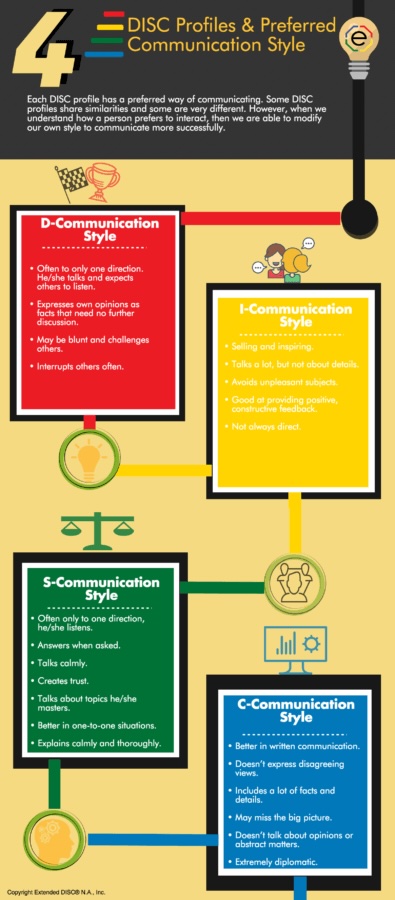
- Tailoring Communication Styles: Understanding colleagues’ DiSC profiles can help safety professionals adjust their communication styles accordingly. For example, they can be more direct and assertive when communicating with dominant (D) personalities, while being more supportive and collaborative when interacting with steady (S) personalities.
- Customizing Training Programs: Safety professionals can design training programs that resonate with different DiSC profiles. For example, they can make safety training sessions more interactive and engaging for influential (I) personalities, while providing detailed procedures and guidelines for conscientious (C) individuals.
- Leveraging Strengths: Recognizing the strengths of each DiSC profile can help safety professionals delegate tasks effectively. For instance, they can assign leadership roles to dominant (D) personalities, utilize the persuasive skills of influential (I) personalities in promoting safety initiatives, and rely on the meticulousness of conscientious (C) individuals in conducting thorough inspections.
- Building Relationships: Developing strong relationships with colleagues across different DiSC profiles fosters trust and collaboration. Safety professionals can actively listen to their colleagues’ concerns and perspectives, demonstrate empathy, and seek input from diverse perspectives to enhance safety initiatives.
- Adapting to Work Styles: Flexibility is key in adapting to colleagues’ work styles influenced by their DiSC profiles. Safety professionals can adjust their approach to accommodate different preferences for task completion, decision-making, and problem-solving, ensuring efficiency and effectiveness in delivering safety outcomes.

By integrating DiSC awareness into their approach, safety professionals can enhance communication, collaboration, and effectiveness in driving safety initiatives within the organization.
Closeout:-
As we embark on this journey of exploring the intricate relationship between personalities at work and the anticipation of work styles to deliver exceptional results, let’s remember that understanding and adapting to diverse personalities is not just a skill—it’s an art. Through tools like DiSC, we have the power to unlock the full potential of our teams, foster collaboration, and drive meaningful change in workplace safety.
Join me in the pursuit of excellence as we delve deeper into the nuances of personality-driven safety management and strive to create safer, healthier, and more productive work environments for all.
Until next time, stay safe and keep striving for greatness!
Warm regards,
Karthik
7th March 2024 1230pm.

 Health, Environment, Safety, Sustainability (HESS)