

#159

Introduction: Ready to dive into a topic that’s often overlooked but essential for workplace safety and productivity? Let’s talk about emotions at work, specifically from the lens of Environment, Health, and Safety (EHS) in the manufacturing sector.
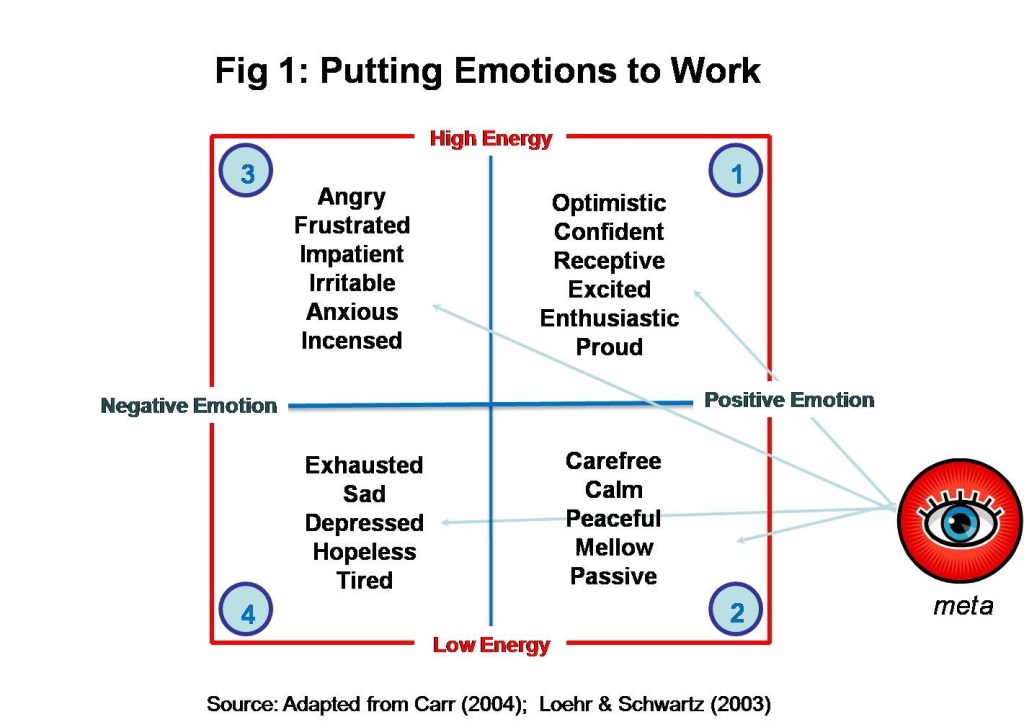
Picture this: a bustling manufacturing floor, machines humming, workers focused on their tasks. But beneath the surface, there’s a world of emotions at play. From the adrenaline rush of meeting deadlines to the frustration of encountering obstacles, poor people management etc., emotions are a constant presence in the manufacturing environment.
In this blog, we’re going to explore the intricate relationship between emotions and EHS. We’ll discuss how understanding and managing emotions can significantly impact safety outcomes, productivity levels, and overall employee well-being.
Let’s delve into the concept of bringing your full self to work, which encompasses emotions as well.

Imagine stepping into the workplace not just as a professional, but as a whole person with thoughts, feelings, and experiences. That’s what bringing your full self to work is all about. It’s about embracing and integrating all aspects of who you are, including your emotions, into your professional identity.

When employees feel encouraged to bring their full selves to work, it creates a more authentic and inclusive environment. People can express their emotions openly, whether it’s excitement, frustration, or vulnerability, without fear of judgment or repercussion.

By acknowledging and accepting emotions as a natural part of the human experience, organizations can foster a culture of empathy, understanding, and support. Employees feel valued and empowered to share their ideas, concerns, and emotions, leading to stronger connections, better collaboration, and increased engagement.
Incorporating emotions into the workplace isn’t just about being touchy-feely; it’s about recognizing the human element in every interaction and decision. It’s about understanding that emotions can impact performance, relationships, and well-being, and proactively addressing them to create a healthier and more productive work environment.
So, buckle up as we unravel the complexities of emotions in the manufacturing workplace. Get ready for practical insights, expert tips, and real-life examples that will empower you to foster a safer, healthier, and more productive work environment. Let’s embark on this journey together, where EHS meets emotions, and discover the keys to success in manufacturing through the lens of emotional intelligence.
++++++
Emotional Traits to look for:- In the workplace, it’s essential to be mindful of various emotional traits that can manifest and impact both individual well-being and team dynamics. Here are some key emotional traits to watch out for and take care of:
- Stress: Stress is one of the most common emotional traits in the workplace. It can stem from heavy workloads, tight deadlines, or interpersonal conflicts. Chronic stress can lead to burnout, decreased productivity, and negative health outcomes. Employers should provide support and resources for stress management, such as mindfulness programs or counseling services.
- Anger: Anger can arise from frustration, perceived injustices, or conflicts with colleagues. Uncontrolled anger can escalate into confrontations, disrupt teamwork, and damage relationships. Encouraging open communication, conflict resolution training, and anger management techniques can help address this emotional trait effectively.
- Anxiety: Anxiety may result from uncertainty, fear of failure, or pressure to perform. It can manifest as nervousness, procrastination, or avoidance behavior. Creating a supportive environment where employees feel safe to voice their concerns, providing clear expectations, and offering resources for anxiety management can alleviate this emotional trait.
- Depression: Depression in the workplace may manifest as persistent sadness, fatigue, or withdrawal from social interactions. It can significantly impact productivity, motivation, and overall well-being. Employers should prioritize mental health initiatives, destigmatize seeking help, and offer access to counseling or employee assistance programs.
- Low Self-Esteem: Low self-esteem can manifest as self-doubt, perfectionism, or reluctance to take on challenges. It may stem from negative feedback, imposter syndrome, or comparison with colleagues. Encouraging a culture of constructive feedback, recognizing employees’ strengths, and promoting self-care and self-compassion can boost self-esteem in the workplace.
- Overwhelm: Feeling overwhelmed can result from multitasking, unrealistic expectations, or lack of support. It can lead to decreased productivity, feelings of inadequacy, and burnout. Implementing time management strategies, prioritizing tasks, and fostering a culture of work-life balance can help employees cope with overwhelm effectively.
- Isolation: Isolation occurs when employees feel disconnected from their colleagues or excluded from social interactions. It can lead to feelings of loneliness, disengagement, and reduced collaboration. Encouraging team-building activities, fostering open communication channels, and promoting inclusivity and diversity initiatives can combat isolation in the workplace.
By recognizing and addressing these significant emotional traits, employers can create a supportive and inclusive work environment that prioritizes employee well-being, fosters positive relationships, and enhances overall productivity and satisfaction.
+++++
Understanding Emotions: Understanding and acknowledging emotions in the workplace is paramount, especially in the manufacturing sector where safety and productivity are of utmost importance.
- Safety Impact: Emotions play a significant role in safety outcomes. For instance, high-stress levels or frustration can impair judgment and decision-making, leading to errors or accidents on the production floor. On the other hand, a positive emotional state can enhance alertness and focus, contributing to safer work practices and accident prevention.
- Productivity: Emotions can profoundly affect productivity levels. When employees are motivated, engaged, and experiencing positive emotions like enthusiasm or satisfaction, they tend to be more productive and efficient in their tasks. Conversely, negative emotions such as stress, anger, or boredom can lead to decreased motivation, absenteeism, and lower productivity levels.
- Work Environment: Emotions shape the overall work environment and culture. A workplace where employees feel valued, respected, and supported emotionally fosters a positive atmosphere conducive to collaboration, innovation, and teamwork. Conversely, a toxic work environment characterized by negative emotions like fear, resentment, or hostility can hinder morale, creativity, and employee engagement.
- Communication and Collaboration: Emotions also impact communication and collaboration among team members. When individuals are attuned to their emotions and those of their colleagues, they can communicate more effectively, resolve conflicts constructively, and build stronger relationships. Conversely, misunderstandings, conflicts, and breakdowns in communication often arise when emotions are ignored or mishandled.
- Employee Well-being: Lastly, emotions profoundly affect employee well-being and mental health. Chronic stress, anxiety, or burnout can take a toll on physical health, leading to increased absenteeism, turnover rates, and healthcare costs for both employees and employers. Recognizing and addressing emotional needs in the workplace is essential for promoting a culture of well-being and resilience.
In summary, emotions are a powerful force in the workplace, influencing safety outcomes, productivity levels, work environment, communication, collaboration, and employee well-being. By acknowledging and understanding emotions, organizations can proactively address emotional challenges, enhance safety and productivity, and cultivate a positive and supportive work culture in the manufacturing sector.
Stress Management, A Key element to manage Emotions in 2024.

Creating a comprehensive stress management plan is essential for organizations to support employee well-being and productivity. Here’s how organizations can develop an effective plan:
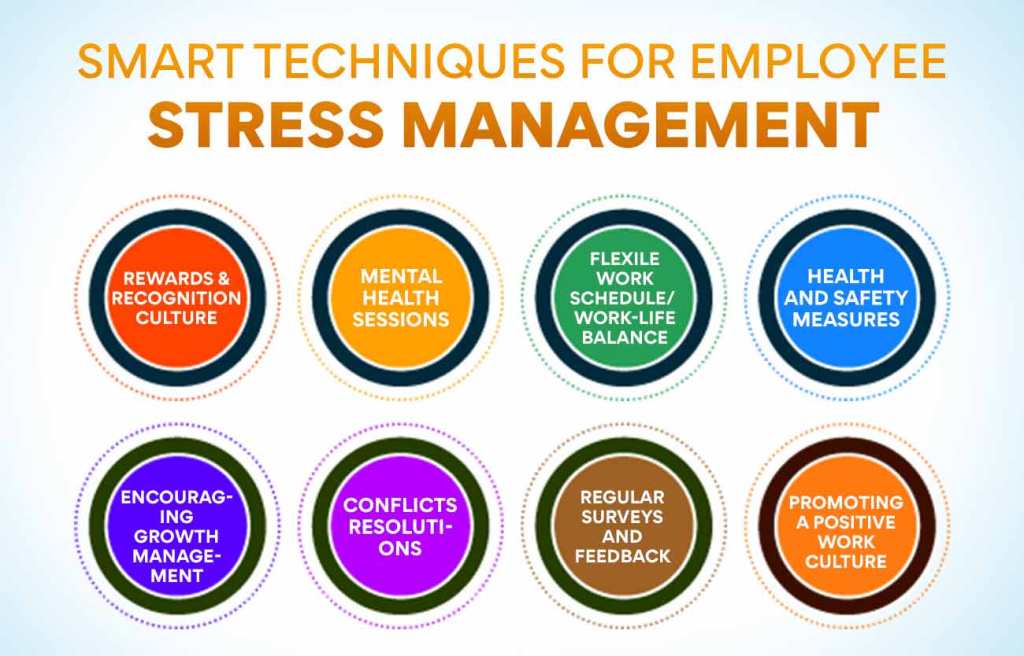
- Assessment: Begin by assessing the sources of stress within the organization. Conduct surveys, focus groups, or interviews to gather feedback from employees about their stressors, workload, work-life balance, and organizational culture.
- Education and Awareness: Educate employees and managers about stress, its impact on health and productivity, and strategies for managing it. Offer workshops, training sessions, or informational resources on stress management techniques, such as mindfulness, time management, and relaxation techniques.
- Workload Management: Review workload distribution and ensure that employees’ tasks are manageable and realistic. Encourage prioritization, delegation, and effective time management to prevent overwhelm and burnout.
- Flexible Work Arrangements: Provide flexibility in work schedules, remote work options, or flexible hours to accommodate employees’ individual needs and promote work-life balance. Flexibility can help reduce stress related to commuting, caregiving responsibilities, or personal commitments.
- Supportive Environment: Foster a supportive work environment where employees feel comfortable seeking help and support. Encourage open communication, empathy, and mutual respect among colleagues and managers. Implement initiatives such as employee assistance programs (EAPs), counseling services, or peer support groups.
- Healthy Lifestyle Promotion: Promote healthy lifestyle habits that can mitigate stress, such as regular exercise, balanced nutrition, adequate sleep, and mindfulness practices. Offer wellness programs, fitness challenges, or incentives to encourage healthy behaviors among employees.
- Stress-Reduction Activities: Introduce stress-reduction activities into the workplace, such as yoga classes, meditation sessions, or relaxation workshops. Create designated spaces for employees to take breaks, unwind, or practice mindfulness during the workday.
- Leadership Support: Ensure that leaders and managers lead by example and prioritize employee well-being. Train managers in stress management techniques, effective communication, and recognizing signs of stress in their teams. Encourage supportive leadership behaviors and regular check-ins with employees to address concerns and provide guidance.
- Regular Evaluation and Adjustment: Continuously monitor the effectiveness of the stress management plan through employee feedback, surveys, or performance indicators. Adjust the plan as needed based on changing circumstances, emerging stressors, or new insights.
By implementing a holistic stress management plan, organizations can create a healthier, more supportive work environment that empowers employees to manage stress effectively and thrive both personally and professionally.
Burnout a common symptom of Emotional manifestation:-

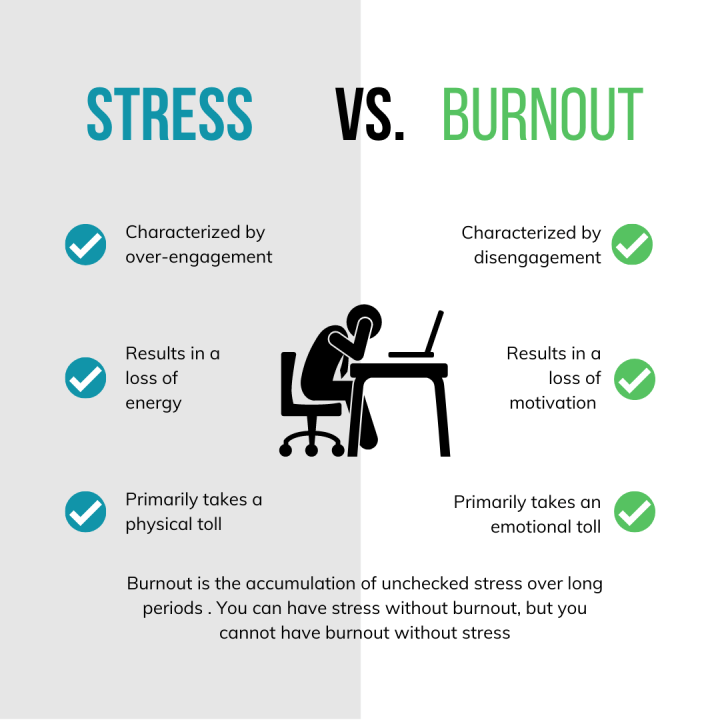
There’s a strong link between stress, emotions, and burnout in the workplace.
- Stress and Emotions: Stress can trigger a range of emotions, including anxiety, frustration, anger, and overwhelm. When individuals experience prolonged or intense stress, these emotions can become chronic and pervasive, affecting their mental and emotional well-being. For example, a heavy workload or tight deadlines may lead to feelings of anxiety and pressure, while conflicts with colleagues may evoke frustration or anger.
- Emotions and Burnout: Chronic stress and negative emotions are key contributors to burnout, which is characterized by emotional exhaustion, depersonalization, and reduced personal accomplishment. Emotions such as frustration, disillusionment, and hopelessness can intensify burnout symptoms and make it difficult for individuals to cope with work-related challenges. Burnout often results from prolonged exposure to stressors that exceed an individual’s coping abilities, leading to emotional and physical exhaustion.
- Stress as a Precursor to Burnout: Stress can serve as a precursor to burnout, as prolonged exposure to stressors can gradually erode an individual’s resilience and coping mechanisms. When stress is left unaddressed or inadequately managed, it can escalate into burnout over time. Emotional exhaustion, a hallmark of burnout, often stems from chronic stress and the depletion of emotional resources needed to cope with work demands.
- Emotional Impact of Burnout: Burnout not only results from stress and negative emotions but also exacerbates emotional distress. Individuals experiencing burnout may feel emotionally drained, detached from their work, and cynical towards colleagues or clients. This emotional detachment can further perpetuate feelings of isolation, disengagement, and dissatisfaction in the workplace.
In summary, stress, emotions, and burnout are interconnected phenomena in the workplace. Chronic stress can evoke a range of emotions that contribute to burnout, while burnout itself intensifies emotional distress and undermines well-being. Recognizing and addressing these interrelated factors is essential for promoting a healthy work environment and supporting employees’ mental and emotional health.

Emotional Intellgence and its role as EHS Enabler for a better work place.

Emotional intelligence (EI) refers to the ability to recognize, understand, and manage one’s own emotions as well as the emotions of others. It encompasses key competencies such as self-awareness, self-regulation, empathy, and social skills, all of which are critical for effective communication, collaboration, and relationship-building in the workplace.
Now, let’s discuss how organizations can leverage EI as an EHS enabler for creating a better emotionally managed workplace:
- Training and Development: Organizations can offer training and development programs focused on emotional intelligence skills for employees at all levels. These programs can include workshops, seminars, or online courses to enhance self-awareness, self-regulation, empathy, and interpersonal skills.
- Leadership Development: Developing emotionally intelligent leaders is crucial for fostering a positive work culture and setting the tone for emotional management in the workplace. Organizations can provide leadership development programs that emphasize EI competencies, effective communication, and empathetic leadership styles.
- Promoting Psychological Safety: Creating a psychologically safe environment where employees feel comfortable expressing their thoughts, feelings, and concerns without fear of judgment or retaliation is essential for emotional management. Organizations can encourage open communication, active listening, and vulnerability among team members to foster trust and collaboration.
- Conflict Resolution and Mediation: Conflict is inevitable in any workplace, but organizations can equip employees with conflict resolution skills and provide mediation services to address disputes effectively. Training in effective communication, active listening, and negotiation techniques can help employees navigate conflicts constructively and maintain positive working relationships.
- Employee Support Programs: Implementing employee support programs, such as employee assistance programs (EAPs) or counseling services, demonstrates organizational commitment to employee well-being and emotional health. These programs offer confidential support and resources for employees experiencing personal or work-related stressors.
- Feedback and Recognition: Providing regular feedback and recognition to employees fosters a culture of appreciation and validates their contributions. Emotionally intelligent feedback focuses on constructive criticism, acknowledges achievements, and emphasizes growth and development opportunities.
- Work-Life Balance Initiatives: Supporting work-life balance initiatives, such as flexible work arrangements, telecommuting options, or wellness programs, helps employees manage their stress levels and maintain overall well-being. Balancing work demands with personal responsibilities and self-care activities is essential for emotional resilience.

By integrating emotional intelligence principles into EHS practices, organizations can create a workplace culture that prioritizes emotional well-being, fosters positive relationships, and enhances overall safety, health, and productivity. Embracing emotional intelligence as an EHS enabler enables organizations to effectively address the human element of workplace safety and contribute to a more emotionally managed and supportive work environment.
Team Dynamics and Leadership Role in Emotional Management:– How employees can take benefits and improve their emotional Health.?
Leadership and team dynamics play crucial roles in managing emotions at the workplace and fostering a better emotionally managed work environment. Here’s how:
- Leadership Role Modeling: Leaders set the tone for emotional management in the workplace through their actions, attitudes, and behaviors. When leaders demonstrate emotional intelligence, empathy, and resilience, they inspire and empower employees to follow suit. Leaders should lead by example, communicate openly, and create a culture of trust, respect, and psychological safety.
- Effective Communication: Clear, open, and empathetic communication is essential for managing emotions in teams. Leaders should encourage honest dialogue, active listening, and constructive feedback to address concerns, resolve conflicts, and foster understanding among team members. Transparent communication helps build trust and reduces misunderstandings that can lead to emotional tension.
- Conflict Resolution Skills: Effective conflict resolution is critical for managing emotions and maintaining positive team dynamics. Leaders should facilitate constructive discussions, mediate disputes, and encourage compromise and collaboration to resolve conflicts amicably. By addressing conflicts promptly and respectfully, leaders prevent emotional escalation and promote a harmonious work environment.
- Building Trust and Relationships: Strong relationships based on trust, respect, and empathy are fundamental for managing emotions in teams. Leaders should invest time in building rapport with team members, understanding their individual needs and preferences, and supporting their professional and personal development. Trusting relationships create a sense of belonging and security, enabling employees to express themselves authentically and manage emotions effectively.
- Emotional Support and Recognition: Leaders play a vital role in providing emotional support and recognition to their team members. Acknowledging achievements, offering encouragement, and expressing appreciation for contributions boost morale and motivation. Recognizing employees’ efforts and valuing their emotional well-being fosters a positive work culture where individuals feel valued and supported.
As for employees, they can actively engage with leadership and team dynamics initiatives for a better emotionally managed workplace by:
- Participating in training and development programs on emotional intelligence, communication skills, and conflict resolution.
- Communicating openly with leaders and colleagues about their emotions, concerns, and needs.
- Collaborating with team members to create a supportive and inclusive work environment where emotions are acknowledged and managed constructively.
- Seeking feedback and guidance from leaders and peers on managing emotions effectively and navigating challenging situations.
- Embracing opportunities for personal growth, resilience-building, and self-care to enhance their emotional well-being and performance.
By leveraging leadership and team dynamics initiatives, both leaders and employees can contribute to creating a workplace culture that prioritizes emotional management, fosters positive relationships, and promotes overall well-being and productivity.
+++++++
Emotional Issue solutions are not one fit all- Horses for the courses:
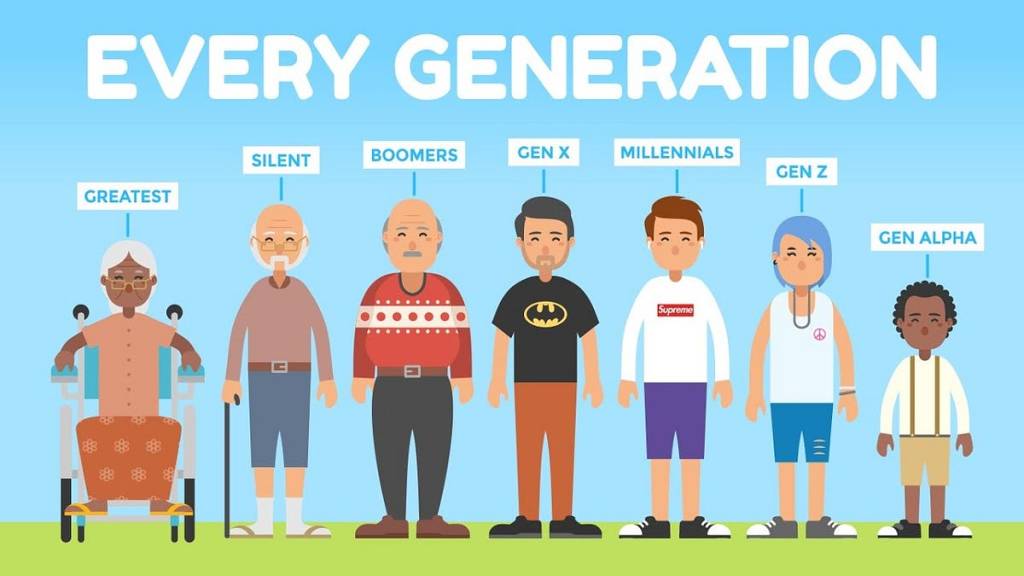
Each generation, from Silent, to, Baby Boomers to Gen Z, brings unique perspectives, experiences, and approaches to emotional issues in the workplace. Here’s why a one-size-fits-all approach won’t effectively address emotional issues at work:
- Different Values and Priorities: Each generation grew up in different social, economic, and cultural contexts, shaping their values, priorities, and attitudes towards work and life. For example, Baby Boomers may prioritize loyalty and stability, while Millennials and Gen Z value flexibility and work-life balance. These differing values influence how individuals perceive and respond to emotional challenges at work.
- Communication Styles: Generational differences in communication styles can impact how emotional issues are addressed and resolved. Baby Boomers may prefer face-to-face communication and formal channels, while Millennials and Gen Z may favor digital communication and informal interactions. Understanding and adapting to these communication preferences are essential for effective emotional management across generations.
- Resilience Levels: Each generation has experienced unique societal challenges, economic downturns, and technological advancements that shape their resilience levels and coping mechanisms. Baby Boomers may have developed resilience through overcoming adversity and adapting to change over their careers, while younger generations may rely on digital tools and social networks for support during difficult times.
- Approaches to Work-Life Balance: Generational differences in work-life balance expectations can influence how emotional issues are perceived and managed. Baby Boomers may prioritize work commitments over personal well-being, while younger generations may seek greater balance and flexibility to maintain their mental and emotional health. Employers need to accommodate diverse work-life balance preferences to support employees’ emotional well-being effectively.
- Learning and Development Preferences: Generational preferences for learning and development also impact how emotional issues are addressed in the workplace. Baby Boomers may prefer traditional training methods and mentorship programs, while Millennials and Gen Z may gravitate towards experiential learning, peer-to-peer support, and digital resources. Tailoring emotional management initiatives to accommodate diverse learning preferences enhances engagement and effectiveness across generations.
To address emotional issues effectively in the workplace, organizations need to adopt a flexible and inclusive approach that acknowledges and respects generational differences. This may involve:
- Offering diverse communication channels and formats for addressing emotional concerns.
- Providing personalized support and resources tailored to individuals’ needs and preferences.
- Creating a culture of empathy, understanding, and respect for diverse perspectives and experiences.
- Implementing flexible work arrangements and wellness programs that accommodate different work-life balance preferences.
- Investing in continuous learning and development opportunities that cater to generational learning styles and preferences.
By recognizing and accommodating generational differences in emotional management, organizations can foster a more inclusive, supportive, and resilient workplace culture that benefits employees of all ages.

Case examples of Emotional Management at Workplaces:-
Here are some examples of manufacturing companies in India and Asia that have implemented emotional well-being programs:
- Tata Steel (India): Tata Steel has a comprehensive employee well-being program called “We Care,” which focuses on promoting physical, mental, and emotional health among employees. The company offers counseling services, stress management workshops, and employee assistance programs to support emotional well-being in the workplace.
- Mahindra & Mahindra (India): Mahindra & Mahindra has initiatives like the “MHealthy” program, which aims to enhance the overall well-being of employees. The program includes activities such as yoga sessions, mindfulness workshops, and stress management seminars to address emotional health and resilience among employees.
- Samsung Electronics (South Korea): Samsung Electronics has implemented various initiatives to support employee emotional well-being, including mental health awareness campaigns, stress management training, and employee assistance programs. The company also provides access to counseling services and resources for managing work-related stressors.
- Toyota Motor Corporation (Japan): Toyota Motor Corporation prioritizes employee well-being through initiatives like the “Toyota Work-Life Harmony” program, which emphasizes work-life balance and stress reduction. The company offers flexible work arrangements, employee support services, and mental health resources to promote emotional well-being among employees.
- Tata Motors (India): Tata Motors has implemented the “Saksham” program, which focuses on enhancing employee resilience and mental well-being. The program includes activities such as mindfulness meditation sessions, stress management workshops, and peer support groups to address emotional health concerns in the workplace.
These case studies highlight how manufacturing companies in India and Asia are proactively addressing emotional well-being in the workplace through a variety of initiatives and programs. By prioritizing employee mental and emotional health, these companies aim to create a supportive and inclusive work environment that fosters employee engagement, productivity, and overall well-being.
++++++
Closeout:- “In today’s fast-paced world, emotions are not just a part of the workplace; they are a constant companion in our daily lives. With the shift towards nuclear family lifestyles and increasing stress levels, employees are seeking support and understanding for their emotional well-being like never before.
Gone are the days when being tough and resilient meant bottling up emotions and soldiering on. Today, crying at work is not taboo but rather a symptom of the need for empathy and support. Organizations that recognize this shift and focus on the emotional well-being of their employees are reaping the rewards in terms of retention, productivity, and safety.
By encouraging open discussions about employees as whole individuals, rather than just workers, organizations create a culture where people feel valued and supported. This not only leads to a happier and more engaged workforce but also fosters a sense of belonging and loyalty.
In conclusion, embracing emotions at work and prioritizing the emotional well-being of employees isn’t just the right thing to do; it’s a strategic imperative. It’s the key to creating a workplace where people gladly bring their whole selves to work, knowing they will be met with understanding, compassion, and support. And in such an environment, everyone thrives.
Karthik
10th March 2024 1400 Hrs.

 Health, Environment, Safety, Sustainability (HESS)