

#161
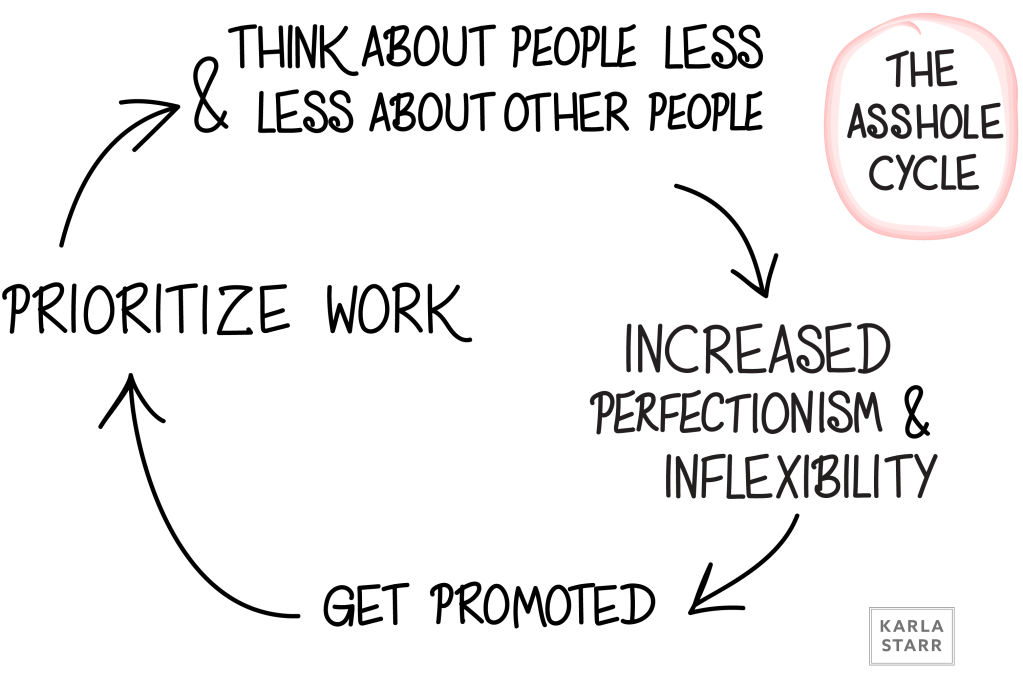
Personal Note: This week marks the 25th Anniversary of encountering the one and only inept leader in my career. Our time together was brief, as it became clear that our differences were irreconcilable. I made the decision to pursue a new opportunity, recognizing that I couldn’t thrive in that environment. Surprisingly, this experience propelled me out of my comfort zone and toward even greater success in my life and career. It’s true what they say: “People join the company, but leave the manager.” This sentiment rings especially true in my journey, reminding me of the importance of leadership and its impact on individuals’ professional paths.
Introduction:-
Ever wondered how some of the most incompetent, clueless leaders manage to find themselves at the helm of organizations? It’s a puzzling phenomenon that often leaves us scratching our heads. But let’s unravel this mystery together and explore the ripple effects of their presence within an organization.
- Networking Over Merit: Incompetent leaders often leverage personal connections or political maneuvering to secure leadership positions, rather than being selected based on their qualifications or merit. This “who you know” mentality can lead to a mismatch between skills and responsibilities, setting the stage for ineffective leadership.
- Lack of Proper Screening: Sometimes, organizations fail to conduct thorough assessments or background checks when hiring leaders, allowing individuals with questionable credentials or track records to slip through the cracks. This oversight can have detrimental consequences for the organization’s performance and reputation. (In my case, the company was in a tear hurry to releive my manager, who was superannuating and, overextended his committment, as a goodwill gesture. The organisation was desparate, to find a replacement for him)
- Ignoring Red Flags: Despite warning signs of incompetence or unsuitability, some organizations turn a blind eye and proceed with appointing unqualified individuals to leadership roles. Whether due to negligence, complacency, or misguided trust, this failure to address red flags can have dire consequences down the line. (Haste makes Waste!).
Once these incompetent leaders infiltrate organizations, the harm they cause can be extensive:
- Erosion of Trust: Incompetent leaders breed distrust among employees, undermining morale and cohesion within the organization. When team members lack confidence in their leadership’s abilities, collaboration suffers, and productivity plummets.
- Stagnation and Missed Opportunities: Lacking vision or strategic foresight, incompetent leaders often steer organizations into stagnation, missing out on valuable opportunities for growth and innovation. Their reluctance to embrace change or take calculated risks can stifle progress and leave the organization trailing behind competitors.
- Damage to Reputation: Incompetent leadership can tarnish an organization’s reputation, both internally and externally. Whether through public gaffes, ethical lapses, or poor decision-making, leaders’ actions reflect on the organization as a whole, potentially driving away clients, investors, and top talent.
In conclusion, the presence of incompetent, dumb leaders within organizations is a sobering reality with far-reaching consequences. By understanding how they come to power and the harm they cause, we can work towards building more resilient and effective leadership structures that drive success and sustainability.

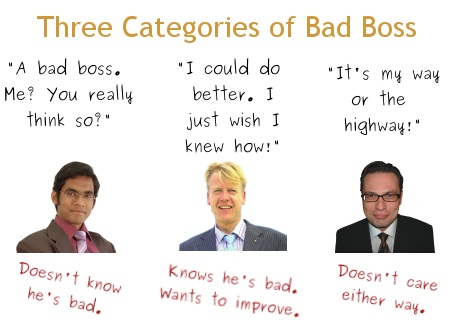
Yes, the Good news (??!!) is that this a Global Phenomenon:-
The traits associated with incompetent leadership are indeed a global phenomenon. Human behavior and tendencies transcend cultural boundaries, and as such, you’ll find instances of poor leadership in organizations worldwide.
However, some cultures may be more adept at identifying and mitigating the influence of such individuals. Here’s why:
- Emphasis on Meritocracy: Cultures that prioritize meritocracy tend to have more rigorous selection processes for leadership positions. By focusing on qualifications, skills, and performance rather than personal connections or politics, these cultures reduce the likelihood of incompetent leaders rising to power.
- Open Communication: Cultures that value open communication and transparency are better equipped to identify and address issues related to incompetent leadership. When employees feel empowered to voice their concerns and provide feedback, red flags are more likely to be raised and addressed promptly.
- Strong Ethical Standards: Cultures with strong ethical standards and a zero-tolerance policy for misconduct are less tolerant of behaviors associated with incompetent leadership, such as dishonesty, harassment, or nepotism. Leaders are held accountable for their actions, fostering a culture of integrity and accountability.
- Collaborative Decision-Making: Cultures that encourage collaborative decision-making and consensus-building are less susceptible to the whims of individual leaders. By involving multiple stakeholders in the decision-making process, organizations mitigate the risk of poor judgment or bias from a single individual.
While no culture is immune to the presence of incompetent leaders, these cultural traits can serve as effective safeguards against their influence. By fostering a culture of meritocracy, open communication, ethical standards, and collaborative decision-making, organizations can minimize the likelihood of incompetent leadership and promote a culture of excellence and accountability.
The impact of dumb, incompetent leaders on organizations, and how to steer clear of becoming one yourself. Trust me, it’s a topic worth exploring, especially in the realm of Environment, Health, and Safety (EHS).
- Lack of Vision: Dumb, incompetent leaders often lack a clear vision for the organization’s EHS goals. They fail to set achievable targets or prioritize safety measures, leaving employees directionless and vulnerable to hazards.
- Neglecting Training and Resources: These leaders often skimp on providing adequate training and resources for EHS initiatives. Whether it’s cutting corners on safety equipment or ignoring crucial compliance regulations, their negligence puts both employees and the organization at risk.
- Ignoring Employee Feedback: One hallmark of a bad leader is their reluctance to listen to employee feedback, especially concerning safety concerns. They brush aside valid suggestions or complaints, creating a culture of fear and silence that hampers EHS improvements.
- Fostering a Culture of Complacency: Dumb, incompetent leaders foster a culture of complacency by downplaying the importance of safety protocols. They might prioritize short-term gains over long-term sustainability, jeopardizing the well-being of employees and the environment.
- Failure to Learn from Mistakes: Lastly, these leaders fail to learn from past mistakes or near misses. Instead of conducting thorough investigations and implementing preventive measures, they sweep issues under the rug, setting the stage for recurring accidents or incidents.
Conclusion: In conclusion, being a competent leader in the realm of EHS means prioritizing safety, fostering a culture of accountability, and continuously striving for improvement. By avoiding the pitfalls of dumb, incompetent leadership, you can protect your organization’s most valuable asset: its people.
+++++
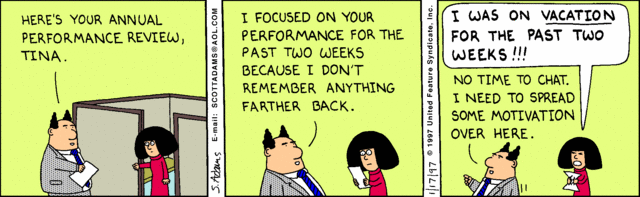
Spotting a Non Leader / Absentee Leader:-
Spotting non-leaders is just as important as recognizing good leadership. Here are some telltale traits to watch out for:
- Lack of Vision: Non-leaders often lack a clear vision for the future. They fail to inspire others with a compelling direction and struggle to set achievable goals.
- Poor Communication Skills: Communication is key for effective leadership. Non-leaders struggle to articulate their ideas, listen to others, or provide constructive feedback.
- Inability to Delegate: Non-leaders have trouble trusting others and delegating tasks. They micromanage every detail, stifling creativity and demotivating team members.
- Avoiding Accountability: Instead of taking responsibility for their actions, non-leaders blame others or make excuses for failures. They fail to own up to mistakes and learn from them.
- Lack of Empathy: Non-leaders lack empathy towards their team members. They prioritize their own interests over the well-being of others and fail to build meaningful relationships.
- Resistance to Change: Non-leaders are resistant to change and innovation. They prefer the status quo and fear taking risks, hindering progress and adaptation in the organization.
- Short-Term Thinking: Non-leaders focus on short-term gains at the expense of long-term sustainability. They prioritize immediate results over strategic planning and investment in the future.
- Closed-Mindedness: Non-leaders are closed-minded and unwilling to consider alternative viewpoints. They reject new ideas or feedback, stifling innovation and growth.
Spotting an absentee leader and identifying poor habits like drinking, chronic lateness, womanizing, sexual harassment, and credit stealing are crucial for maintaining a healthy work environment. Let’s break it down:
Absentee Leader: An absentee leader is someone who is physically present but emotionally or mentally absent from their leadership responsibilities. They may lack engagement with their team, fail to provide guidance or support, and delegate tasks without proper supervision. This can lead to confusion, inefficiency, and a lack of accountability within the organization.
Poor Habits:
- Drinking: Excessive drinking can impair judgment, affect decision-making, and create a negative image for leaders. It can also lead to safety risks and compromised performance in the workplace.
- Chronic Lateness: Chronic lateness signals a lack of respect for others’ time and demonstrates poor time management skills. It can disrupt schedules, hinder productivity, and erode trust among team members.
- Womanizing: Womanizing behavior is disrespectful and unprofessional. It can create a hostile work environment, damage morale, and lead to legal repercussions if it involves harassment or discrimination.
- Sexual Harassment: Sexual harassment is a serious violation of workplace conduct. It includes unwelcome advances, inappropriate comments, or actions that create a hostile or uncomfortable environment for others. It must be addressed promptly and decisively to protect employees’ rights and well-being.
- Credit Stealing: Taking credit for others’ work is unethical and undermines trust within the team. It demotivates employees, stifles collaboration, and can lead to resentment and disengagement.
Addressing these poor habits and behaviors is essential for promoting a healthy and respectful workplace culture. Leaders must lead by example, prioritize accountability, and uphold standards of professionalism and integrity.

Dealing with incompetent leaders can be challenging, but employees have several options to navigate the situation:
- Communication: Encourage employees to communicate their concerns directly with the leader, expressing their observations and offering constructive feedback. This can help raise awareness of the issues and prompt the leader to address them.
- Seek Support: Employees can seek support from HR, upper management, or trusted colleagues who may have influence within the organization. Having allies can provide guidance and bolster their efforts to address the situation effectively.
- Document Concerns: Encourage employees to document instances of incompetence or poor leadership behavior, including specific examples, dates, and impacts on the organization. This evidence can be valuable when presenting their case to higher authorities or HR.
- Explore Internal Resources: Many organizations offer resources such as employee assistance programs (EAPs) or ombudsman services to help employees navigate workplace challenges. These resources can provide guidance, mediation, or support in addressing issues with incompetent leaders.
- Consider Escalation: If communication and internal resources fail to resolve the situation, employees may need to consider escalating their concerns to higher authorities or external regulatory bodies. This step should be taken with caution and only after exhausting all internal avenues for resolution.
- Focus on Self-Care: Dealing with incompetent leaders can take a toll on employees’ well-being and morale. Encourage them to prioritize self-care, set boundaries, and seek support outside of work to maintain their mental and emotional health.
Ultimately, employees have options when faced with incompetent leaders, but it’s essential to approach the situation strategically and thoughtfully. By advocating for change, seeking support, and prioritizing their well-being, employees can navigate the challenges posed by incompetent leadership and work towards positive outcomes for themselves and their organization.
What EHS Folks need to do?
Avoiding the trap of being branded as an incompetent or inept leader in the realm of Environment, Health, and Safety (EHS) requires a proactive approach and a commitment to excellence. Here’s how EHS personnel and managers can stay on track:
Skills to Develop:
- Technical Expertise: Mastering the technical aspects of EHS, including regulatory compliance, risk assessment, hazard identification, and incident investigation, is essential for effective leadership in the field.
- Communication: Enhance communication skills to effectively convey EHS policies, procedures, and expectations to diverse stakeholders. This includes active listening, public speaking, and written communication.
- Problem-Solving: Develop strong problem-solving skills to address complex EHS challenges, analyze root causes of incidents, and implement proactive solutions to prevent recurrence.
- Leadership: Cultivate leadership skills to inspire and motivate teams, foster a culture of safety, and drive continuous improvement in EHS performance. This includes leading by example, delegating tasks, and providing constructive feedback.
- Collaboration: Build strong collaborative skills to engage stakeholders across departments and levels of the organization in EHS initiatives. This involves building relationships, resolving conflicts, and leveraging diverse perspectives for innovative solutions.
- Data Analysis: Sharpen data analysis skills to interpret EHS metrics, trends, and performance indicators, enabling informed decision-making and strategic planning to mitigate risks and drive improvements.
- Adaptability: Cultivate adaptability to navigate evolving regulatory requirements, technological advancements, and industry trends in the dynamic field of EHS. This includes embracing change, learning new skills, and staying abreast of emerging risks.
Traits to Let Go:
- Complacency: Avoid complacency in EHS practices by embracing a proactive approach to risk management, continuous improvement, and staying vigilant to emerging hazards and regulatory changes.
- Silo Mentality: Move away from siloed thinking and foster collaboration across departments to integrate EHS considerations into all aspects of organizational decision-making and operations.
- Resistance to Change: Let go of resistance to change and embrace innovation in EHS practices, technologies, and methodologies to stay ahead of emerging risks and drive continuous improvement.
- Blame Culture: Shift away from a blame culture in EHS management and focus instead on a culture of accountability, where individuals take ownership of safety responsibilities and work collaboratively to identify and address risks.
By developing these essential skill sets and letting go of outdated or ineffective practices, EHS personnel and managers can position themselves for success and make meaningful contributions to workplace safety and environmental stewardship.
Conclusion:- The impact of incompetent leaders extends far beyond their tenure, leaving a trail of long-lasting damage to organizations and the people within them. The toxic environments they create can linger long after they’ve departed, requiring employees to work diligently on resilience plans to rebuild trust and morale. The silver lining is that good organizations often have mechanisms in place to identify and remove bad leaders, paving the way for positive change and a renewed focus on excellence. By remaining vigilant, fostering a culture of accountability, and prioritizing effective leadership, we can navigate the challenges posed by incompetent leaders and steer our organizations towards success and sustainability.
Keep leading with integrity and resilience!
Cheers, Karthik
11/3/24 1500 Hrs.

 Health, Environment, Safety, Sustainability (HESS)