

#163
Disclosure:- This does not cover “Mandatory Safety Signs/ Norms required by law”
Introduction:-
Have you ever walked past a safety poster or heard a safety slogan and felt a surge of motivation to prioritize safety in your workplace? If you’re anything like me, the answer is probably a resounding “no.” Over the years, I’ve grown skeptical of these seemingly well-intentioned gestures that often fall flat when it comes to driving real change in safety performance and morale.
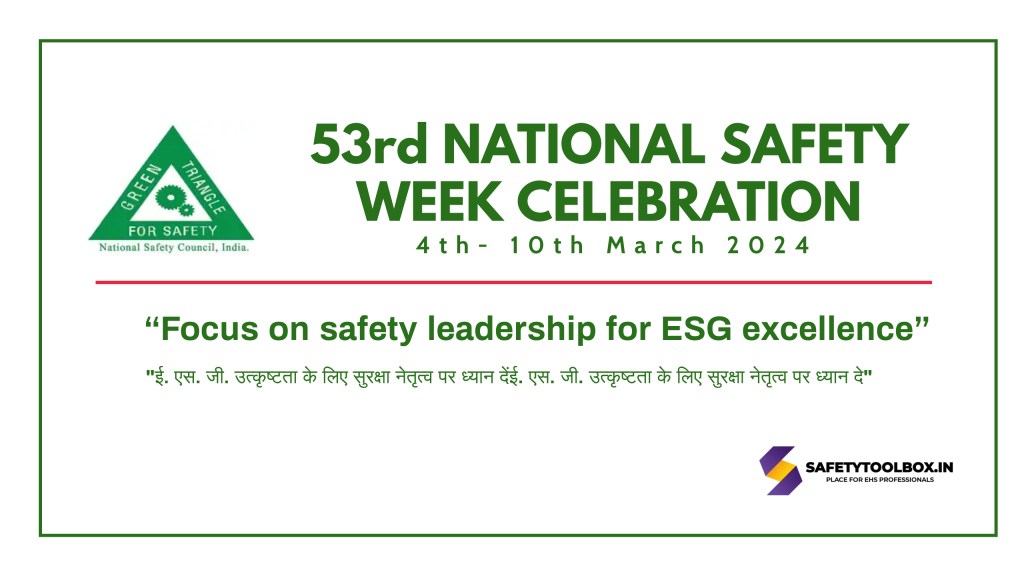
For nearly two decades, I’ve observed safety day celebrations come and go without so much as a blip on my radar. The sight of a new safety slogan plastered on the walls or the sound of yet another safety speech at a company event elicits little more than a weary sigh. Why? Because I’ve come to realize that true safety transformation doesn’t stem from catchy phrases or flashy celebrations. (2024 theme on Safety day here in India, the theme was a biggest joke with the greatest scam hoodwinked on World “ESG” linked to Safety”)
Instead, it’s rooted in something far more fundamental: leadership engagement, meticulous planning backed by robust systems, rigorous risk assessment, and relentless education. These are the cornerstones of a safety culture that goes beyond mere lip service and drives tangible results.
In this blog post, I want to delve into why safety slogans, posters, and celebrations often miss the mark when it comes to fostering a culture of safety. More importantly, I’ll explore the vital role that leadership, planning, risk assessment, and education play in effecting meaningful change and ensuring the well-being of every individual in the workplace.
So, if you’re tired of the same old rhetoric and ready to dig deeper into what it truly takes to build a safer work environment, stick around. We’re about to embark on a journey that challenges conventional wisdom and shines a light on the path to genuine safety transformation.
Let’s dive in.
Safety poster, events, celebrations are Antecedents, not consequences to trigger change!
Let’s dive into why safety slogans, posters, and celebrations might not be as effective as we’d like them to be in improving performance and morale in safety.
- Overuse and Ineffectiveness: Often, safety slogans and posters become background noise. They lose their impact when they’re everywhere but lack substance or action behind them.
- Lack of Personal Connection: Generic slogans and posters might not resonate with employees on a personal level. Without relevance to their daily tasks or experiences, they’re easily ignored.
- Surface-Level Solutions: Celebrations and slogans can sometimes be seen as superficial attempts to address safety issues, rather than addressing root causes or providing tangible solutions.
- Complacency: Constant exposure to safety messages without meaningful action can lead to complacency. People may start tuning out important safety information because they’re bombarded with it constantly.
- Need for Continuous Engagement: Safety isn’t a one-time event, and neither should safety interventions be. Slogans and posters might create short-term spikes in awareness, but sustained improvement requires ongoing engagement and support.
- Cultural Differences: What works in one culture or context may not work in another. Safety interventions need to be tailored to the specific needs and dynamics of the workforce.
So, while safety slogans, posters, and celebrations can be part of a broader safety strategy with linkage to other enablers, they’re unlikely to be effective on their own. It’s crucial to complement them with meaningful actions, ongoing communication, and a culture of safety that’s ingrained in every aspect of the organization.
It’s true that slogans, posters, and events often act as antecedents rather than catalysts for change in safety culture. While they may create temporary awareness, lasting transformation requires more impactful interventions.
Indeed, it’s the positive events that truly leave a mark and drive meaningful change in behavior and attitudes towards safety. These events aren’t just symbolic gestures; they’re transformative experiences that resonate deeply with individuals and organizations alike.
Consider moments like:
- Success Stories: Sharing stories of successful safety interventions or near-miss incidents can serve as powerful reminders of the importance of safety practices and encourage others to follow suit.
- Leadership Demonstrations: When leaders actively participate in safety initiatives, whether it’s conducting safety audits, leading by example, or openly prioritizing safety in decision-making, it sets a precedent that others are more likely to follow.
- Employee Recognition: Acknowledging and rewarding employees for their commitment to safety reinforces positive behaviors and motivates others to emulate them.
- Hands-On Training: Providing practical, hands-on training experiences that simulate real-world scenarios can enhance understanding and retention of safety protocols far more effectively than passive measures like posters or slogans.
- Open Communication Channels: Creating avenues for open dialogue and feedback empowers employees to voice their concerns, suggest improvements, and actively contribute to a safer work environment.
These events aren’t just fleeting moments; they’re catalysts for sustained change that resonate long after the initial impact. By focusing on experiences that truly resonate with individuals and drive meaningful behavior change, organizations can cultivate a safety culture that transcends superficial gestures and fosters genuine commitment to safety.
Slogans failing spectacularly and backfired:-
The examples of spectacular failure of slogans, like BP’s “Beyond Petroleum” or Boeing’s “Working Together, Delivering Success,” highlight the risk of relying solely on slogans without backing them up with meaningful action.
- BP’s “Beyond Petroleum”: This slogan famously backfired after the Deepwater Horizon oil spill in 2010. It revealed a stark contrast between the company’s environmental claims and its actual practices, damaging its reputation and credibility.
- Dupont’s Safety Slogans: Despite Dupont’s historical emphasis on safety and slogans like “Safety is Everyone’s Responsibility,” the company faced significant safety lapses and incidents over the years, showing that slogans alone are insufficient to prevent accidents.
- Boeing’s “Working Together, Delivering Success”: This slogan was overshadowed by the Boeing 737 Max crisis, where safety concerns were ignored or downplayed for the sake of profitability and timelines, leading to tragic consequences.
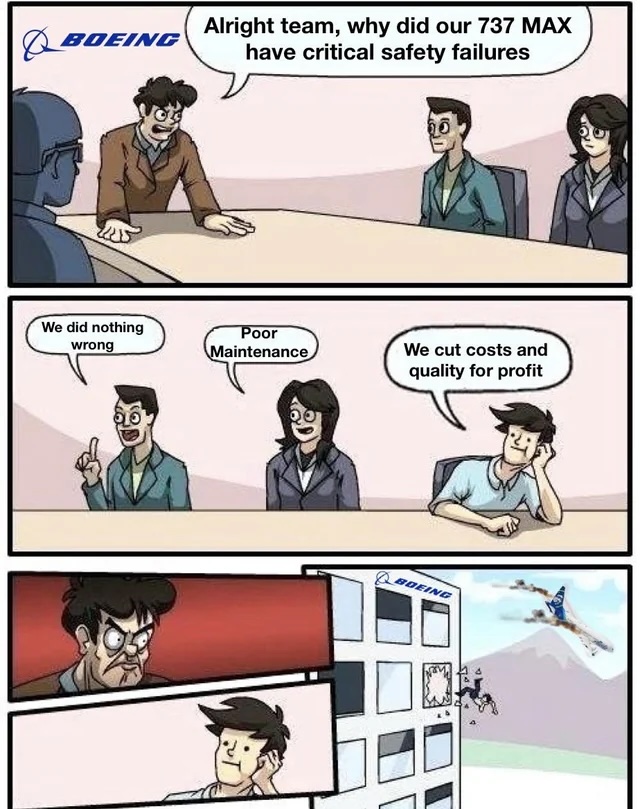
These examples underscore the importance of aligning slogans with organizational values and actions. Mere words are not enough; they must be backed by genuine commitment, resources, and a culture that prioritizes safety above all else.
It’s a sobering reminder that safety slogans, if not reinforced by concrete measures and a culture of accountability, can indeed fail spectacularly and even worsen the situation.
So what Organisations can do to bring the change without just Antecedants?
To sustain safety change, motivation, and engagement in the workplace, organizations can implement practical measures that go beyond slogans, posters, and events. Here are some meaningful strategies:
- Leadership Engagement: Ensure that leadership is actively involved in safety initiatives by demonstrating a genuine commitment to safety, providing resources and support, and actively participating in safety activities.
- Comprehensive Training Programs: Offer regular, hands-on training sessions that focus on real-world scenarios, practical skills, and continuous improvement. Incorporate interactive elements, such as simulations and role-playing exercises, to enhance learning and retention.
- Safety Culture Assessments: Conduct regular assessments to evaluate the organization’s safety culture, identify areas for improvement, and measure progress over time. Use feedback from employees to inform targeted interventions and address specific challenges.
- Employee Empowerment: Empower employees to take ownership of safety by involving them in safety committees, encouraging open communication, and soliciting their input on safety policies and procedures. Provide opportunities for skill development and recognition of safety contributions.
- Safety Incentive Programs: Implement incentive programs that reward safe behavior and recognize individuals and teams for their contributions to safety. Ensure that incentives are meaningful, fair, and aligned with organizational goals.
- Continuous Improvement Processes: Establish mechanisms for ongoing feedback, evaluation, and adaptation of safety processes and procedures. Encourage a culture of continuous improvement by regularly reviewing safety performance data, identifying trends and patterns, and implementing corrective actions as needed.
- Communication and Awareness Campaigns: Develop targeted communication campaigns that raise awareness of safety issues, promote best practices, and reinforce organizational values. Use a variety of channels, such as meetings, newsletters, intranet sites, and digital signage, to reach employees at all levels of the organization.
- Safety Mentorship Programs: Pair experienced employees with new hires or less experienced colleagues to provide guidance, support, and mentorship in safety practices. Foster a culture of learning and collaboration where knowledge sharing is encouraged and valued.
By implementing these practical strategies, organizations can create a culture of safety that is sustained over time, driving motivation, engagement, and positive outcomes for employees and the organization as a whole.
Conclusion:-
In conclusion, it’s evident that relying solely on safety slogans, posters, and events is insufficient to drive meaningful change in safety culture. While these may serve as initial triggers for awareness, sustained improvement requires a more holistic and practical approach.
By prioritizing leadership engagement,management systems, Engineering excellence, comprehensive training, employee empowerment, continuous improvement processes, and effective communication, organizations can create a safety culture that goes beyond superficial gestures and fosters genuine commitment to safety.
Let’s shift our focus from slogans plastered on walls to actions that truly make a difference. Together, let’s build a workplace where safety isn’t just a slogan but a way of life.
Here’s to a safer, healthier, and more productive future for all.
Keep safe, keep thriving.
Karthik
15th March 2024.
PS: I am hearing disturbed news coming on how Indian corporates funded political parties secretly on Electoral Bonds and used it as a tool to shy away from many of their responsibilities as good a corporate citizen. While the companies intent were always suspect at all times to put profit above & beyond everything,doing in nexus with politicians is cringeworthy! (More so CSR funds (Another Laughing stock) was siphoned from for donations!).!
The disturbing reality of companies bribing political parties in India to evade responsibility raises serious concerns about the integrity of corporate governance and the credibility of initiatives such as EHS, ESG, and CSR. The nexus between corporate interests and political influence undermines accountability and erodes trust in institutions, perpetuating a culture of impunity.
Furthermore, the introduction of electoral bonds, ostensibly to bring transparency to political funding, has only served to exacerbate these issues. Instead of fostering accountability, electoral bonds have provided a cloak of anonymity for companies to funnel funds to political parties without fear of repercussions.
In the face of these challenges, it’s imperative for all stakeholders to work together to root out corruption, strengthen regulatory frameworks, and promote transparency and accountability in corporate governance. Only then can we ensure that initiatives like EHS, ESG, and CSR truly serve their intended purpose and contribute to a more sustainable and equitable future for all.
Stay tuned for a more detailed exploration of this topic in an upcoming blog post.

 Health, Environment, Safety, Sustainability (HESS)