

#164

Context:I today wrote a personal blog on Issues that face younger generation.(LINK) This made me ponder as an EHS professional as to how Motivation is a key factor in sustaining life’s journey and its linkage to Mental Health. Hence this blog!
Introduction: Why Motivation Matters
In the bustling landscape of our professional lives, there exists an invisible force, a driving factor that propels us forward, shapes our actions, and ultimately determines our success. This force is none other than motivation – the powerhouse behind every achievement, innovation, and breakthrough.
But why does motivation matter so much? Beyond merely spurring us into action, motivation serves as the master conductor orchestrating the symphony of our endeavors. It is the fuel that ignites the flames of ambition, the compass guiding us toward our goals, and the unwavering beacon of determination in the face of adversity.
Moreover, the intertwining of motivation with engagement is the cornerstone of a positive mental health paradigm. When individuals are motivated and engaged in their work, they experience a profound sense of purpose and fulfillment. This intrinsic satisfaction acts as a protective shield, guarding against the onslaught of stress and burnout, while nurturing a resilient and flourishing mindset.
In this blog, we’ll delve into the intricacies of motivation, exploring its multifaceted nature and uncovering its profound impact on both individual and collective well-being. Join us on this journey as we unravel the mysteries of motivation, and discover how harnessing its power can pave the way for a brighter, more fulfilling future.
The Crucial Role of Motivation
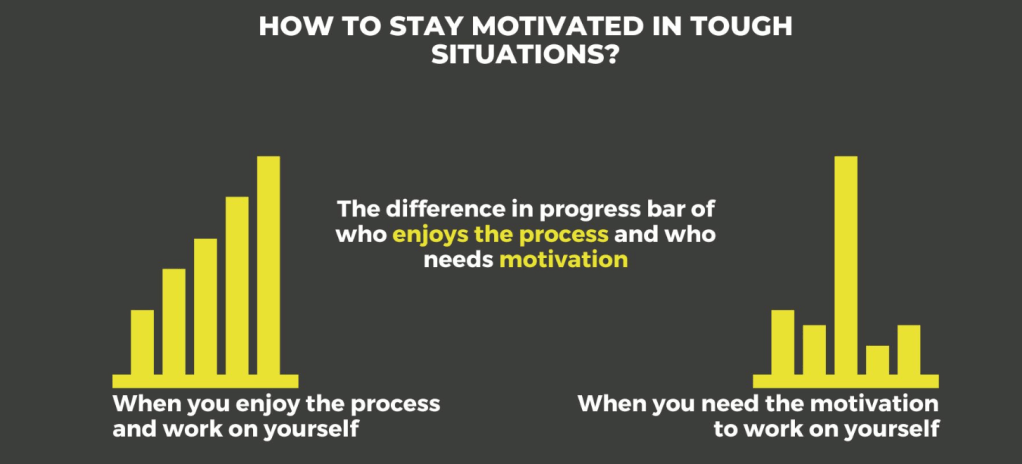
In the dynamic realm of the workplace, motivation stands as the bedrock upon which success is built. It serves as the driving force behind every task, decision, and accomplishment, propelling individuals and teams toward their objectives with unwavering determination.

Motivation is not merely a desirable trait; it is an indispensable factor in maintaining high levels of productivity, safety, and mental well-being. At its core, motivation fuels the engine of productivity, inspiring individuals to strive for excellence and surpass their own limitations.
Moreover, motivation plays a pivotal role in ensuring workplace safety. When employees are motivated, they exhibit heightened awareness, diligence, and commitment to following safety protocols and procedures. This proactive approach not only reduces the risk of accidents and injuries but also fosters a culture of responsibility and accountability.
Furthermore, the impact of motivation extends beyond tangible outcomes to encompass mental well-being. A motivated workforce is more likely to experience lower levels of stress, anxiety, and burnout, as they derive satisfaction and fulfillment from their work. This positive psychological state not only enhances individual resilience but also cultivates a harmonious and supportive work environment.
In essence, motivation is the lifeblood of the workplace, driving productivity, safety, and mental well-being in equal measure. By nurturing a culture of motivation, organizations can unlock the full potential of their workforce and chart a course toward sustained success and prosperity.
Types of Motivation
a. Intrinsic Motivation
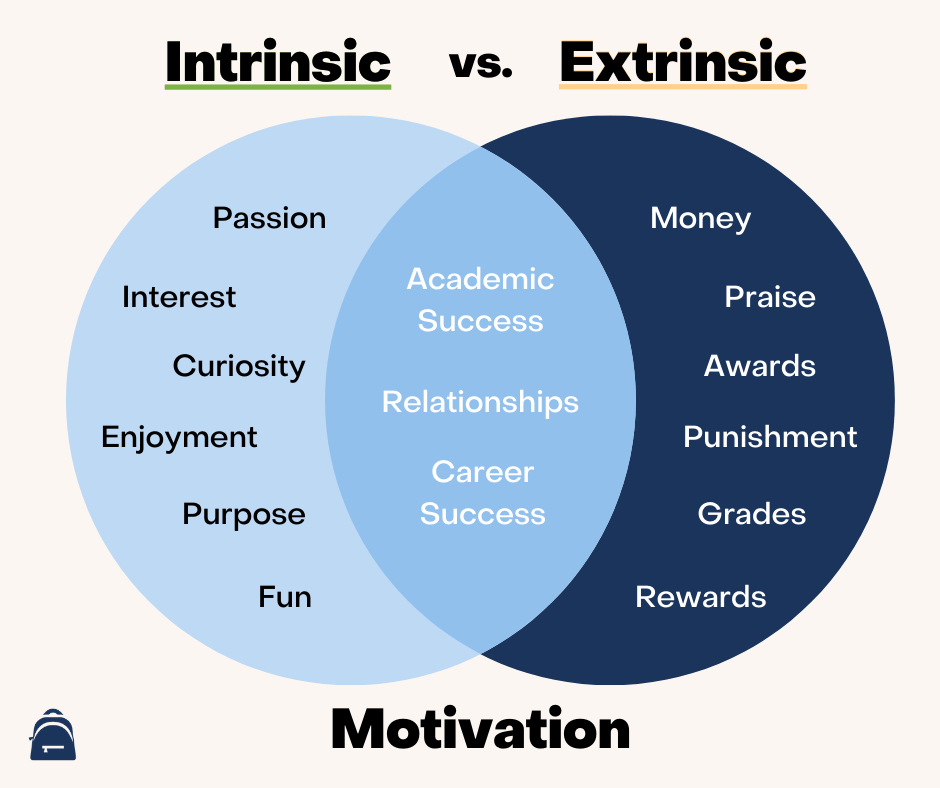
Intrinsic motivation is the internal drive that compels individuals to engage in activities because they find them inherently satisfying, enjoyable, or fulfilling. It arises from within oneself, driven by personal interests, passions, and values rather than external rewards or pressures.
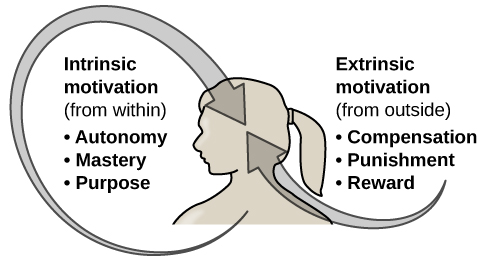
Examples of intrinsic motivation include:
- Passion for the Work: When individuals genuinely enjoy what they do, they are intrinsically motivated to excel in their tasks. For instance, a graphic designer who loves creating art may feel motivated to produce high-quality designs simply because it brings them joy.
- Personal Growth: The desire for self-improvement and learning can be a powerful intrinsic motivator. For example, an employee who seeks out challenging assignments to expand their skills and knowledge is driven by their intrinsic motivation for personal growth.
- Sense of Achievement: Accomplishing meaningful goals and milestones can be deeply satisfying and motivating. Whether it’s completing a project, mastering a new skill, or overcoming obstacles, the sense of achievement derived from these experiences fuels intrinsic motivation.
Fostering intrinsic motivation is essential for promoting higher job satisfaction and engagement among employees. When individuals are intrinsically motivated, they are more likely to experience a genuine sense of fulfillment and purpose in their work. This, in turn, leads to increased job satisfaction, as they derive meaning and satisfaction from the tasks themselves rather than external rewards.
Moreover, intrinsic motivation fuels higher levels of engagement, as individuals are naturally driven to invest their time and energy in activities that align with their interests and values. They are more likely to be proactive, innovative, and committed to achieving excellence, contributing positively to organizational success.
b. Extrinsic Motivation
Extrinsic motivation, on the other hand, stems from external factors such as rewards, recognition, or punishments. Individuals are driven to engage in activities not necessarily because they find them inherently enjoyable or satisfying, but rather to attain external rewards or avoid negative consequences.
Examples of extrinsic motivation include:
- Salary: Monetary compensation serves as a primary extrinsic motivator for many individuals. Employees work to earn a paycheck and support themselves and their families financially.
- Bonuses and Promotions: The promise of additional rewards or advancement opportunities can incentivize individuals to perform at a higher level. For instance, employees may work harder or take on additional responsibilities in hopes of receiving a bonus or securing a promotion.
- Recognition: Acknowledgment and praise from supervisors or peers can be a powerful extrinsic motivator. Employees may seek recognition for their accomplishments, such as receiving awards or being publicly praised, as it validates their efforts and boosts their morale.
While extrinsic motivators can be effective in driving short-term performance, they may not always lead to long-term satisfaction or commitment. According to Self-Determination Theory (SDT), extrinsic motivators can undermine intrinsic motivation if they are perceived as controlling or coercive. For example, employees who feel pressured to meet certain targets or receive rewards may become less intrinsically motivated to engage in the tasks.
In summary, both intrinsic and extrinsic motivation play crucial roles in driving behavior and performance in the workplace. While extrinsic motivators can provide tangible rewards and incentives, intrinsic motivation fosters a deeper sense of fulfillment, purpose, and engagement. Balancing both types of motivation is key to cultivating a motivated and high-performing workforce.
Hygiene Factors at Work: Maintaining the Basics

In the realm of workplace motivation, Frederick Herzberg’s Two-Factor Theory sheds light on the distinction between factors that merely prevent dissatisfaction and those that truly inspire motivation. Hygiene factors represent the former category – elements that, when absent, can breed discontent but do not necessarily cultivate motivation when present.
Examples of hygiene factors include:
- Working Conditions: The physical environment in which employees operate, including factors such as temperature, lighting, cleanliness, and ergonomic design.
- Company Policies: The rules, regulations, and procedures governing various aspects of employment, such as attendance, leave policies, and performance evaluations.
- Salary: The compensation and benefits package offered to employees, including base pay, bonuses, incentives, and fringe benefits.
- Job Security: The assurance that one’s employment is stable and secure, free from the threat of layoffs, downsizing, or economic uncertainty.
While addressing hygiene factors is crucial for preventing dissatisfaction and maintaining a baseline level of employee well-being, it’s essential to recognize that they alone may not be sufficient to inspire motivation. Employees may feel neutral or even satisfied when hygiene factors are adequately addressed, but they may not necessarily feel motivated to perform at their best or go above and beyond in their roles.
Instead, true motivation stems from factors related to job content, growth opportunities, recognition, and a sense of purpose – elements often referred to as motivators in Herzberg’s theory. Motivators, unlike hygiene factors, are intrinsic to the nature of the work itself and have the power to inspire passion, engagement, and commitment.
Therefore, while it’s essential for organizations to address hygiene factors to prevent demotivation and maintain a positive work environment, they must also go beyond these basics to cultivate a culture of motivation. By providing meaningful work, opportunities for growth and development, recognition for achievements, and a clear sense of purpose, organizations can unlock the full potential of their employees and foster a truly motivated and high-performing workforce.
In summary, while hygiene factors serve as the foundation for a positive work environment, they alone may not lead to sustained motivation. Organizations must address both hygiene factors and motivators to create an environment where employees feel valued, engaged, and inspired to excel.

Unlocking Engagement: The Power of Autonomy, Mastery, and Purpose

In his groundbreaking book “Drive,” Dan Pink explores the intrinsic drivers of motivation that transcend traditional notions of rewards and punishments. At the heart of Pink’s thesis are three core elements: autonomy, mastery, and purpose – pillars that underpin a new paradigm for fostering engagement and fulfillment in the workplace.
1. Autonomy:
Autonomy refers to the desire to direct our own lives, to be self-directed, and to have control over our actions and decisions. In the workplace, autonomy empowers individuals to choose how they work, what projects they pursue, and when and where they do their work.
When employees are granted autonomy, they feel a sense of ownership and responsibility for their tasks, leading to increased creativity, innovation, and productivity. Instead of being micromanaged or dictated to, they are free to unleash their full potential and leverage their unique strengths and talents.
Empowering individuals with autonomy not only enhances their job satisfaction but also fosters a culture of trust and respect within the organization. By relinquishing control and embracing autonomy, leaders can unleash the untapped potential of their teams and cultivate a dynamic and high-performing workplace culture.
2. Mastery:
Mastery is the pursuit of continuous improvement and the desire to become better at something that matters. It involves setting challenging goals, seeking feedback, and dedicating oneself to the relentless pursuit of excellence.
In the context of the workplace, mastery entails providing employees with opportunities for skill development, growth, and learning. Whether it’s mastering a new technology, honing a specialized skill, or mastering a complex task, the journey toward mastery is inherently fulfilling and rewarding.
When individuals are encouraged to pursue mastery, they experience a sense of accomplishment and progress, fueling their intrinsic motivation and engagement. By fostering a culture of learning and development, organizations can empower their employees to reach new heights of performance and innovation.
3. Purpose:
Purpose is the sense of meaning and significance derived from contributing to something greater than oneself. It involves connecting one’s work to a larger mission or cause and understanding how it positively impacts others and the world at large.
In today’s rapidly evolving world, employees increasingly seek meaning and purpose in their work beyond financial compensation. Organizations that articulate a compelling purpose and align their values with those of their employees are better positioned to attract, retain, and motivate top talent.
When individuals feel connected to a meaningful purpose, they are more engaged, committed, and resilient in the face of challenges. Purpose-driven organizations not only inspire their employees to excel but also make a positive impact on society and the world.
In conclusion, autonomy, mastery, and purpose are powerful drivers of engagement and fulfillment in the workplace. By embracing these principles and fostering a culture that values autonomy, encourages mastery, and articulates a compelling purpose, organizations can unlock the full potential of their employees and create a thriving and sustainable future.
Strategies for Self-Motivation: Fueling Your Inner Drive
In the pursuit of sustained motivation and personal fulfillment, individuals can harness a range of strategies to ignite their inner drive and propel themselves toward success. Here are three key approaches to cultivate self-motivation:
- Align with Intrinsic Motivators: Encourage individuals to tap into their intrinsic motivators by aligning their work with their passions and values. When individuals engage in tasks that resonate with their interests and beliefs, they are more likely to experience a sense of purpose and fulfillment. Encourage reflection on personal strengths, interests, and values, and explore ways to incorporate them into daily work tasks and long-term goals.
- Set Meaningful Goals and Celebrate Achievements: Suggest setting clear, meaningful goals that provide direction and purpose. Break down larger objectives into smaller, manageable milestones, and celebrate achievements along the way. Recognition of progress, no matter how small, reinforces positive behaviors and fuels motivation to continue moving forward. Encourage individuals to acknowledge their accomplishments and express gratitude for their efforts and achievements.
- Embrace Growth and Self-Care: Advocate for a holistic approach to self-motivation that prioritizes personal growth, learning, and well-being. Encourage individuals to seek out opportunities for growth and development, whether through formal education, skill-building workshops, or mentorship programs. Additionally, emphasize the importance of maintaining a positive mindset, practicing self-care, and managing stress effectively. Encourage activities such as mindfulness, exercise, hobbies, and social connections to recharge and rejuvenate.
By embracing these strategies for self-motivation, individuals can cultivate a strong sense of purpose, resilience, and drive to pursue their goals and aspirations. Through alignment with intrinsic motivators, setting meaningful goals, and prioritizing personal growth and well-being, individuals can unlock their full potential and thrive in both their personal and professional lives.
The Vital Link Between Motivation and Mental Health
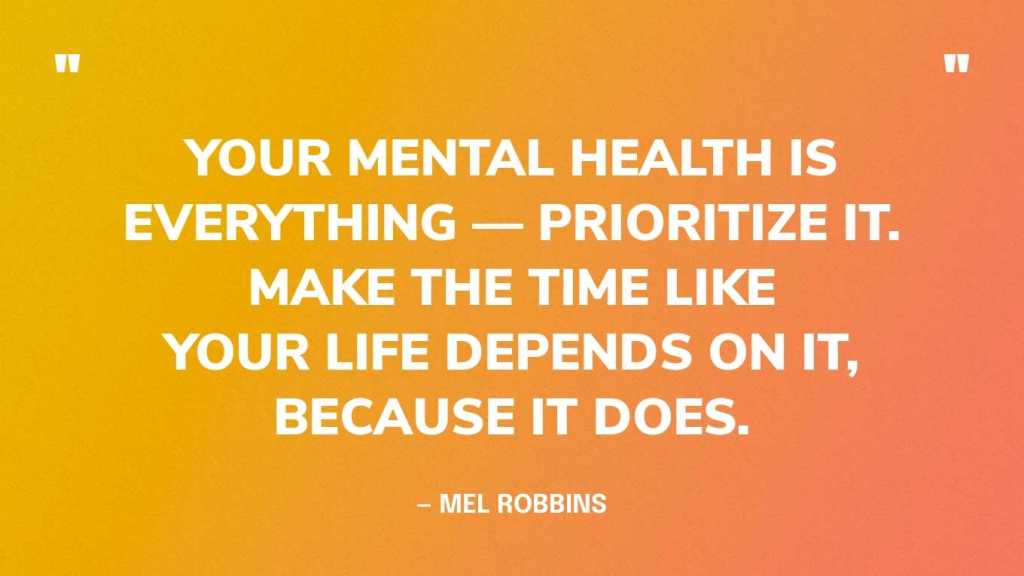
In the intricate tapestry of mental health, motivation emerges as a powerful thread, weaving its way through our thoughts, emotions, and behaviors, shaping our overall well-being. Here’s how motivation serves as a cornerstone for mental health:
- Sense of Purpose and Fulfillment: Motivation imbues our lives with a sense of purpose and direction. When we are driven by goals that align with our values and aspirations, we experience a profound sense of fulfillment and satisfaction. This sense of purpose acts as a guiding light, illuminating our path and infusing our lives with meaning, even in the face of adversity.
- Resilience and Coping with Challenges: Motivation fortifies our resilience, empowering us to navigate life’s challenges with courage and determination. When we are driven by intrinsic motivators – such as passion for our work or a desire to make a positive impact – we are better equipped to overcome obstacles and setbacks. Motivation fuels our perseverance and resourcefulness, enabling us to bounce back from setbacks and emerge stronger and more resilient than before.
- Maintaining a Healthy Work-Life Balance: Motivation plays a pivotal role in maintaining a healthy work-life balance. When we are motivated and engaged in our work, we are more likely to approach our responsibilities with focus, efficiency, and enthusiasm. However, it’s equally important to prioritize self-care and downtime to replenish our energy and prevent burnout. Motivation helps us strike a balance between our professional ambitions and our personal well-being, allowing us to thrive in both domains.
- Addressing Motivational Issues Early: Recognizing and addressing motivational issues early is crucial for safeguarding our mental health and well-being. When we experience a lack of motivation or disengagement, it can signal underlying challenges such as stress, burnout, or dissatisfaction. By proactively addressing these issues – whether through self-reflection, seeking support from others, or making adjustments to our goals and priorities – we can prevent them from escalating and mitigate their impact on our mental health.

In essence, motivation serves as a catalyst for mental health, fueling our sense of purpose, resilience, and well-being. By nurturing our motivation and addressing motivational issues early, we can cultivate a positive mindset, navigate life’s challenges with grace, and lead fulfilling and balanced lives.
My Personal Insights: Navigating the Journey of Motivation and Resilience
In my own journey, I’ve come to realize that failures are not stumbling blocks but rather stepping stones to success. Each setback has served as a valuable lesson, propelling me forward with newfound wisdom and resilience. It’s through facing challenges head-on that we uncover our true strengths and capabilities, emerging stronger and more determined than before.
Furthermore, I firmly believe that experiencing financial recessions and job losses (Being Fired) are rites of passage in the journey of professional growth. These trials test our resilience, resourcefulness, and adaptability, forcing us to reassess our priorities and chart a new course forward. They remind us that setbacks are temporary and that with perseverance and determination, we can overcome even the most daunting obstacles.
Moreover, learning from failures is essential for personal and professional development. As the adage goes, “fool me once, shame on you; fool me twice, shame on me.” It’s crucial to extract valuable insights from our mistakes and shortcomings, using them as opportunities for growth and improvement. In the realm of EHS work, there are ample opportunities to learn and evolve, with each challenge presenting a chance to refine our skills and knowledge.
Maintaining physical health is also paramount for sustaining motivation and well-being. A sound mind resides in a sound body, and prioritizing self-care is essential for navigating the demands of the workplace with vitality and resilience. Additionally, seeking guidance and support from mentors or managers fosters collaboration and problem-solving, reminding us that we don’t have to navigate the complexities of work alone. Always seek out for help. You would be surprised, I cried on an international call, when my physical health was at its worst and you all know how EHS work requires a strong physical health.! ( I didnt feel any shame- High “D” We have no shame!)! Also, I have never allowed issues to affect me mentally; even the day I resigned from my job at moment’s notice, (10 minutes prior- Resignation was eons away, I guess) I was calm, cool and composed and felt this is a new opportunity for a new way of life. Sure it was!

In essence, embracing failures as learning opportunities, weathering professional challenges with resilience, and prioritizing holistic well-being are essential ingredients for sustaining motivation and achieving success in both work and life.

Conclusion: Nurturing Motivation and Well-being in the Workplace
In the dynamic landscape of the workplace, motivation emerges as a potent force driving productivity, engagement, and fulfillment. By understanding the interplay of intrinsic and extrinsic factors, as well as the significance of addressing hygiene factors, individuals can unlock the key to sustained motivation and well-being.
Intrinsic motivation, stemming from within oneself, fuels passion, purpose, and personal growth. (Autonomy, Mastery, Purpose) It fosters a deep sense of satisfaction and engagement, propelling individuals to excel in their endeavors. Meanwhile, extrinsic motivators such as rewards and recognition offer tangible incentives but may not always sustain long-term commitment.
Addressing hygiene factors, which prevent dissatisfaction but do not necessarily inspire motivation, is essential for maintaining a positive work environment. From working conditions to job security, attending to these foundational elements lays the groundwork for motivation to flourish.
Moreover, self-awareness and proactive measures are crucial for nurturing motivation and safeguarding mental health. By aligning work with personal values, setting meaningful goals, and prioritizing self-care, individuals can cultivate resilience, vitality, and balance in their professional and personal lives.
Let us embark on this journey of motivation and well-being together, empowering ourselves and others to lead fulfilling and impactful lives in both work and beyond. Remember, the path to sustained motivation and well-being is a continuous journey of growth and self-discovery.
Thank you for joining me on this exploration, and may your journey be filled with purpose, resilience, and joy.
Karthik
17/3/24 1700 Hrs
Image Owners copyright. Used for illustration purpose only!

 Health, Environment, Safety, Sustainability (HESS)