

#165
“STUNNED SILENCE“-To Quote from my Boss, Anthony Wareham, when nothing being the response, to his questions!!

A concerning trend is emerging in boardrooms and meeting rooms across organizations worldwide: when leaders solicit input from their teams, they’re often met with a stunned silence. This silence speaks volumes about the state of communication within today’s workplaces and raises red flags about the potential stifling of innovation and productivity. It’s not just a phenomenon observed by seasoned managers in their 60s and 70s; it’s a pervasive issue that demands attention and introspection from leaders of all ages and backgrounds.

As someone deeply invested in the dynamics of organizational communication and effectiveness, I’ve been witnessing this trend with growing concern. My colleagues from my generation echo my observations, expressing worries about the implications of not speaking up on the innovation and vitality of our organizations. This week, an article in the Financial Times shedding light on the phenomenon of “Not Speaking Up” further fueled my reflections on this critical topic.
In this blog post, I aim to delve into the root causes of this reluctance to speak up, explore its implications on innovation and productivity, and propose strategies for fostering a culture of open communication and constructive dissent within organizations. Through sharing my insights and inviting feedback and discussion, I hope to contribute to a meaningful dialogue on how we can address this challenge and cultivate environments where every voice is heard, valued, and empowered to drive positive change.
Why Speaking up is becoming rare these days?
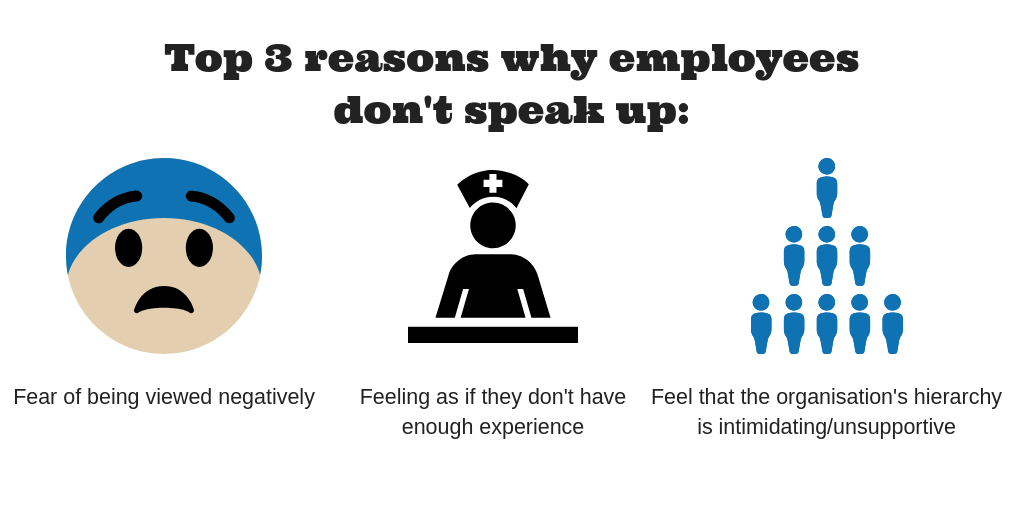
The decline in speaking up is a multifaceted issue with various factors contributing to its prevalence worldwide. Let’s delve into some of the potential reasons:
- Fear of Reprisal: In many organizations, there exists a culture where speaking up is perceived as risky. Employees may fear backlash, retribution, or even jeopardizing their career advancement by voicing dissenting opinions.
- Hierarchy and Power Dynamics: Hierarchical structures within organizations often stifle open communication. Employees may feel intimidated by senior management or perceive their input as less valuable due to their position in the organizational hierarchy.
- Cultural Norms: Cultural norms and societal expectations can influence individuals’ willingness to speak up. In some cultures, deference to authority and avoiding confrontation may take precedence over expressing dissenting views.
- Lack of Psychological Safety: Psychological safety, or the belief that one can speak up without fear of negative consequences, is crucial for fostering open communication. When employees feel psychologically unsafe, they are less likely to voice their opinions or raise concerns.
- Communication Technology: The rise of digital communication tools may contribute to the decline in face-to-face interactions and meaningful dialogue. Employees may resort to email or messaging platforms for communication, which can hinder open discussion and collaboration.
- Busy Work Environments: In fast-paced work environments, employees may prioritize completing tasks over engaging in discussions or raising concerns. The pressure to meet deadlines and achieve targets may deter individuals from taking the time to speak up.
- Generational Differences: While it’s challenging to generalize, generational differences may play a role in the decline of speaking up. Younger generations, such as Millennials and Gen Z, are often characterized as valuing transparency, authenticity, and collaboration. However, they may also have different communication preferences and expectations compared to older generations.
- Lack of Role Models: The absence of visible role models who encourage open communication and constructive dissent can contribute to the decline in speaking up. When employees do not see leaders or peers modeling this behavior, they may be less inclined to speak up themselves.
- Organizational Culture: Ultimately, organizational culture plays a significant role in shaping employees’ behavior and attitudes towards speaking up. Cultures that prioritize transparency, accountability, and psychological safety are more likely to foster open communication and constructive dissent.
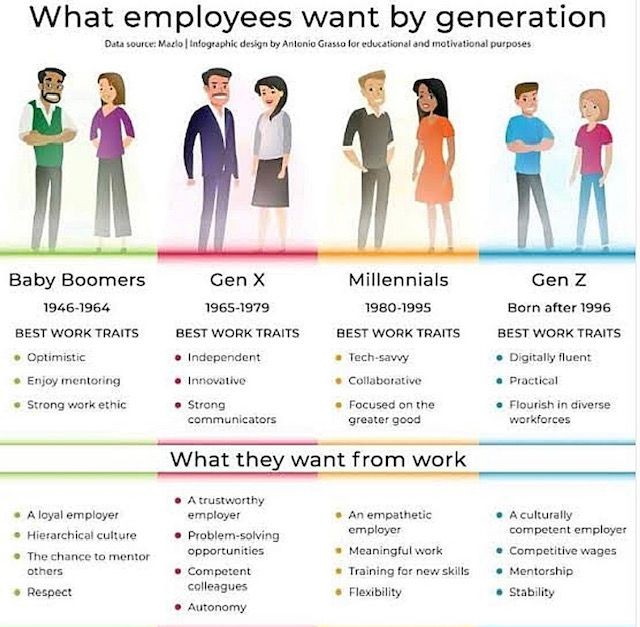
It’s essential to recognize that the decline in speaking up is a complex issue influenced by a combination of factors, including organizational dynamics, cultural norms, and individual attitudes. Addressing this challenge requires a concerted effort from leaders to cultivate a culture that values and encourages open communication, constructive dissent, and continuous improvement.
How not speaking up can undermine EHS efforts? What EHS Leaders can do?

Not speaking up can indeed have significant ramifications for EHS (Environmental, Health, and Safety) efforts. Here’s how:
- Identifying Risks: When employees do not speak up about potential hazards or safety concerns in the workplace, it becomes challenging for EHS leaders to identify and mitigate risks effectively. Without input from frontline workers who are most familiar with day-to-day operations, critical risks may go unnoticed, leading to safety incidents or environmental hazards.
- Improving Safety Procedures/Protocols: Constructive feedback and input from employees are essential for continuously improving safety procedures and protocols. If employees hesitate to speak up about inefficiencies or shortcomings in existing safety measures, opportunities for improvement may be missed. This can result in outdated or inadequate safety protocols that fail to adequately protect workers and the environment.
- Fostering a Culture of Accountability: A culture of accountability relies on open communication and transparency. When employees do not feel comfortable speaking up about safety concerns or incidents, it undermines the foundation of accountability within the organization. Without accountability, there is a higher likelihood of safety lapses, compliance failures, and a lack of trust between management and employees.
EHS leaders can take proactive steps to address the issue of not speaking up and improve overall safety culture within the organization:
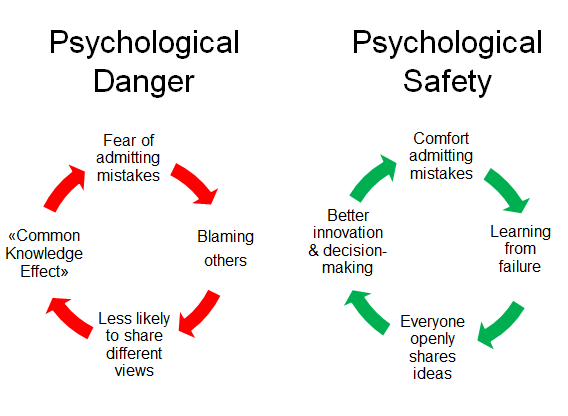
- Promote Psychological Safety: Create an environment where employees feel psychologically safe to speak up without fear of reprisal. Encourage open dialogue, active listening, and empathy among all levels of the organization.
- Provide Training and Education: Offer training programs and educational sessions to empower employees with the knowledge and skills necessary to identify and report safety hazards effectively. Ensure that employees understand the importance of speaking up and the potential impact on overall safety performance.
- Implement Anonymous Reporting Mechanisms: Establish anonymous reporting mechanisms, such as hotlines or suggestion boxes, to encourage employees to report safety concerns confidentially. This can help overcome barriers to speaking up, particularly in situations where employees may fear retaliation or stigma.
- Lead by Example: EHS leaders should lead by example and demonstrate a commitment to open communication and transparency. Encourage managers and supervisors to actively seek feedback from their teams and respond constructively to concerns raised.
- Recognize and Reward Speaking Up: Acknowledge and reward employees who demonstrate a willingness to speak up about safety issues or propose innovative solutions. Celebrate instances where speaking up leads to positive outcomes, such as hazard identification or process improvements.
- Regularly Review and Update Procedures: Continuously review and update safety procedures and protocols based on feedback from employees and lessons learned from incidents or near misses. Involve frontline workers in the decision-making process to ensure that procedures are practical and effective in real-world scenarios.
By taking these proactive measures, EHS leaders can create a culture where speaking up is not only encouraged but valued as a crucial component of maintaining a safe and healthy work environment. This, in turn, enhances risk identification and mitigation efforts, improves safety protocols, and fosters a culture of accountability throughout the organization.
What is Leadership Role to make people speak up?
Leaders play a pivotal role in shaping the culture of dissent within organizations. By fostering an environment where open communication and constructive disagreement are encouraged, leaders can unleash the full potential of their teams and drive innovation. Let’s explore this further with examples from influential leaders like Steve Jobs and Sam Goldwyn:

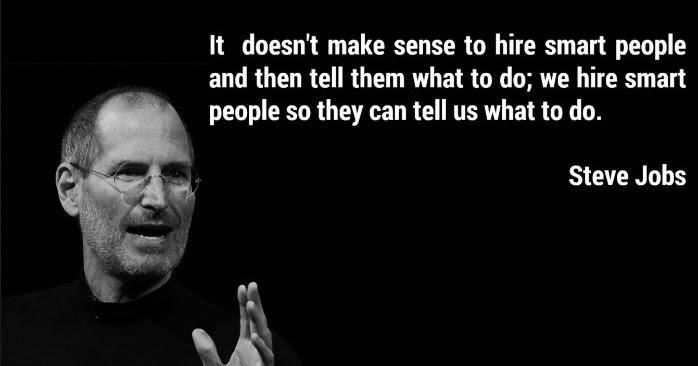
- Steve Jobs: Steve Jobs, co-founder of Apple Inc., was known for his visionary leadership and relentless pursuit of excellence. Jobs understood the value of dissent as a catalyst for innovation. He famously said, “It doesn’t make sense to hire smart people and tell them what to do; we hire smart people so they can tell us what to do.”Jobs encouraged spirited debate and welcomed dissenting viewpoints within Apple’s culture. He believed that by challenging ideas and pushing boundaries, his team could achieve breakthrough innovations. For example, during the development of the original Macintosh computer, Jobs fostered a culture of intense debate and creative friction among his team members. This environment ultimately led to the creation of a revolutionary product that changed the course of personal computing.
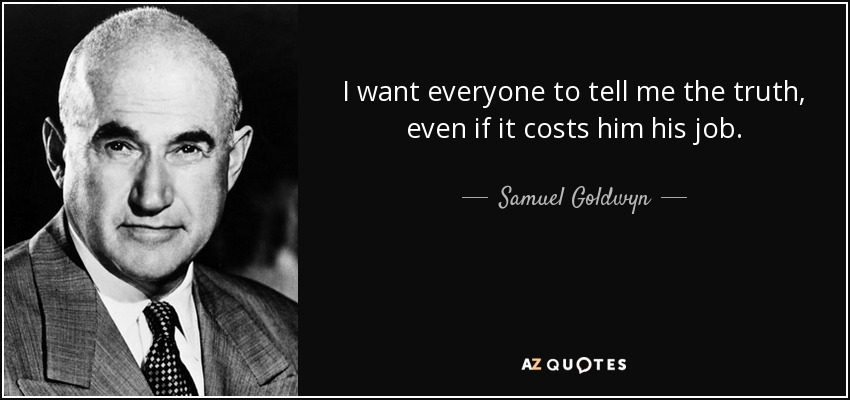
- Sam Goldwyn: Sam Goldwyn, a pioneering film producer and co-founder of Metro-Goldwyn-Mayer (MGM), also recognized the importance of dissent in driving creative excellence. Goldwyn famously said, “I don’t want any yes-men around me. I want everybody to tell me the truth even if it costs them their job.”Goldwyn understood that surrounding himself with individuals who were unafraid to challenge his ideas and offer honest feedback was essential for success in the competitive film industry. He actively sought out diverse perspectives and valued dissent as a means of refining his creative vision and improving the quality of his films.
The examples of Steve Jobs and Sam Goldwyn highlight the importance of leaders setting the tone for open communication and actively soliciting feedback within their organizations. Here’s why this is crucial:
- Fostering Innovation: By creating an environment where dissent is valued and encouraged, leaders can stimulate creativity and innovation within their teams. Diverse perspectives and constructive disagreement can lead to breakthrough ideas and novel solutions to complex problems.
- Building Trust and Respect: Leaders who welcome dissent demonstrate a commitment to transparency, integrity, and respect for their team members. Employees feel empowered to voice their opinions knowing that their input will be valued and considered, regardless of hierarchy.
- Avoiding Groupthink: Groupthink, or the tendency for group members to conform to consensus views and suppress dissenting opinions, can stifle critical thinking and lead to poor decision-making. Leaders who actively solicit feedback and encourage dissent can help mitigate the risks associated with groupthink and promote more robust decision-making processes.
- Driving Continuous Improvement: Open communication and constructive dissent enable organizations to identify areas for improvement and implement necessary changes more effectively. Leaders who set the tone for open communication create a culture of continuous learning and adaptation, driving long-term success.

In summary, leaders play a crucial role in shaping the culture of dissent within organizations. By fostering an environment where open communication, constructive disagreement, and feedback are valued and encouraged, leaders can unleash the full potential of their teams, drive innovation, and achieve sustainable growth and success.


Why Open door Policy and you can discuss anything with me dont work?
The concept of an open-door policy, where employees are encouraged to approach their managers with any concerns or feedback, is often touted as a way to foster transparency and communication within organizations. However, in practice, open-door policies may not always be effective for several reasons:
- Perceived Power Dynamics: Many employees may hesitate to take advantage of an open-door policy due to perceived power dynamics with their managers. They may fear repercussions or retaliation if they raise concerns or disagree with their superiors, even if the policy ostensibly encourages open communication.
- Lack of Trust: In some cases, employees may not trust that their concerns will be addressed or taken seriously by management, despite the existence of an open-door policy. This lack of trust can stem from past experiences or a perception of management as unapproachable or indifferent to employee feedback.
- Cultural Barriers: Organizational culture plays a significant role in the effectiveness of open-door policies. In cultures where hierarchical structures are deeply ingrained or where there is a lack of psychological safety, employees may feel uncomfortable speaking up, regardless of the policy in place.
- Managerial Accessibility: Even with an open-door policy in place, managers may not always be accessible or approachable to their employees. Busy schedules, competing priorities, or physical barriers such as closed office doors can hinder employees’ ability to engage with their managers.
- Fear of Reprisal: Employees may fear reprisal or negative consequences for speaking up, particularly if they perceive their managers as having significant power or influence over their careers. This fear can deter employees from taking advantage of open-door policies, even if they have legitimate concerns.
To address these challenges and make open-door policies more effective, organizations and managers can take proactive steps such as:
- Building Trust: Cultivate a culture of trust and psychological safety where employees feel comfortable speaking up and providing feedback without fear of reprisal.
- Leading by Example: Managers should lead by example and demonstrate a genuine commitment to listening to and acting on employee concerns. They should actively solicit feedback, follow up on issues raised, and communicate transparently with their teams.
- Training and Education: Provide training and education for both managers and employees on effective communication, conflict resolution, and the importance of feedback. Equip managers with the skills and tools necessary to foster open dialogue and address employee concerns sensitively.
- Creating Multiple Channels for Communication: In addition to open-door policies, organizations should provide multiple channels for employees to voice their concerns and provide feedback, such as anonymous suggestion boxes, employee surveys, or regular town hall meetings.
- Ensuring Accountability: Hold managers accountable for maintaining open lines of communication and addressing employee concerns in a timely and effective manner. Recognize and reward managers who actively engage with their teams and demonstrate a commitment to openness and transparency.
By addressing these factors and actively promoting a culture of open communication and trust, organizations can overcome the limitations of open-door policies and create environments where employees feel empowered to voice their opinions and contribute to positive change.
How can be employees be made to speak up?


Empowering employees, building trust, fostering a culture of openness, and measuring progress on this journey can significantly contribute to encouraging employees to speak up. Here’s how each aspect can play a role:
- Empowering Employees: When employees feel empowered, they are more likely to speak up because they have a sense of ownership and agency over their work. Empowerment can take various forms, such as providing opportunities for skill development, delegating decision-making authority, and recognizing and rewarding employees for their contributions. By empowering employees, organizations demonstrate that they value and trust their employees’ judgment, which encourages them to voice their opinions and take initiative.
- Building Trust: Trust is the foundation of open communication and collaboration within organizations. When employees trust their leaders and colleagues, they feel more comfortable sharing their thoughts, concerns, and ideas. Building trust requires consistency, transparency, and integrity in all interactions. Leaders must demonstrate trustworthiness by keeping commitments, being honest and transparent, and fostering a supportive and respectful work environment. Trust enables employees to speak up without fear of judgment or reprisal, knowing that their input will be valued and respected.
- Fostering a Culture of Openness: Cultivating a culture of openness involves creating an environment where employees feel safe and encouraged to speak up, share their perspectives, and challenge the status quo. This requires leaders to actively listen to employees, encourage diverse viewpoints, and promote constructive dialogue. Openness also involves being transparent about decision-making processes, communicating openly about organizational goals and challenges, and welcoming feedback at all levels of the organization. A culture of openness signals to employees that their voices matter and that their input is essential for driving positive change.
- Measuring Progress: Measuring progress on the journey towards empowering employees and fostering open communication is essential for tracking success and identifying areas for improvement. Organizations can use various metrics to gauge progress, such as employee engagement surveys, feedback mechanisms, retention rates, and the frequency of employee-initiated ideas or suggestions. By regularly assessing progress and soliciting feedback from employees, organizations can identify barriers to speaking up and take proactive steps to address them. Additionally, celebrating milestones and recognizing achievements along the way reinforces the importance of speaking up and encourages continued participation from employees.
In summary, empowering employees, building trust, fostering a culture of openness, and measuring progress are interconnected elements that contribute to creating an environment where employees feel empowered to speak up. By prioritizing these aspects and actively working to cultivate a culture of open communication and collaboration, organizations can unlock the full potential of their employees and drive innovation, growth, and success.
Real life Case studies of organisations benefitting from Employee speak up:
Here are real-life examples of organizations that have successfully cultivated a culture of speaking up and the positive impact it has had on their EHS practices and overall performance:
- Toyota Motor Corporation: Toyota is renowned for its commitment to continuous improvement and employee involvement in problem-solving processes. One of the key elements of Toyota’s success is its culture of “kaizen,” which emphasizes continuous improvement and encourages employees at all levels to identify and address issues proactively.In terms of EHS practices, Toyota has implemented various initiatives to foster a culture of speaking up and safety awareness. For example, Toyota’s “Genchi Genbutsu” philosophy encourages employees to go to the source, observe operations firsthand, and identify opportunities for improvement. This approach empowers employees to speak up about potential safety hazards or inefficiencies in the workplace.Additionally, Toyota’s “Andon” system allows employees to stop production and notify management immediately if they identify any safety concerns or quality issues. This culture of openness and transparency ensures that safety issues are addressed promptly and effectively, ultimately leading to a safer work environment and improved EHS performance.
Other example is Google:-
2.Another notable example of speaking up leading to major productivity improvement and innovation for an organization is the case of Google’s “20% Time” policy.
Google is well-known for its innovative culture and has implemented various initiatives to encourage creativity and entrepreneurship among its employees. One such initiative is the “20% Time” policy, which allows employees to dedicate 20% of their work hours to pursuing projects of their choosing, even if unrelated to their primary job responsibilities.
The “20% Time” policy originated from Google’s founders, Larry Page and Sergey Brin, who believed in fostering a culture of experimentation and allowing employees the freedom to explore new ideas. This policy encourages employees to speak up about their passion projects and pursue innovative solutions to challenges they encounter in their work.
Several of Google’s most successful products and features have emerged from employees’ “20% Time” projects. For example:
- Gmail: One of Google’s most popular email services, Gmail, originated from a “20% Time” project by engineer Paul Buchheit. He saw an opportunity to create a better email experience and developed the prototype for Gmail, which eventually became a flagship product for Google.
- Google News: Google News, a service that aggregates news articles from various sources, was also born out of a “20% Time” project. Google engineer Krishna Bharat developed the idea as a response to the overwhelming amount of news available online, aiming to provide users with a convenient way to access relevant news articles.
- AdSense: Google’s AdSense advertising platform, which allows website owners to monetize their content through targeted ads, was another innovation that emerged from an employee’s “20% Time” project. Engineers at Google recognized the potential for serving contextual ads based on website content, leading to the development of AdSense.
These examples highlight how Google’s “20% Time” policy has empowered employees to speak up about their ideas and pursue innovative projects outside of their regular job duties. By providing employees with the freedom to explore new concepts and experiment with different approaches, Google has fostered a culture of creativity and entrepreneurship that has led to major productivity improvements and innovations for the organization.
The success of Gmail, Google News, AdSense, and numerous other products and features developed through the “20% Time” policy underscores the value of encouraging employees to speak up and pursue their passions, ultimately driving growth and innovation for the organization.
Continous Improvement:-
Continuous improvement is key to creating and sustaining a culture of speaking up within organizations. Here’s why it’s essential and how organizations can achieve it:
- Commitment to Growth: Emphasize to organizations that creating a culture of speaking up is not a one-time initiative but an ongoing journey. It requires a long-term commitment from leadership and employees alike to prioritize open communication, feedback, and collaboration.
- Regular Evaluation: Encourage organizations to regularly evaluate their communication practices and the effectiveness of their efforts to foster a culture of speaking up. This can include conducting employee surveys, holding focus groups, or soliciting feedback through anonymous channels to gauge employee perceptions and identify areas for improvement.
- Adaptability: Highlight the importance of being adaptable and willing to adjust strategies based on feedback and changing organizational dynamics. What works for one organization may not necessarily work for another, so it’s crucial to be flexible and open to trying new approaches.
- Leadership Support: Stress the role of leadership in championing continuous improvement efforts and modeling the behavior they wish to see in others. Leaders should actively solicit feedback, communicate openly, and demonstrate a willingness to listen and act on employee concerns.
- Employee Engagement: Engage employees in the process of continuous improvement by soliciting their input, involving them in decision-making, and recognizing and rewarding contributions to fostering a culture of speaking up. Employees are more likely to embrace change and actively participate in improvement efforts when they feel valued and included.
- Learning and Development: Encourage organizations to invest in learning and development initiatives that support communication skills, conflict resolution, and leadership development. By equipping employees with the tools and resources they need to effectively communicate and collaborate, organizations can facilitate continuous improvement in their culture of speaking up.
By emphasizing the importance of continuous improvement and providing practical guidance on how to achieve it, organizations can create a culture where speaking up is not only encouraged but ingrained in the fabric of the organization. This commitment to growth and evolution ensures that organizations remain responsive to the needs of their employees and adaptable to the ever-changing demands of the workplace.
Conclusion / Closure:-
In conclusion, fostering a culture of speaking up within organizations is not just a one-time effort but an ongoing journey of commitment and continuous improvement. By creating an environment where open communication, feedback, and collaboration are valued and encouraged, organizations can unlock the full potential of their employees and drive innovation, productivity, and overall success.
It’s essential for organizations to recognize that cultivating a culture of speaking up requires a long-term commitment from leadership and employees alike. Regular evaluation of communication practices, adaptability to changing dynamics, and strong leadership support are crucial elements in this journey.
As we’ve seen from real-life examples and best practices, organizations that prioritize speaking up and empower their employees to voice their opinions and ideas reap the rewards of improved safety practices, enhanced productivity, and innovation. By embracing continuous improvement and fostering a culture of openness and trust, organizations can create workplaces where employees feel empowered, valued, and inspired to make meaningful contributions.
In essence, the journey towards creating a culture of speaking up is not without its challenges, but the rewards are well worth the effort. Let’s commit to this journey together, recognizing that every step towards open communication and collaboration brings us closer to a safer, more productive, and thriving workplace for all.
I look forward to your thoughts?
Karthik
30/3/24.

 Health, Environment, Safety, Sustainability (HESS)