

#168
Navigating Your Career Path in Environmental Health and Safety (EHS): A Personal Journey

Introduction:
In the bustling corridors of career choices back in 1983, (My god, 40+ years?) amidst the cacophony of popular majors and the rush towards conventional paths, I found myself drawn to a field that gleamed like the sunrise—Environmental Science & Engineering. It wasn’t just about pursuing a degree; it was about embarking on a journey that resonated with my values and aspirations.
While many were flocking towards traditional disciplines, I saw in Environmental Science a realm where my passion for safeguarding our planet could intertwine with professional fulfillment. It wasn’t merely a career choice; it was a calling—a commitment to making a tangible difference in the world around me.
What appealed to me most about Environmental Science, was its promise of being a sunrise field, (in the field of Water, Waste Water treatment, Haz Waste management, besides Air pollution control,) one that was not yet inundated with the clamor of competitors vying for industry spots. It offered a unique blend of scientific rigor, technological innovation, and social responsibility—a combination that ignited a flame of excitement within me.
As I embarked on this journey, I realized that Applied Environmental Engineering wasn’t just about theoretical concepts and academic accolades; it was about embracing a holistic approach to problem-solving—one that encompassed environmental sustainability, health, and safety. They are intertwined. It was about understanding the intricate dance between human activities and the natural world and orchestrating harmony between the two.
In retrospect, choosing EHS as my career path was akin to setting sail on uncharted waters—a voyage filled with uncertainty, challenges, and boundless opportunities. Little did I know then that this decision would shape not only my professional trajectory but also my worldview and sense of purpose.
In the subsequent years, I witnessed the evolution of the Environmental Health and Safety (EHS) landscape—a transformation marked by regulatory reforms, technological advancements, and a growing awareness of sustainability imperatives. What began as a solitary pursuit soon burgeoned into a vibrant community of like-minded individuals united by a shared vision of creating safer, healthier, and more sustainable workplaces.
In this blog series, I aim to share not only my personal journey but also insights gleaned from years of navigating the ever-evolving terrain of EHS. From overcoming challenges to seizing opportunities, from honing technical skills to embracing the human dimension of safety—I invite you to embark on this expedition with me as we unravel the intricacies of building a fulfilling career in Environmental Health and Safety.
Whether you’re a seasoned professional seeking fresh perspectives or a budding enthusiast charting your course in EHS, let us embark on this voyage together—a journey fueled by curiosity, camaraderie, and a relentless pursuit of excellence.
++++
So what need to happen on this journey:-
Diversifying Your Skill Set: A Key to Success in the EHS Field
In the realm of Environmental Health and Safety (EHS), the journey towards professional growth and advancement is often paved with diverse experiences and a multifaceted skill set. One of the fundamental strategies for navigating this dynamic landscape is the deliberate cultivation of a wide array of skills and competencies.
Embracing Challenges from the Start
From the outset of my career, I recognized the importance of seeking out challenging environments that would not only test my abilities but also provide ample opportunities for growth. This led me to choose a Hazardous Chemical plant as the setting to set up a wastewater plant (1986 an emerging concept then post Bhopal the focus was on)—an endeavor that required both technical expertise and a keen understanding of Environmental and safety protocols.
Transitioning into Safety Professionalism
Three years into my career, I made a pivotal decision to transition into a safety professional role, driven not only by legal requirements but also by a desire to deepen my knowledge and skills in ensuring workplace safety. This move proved to be instrumental in broadening my perspective and enhancing my proficiency in mitigating risks within industrial settings.
The Philosophy of Preparedness
Central to my approach to career development is the philosophy of “sweating in peacetime and planning/preparing for war.” This ethos underscores the importance of proactive preparation and continuous learning, even in times of relative stability. By investing time and effort into acquiring diverse skills and knowledge, I sought to fortify myself for the challenges that lay ahead.
The Value of Diversification
Diversifying one’s skill set in the EHS field is akin to building a robust toolkit equipped to tackle a wide range of challenges. Whether it’s acquiring certifications in Safety diploma, Process Safety, Industrial Hygiene, or pursuing additional qualifications in areas like ISO standards or Lean Six Sigma, each new skill acquired enhances one’s value as a professional and opens doors to new opportunities.
+++++++++++
Continuous Learning:
In the ever-evolving landscape of Environmental Health and Safety (EHS), staying abreast of the latest regulations, technologies, and best practices is not just beneficial—it’s imperative. As the regulatory framework evolves and new challenges emerge, professionals must embrace a culture of continuous learning to remain at the forefront of their field.
Whether it’s attending workshops, seminars, webinars, or pursuing advanced degrees, the quest for knowledge should be ongoing. These opportunities not only provide valuable insights into emerging trends and innovations but also offer a platform for networking and collaboration with industry peers. In the 90s, I was lucky to learn Computer skills as well as new software language like WP, dBASE(III) which helped me to connect the dots on EHS data. Later Windows etc and Internet in late 90s made the sailing Smooth. (I now operate on Mac for past 11 years).
By investing in continuous learning, professionals can enhance their skills, expand their expertise, and position themselves as invaluable assets to their organizations.
Networking:
Building a robust professional network within the EHS community is not just about making connections—it’s about forging meaningful relationships that can propel your career forward. Whether it’s attending conferences, joining industry associations, or engaging with peers on platforms like LinkedIn, (Since withdrawn) networking opens doors to valuable insights, job opportunities, and mentorship.
Networking isn’t just about self-promotion; it’s about fostering a spirit of collaboration and knowledge sharing. By connecting with like-minded professionals, you can gain fresh perspectives, exchange ideas, and stay informed about industry developments.
In a field as dynamic and multifaceted as EHS, the power of networking cannot be overstated. It’s not just about who you know—it’s about the collective wisdom and support of a community united by a common purpose.
Specialization:
While having a broad knowledge base is undoubtedly valuable, there’s also merit in specializing in a specific area of EHS that aligns with your interests and expertise. Whether it’s environmental management, occupational health, risk assessment, or another niche, specialization allows you to delve deeper into your chosen field and become a recognized expert. I was lucky post 9/11, to lead teams on Product Stewardship (REACh, Business Continuity Management) and thus learn from my team.
By focusing your efforts on a particular area, you can not only deepen your knowledge but also carve out a niche for yourself within the industry. Specialization not only enhances your credibility but also opens up new opportunities for career advancement and professional growth.
In a world where specialization is increasingly valued, finding your niche in the vast landscape of EHS can set you apart and pave the way for a rewarding and fulfilling career journey.
++++++++
Cross-functional Collaboration:
In today’s interconnected business landscape, the importance of cross-functional collaboration cannot be overstated. My MBA in HR (Human Resources) serves as a testament to the power of integrating diverse perspectives and expertise to drive organizational success.
Collaborating with departments such as HR, operations, and engineering enables EHS professionals to embed safety into the fabric of organizational culture and processes. By forging alliances with stakeholders across the organization, you can champion initiatives that promote a culture of safety, enhance compliance with regulations, and mitigate risks proactively.
Effective cross-functional collaboration not only enhances safety outcomes but also fosters a sense of shared responsibility and accountability across departments. It’s about breaking down silos, fostering open communication, and working towards common goals that benefit the entire organization.
Leadership Development:
Leadership isn’t just about holding a title—it’s about inspiring others, driving change, and making a positive impact. As an EHS professional, pursuing opportunities to take on leadership roles within your organization or industry is essential for personal and professional growth. I was lucky to be selected to participate in Leadership programs.
Whether it’s leading safety committees, mentoring junior professionals, leading teams, or aspiring towards roles in EHS management, leadership development is a journey of continuous learning and self-improvement. It’s about honing your skills as a communicator, decision-maker, and change agent, while also fostering a culture of empowerment and accountability within your team.
By embracing leadership opportunities, you not only contribute to the success of your organization but also position yourself as a respected authority in the field of EHS. Leadership isn’t just a destination—it’s a journey of growth, resilience, and transformation.
Seek Feedback and Recognition:
Feedback is the cornerstone of personal and professional development. Actively seeking feedback from supervisors, peers, and subordinates provides invaluable insights into your strengths, areas for improvement, and opportunities for growth.
Additionally, seeking recognition for your contributions helps to validate your efforts, boost morale, and advance your career. Whether it’s through formal performance evaluations, informal acknowledgments, or awards and accolades, recognition fuels motivation and inspires continued excellence.
Remember, feedback and recognition are not just about accolades—they’re about fostering a culture of continuous improvement and excellence. By soliciting feedback and seeking recognition, you demonstrate your commitment to personal and professional growth while also inspiring others to strive for greatness.
++++++
Consultation:
For the past 12 years, I’ve had the privilege of offering consultation services in the realm of Environmental Health and Safety (EHS), drawing upon my extensive experience and global exposure to best practices. As I reflect on this journey, I’m reminded of the profound impact that consultation can have—not just on organizations but also on society as a whole.
Consultation is more than just providing expert advice—it’s about leveraging knowledge, experience, and insights to drive meaningful change and create tangible value. Whether it’s helping organizations navigate complex regulatory landscapes, optimize safety protocols, or enhance sustainability initiatives, consultation plays a pivotal role in shaping a safer, healthier, and more sustainable future.
Moreover, consultation offers a respite from the corporate politics and other challenges that often accompany traditional corporate roles. It provides an opportunity to focus on what truly matters—making a positive impact and giving back to society. By offering guidance and support to organizations striving to uphold the highest standards of EHS excellence, I find fulfillment in knowing that my efforts contribute to a safer and more sustainable world.
Perhaps most importantly, consultation allows for autonomy and freedom—the ability to chart your own course and choose your own sunset. In a world where the pace of change is relentless and the demands of corporate life can be overwhelming, consultancy offers a sense of control and flexibility, allowing individuals to pursue their passions and prioritize what truly matters.
As I continue on this journey of consultation, I’m reminded of the profound privilege and responsibility that comes with it. It’s not just about providing solutions—it’s about being a catalyst for positive change and leaving a lasting legacy that extends far beyond the confines of any boardroom or office.
Closeout:-
So, whether you’re just starting out in your EHS career or seeking a new direction, consider the transformative power of consultation. It’s not just a job—it’s a calling, a commitment to making a difference, and a pathway to shaping a brighter future for generations to come.
As the sun sets on another chapter of my career, I’m grateful for the opportunity to have played a small part in this journey—and I look forward to the adventures that lie ahead.
Karthik
6th April 1030am.
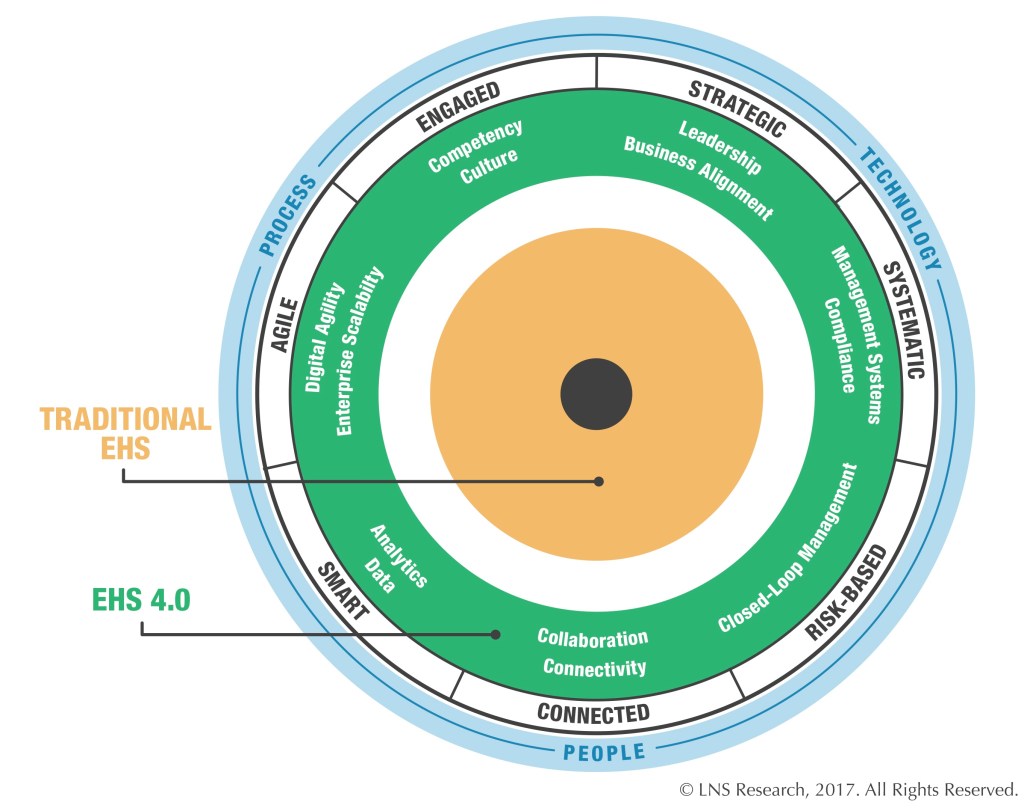
Figure for Reference. From WWW.

 Health, Environment, Safety, Sustainability (HESS)