

#170

Fear is a primal emotion triggered by the perception of danger, threat, or uncertainty. It serves as a survival mechanism, alerting us to potential harm and preparing us to respond appropriately. In the context of career development, fear can have significant implications.
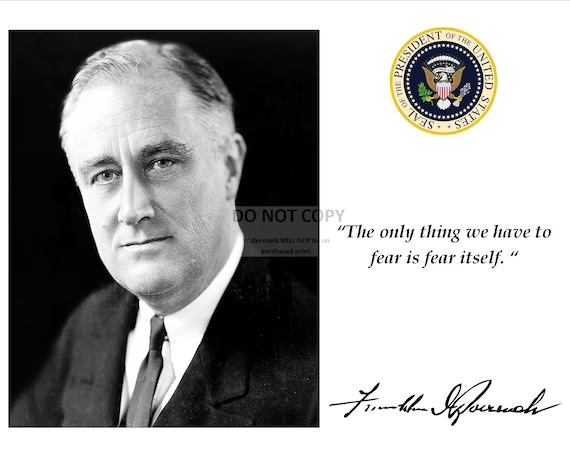
Firstly, fear matters because it influences decision-making and behavior. When individuals experience fear, whether it’s fear of failure, rejection, or the unknown, it can impact their actions and choices. For example, someone who fears failure may avoid taking on new challenges or pursuing opportunities for growth, while someone who fears rejection may hesitate to speak up or assert themselves in professional settings.
Secondly, fear affects a person on multiple levels, including emotionally, psychologically, and physiologically. Emotionally, fear can lead to feelings of anxiety, stress, and insecurity. Psychologically, it can contribute to self-doubt, negative self-talk, and a lack of confidence. Physiologically, fear triggers the body’s stress response, releasing hormones like cortisol and adrenaline, which can have long-term health consequences if not managed effectively.
As fear permeates a person’s professional life, it can derail their career in several ways:
- Risk Aversion: Fear often leads to risk aversion, causing individuals to avoid taking calculated risks or seizing opportunities for advancement. This reluctance to step outside their comfort zone can hinder career growth and limit potential achievements.
- Impaired Decision-Making: Fear can cloud judgment and impair decision-making, leading to indecision, procrastination, or avoidance of important career choices. This can result in missed opportunities or suboptimal outcomes in the workplace.
- Limited Growth and Innovation: Fear of failure or criticism can stifle creativity and innovation, preventing individuals from exploring new ideas or approaches in their work. This can hinder professional development and limit contributions to organizational success.
- Poor Communication and Collaboration: Fear can inhibit open communication and collaboration within teams, leading to breakdowns in trust, conflict, and reduced productivity. This can impede career advancement opportunities and damage professional relationships.
- Negative Impact on Mental Health: Persistent fear and anxiety can take a toll on mental health, leading to burnout, disengagement, and decreased job satisfaction. Left unchecked, these issues can contribute to career stagnation or even derailment.
In summary, fear is a powerful force that can profoundly affect individuals in their personal and professional lives. Recognizing and addressing fear is essential for career success, as it allows individuals to overcome obstacles, embrace opportunities for growth, and achieve their full potential.
What are the types of Fear:-

Alongside FOPO and FOMO, here are a few other fears that can derail a person:
- Failure Anxiety: Fear of failing can hold someone back from taking risks or pursuing their goals.
- Fear of Missing out: Not at center of action when it happens.
- Fear of Other people Opinion: What others may feel/ opine on your actions.
- Rejection Sensitivity: Fear of rejection can lead to avoidance of social situations or reluctance to ask for what one needs.
- Imposter Syndrome: Fear of being exposed as a fraud despite evidence of success, leading to self-doubt and undermining achievements.
- Uncertainty Phobia: Fear of the unknown can cause anxiety about future outcomes, making it difficult to make decisions or embrace change.
- Criticism Avoidance: Fear of criticism can prevent someone from seeking feedback or expressing their true opinions, hindering personal growth and authentic expression.
- Isolation Anxiety: Fear of being alone or disconnected can lead to dependency on others or avoidance of solitude, impacting mental health and autonomy.
- Loss Aversion: Fear of losing what one has can lead to risk aversion and reluctance to let go of familiar situations, even if they are no longer beneficial.
- Fear of public speaking: Glossophobia, the fear of public speaking, can be very limiting, especially in today’s world.
- Social anxiety: This fear of social situations can make it difficult to form relationships, get jobs, or even leave the house.
- Fear of intimacy: This can prevent people from forming close relationships or being vulnerable with others.
- Autophobia: The fear of being alone can make it hard for people to be independent or cope with solitude.
- Fear of heights (acrophobia) or closed spaces (claustrophobia): These phobias can limit travel, career choices, and even everyday activities.
++++++
In the workplace, particularly in the Environment, Health, and Safety (EHS) field, various types of fear can impact careers and overall safety culture. Here’s a breakdown of some common types of fear and how they manifest in different situations:
- Fear of Reporting Incidents:
- This fear arises when employees are afraid to report accidents, near misses, or safety hazards due to concerns about repercussions or punishment.
- Employees may worry about being blamed for the incident, facing disciplinary action, or damaging their reputation within the organization.
- As a result, incidents may go unreported, preventing the identification and mitigation of safety risks, and potentially leading to more severe accidents in the future.
- Fear of Speaking Up About Safety Concerns:
- Employees may hesitate to voice safety concerns or suggestions for improvement due to fear of criticism, ridicule, or retaliation.
- This fear can be particularly prevalent in hierarchical or authoritarian work environments where speaking up is not encouraged or where there is a perceived lack of receptiveness to feedback.
- When employees remain silent about safety issues, it hampers the organization’s ability to address potential hazards and compromises overall safety performance.
- Fear of Challenging Authority:
- In some workplaces, there may be a culture of fear surrounding challenging authority figures or questioning established practices.
- Employees may feel intimidated or apprehensive about raising concerns with supervisors, managers, or senior leaders, fearing negative consequences for their career advancement or job security.
- This fear can inhibit constructive dialogue, hinder problem-solving efforts, and impede the implementation of effective safety measures.
- Fear of Retaliation or Reprisal:
- Employees may fear retaliation or reprisal from colleagues, supervisors, or management if they report safety violations, advocate for change, or refuse to engage in unsafe practices.
- This fear can create a climate of distrust and discourage employees from taking proactive measures to address safety issues, leading to a culture of compliance rather than commitment to safety excellence.
- Fear of Failure to Meet Expectations:
- EHS professionals may experience fear of failing to meet regulatory requirements, organizational targets, or stakeholder expectations.
- This fear can arise from the pressure to perform, achieve results, and maintain compliance with complex regulations and standards.
- Fear of failure can undermine confidence, increase stress levels, and detract from the focus on proactive risk management and continuous improvement in EHS practices.
Understanding these different types of fear is crucial for promoting a culture of safety and empowerment in the workplace. By addressing fear head-on and fostering an environment where employees feel safe to speak up, report incidents, and challenge the status quo, organizations can enhance safety performance, mitigate risks, and support the professional development and well-being of their workforce.
Consequences of Fear on Career Progression:
- Hindering Professional Growth and Development:
- Fear can hinder career progression by preventing individuals from taking on new challenges, pursuing opportunities for advancement, or seeking additional responsibilities.
- EHS professionals may shy away from leadership roles, training programs, or projects that involve risk or uncertainty, limiting their potential for growth and development within the organization.
- Negative Impact on Decision-Making, Innovation, and Communication:
- Fear can impair decision-making by clouding judgment, leading to indecision or avoidance of difficult choices.
- In terms of innovation, fear can stifle creativity and experimentation, hindering the development of new ideas or solutions to complex EHS challenges.
- Additionally, fear can disrupt communication within teams, leading to misunderstandings, conflicts, and reduced collaboration, which can impede progress on safety initiatives and goals.
- Real-Life Examples of Career Derailment in EHS:
- Consider a situation where an EHS professional fails to report a safety violation due to fear of retaliation from management. This leads to a serious accident, resulting in harm to employees and damage to the organization’s reputation.
- Another example could involve an EHS manager who hesitates to challenge outdated safety procedures out of fear of upsetting senior leadership. As a result, opportunities for improvement are missed, and safety performance stagnates.
Strategies for Overcoming Fear:
- Managing and Overcoming Fear:
- Encourage individuals to identify and acknowledge their fears, then challenge them by examining the evidence and considering alternative perspectives.
- Utilize techniques such as mindfulness, deep breathing, or cognitive reframing to manage anxiety and reduce the impact of fear on decision-making and behavior.
- Fostering a Culture of Psychological Safety:
- Promote open communication, active listening, and empathy within teams to create an environment where employees feel safe to express concerns, share ideas, and take calculated risks.
- Provide opportunities for training, education, and skill development to enhance confidence and competence among EHS professionals.
- Building Resilience and Self-Confidence:
- Encourage individuals to cultivate resilience by learning from setbacks, seeking feedback, and adapting to change.
- Foster a supportive network of peers, mentors, and role models who can provide guidance and encouragement during challenging times.
- Emphasize the importance of self-care, stress management, and work-life balance to maintain mental and emotional well-being in the face of adversity.
By implementing these strategies, organizations can help EHS professionals overcome fear, unlock their full potential, and contribute to a culture of safety, innovation, and continuous improvement in the workplace.
In conclusion, fear can have profound consequences on career progression in the EHS field, hindering professional growth, decision-making, innovation, and communication within teams. Real-life examples illustrate how fear can derail careers and compromise safety outcomes. However, by implementing practical strategies for managing and overcoming fear, fostering a culture of psychological safety, and building resilience and self-confidence, individuals and organizations can mitigate these challenges and create environments where EHS professionals can thrive. Together, let’s work towards a future where fear no longer holds us back but propels us forward towards excellence in safety and beyond.
Karthik
13/4/24 1530 Hrs.

 Health, Environment, Safety, Sustainability (HESS)