

#171
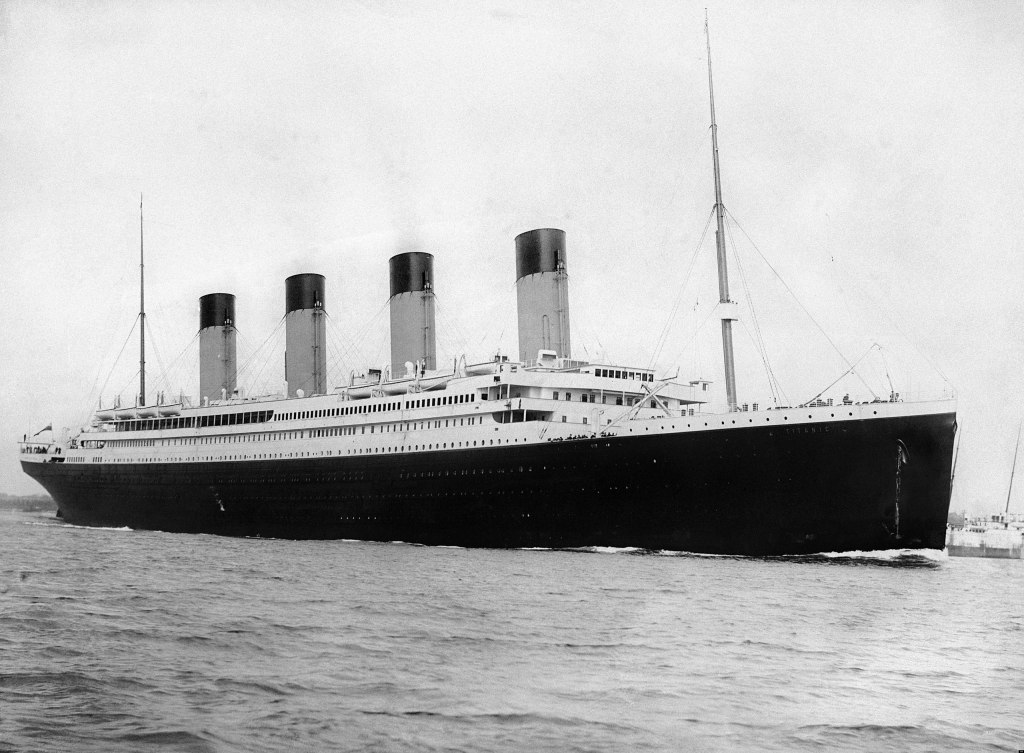
Context:-Today marks 112th Anniversary of Sinking of Titanic- The Unsinkable ship on its maiden voyage. It took the life of one of the most richest man of the world at that time besides many. The experience of Titanic disaster can teach us lessons on Safety Culture Change and initiatives that organisation can undertake for Safety performance improvement including Engineering, Project and Leadership lessons.
The sinking of the Titanic is one of the most infamous maritime disasters in history. The Titanic was a British passenger liner that set sail on its maiden voyage from Southampton, England, to New York City, USA, on April 10, 1912. It was celebrated as the largest and most luxurious ship of its time, billed as “unsinkable” due to its advanced design and safety features.
On the night of April 14, 1912, the Titanic struck an iceberg in the North Atlantic Ocean, about 400 miles south of Newfoundland, Canada. The impact caused significant damage to the ship’s hull, leading to flooding in multiple compartments. Despite efforts to contain the flooding and evacuate passengers, the Titanic sank in the early hours of April 15, 1912. The ship’s inadequate number of lifeboats exacerbated the tragedy, resulting in the loss of over 1,500 lives.
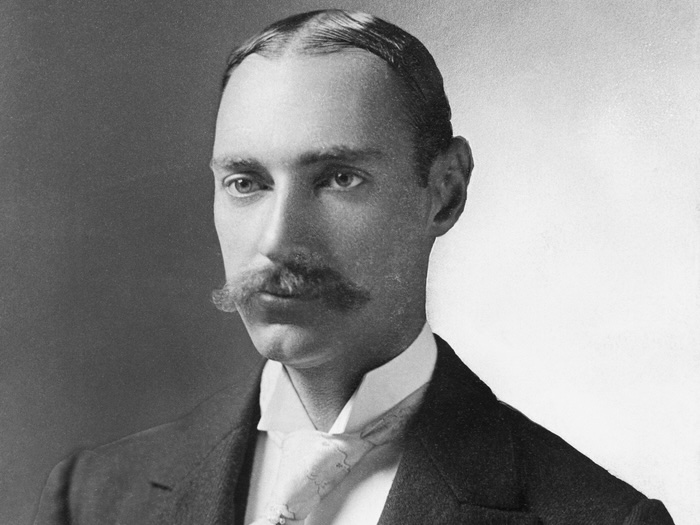
The Titanic’s passengers and crew included people from various social classes, ranging from wealthy businessmen and celebrities to immigrants seeking a new life in America. The disaster captured global attention and sparked widespread outrage over the inadequate safety measures and the hubris surrounding the ship’s construction. In the aftermath of the tragedy, inquiries were conducted in the United States and the United Kingdom to investigate the circumstances leading to the sinking and to recommend improvements in maritime safety regulations.

The sinking of the Titanic remains a poignant reminder of the consequences of overconfidence, inadequate safety measures, and the human cost of technological hubris. It continues to fascinate and haunt people’s imaginations more than a century later, serving as a cautionary tale for future generations.
What all went wrong at Titanic:- (What lesson can be learnt!)
Safety Preparedness:-The Titanic’s tragic example underscores the critical importance of safety preparedness. Despite its reputation as unsinkable, the ship’s lack of sufficient lifeboats proved disastrous, costing many lives. This stark oversight serves as a poignant reminder for organizations to never underestimate the importance of robust safety protocols.
Lesson: Regularly review and update safety protocols to ensure they are comprehensive and adequate for all potential scenarios. Organizations must prioritize safety preparedness, identifying and addressing any gaps or weaknesses in their systems. By doing so, they can better protect the well-being of their employees, customers, and stakeholders, ultimately mitigating the risk of catastrophic events.
In addition to the insufficient number of lifeboats, several other factors contributed to the lack of safety preparedness aboard the Titanic:
- Training and Drills: There was a lack of comprehensive safety training for the crew and passengers. Many crew members were unfamiliar with emergency procedures, and there were few opportunities for drills to practice evacuation protocols. This lack of preparedness hindered the response efforts when the disaster occurred.
- Communication: The Titanic’s communication systems were outdated, and there were inconsistencies in relaying distress signals to other ships in the area. This communication breakdown delayed the arrival of rescue ships, exacerbating the loss of life.
- Complacency: The ship’s reputation as unsinkable fostered a sense of complacency among passengers and crew. Many people ignored safety protocols or dismissed the seriousness of the situation until it was too late. This complacency prevented timely evacuation and contributed to the high casualty count.
- Design Flaws: Despite being hailed as technologically advanced, the Titanic had design flaws that compromised its safety. For example, the bulkheads (watertight compartments) did not extend high enough to contain flooding in the event of a breach, allowing water to spill over into adjacent compartments and hasten the ship’s sinking.
- Resource Allocation: The Titanic prioritized luxury and aesthetics over safety features, such as additional lifeboats. Limited resources were allocated to safety measures, reflecting a misguided belief in the ship’s invincibility.
Other Factors which Lead to the key failures:
- Culture of Complacency : The Titanic’s crew and passengers were lulled into a false sense of security by the ship’s reputation and luxurious amenities. Lesson: Complacency breeds disaster. Organizations must actively combat complacency by fostering a culture of vigilance, where every individual feels empowered to raise safety concerns and take proactive measures to mitigate risks.
- Organizational Hubris: The Titanic’s owners and builders were so confident in the ship’s design and technology that they overlooked potential vulnerabilities, such as the lack of a double hull or watertight compartments. Lesson: Overconfidence can blind us to potential weaknesses. Organizations must encourage humility and open-mindedness, welcoming feedback and continuously striving to improve processes and systems.
- Emergency Response: The response to the Titanic’s distress signals was marred by miscommunication and delays, leading to further loss of life. The Wireless operators gave priority to Passenger messages rather than keeping tab on incoming warnings on icebergs. Lesson: Effective crisis management requires clear communication channels, well-defined protocols, and rapid decision-making. Organizations should regularly conduct drills and simulations to prepare for emergencies and ensure all stakeholders know their roles and responsibilities.
- Continuous Improvement: The sinking of the Titanic sparked significant advancements in maritime safety regulations and technology. Lesson: Tragedies can serve as catalysts for positive change. Organizations should embrace a culture of continuous improvement, using past failures as learning opportunities to drive innovation and enhance safety measures.
Reflecting on the Titanic disaster reminds us that no organization is immune to failure. By embracing a proactive approach to safety, fostering a culture of vigilance, acknowledging limitations, prioritizing effective communication, and committing to ongoing improvement, we can honor the legacy of those lost aboard the Titanic and strive to prevent similar tragedies in the future.
+++++
In 2024, organizations can implement several lessons learned from the Titanic disaster to enhance their safety preparedness and mitigate risks:
- Comprehensive Safety Assessments: Regularly conduct comprehensive safety assessments to identify potential hazards and vulnerabilities within the organization. This includes evaluating infrastructure, equipment, procedures, and human factors that may impact safety.
- Investment in Training and Drills: Prioritize safety training for employees at all levels and conduct regular drills to ensure everyone is familiar with emergency procedures. Encourage a culture of proactive safety awareness and empower employees to raise concerns and take appropriate action.
- Utilization of Technology: Embrace technological advancements to enhance safety measures, such as improved communication systems, real-time monitoring of hazards, and predictive analytics to identify potential risks before they escalate.
- Risk Management Strategies: Develop robust risk management strategies that consider a wide range of potential scenarios, including natural disasters, cyber threats, and health emergencies. Implement contingency plans and allocate resources accordingly to mitigate risks effectively.
- Transparency and Accountability: Foster a culture of transparency and accountability where safety concerns are openly discussed, and feedback is actively encouraged. Ensure clear lines of communication and establish mechanisms for reporting and addressing safety issues promptly.
- Continuous Improvement: Embrace a mindset of continuous improvement, where safety protocols are regularly reviewed, updated, and refined based on lessons learned from past incidents and emerging best practices.
The Titanic disaster offers several valuable engineering, project management, and leadership lessons:
- Engineering Lessons:
- Design Validation: Ensure thorough validation of engineering designs and systems to identify potential vulnerabilities and weaknesses. The Titanic’s design flaws, such as inadequate bulkhead height, underscore the importance of rigorous testing and analysis.
- Redundancy and Resilience: Incorporate redundancy and resilience into engineering systems to mitigate the impact of failures. The Titanic lacked sufficient backup systems, contributing to its rapid sinking. Implementing redundant safety features can enhance overall system reliability.
- Material Selection and Quality Control: Prioritize material selection and stringent quality control measures during construction to ensure structural integrity and durability. Any compromise in material quality, as seen in the Titanic’s construction, can have catastrophic consequences.
- Project Management Lessons:
- Risk Management: Implement comprehensive risk management strategies to identify, assess, and mitigate project risks effectively. The Titanic’s failure to anticipate and address potential hazards highlights the importance of proactive risk management.
- Schedule and Budget Management: Maintain strict adherence to project schedules and budgets while prioritizing safety and quality. The Titanic’s rushed construction schedule and cost-cutting measures compromised safety standards, leading to disastrous outcomes.
- Stakeholder Communication: Foster open and transparent communication with stakeholders throughout the project lifecycle. Effective communication can help manage expectations, address concerns, and ensure alignment on project objectives and priorities.
- Leadership Lessons:
- Safety Culture: Cultivate a safety-first culture where leaders prioritize the well-being of their team members above all else. The Titanic’s leadership failed to instill a culture of safety, contributing to the loss of lives.
- Decision-Making Under Pressure: Develop strong decision-making skills, particularly under pressure or during crisis situations. Leaders must remain calm, assess risks objectively, and make informed decisions to navigate challenges effectively.
- Accountability and Responsibility: Hold individuals and teams accountable for their actions and decisions. Leaders must take ownership of their responsibilities and ensure accountability throughout the organization to prevent failures like those witnessed with the Titanic.
By implementing these lessons from the Titanic disaster, organizations can strengthen their safety preparedness, minimize the likelihood of catastrophic events, and better protect the well-being of their employees, customers, and stakeholders.
Karthik 15/4/24 1130am.

 Health, Environment, Safety, Sustainability (HESS)