

#175
Introduction: Ever found yourself grappling with workplace problems that seem to resurface despite your best efforts to address them? Perhaps you’ve noticed a lack of trust among team members or recurring misunderstandings that hinder productivity. Today, inspired by a thought-provoking discussion on Todd Conklin’s Safety Moment podcast, we’re delving into a topic that challenges conventional problem-solving methods.
Join me as we peel back the layers of workplace dynamics to uncover the deeper-rooted issues lurking beneath the surface. Let’s explore how a lack of clarity in roles, responsibilities, and deadlines can sow the seeds of discord and hinder organizational success. It’s time to move beyond the obvious and embark on a journey of discovery towards sustainable solutions. Welcome to a new perspective on workplace challenges. Welcome to our exploration of “Unmasking Workplace Challenges: Going Beyond Surface-Level Issues“+++
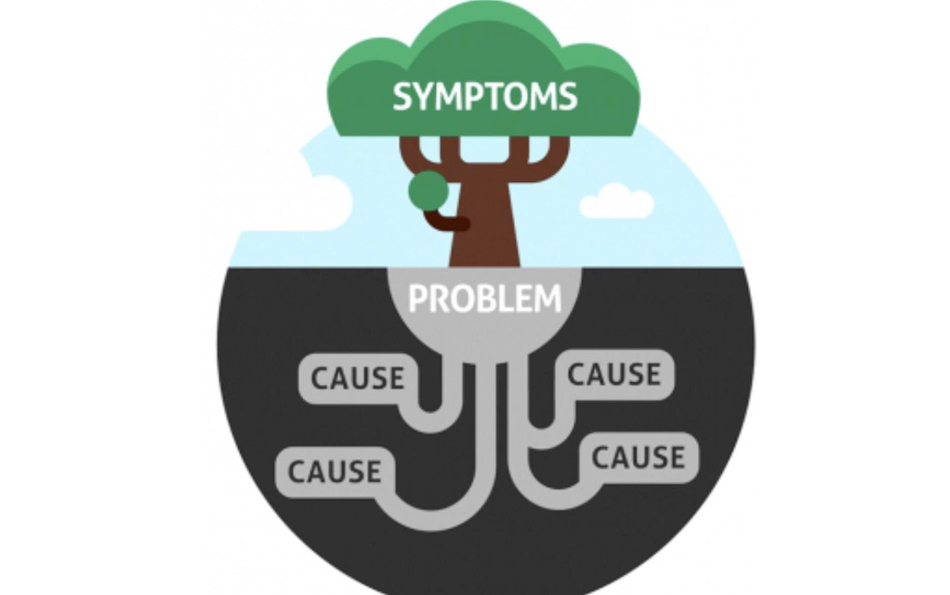
Surface vs Root Cause:– Surface-level issues are like the tip of the iceberg – they’re visible, often causing immediate concern or discomfort, and they demand our attention. However, beneath the surface lie the deeper-rooted causes that fuel these surface-level symptoms. When we only address the visible symptoms without probing deeper, it’s akin to putting a band-aid on a wound without treating the underlying infection. Sure, the immediate discomfort might subside temporarily, but the problem persists, ready to resurface when conditions are ripe.
 For instance, in the context of workplace dynamics, let’s say there’s a persistent lack of trust among team members. It’s easy to focus solely on addressing incidents that erode trust, such as missed deadlines or communication breakdowns. However, without understanding the underlying causes – perhaps stemming from unclear roles, unresolved conflicts, or ineffective leadership – these incidents will continue to occur, perpetuating the cycle of mistrust.
By shifting our focus from surface-level symptoms to their root causes, we empower ourselves to implement more effective and sustainable solutions. It requires a willingness to dig deeper, ask tough questions, and challenge the status quo. But the payoff is worth it – resolving the root causes leads to long-term improvements in organizational culture, performance, and well-being.
So, next time you encounter a workplace issue, resist the temptation to settle for quick fixes. Instead, dare to delve beneath the surface, uncovering the true drivers of the problem. Only then can you enact meaningful change and prevent recurring issues from plaguing your team or organization.
Tough Inner Questions:– Here are some tough questions organizations can ask themselves to probe deeper into issues and move beyond surface-level analysis:
-
Why is this issue recurring?
- Explore the patterns and trends surrounding the problem to identify underlying causes.
-
What assumptions are we making about this issue?
- Challenge preconceived notions and biases that may be clouding judgment or limiting perspective.
-
How does this issue impact different stakeholders?
- Consider the perspectives of various individuals or groups affected by the issue to gain a comprehensive understanding of its ramifications.
-
Are there systemic factors contributing to this issue?
- Examine organizational structures, processes, and culture to uncover systemic barriers or deficiencies that may be fueling the problem.
-
What is the root cause behind the symptoms we’re experiencing?
- Drill down to identify the fundamental drivers behind the surface-level symptoms, such as underlying conflicts, misalignment of goals, or resource constraints.
-
What data do we need to gather to better understand this issue?
- Prioritize collecting relevant data and evidence to inform decision-making and validate hypotheses about the root causes.
-
Have we explored all possible contributing factors?
- Encourage brainstorming and open dialogue to ensure that all potential factors influencing the issue are considered, even those that may be uncomfortable or challenging to address.
-
How can we address the root causes effectively?
- Develop strategies and interventions that target the underlying causes identified, rather than merely treating the symptoms.
-
What changes are necessary to prevent recurrence of this issue in the future?
- Commit to implementing structural or procedural changes that address the root causes and create lasting improvements. +++++++++++++++++
Trust, or the lack thereof, in the workplace is often a symptom of deeper underlying issues rather than the primary problem itself. Here’s why:
-
Communication breakdowns: When there’s a lack of open, transparent communication within teams or between leadership and employees, trust erodes. Employees may feel excluded from decision-making processes or uninformed about changes that affect them, leading to skepticism and suspicion.
-
Inconsistent leadership: If leadership demonstrates inconsistency in their actions or decisions, it can create uncertainty and diminish trust among team members. Employees may question the integrity of leadership and become hesitant to fully invest themselves in their work.
-
Unresolved conflicts: Lingering conflicts or unresolved issues within teams can breed resentment and distrust among colleagues. Without mechanisms in place to address and resolve conflicts constructively, trust suffers, hindering collaboration and productivity.
-
Perceived favoritism or unfair treatment: When employees perceive favoritism, bias, or unfair treatment in the workplace, trust is compromised. This can manifest in various forms, such as unequal opportunities for advancement, preferential treatment of certain individuals, or inconsistent application of policies.
-
Mismatched expectations: Misalignment between employees’ expectations and organizational realities can lead to disillusionment and distrust. If promises are made but not kept, or if there’s a perceived lack of accountability for commitments, trust diminishes over time.
By recognizing trust as a symptom rather than the primary problem, organizations can delve deeper into the underlying issues contributing to trust deficits. Addressing these root causes through proactive communication, consistent leadership, conflict resolution mechanisms, fair treatment, and alignment of expectations can foster a culture of trust and collaboration essential for organizational success.++++++++++++
Clear communication and delineation of roles, responsibilities, and deadlines within teams are paramount for organizational success. Here’s why:
-
Alignment and Focus: When team members understand their roles and responsibilities clearly, they can align their efforts towards common goals. Clear communication ensures everyone knows what is expected of them, reducing ambiguity and promoting focus on key priorities.
-
Efficiency and Productivity: Clarity in roles and responsibilities streamlines workflow and minimizes duplication of efforts. Team members can work more efficiently when they know who is responsible for what tasks and when deadlines need to be met. This leads to improved productivity and faster accomplishment of objectives.
-
Accountability: Clearly defined roles and responsibilities establish accountability within teams. When individuals know they are accountable for specific tasks or outcomes, they are more likely to take ownership of their work and deliver results accordingly.
-
Reduced Conflicts: Misunderstandings and conflicts often arise from ambiguity or overlap in roles and responsibilities. Clear communication helps mitigate these issues by preventing misunderstandings and setting clear boundaries, reducing the likelihood of conflicts within teams.
-
Employee Engagement and Satisfaction: Clarity in roles and responsibilities fosters a sense of purpose and empowerment among team members. When individuals understand how their contributions fit into the bigger picture and see the impact of their work, they are more engaged and satisfied in their roles.
-
Customer Satisfaction: Clear roles and responsibilities ensure that customer expectations are met consistently. When everyone knows their role in delivering products or services, customers receive a seamless experience, enhancing satisfaction and loyalty.
In summary, clear communication and delineation of roles, responsibilities, and deadlines are essential for promoting alignment, efficiency, accountability, and harmony within teams. Organizations that prioritize clarity in these areas create a foundation for success and resilience in the face of challenges.+++
Impact on Performance: Unclear missions and responsibilities can have a significant negative impact on team performance, productivity, and morale. Here’s how:
-
Confusion and Duplication: Without clear guidance on missions and responsibilities, team members may duplicate efforts or waste time on tasks that fall outside their purview, leading to inefficiency and decreased productivity.
-
Missed Deadlines and Deliverables: When individuals are unsure of their roles or the deadlines associated with their tasks, it’s easy for deadlines to be missed and deliverables to be incomplete or subpar, impacting overall team performance and project timelines.
-
Lack of Accountability: Unclear responsibilities can result in a lack of accountability, as team members may not feel responsible for tasks that are ill-defined or ambiguous. This can lead to finger-pointing, excuses, and a culture of blame rather than problem-solving.
-
Low Morale and Engagement: When team members are uncertain about their roles or feel disconnected from the broader mission, morale and engagement suffer. This can lead to disengagement, decreased motivation, and ultimately, attrition.
Challenging Conventional Methods: Encouraging readers to rethink their approach to problem-solving is crucial for addressing underlying issues rather than just surface-level symptoms. It’s about shifting from reactive to proactive problem-solving. Here’s how to encourage this shift:
-
Question Assumptions: Encourage readers to question assumptions and challenge conventional wisdom when approaching workplace challenges. What may seem like a straightforward solution at first glance may not address the root cause of the issue.
-
Root Cause Analysis: Advocate for conducting thorough root cause analyses to uncover the underlying drivers of problems. This involves digging deeper to understand the systemic factors contributing to issues rather than just addressing the immediate symptoms.
-
Systems Thinking: Promote a systems thinking approach, where readers consider the interconnectedness of various factors within their organizations. Encourage them to examine how changes in one area may impact others and to address issues holistically.
Practical Solutions: Offering practical tips and strategies for improving clarity within teams is essential for facilitating effective communication and goal alignment. Here are some actionable steps:
-
Regular Communication: Emphasize the importance of open, transparent communication within teams. Encourage regular check-ins, team meetings, and one-on-one discussions to clarify expectations and address any confusion.
-
Setting SMART Goals: Encourage readers to set Specific, Measurable, Achievable, Relevant, and Time-bound (SMART) goals for themselves and their teams. This provides clarity and direction, making it easier to track progress and ensure alignment with organizational objectives.
-
Performance Reviews: Advocate for conducting regular performance reviews to provide feedback, clarify expectations, and address any issues related to roles and responsibilities. This promotes accountability and helps identify areas for improvement.
By highlighting the consequences of unclear missions and responsibilities, challenging conventional problem-solving methods, and offering practical solutions, readers can gain valuable insights into how they can improve clarity within their teams and drive better performance and outcomes.+++++++++++
Here are a couple of examples from the Indian context where companies reaped rich dividends by diving deep to solve underlying issues:
-
Tata Group’s Turnaround Strategy:
- In the early 2000s, the Tata Group, one of India’s largest conglomerates, faced significant challenges with several of its businesses, including Tata Steel and Tata Motors.
- Rather than simply implementing short-term fixes, the leadership team, under Ratan Tata’s guidance, conducted a thorough analysis of each business unit’s operations, market dynamics, and competitive landscape.
- Through this deep dive, they identified underlying issues such as outdated technology, inefficient processes, and inadequate product offerings.
- Armed with this understanding, Tata Group implemented a comprehensive turnaround strategy, which included modernizing facilities, investing in research and development, and launching new products tailored to market demand.
- As a result of their concerted efforts and strategic investments, Tata Steel became one of the world’s lowest-cost producers, and Tata Motors successfully launched the affordable Nano car +, demonstrating the dividends of diving deep into underlying issues.
-
Infosys’ Quality Transformation:
- Infosys, one of India’s leading IT services companies, recognized the importance of quality in delivering value to its clients.
- In the late 1990s, Infosys embarked on a journey to improve its software development processes and deliver higher-quality solutions to its customers.
- Rather than focusing solely on surface-level issues such as individual defects or client complaints, Infosys conducted a deep analysis of its entire software development lifecycle.
- They identified root causes of quality issues, such as inadequate requirements gathering, lack of standardized processes, and insufficient training for employees.
- Armed with this understanding, Infosys implemented a rigorous quality management system, emphasizing process standardization, training programs, and continuous improvement initiatives.
- This deep dive into quality issues not only enhanced client satisfaction but also positioned Infosys as a global leader in quality-driven software development, reaping significant dividends in terms of customer loyalty and market reputation.
A stellar global example of a company that reaped rich dividends by diving deep to solve underlying issues is Toyota Motor Corporation.
Toyota’s Production System, often referred to as “Lean Manufacturing,” is renowned for its emphasis on continuous improvement, waste reduction, and employee involvement. However, the roots of Toyota’s success lie in its deep understanding of manufacturing processes and its commitment to addressing underlying issues.
In the 1950s, Toyota faced significant challenges in competing with larger, more established global automakers. Rather than trying to mimic their competitors, Toyota’s leadership, particularly Taiichi Ohno and Shigeo Shingo, conducted a thorough analysis of their manufacturing operations.
Through this deep dive, they identified several underlying issues plaguing traditional manufacturing, such as overproduction, excess inventory, and inefficient workflows. Instead of accepting these issues as inevitable, Toyota sought to address them head-on.
Toyota developed innovative solutions such as Just-in-Time (JIT) production, where parts are produced and delivered precisely when needed, and Jidoka, which empowers workers to stop the production line in case of quality issues. These concepts aimed to eliminate waste, improve efficiency, and enhance quality throughout the manufacturing process.
By diving deep into the underlying issues of traditional manufacturing and implementing revolutionary solutions, Toyota transformed its operations and set new industry standards. The Toyota Production System became a global benchmark for efficiency and quality across industries, revolutionizing manufacturing practices worldwide. (Personal Note:- I am trained in Honeywell Operating System linked to Lean 6Sigma, in my Honeywell tenure and reaped immense benefits in solving problems by looking beyond symptoms)
Toyota’s success demonstrates the dividends that can be reaped by delving deep into underlying issues and implementing innovative solutions that address root causes rather than surface-level symptoms.
In conclusion, it’s clear that surface-level solutions often fail to address the root causes of workplace challenges. Whether it’s trust issues, unclear roles and responsibilities, or performance issues, diving deep to uncover underlying issues is key to sustainable success.
By challenging conventional problem-solving methods, we can shift our focus from symptoms to root causes, paving the way for transformative change within our organizations. Practical solutions such as regular communication, setting SMART goals, and conducting performance reviews can help improve clarity and alignment within teams, driving better outcomes and fostering a culture of trust and accountability.
So let’s commit to going beyond surface-level analysis and delving deeper into the heart of our workplace challenges. By doing so, we can unlock untapped potential, drive innovation, and reap rich dividends in the form of enhanced performance, productivity, and employee satisfaction.
Here’s to a future where we embrace the power of depth in our problem-solving endeavors and create workplaces where success knows no bounds.
Karthik
25/4/24 130pm.

 Health, Environment, Safety, Sustainability (HESS)