

#182

Introduction: Have you ever pondered over the uncanny timing of life’s events? Sometimes, without warning, circumstances unfold in a way that catches us off guard, placing us precariously in harm’s way. It’s a phenomenon often described as being in the wrong place at the wrong time—a concept underscored by recent tragic incidents that have shaken communities and sparked conversations about the fragility of life.
Consider the heart-wrenching events that unfolded in Bombay on a fateful day when the city welcomed the onset of the monsoon season. What began as a routine day quickly escalated into a nightmare when a towering hoarding succumbed to the relentless force of wind and rain, crashing down onto a petrol bunk below. The catastrophic collapse of the hoarding triggered a chain reaction, causing the roof of the petrol bunk to cave in, trapping unsuspecting individuals seeking shelter from the inclement weather. In the blink of an eye, 16 lives were lost, 100 Injured, families shattered, and a city left grappling with the aftermath of a preventable tragedy.

Similarly, cast your mind back to the haunting images of the Baltimore bridge collapse—an event etched in the annals of history as a stark reminder of the catastrophic consequences of structural failure. What began as a routine commute for many turned into a harrowing ordeal when a section of the bridge gave way, sending vehicles plummeting into the abyss below. Lives were lost, survivors left grappling with trauma, and a community thrust into mourning—a stark testament to the devastating impact of being in the wrong place at the wrong time.
These incidents serve as poignant reminders of the unpredictable nature of life and the imperative of proactive preparation and awareness in safeguarding ourselves against unforeseen dangers. In a world where uncertainty looms large and the line between safety and peril can blur in an instant, the onus falls upon us to equip ourselves with the knowledge, tools, and mindset needed to navigate life’s uncertainties with vigilance and resilience.
Join as we delve deeper into the concept of being in the wrong place at the wrong time, explore the lessons gleaned from recent tragedies, and chart a course towards a safer, more prepared future. Let’s embark on this journey together, empowered by the understanding that proactive measures and heightened awareness can serve as our steadfast companions in the face of life’s unpredictable twists and turns.
++++
Understanding the Risks:
In our journey through life, we often encounter situations where the unexpected lurks around every corner, presenting potential dangers that can catch us off guard. From the wrath of nature to the frailties of human-made structures and the volatility of societal unrest, the risks we face are as diverse as they are unpredictable. As they say, Prepare for the worst, Hope for the best.
Natural Disasters:
Picture a serene coastal town basking in the warmth of a summer’s day, only to be rudely awakened by the deafening roar of an approaching hurricane. Natural disasters, such as hurricanes, earthquakes, floods, and wildfires, are formidable forces of nature that can wreak havoc on communities with little warning. Those caught in the path of such calamities may find themselves grappling with life-threatening situations, from rapidly rising floodwaters to the relentless fury of wind and fire.
Structural Failures:
Imagine navigating bustling city streets, surrounded by towering skyscrapers that seem to defy gravity, only to have your sense of security shattered by the ominous creaking of metal and concrete. Structural failures, whether due to poor maintenance, design flaws, or unforeseen circumstances like extreme weather, pose a significant risk to public safety. From collapsed buildings and bridges to crumbling infrastructure, the consequences of structural failures can be catastrophic, claiming lives and leaving behind a trail of devastation.
Civil Unrest:
Envision a bustling city square teeming with life, where the air crackles with tension and discontent simmers beneath the surface. Civil unrest, characterized by protests, riots, and social upheaval, can escalate rapidly, plunging communities into chaos and uncertainty. Those caught in the midst of such volatile situations may find themselves facing violence, looting, and the indiscriminate effects of crowd dynamics gone awry.
Consequences of Being Unprepared:
The consequences of being unprepared in the face of such risks can be dire, with potentially life-altering outcomes that extend far beyond the immediate aftermath of an incident. Individuals who neglect to heed the warning signs or take proactive measures to safeguard themselves may find themselves facing imminent danger, unable to escape the clutches of disaster.
From being trapped in a flood-ravaged neighborhood without an evacuation plan to finding oneself stranded atop a crumbling building amidst an earthquake, the perils of being ill-prepared are manifold. Lives may be lost, injuries sustained, and livelihoods shattered, leaving behind a wake of devastation that could have been mitigated with foresight and preparation.
Importance of Preventive Measures:
In a world fraught with uncertainty, the importance of preventive measures cannot be overstated. It’s about cultivating a mindset of situational awareness, conducting thorough risk assessments, and embracing the principles of preparedness championed by the scouting movement. By honing our ability to recognize potential hazards, listen to our gut instincts, and take decisive action in the face of danger, we empower ourselves to navigate life’s uncertainties with resilience and fortitude.
In the next section, we’ll delve deeper into proactive measures that individuals can take to mitigate risks and safeguard themselves against unforeseen dangers. Join me as we explore the tools, techniques, and mindset needed to navigate life’s unpredictable twists and turns with confidence and poise.
Situations:-
Let’s dive into practical examples from a common man’s perspective on proactive measures they can take to enhance their safety and preparedness:
Stay Informed: Imagine you’re planning a weekend getaway with your family. Before hitting the road, take a moment to check the local news and weather forecasts for your destination. Are there any road closures due to construction or severe weather? Being aware of potential hazards ahead of time can help you adjust your plans and ensure a smoother journey.
Plan Your Routes: When commuting to work or running errands, take a few extra minutes to plan your routes carefully. Are there any areas known for heavy traffic congestion or high crime rates? By choosing safer routes and avoiding potential trouble spots, you can minimize the risk of encountering dangerous situations while on the move.
Trust Your Instincts: As you go about your day, pay attention to your intuition. If something feels off or you sense a potential threat, trust your instincts and take action. Whether it’s crossing the street to avoid a group of rowdy individuals or choosing to exit a crowded subway car, listening to your gut can often lead to safer outcomes.
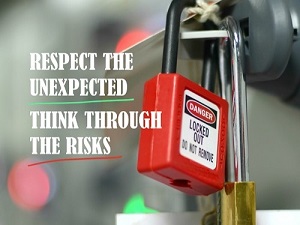
Be Vigilant: Stay vigilant and aware of your surroundings at all times. Whether you’re walking down a dimly lit street or waiting for a train at a busy station, keep an eye out for any suspicious behavior or potential dangers. By staying alert, you can react quickly to emerging threats and protect yourself and those around you.
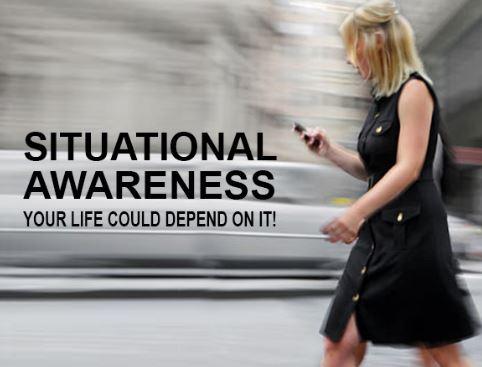
Practice Situational Awareness: Practice situational awareness by actively scanning your environment and assessing potential risks. Are there any obstacles blocking your path? Are there emergency exits nearby in case of an evacuation? By remaining mindful of your surroundings, you can better prepare yourself to respond effectively in emergency situations.
Know Emergency Procedures: Familiarize yourself with essential emergency procedures for various scenarios, such as fires, medical emergencies, or natural disasters. Do you know the evacuation routes in your workplace or the location of the nearest emergency shelter in your neighborhood? Being prepared and knowing what to do in emergencies can save precious time and lives.
Carry Essential Items: Keep essential items with you at all times, such as a first aid kit, flashlight, water bottle, and emergency contact information. These items can prove invaluable in various emergency situations, allowing you to address minor injuries or stay hydrated while awaiting assistance.
Stay Connected: Maintain communication with friends, family, or coworkers, especially when traveling or exploring unfamiliar areas. Share your whereabouts and expected return time, and encourage others to do the same. In case of an emergency, having a network of contacts can provide support and assistance when needed most.
Seek Training: Consider seeking training in relevant skills for handling emergencies, such as CPR, first aid, or self-defense. Many community organizations offer affordable courses that can equip you with the knowledge and confidence to respond effectively in crisis situations.
Trust Authorities: In times of crisis, trust the guidance of authorities and emergency responders. If instructed to evacuate or take specific actions, follow their directives promptly and calmly. Authorities are trained to handle emergencies and can provide valuable assistance and support to ensure your safety.
By incorporating these proactive measures into your daily life, you can enhance your safety and preparedness, empowering yourself to navigate life’s uncertainties with confidence and resilience. Remember, safety is a shared responsibility, and by taking steps to protect yourself, you contribute to creating a safer and more secure community for all.
Learning from Incidents for Prevention:
Example 1: Lightning Strikes: In regions prone to frequent lightning storms, incidents of lightning strikes can pose significant risks to public safety. By studying past incidents, researchers and safety experts can identify common patterns and risk factors associated with lightning-related injuries and fatalities. This knowledge can inform the development of preventive measures, such as installing lightning rods on buildings, educating the public about lightning safety practices, and implementing early warning systems to alert individuals to impending storms. By proactively addressing the risks associated with lightning strikes, communities can reduce the likelihood of injuries and save lives.
Example 2: Hurricanes and Floods: Hurricanes and floods are natural disasters that can have devastating consequences for communities, particularly in coastal and low-lying areas. By analyzing past incidents of hurricanes and floods, city planners, emergency responders, and policymakers can identify vulnerable areas and prioritize investments in infrastructure improvements, such as flood barriers, stormwater management systems, and emergency evacuation routes. Additionally, public education campaigns can raise awareness about hurricane preparedness and flood safety measures, empowering residents to take proactive steps to protect themselves and their property during extreme weather events.
Civic Unity and Protests for Action:
In developing countries like India, where civic infrastructure may be inadequate and governance systems may be plagued by corruption and inefficiency, civic unity and protests can play a vital role in driving action and advocating for change.
Example 1: Community Response to Civic Accidents: In the aftermath of a civic accident, such as a building collapse or a bridge collapse, affected communities often come together to demand accountability from government authorities and push for reforms to prevent similar incidents in the future. Through grassroots organizing, public demonstrations, and advocacy efforts, communities can pressure policymakers to prioritize investments in infrastructure maintenance, enforce building codes and safety regulations, and strengthen oversight mechanisms to prevent corruption and ensure accountability.
Example 2: Advocacy for Environmental Protection: In the face of environmental threats such as pollution, deforestation, and habitat destruction, civic unity and protests can mobilize public support for environmental conservation and sustainability initiatives. By raising awareness about the impacts of environmental degradation on public health, livelihoods, and biodiversity, grassroots movements can build momentum for policy changes, corporate accountability measures, and community-based conservation efforts aimed at protecting natural resources and mitigating climate change.
Learning from past incidents is essential for preventing future accidents and disasters, particularly in the realm of civic infrastructure and environmental management. By studying past incidents, identifying risk factors, and implementing preventive measures, communities can enhance their resilience and reduce their vulnerability to civic accidents. Additionally, civic unity and protests can empower citizens to demand accountability, advocate for change, and drive action in challenging civic environments characterized by corruption and ineptitude.
Conclusion:
It’s crucial to address the importance of being prepared and taking preventive measures to avoid tragic incidents.
Incidents like the one in Bombay, where a hoarding collapsed due to heavy rain and wind, resulting in casualties, fall under the category of structural failures and natural disasters. These incidents are often unpredictable but can be mitigated with proper planning and preventive measures.
One key aspect is proactive risk assessment. Municipalities, Administration and individuals should regularly assess the structural integrity of buildings, hoardings, bridges, and other infrastructure to identify potential hazards before they escalate into disasters. This includes thorough inspections, maintenance, and adherence to safety regulations be in their home, environment around them. They should escalate issues without waiting for authorities to wait to take action. Practice situational awareness. (look for threats, dangers, also your Gut!)
Secondly, environmental monitoring plays a crucial role. Weather conditions like heavy rain and strong winds can significantly impact the stability of structures. Having real-time monitoring systems in place to track weather patterns and potential threats can help in making timely decisions such as evacuating an area or reinforcing structures.
Emergency preparedness is another essential aspect. Establishing clear evacuation procedures, conducting regular drills, and ensuring that people know how to respond in emergencies can save lives. Additionally, providing training on basic first aid and rescue techniques equips individuals to take immediate action in crisis situations.
Collaboration between stakeholders is key. Local authorities, businesses, and communities need to work together to address potential risks and develop comprehensive emergency response plans. This includes communication channels to disseminate alerts and instructions swiftly during emergencies.
However, despite our best efforts, there’s always an element of uncertainty. While we can’t control every variable, we can certainly minimize risks and maximize preparedness. It’s not about leaving things to fate but rather taking proactive steps to mitigate risks and ensure the safety of ourselves and others.
Please share your experience of being at the wrong place at the wrong time? What did you do?
Karthik
16th May 2024, 12Noon.

 Health, Environment, Safety, Sustainability (HESS)