

#187
Empowering Employees to Raise EHS Concerns: Addressing Fears and Building Competence
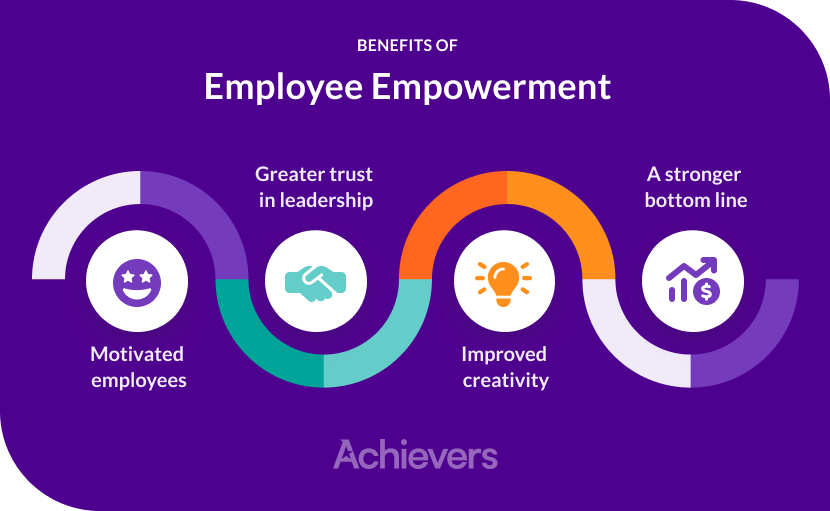
In many organizations, employees hesitate to raise environmental, health, and safety (EHS) or other personal / operational concerns due to fear of reprimand or feeling insulted. This hesitation can compromise workplace safety and hinder a proactive safety / organisation culture. As EHS professionals, it is imperative to address these fears and build a supportive environment where safety & other concerns can be freely expressed and adequately addressed in the modern operations where Safety is interlinked very much to operational success.

1. Overcoming Fear of Reprimand
The fear of reprimand is a significant barrier that prevents employees from voicing their safety concerns. Organizations can take several steps to alleviate this fear:
- Establish a No-Reprisal Policy: Clearly communicate that employees will not face negative consequences for reporting issues. This policy should be documented, widely shared, and consistently enforced.
- Anonymous Reporting Mechanisms: Implement anonymous reporting systems such as hotlines or suggestion boxes. This allows employees to raise concerns without fear of identification or retaliation.
- Positive Reinforcement: Recognize and reward employees who report safety concerns. Positive reinforcement can shift the perception from fear to proactive engagement in safety.

2. Addressing Fear of Insult or Put-Down
Feeling insulted or put down for raising concerns can deter employees from contributing to operational /safety discussions. To mitigate this:
- Training in Respectful Communication: Train leaders and supervisors in effective and respectful communication. Emphasize the importance of listening without judgment and acknowledging concerns sincerely.
- Encouraging Open Dialogue: Create regular forums or safety meetings where employees can freely discuss EHS issues. Encourage a culture of mutual respect and open dialogue.
- Empathy and Understanding: Leaders should show empathy and understanding when addressing concerns. Recognize the courage it takes to speak up and validate the employee’s perspective.
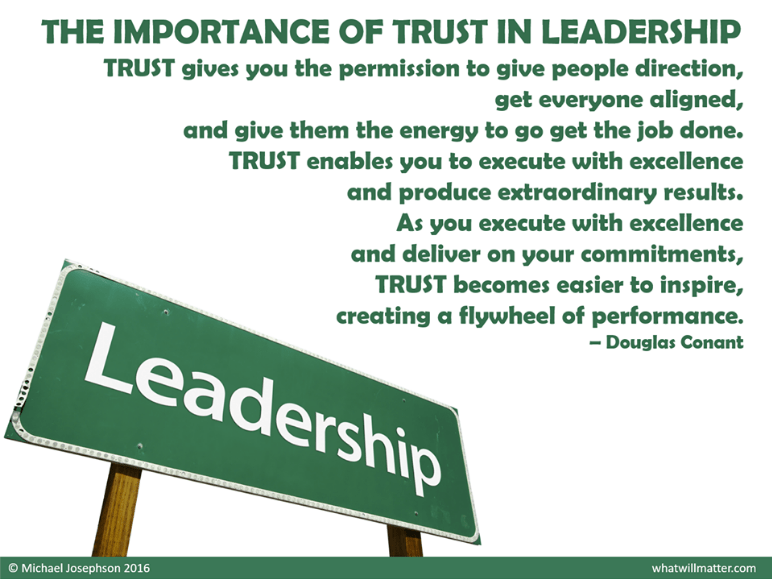
3. Building Trust in Leaders.
Employees often place significant trust in their leaders and the EHS department to ensure a safe working environment. However, this trust can be undermined if these individuals lack competence or soft skills and stands exposed. Here’s how organizations can strengthen this trust:
- Competence Development: Ensure that leaders and EHS professionals are well-trained in both technical and soft skills. Continuous professional development should be a priority, including courses on communication, leadership, and conflict resolution.
- Visible Leadership: Leaders should be visible and actively involved in safety initiatives. Regular walk-throughs, participation in safety meetings, and hands-on involvement in addressing issues can build trust.
- Responsive EHS Teams: EHS departments should be responsive and approachable. Timely and effective responses to safety concerns demonstrate competence and commitment to employee well-being.
4. Elevating Performance
To be seen as a beacon of safety wisdom and knowledge, all leaders must elevate their performance and establish as a part of reliable support system:
- Proactive Engagement: Move from a reactive to a proactive approach in safety management. Conduct regular risk assessments, safety audits, and preventive measures, Identify operational issues, to identify and mitigate potential hazards before they become issues.
- Continuous Improvement: Foster a culture of continuous improvement within the department. Regularly review and update safety protocols, incorporate feedback, and stay abreast of industry best practices and regulatory changes.
- Effective Communication: Communicate safety policies, procedures, and changes clearly and effectively. Use multiple channels such as emails, newsletters, and training sessions to ensure everyone is informed.
- Supportive Approach: Ensure that the EHS team is seen as a partner rather than an enforcer by active coordination. Provide guidance and support to help employees work safely without feeling hindered or policed. Emphasize that the goal is to facilitate safe work, not to stop work.
Enhancing EHS / Operational Performance via Visible Leadership and Measurable Goals
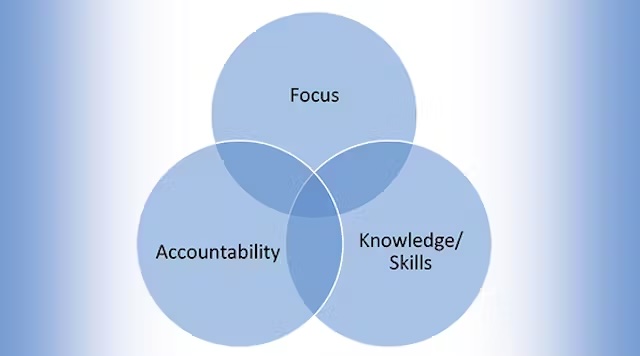
In the realm of EHS, leadership plays a pivotal role in fostering a culture of safety and productivity. Safety and productivity are indeed contact sports, requiring active and visible engagement from leaders. By setting specific, measurable performance goals for safety and maintaining regular, personal communication with supervisors, leaders can significantly impact both safety outcomes and overall employee morale besides improved Productivity.
1. Visible Leadership on the Shopfloor
Leaders who are consistently present on the shopfloor demonstrate their commitment to safety and productivity. This visibility is crucial for several reasons:
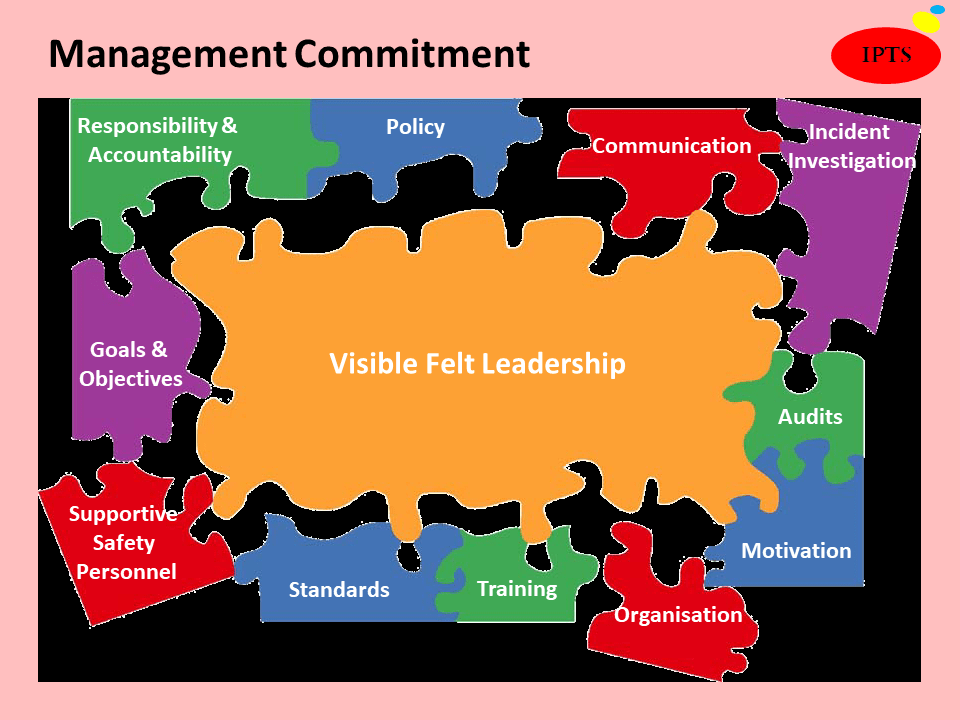
- Direct Engagement: Being on the shopfloor allows leaders to engage directly with employees, understand their concerns, and address issues in real time. This hands-on approach builds trust and shows that safety is a priority.
- Immediate Issue Resolution: Visible leaders can identify and rectify safety hazards quickly, preventing potential accidents and ensuring continuous productivity.
- Leading by Example: When leaders actively participate in safety protocols and practices, they set a powerful example for the rest of the organization, reinforcing the importance of safety.
2. Measurable Performance Goals for Safety
Leaders should have clear, specific, and measurable performance goals for safety, which they are held accountable for. This accountability drives continuous improvement and ensures that safety remains a top priority. These goals might include:
- Reduction in Incident Rates: Setting targets for reducing the number of workplace incidents and tracking progress regularly.
- Training and Compliance: Goals related to the completion of safety training programs and adherence to safety regulations.
- Audit and Inspection Results: Regular safety audits and inspections with measurable improvement targets in identified areas.
3. Regular One-on-One Communication
Regular, personal communication between leaders and their supervisors is essential for understanding both professional and personal challenges. This communication fosters a supportive environment where supervisors feel valued and heard.
- Personal Check-Ins: Scheduling regular one-on-one meetings to discuss not only work-related issues but also personal challenges. This holistic approach helps in addressing any factors that might affect performance and morale.
- Feedback Loops: Encouraging open dialogue where supervisors can provide feedback about the safety practices and suggest improvements. This participative approach ensures that safety protocols are practical and effective.
4. Balancing Results and Employee Well-Being
While leaders are often focused on delivering results within budget and on time, they must also prioritize employee retention and morale. Effective leaders balance these priorities by:
- Supporting Employee Development: Providing opportunities for training and career growth, which not only enhance skills but also improve job satisfaction and retention.
- Recognizing Achievements: Celebrating safety milestones and individual contributions to foster a positive work environment and high morale.
- Maintaining a Safe Work Environment: Ensuring that safety standards are met not only protects employees but also enhances productivity by minimizing downtime due to accidents.
Conclusion
Creating a workplace where employees feel comfortable raising EHS concerns is essential for fostering a robust safety culture. By addressing fears of reprimand and insult, building trust in leaders and EHS departments, and elevating the performance of EHS teams, organizations can ensure that safety is a shared responsibility and a collective priority. Safety and productivity, being contact sports, require active engagement and hands-on leadership. By focusing on specific, measurable safety goals and balancing the demands of results with the well-being of employees, leaders can create a safe, productive, and positive workplace. The EHS department, in turn, becomes a beacon of support and wisdom, ensuring that work never stops and safety always comes first.
Good luck.
Karthik
9th June 2024,930am.

 Health, Environment, Safety, Sustainability (HESS)