

#190
Note:- As a man who never liked visiting hotels or restaurants since childhood, (Mom was an awesome Delhi Lady with food magic),+I was fortunate to have my bachelor needs at work (since 22) taken care of by a cook in a guest house at Gujarat, (descendants of Nala Maharaj of Rajasthan). This meant that I was never tempted to go out for hotel food. Additionally, my wife Lalitha (From 1991) knew that the way to a man’s heart is through his stomach, making hotel hopping irrelevant for us. Business travel posed its own challenges, but from 1985 to 2012, corporate policies allowed me to choose the best of the best, across the world, ensuring good quality, hygienic food was never an issue.
Given this background, I am amazed to see the current craze for eating out and the potential health consequences it brings. The poor standards in many food establishments can lead to harmful situations, raising concerns about the overall food safety in our country. This growing trend of dining out, despite the evident risks, calls for a closer examination and a shift towards healthier and safer eating practices.
Please note, that I am a great cook and I prepare full 3 course meals on Saturdays and Sundays for the Lunch at least 80% of the year.
+++++++
In recent years, the spotlight on health foods has intensified globally, with people becoming increasingly conscious about what they consume. However, a distressing trend has emerged in India – the stark reality of unhygienic conditions in many hotels and restaurants. Recent raids by government food agencies have uncovered a disturbing array of issues: expired food products, fungal growth, insect-infested kitchens, rotten vegetables, and staff with questionable health conditions preparing and serving food.

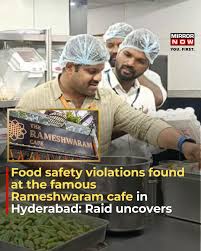
In a densely populated country like India, enforcing food safety regulations can be challenging. Many of these regulations are outdated and difficult to implement effectively. Despite this, the craze for eating out remains unabated. One can’t help but wonder: do people really care about the conditions in which their food is prepared, or is the allure of eating out driven by the perception that it is cheaper than cooking at home?
This perception is particularly prevalent amidst the current cost of living crisis and soaring inflation rates. Many believe that dining out or ordering in is more economical than buying groceries and cooking meals at home. However, this notion often overlooks the hidden costs – the potential health risks associated with consuming food prepared in unsanitary conditions.
Moreover, the shift towards nuclear families has added time pressure, making cooking at home seem less feasible. But is this truly the case? Isn’t it possible for men to contribute more to home cooking, even if it’s basic? Sharing household responsibilities could alleviate some of the time constraints, making home-cooked meals a more viable option.

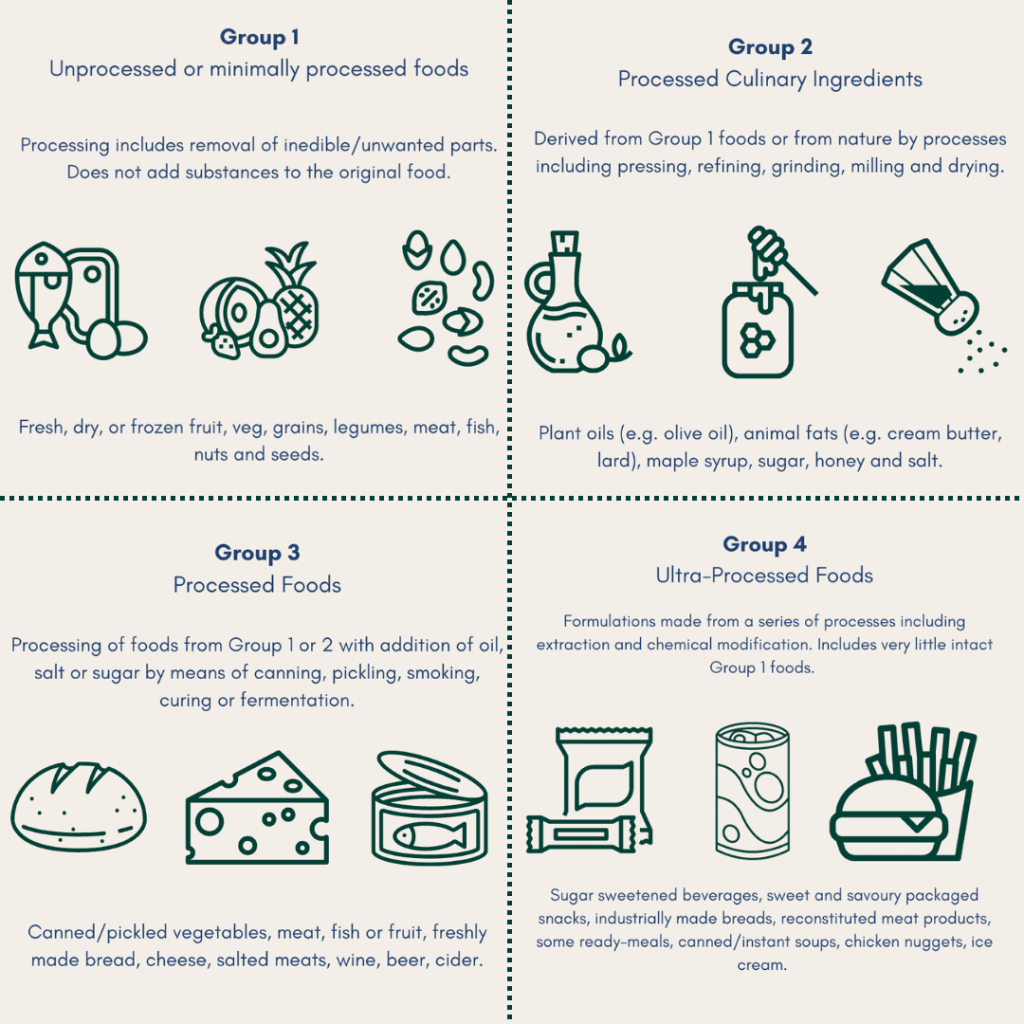
While the downside of processed and ultra-processed foods – contributing to heart conditions, obesity, and other health issues – is widely acknowledged, the broader implications of eating out are often ignored. (I have written before on this topic) It’s time for Indians to realize that frequently dining out or ordering online food is not a healthy option. The impact on health can be significant, and it’s crucial to address this issue head-on.
As a society, we need to start asking critical questions about our dietary choices and how they affect our health. Are we prioritizing convenience and cost over quality and safety? How can we ensure that the food we consume is prepared in a hygienic environment? These are questions that need to be addressed to manage our health better.

Ultimately, making informed choices about where and what we eat can lead to better health outcomes. Emphasizing the importance of home-cooked meals, even in small ways, and demanding higher standards of hygiene in food establishments are steps in the right direction. By doing so, we can safeguard our health and well-being in the long run.
Practical Solutions?
Educational Campaigns
Public awareness is key to tackling this issue. Government and non-profit organizations need to step up their efforts to educate the public about the risks of eating out and the benefits of home-cooked meals. This can be achieved through workshops, social media campaigns, and collaborations with local communities to spread the message effectively. Educating consumers about food safety can empower them to make better choices and demand higher standards from food establishments.
Role of Technology
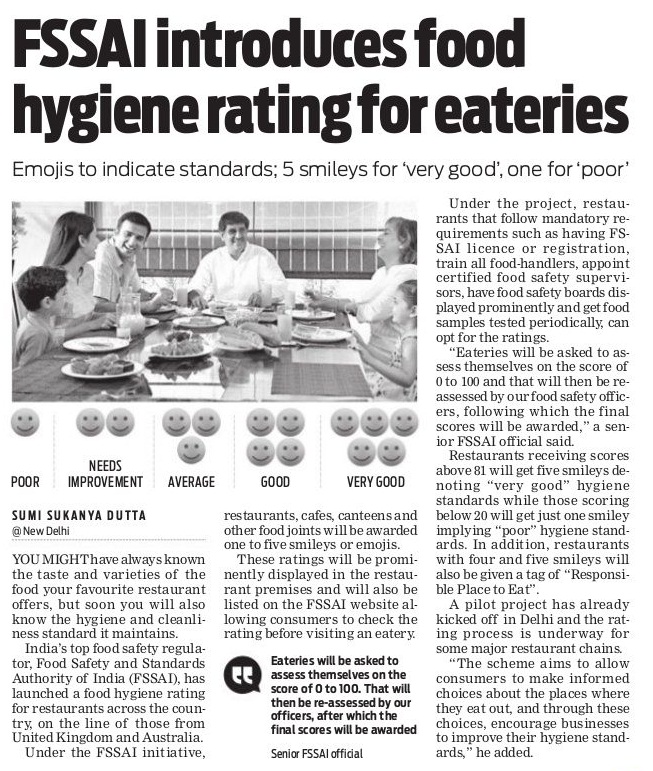
Technology can play a pivotal role in improving food safety. Apps that rate restaurants based on hygiene standards or digital platforms providing transparent information about food sources and preparation practices can help consumers make informed decisions. Encouraging the development and use of such technology can create a more accountable and transparent food industry.
Government Action and Policy Changes
Stricter enforcement of food safety regulations and updated policies reflecting modern standards are crucial. Regular inspections, higher penalties for violations, and support for small businesses to comply with these standards can create a safer food environment. Advocating for these changes can put pressure on authorities to prioritize food safety and hygiene.
Consumer Responsibility
Consumers also have a role to play in this issue. Being vigilant about where they choose to eat, checking hygiene ratings, reading reviews, and choosing reputable establishments are steps everyone can take. Personal responsibility in food choices can drive demand for better standards and practices in the food industry.
Impact of Foodborne Illnesses
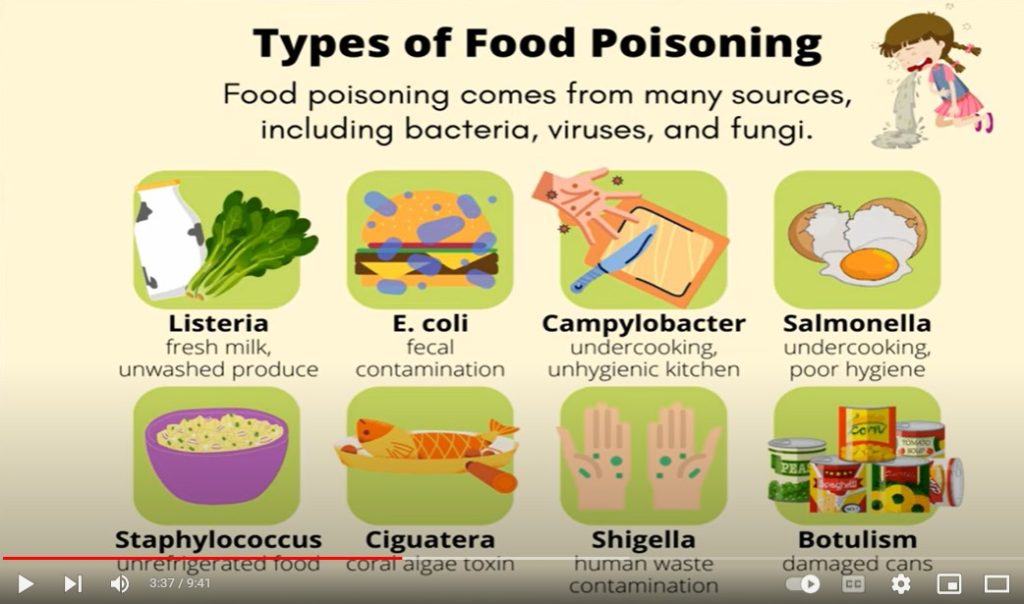
The impact of foodborne illnesses in India is significant. Providing statistics or case studies on hospitalizations, economic costs, and long-term health consequences can underscore the severity of the issue. For instance, the World Health Organization reports that foodborne diseases can lead to serious health problems, including hospitalization and even death in severe cases. Highlighting these risks can make the issue more tangible for readers.
Nutritional Aspect
There is also a nutritional disparity between home-cooked meals and restaurant food. Home-cooked meals often have better nutritional value and fewer additives, contributing to overall better health. Emphasizing the nutritional benefits of cooking at home can encourage more people to prioritize it over dining out.

Success Stories and Solutions
Sharing success stories of communities or businesses that have made significant improvements in food safety and hygiene can provide inspiration and practical solutions. Highlighting innovative practices and models that have worked can serve as a roadmap for others to follow. For example, showcasing a restaurant that has won awards for its hygiene standards can set a benchmark for others.
Cultural Factors
Cultural factors play a significant role in eating habits. Discussing how traditional practices and modern lifestyle changes intersect and how they can be balanced for better health outcomes can provide a deeper understanding of the issue. Exploring ways to integrate healthy eating into cultural norms can help in making sustainable changes.
Support Systems
Support systems can make a big difference for busy individuals and nuclear families. Community kitchens, meal prep services, or cooking classes that emphasize quick and healthy recipes can help people incorporate home cooking into their lives. Providing these resources can alleviate some of the pressures and make home cooking more accessible.
Conclusion
Ultimately, making informed choices about where and what we eat can lead to better health outcomes. Emphasizing the importance of home-cooked meals, even in small ways, and demanding higher standards of hygiene in food establishments are steps in the right direction. By doing so, we can safeguard our health and well-being in the long run.
By addressing these additional points, we can create a more comprehensive and multi-faceted discussion about the importance of food safety and the benefits of home-cooked meals in India.
Good luck.
Karthik
15th June 24
12Noon.

 Health, Environment, Safety, Sustainability (HESS)