

#193
Introduction:
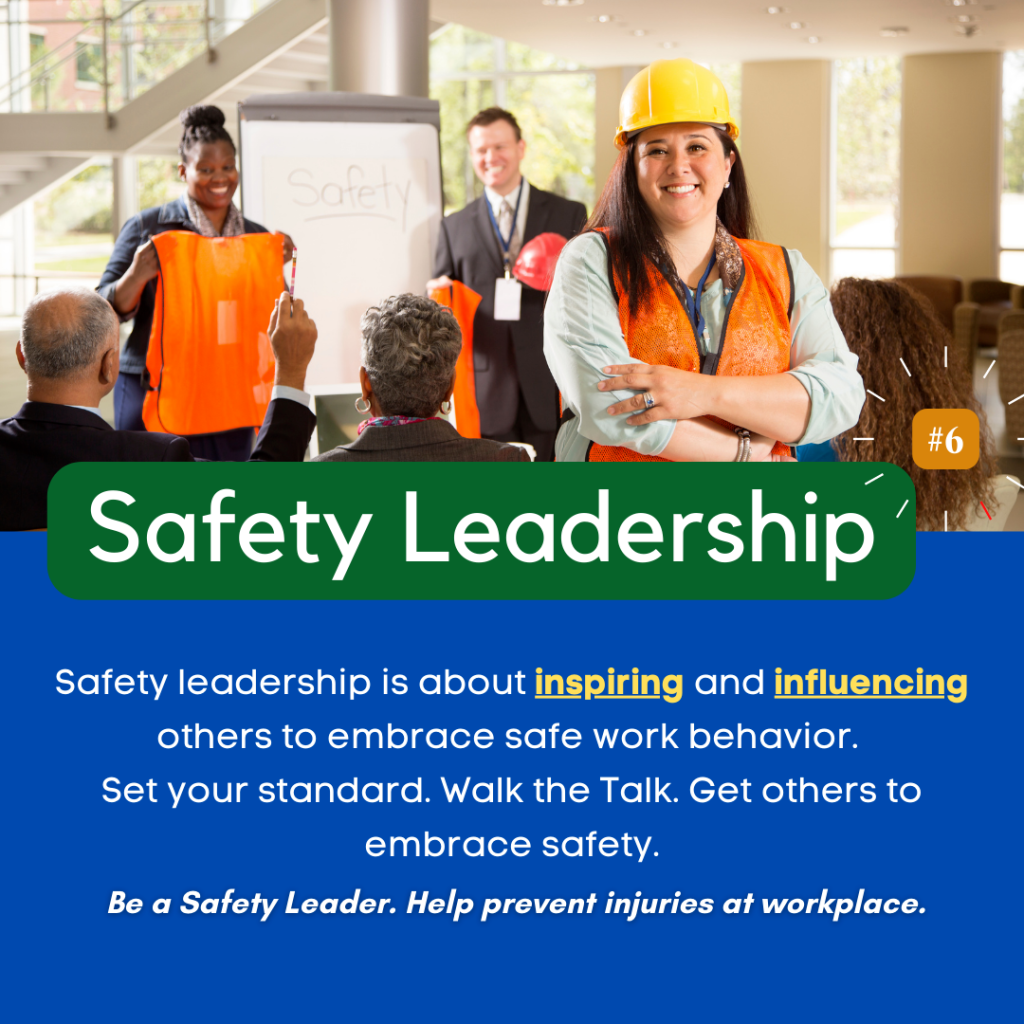
In the fast-paced and often hazardous world of manufacturing, safety leadership is paramount. Effective safety leadership not only ensures compliance with regulations but also fosters a culture where safety is a core value. Values unlike Priority, do not change over time. This is hallmark of organisations which exist for over 100 years. This culture begins with managers and supervisors who not only manage but also lead. Understanding the distinction between leadership and management, embodying key leadership traits, and empowering managers and supervisors can significantly enhance safety outcomes in any manufacturing environment.
Leader vs. Manager: Understanding the Difference

A manager focuses on processes, systems, and tasks. They ensure that daily operations run smoothly, deadlines are met, and resources are utilized efficiently. In contrast, a leader inspires, motivates, and influences their team. Leaders are visionaries who create an environment where employees feel valued, engaged, and committed to the organization’s goals.
In the context of safety, a manager might enforce safety rules and ensure compliance, while a leader will embed safety into the company culture, making it a shared value among all employees. Both roles are essential, but effective safety leadership requires blending the qualities of both a manager and a leader.

Key Leadership Traits for Safety in Manufacturing
- Be Visible on the Shop Floor
Leaders must be present where the action happens. Regularly walking the shop floor allows leaders to observe safety practices firsthand, identify potential hazards, and demonstrate their commitment to safety. Visibility builds trust and shows that safety is a priority. - Talk to People and Get to Know Them
Building relationships with employees fosters open communication. By talking to team members, leaders can gain insights into their concerns and suggestions regarding safety. This rapport encourages workers to voice issues before they become incidents. - Involve Workers in Decision Making
Empowering employees to participate in safety decisions ensures that their practical knowledge is utilized. It also fosters a sense of ownership and accountability for safety practices. Collaborative decision-making leads to more effective and sustainable safety solutions. - Conduct Team Meetings on the Shop Floor
Holding safety meetings on the shop floor keeps discussions relevant and grounded in the real-world environment. These meetings should be interactive, encouraging employees to share their experiences and ideas for improving safety. - Listen
Active listening is crucial for understanding the perspectives and concerns of employees. By genuinely listening, leaders can address issues more effectively and demonstrate that they value their team’s input. - Show Empathy
Empathy involves understanding and sharing the feelings of others. In a safety context, this means recognizing the physical and emotional impact of workplace hazards and striving to minimize them. Empathetic leaders create a supportive environment where safety is a shared concern. - Delegate Tasks
Effective delegation not only improves efficiency but also empowers employees. By assigning safety responsibilities to team members, leaders foster a sense of accountability and ownership over safety practices. - Coach People to Be Better
Coaching involves guiding employees to improve their skills and behaviors. Leaders should provide continuous feedback and support to help their team enhance their safety practices and overall performance. - Meet Deadlines or Communicate Delays
Reliability is a key aspect of leadership. Meeting deadlines demonstrates commitment and efficiency. If delays occur, leaders should communicate them promptly with clear justifications. This transparency maintains trust and ensures that safety standards are not compromised. - Track Metrics and Improve
Safety leadership is data-driven. Leaders must regularly track safety metrics to identify trends, measure progress, and pinpoint areas for improvement. Continuous monitoring and analysis drive ongoing enhancements in safety performance. - Reward People
Recognizing and rewarding employees for their contributions to safety motivates them to maintain high standards. Rewards can range from formal recognition programs to simple acknowledgments of a job well done. Celebrating successes reinforces the importance of safety and encourages a proactive approach.

Empowering Managers and Supervisors
Empowerment is a cornerstone of effective safety leadership, particularly in a manufacturing environment where decisions and actions directly impact employee well-being and operational efficiency. Empowering managers and supervisors involves equipping them with the authority, resources, and confidence to make informed safety decisions and foster a proactive safety culture.
Providing Autonomy: Allow managers and supervisors to make safety-related decisions without excessive red tape. Trusting them to take appropriate actions when safety concerns arise not only speeds up response times but also boosts their confidence and sense of ownership.
Access to Resources: Provide the necessary tools, equipment, and training that managers and supervisors need to implement and maintain safety practices effectively. This includes access to the latest safety technologies, protective gear, and training programs.
Training and Development: Offer ongoing training and professional development opportunities focused on safety leadership. This could include workshops on new safety regulations, advanced safety techniques, and leadership skills tailored to the manufacturing environment.
Encouraging Initiative: Encourage managers and supervisors to take the initiative in identifying potential hazards and implementing preventative measures. Recognize and reward proactive behavior that contributes to a safer workplace.
Clear Communication Channels: Establish clear and open communication channels where managers and supervisors can share safety concerns, suggestions, and best practices. Regular meetings and feedback sessions can help ensure that their voices are heard and valued.
Support and Guidance: Senior leaders should act as mentors, offering guidance and support to managers and supervisors. This helps build their confidence and skills in safety leadership, ensuring they feel supported in their roles.
Recognition and Reward: Recognize and reward the efforts of managers and supervisors in promoting safety. This could be through formal awards, public acknowledgment, or other incentives that highlight their contributions to a safer workplace.
Empowering Employees through Managers: Empower managers and supervisors to, in turn, empower their teams. Encourage them to delegate safety responsibilities, involve employees in safety planning, and foster an environment where everyone feels accountable for safety.
Best Practices That Stand Out in Manufacturing
- Behavioral Safety Programs: Implementing behavioral safety programs focuses on identifying and mitigating risky behaviors before they result in accidents. Training sessions and workshops can help employees recognize and change unsafe practices.
- Safety Incentive Programs: Develop incentive programs that reward employees for adhering to safety protocols and contributing to a safer work environment. These programs can include financial bonuses, additional time off, or other perks that motivate safe behavior.
- Advanced Safety Technologies: Utilize advanced safety technologies such as wearable devices that monitor vital signs, detect hazardous conditions, and alert workers to potential dangers in real-time. Integrating IoT (Internet of Things) and AI (Artificial Intelligence) can significantly enhance safety monitoring and response.
- Regular Safety Audits and Inspections: Conduct frequent safety audits (Risk based) and inspections to identify potential hazards and ensure compliance with safety standards. These audits should be thorough and involve both management and employee representatives.
- Cross-Functional Safety Teams: Establish cross-functional safety teams that include members from different departments and levels of the organization. These teams can provide diverse perspectives and insights, leading to more comprehensive and effective safety solutions.
- Emergency Response Drills: Regularly conduct emergency response drills to ensure that all employees know how to react in case of an emergency. These drills should cover various scenarios, such as fires, chemical spills, and medical emergencies.
- Ergonomics Assessments: Perform regular ergonomics assessments to ensure that workstations and processes are designed to minimize strain and injury. Adjustments to tools, equipment, and workflows can significantly reduce the risk of musculoskeletal disorders.
- Employee Wellness Programs: Promote overall employee wellness through programs that address physical and mental health. Healthy employees are more alert and better able to perform their tasks safely.
- Clear and Consistent Communication: Maintain clear and consistent communication regarding safety policies, updates, and expectations. Use multiple channels (e.g., meetings, newsletters, digital displays) to ensure that all employees receive and understand the information.
- Focus on Root Cause Analysis: When incidents do occur, conduct thorough root cause analyses to identify underlying issues and prevent recurrence. This approach goes beyond addressing symptoms and focuses on eliminating the fundamental causes of safety incidents.
Conclusion
Empowering managers and supervisors with effective safety leadership skills transforms the manufacturing environment. By blending the roles of manager and leader, embodying key leadership traits, and adopting best practices, they can foster a culture of safety that protects employees and enhances productivity. Safety leadership is not just about enforcing rules; it’s about inspiring a collective commitment to a safer workplace. Through visibility, communication, involvement, and continuous improvement, leaders can create a manufacturing environment where safety is everyone’s priority.
Karthik
20th June 2024, 1430 Hrs.

 Health, Environment, Safety, Sustainability (HESS)