

#196
Introduction
July marks the anniversary of the Piper Alpha disaster, a tragic event that forever changed the landscape of industrial safety. As we reflect on this catastrophic incident, it’s crucial to analyze major industrial accidents to extract valuable lessons that can enhance our safety practices today.
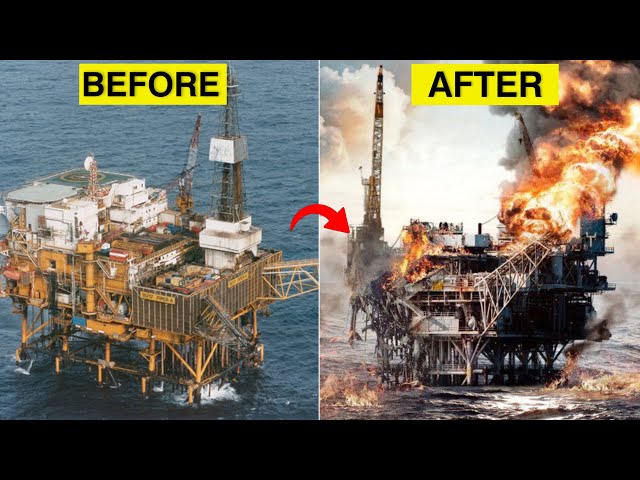
Piper Alpha Disaster: An Overview
On July 6, 1988, the Piper Alpha oil platform in the North Sea was engulfed in a devastating fire, leading to the loss of 167 lives. The incident highlighted significant flaws in safety management, emergency response, and communication systems.
Key Lessons:
- Permit to Work System Failures: The PTW system on Piper Alpha failed, leading to critical maintenance work being conducted without proper oversight. This emphasizes the need for strict adherence to PTW protocols to prevent unauthorized or unsafe work.
- Importance of Maintenance and Inspection: Inadequate maintenance and failure to address known issues can have catastrophic consequences. Regular, thorough inspections are vital.
- Effective Communication: Clear communication protocols between teams and shifts can prevent misunderstandings that lead to accidents.
- Emergency Preparedness: Comprehensive emergency response plans, regular drills, and robust safety equipment are essential.

Bombay High Platform Fire: A Case Study
On July 27, 2005, a major fire broke out on the Bombay High North oil platform off the coast of Mumbai, resulting in the death of 22 people. The fire was triggered by a collision between the platform and a support vessel.
Key Lessons:
- Vessel Coordination and Safety: Ensuring safe distances and proper coordination between vessels and offshore installations is critical.
- Fire Prevention and Control: Robust fire prevention measures and efficient fire control systems can mitigate the impact of such incidents.
- Evacuation Procedures: Effective and well-practiced evacuation procedures can save lives during emergencies.
Bhopal Gas Tragedy: A Case Study
The Bhopal disaster in December 1984 is one of the worst industrial accidents in history. A gas leak at the Union Carbide India Limited pesticide plant exposed over 500,000 people to toxic methyl isocyanate gas, resulting in thousands of deaths and long-term health impacts.
Key Lessons:
- Risk Management: Identifying and mitigating potential risks before they escalate is crucial.
- Community Safety: Industries must have measures in place to protect surrounding communities in case of an accident.
- Regulatory Compliance: Adherence to safety regulations and guidelines is non-negotiable.

Texas City Refinery Explosion
In March 2005, an explosion at the BP Texas City Refinery killed 15 workers and injured over 170. The investigation revealed lapses in safety culture and management practices.
Key Lessons:
- Safety Culture: Cultivating a strong safety culture within an organization can prevent accidents.
- Process Safety Management: Rigorous application of process safety management (PSM) principles is essential.
- Learning from Near Misses: Near misses and smaller incidents should be thoroughly investigated to prevent larger accidents.
Seveso Disaster
On July 10, 1976, a chemical plant in Seveso, Italy, released a toxic cloud of dioxin, contaminating the surrounding area and causing long-term health issues for the local population.
Key Lessons:
- Chemical Storage and Handling: Proper storage and handling of hazardous chemicals are crucial to prevent accidental releases.
- Emergency Response Plans: Having well-defined emergency response plans can minimize the impact of chemical releases.
- Environmental Monitoring: Continuous environmental monitoring helps in early detection and response to toxic releases.
T2 Laboratories Explosion
On December 19, 2007, an explosion at T2 Laboratories in Jacksonville, Florida, killed four employees and injured 14 others. The explosion was caused by a runaway chemical reaction during the production of a gasoline additive.
Key Lessons:
- Chemical Reaction Hazards: Understanding and controlling chemical reaction hazards is essential in preventing runaway reactions.
- Process Design and Safety: Robust process design and safety measures can mitigate the risks associated with chemical manufacturing.
- Training and Competence: Ensuring that employees are well-trained and competent in handling hazardous processes is critical.
Flixborough Disaster
On June 1, 1974, an explosion at a chemical plant in Flixborough, England, killed 28 workers and caused extensive damage. The explosion was caused by a temporary modification to a reactor system, which failed.
Key Lessons:
- Engineering Controls: Temporary modifications to process systems should be thoroughly evaluated and controlled.
- Process Integrity: Maintaining the integrity of process systems is crucial to prevent catastrophic failures.
- Safety Audits: Regular safety audits can identify potential weaknesses in process systems and prevent accidents.
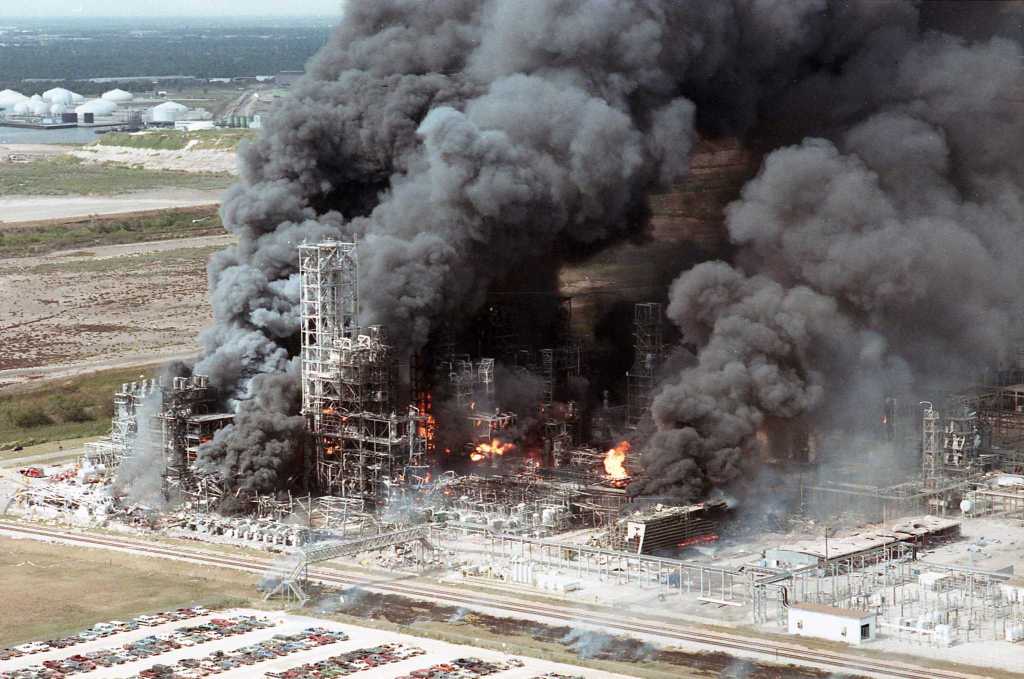
Phillips Petroleum Explosion of 1989
Overview
On October 23, 1989, a massive explosion and fire occurred at the Phillips Petroleum Company’s Houston Chemical Complex in Pasadena, Texas. The incident resulted in the deaths of 23 employees and injured over 300 others. The explosion caused extensive damage to the facility and highlighted significant deficiencies in process safety management.
Incident Details
The explosion at the Phillips Petroleum plant was one of the most devastating industrial accidents in U.S. history. It involved the release of a highly flammable gas mixture during routine maintenance operations, leading to a series of catastrophic explosions and fires.
Causes
The investigation into the Phillips Petroleum explosion identified several root causes and contributing factors:
- Inadequate Maintenance Procedures:
- Poor Equipment Isolation: The failure to properly isolate equipment during maintenance led to the accidental release of a highly flammable gas mixture.
- Deficient Lockout/Tagout (LOTO) Practices: Inadequate LOTO procedures allowed for the unintended release of hazardous energy.
- Human Error:
- Improper Line Breaking: A worker inadvertently opened a valve that was not properly isolated, causing the release of a large volume of flammable gas.
- Inadequate Training: Employees lacked proper training on the hazards associated with line breaking and the specific procedures for safely performing maintenance tasks.
- Lack of Process Safety Management:
- Absence of Hazard Analysis: The facility did not conduct thorough hazard analyses to identify potential risks associated with maintenance activities.
- Insufficient Safety Protocols: There were gaps in the safety protocols and procedures designed to prevent accidental releases of hazardous materials.
- Deficient Emergency Response Planning:
- Delayed Response: The initial response to the explosion was delayed due to inadequate emergency planning and preparedness.
- Lack of Coordination: There was a lack of coordination between the plant’s emergency response team and external emergency services.
- Design and Engineering Flaws:
- Inadequate Ventilation: The facility’s design did not adequately address ventilation, allowing for the accumulation of flammable gases.
- Poorly Designed Safety Systems: The safety systems in place were insufficient to detect and mitigate the release of hazardous gases.
- Organizational and Cultural Issues:
- Weak Safety Culture: The overall safety culture at the plant was lacking, with insufficient emphasis on process safety and risk management.
- Complacency: There was a degree of complacency and overconfidence in existing safety measures, leading to neglect of potential hazards.
Key Lessons
The Phillips Petroleum explosion underscored several critical lessons for process safety management:
- Robust Maintenance Procedures: Implementing and strictly adhering to comprehensive maintenance procedures, including effective isolation and LOTO practices, is essential.
- Thorough Training Programs: Providing extensive training for employees on the hazards associated with their tasks and the proper procedures for safely conducting them can prevent human errors.
- Comprehensive Hazard Analyses: Conducting regular and thorough hazard analyses to identify and mitigate potential risks in all operations.
- Effective Emergency Response Planning: Developing and practicing detailed emergency response plans to ensure rapid and coordinated responses to incidents.
- Strong Safety Culture: Cultivating a strong safety culture that prioritizes process safety and risk management at all organizational levels.
- Engineering Controls and Safety Systems: Designing facilities with robust engineering controls and safety systems to detect and mitigate hazardous releases.
Conclusion
Analyzing these major industrial accidents reveals common themes in the lessons learned. Prioritizing safety culture, rigorous maintenance, effective communication, and emergency preparedness can significantly reduce the risk of such disasters. Process Safety Management (PSM) is a key element to implement for a safe performance. As EHS professionals, it’s our duty to learn from these incidents and continually improve our safety practices.
Karthik
1st July 2024, 1330 Hrs.

 Health, Environment, Safety, Sustainability (HESS)