

#197

Introduction
In the fast-paced world of manufacturing, mental health often takes a backseat to productivity and deadlines. However, with increasing awareness about the importance of mental wellbeing, it is essential to address stress and burnout, especially in the Indian manufacturing sector. This post, aims to shed light on the issues faced by workers and provide practical solutions for creating a healthier work environment.
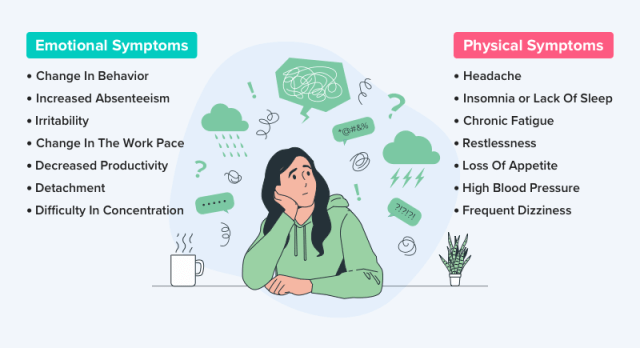
Common Stressors in Indian Manufacturing
Workload and Deadlines In Indian manufacturing, the pressure to meet production targets and tight deadlines can be overwhelming. Workers often have to deal with long hours and high expectations, leading to significant stress. This happens due to poor planning at top level, lack of proper communication from Management/ Supervisors to down the level. This leads stress at lower level at workmen/employees level.
Physical Demands Manufacturing jobs are physically demanding. Continuous standing, repetitive tasks, and heavy lifting can cause physical fatigue, which in turn impacts mental health due to inadequate rest, hostile environment (Heat, Noise, no choice Overtime of work etc.).
Shift Work Irregular working hours and night shifts are common in manufacturing. This disrupts sleep patterns and can lead to chronic stress and health issues. Overtime in a nuclear society, this can lead to mental issues.
Work Environment Factors like noise, heat, Illumination, and poor ventilation in factories can add to the stress levels of workers. Uncomfortable working conditions make it harder to stay focused and productive. Also relationship amongst workmen, fear over supervisor (Power Distance in Indian Culture) can add to mental stress.
Impact of Stress and Burnout
Health Consequences Chronic stress can lead to serious health issues such as hypertension, heart disease, and mental health disorders like anxiety and depression. In a survey by the National Institute of Mental Health and Neurosciences (NIMHANS), it was found that a significant percentage of manufacturing workers in India suffer from stress-related ailments.
Workplace Performance Stress and burnout negatively impact productivity. Workers who are mentally exhausted are less efficient, make more errors, and are more likely to be absent from work. This not only affects the individual but also the overall performance of the company.
Safety Concerns Mental fatigue can lead to increased workplace accidents. In an environment where heavy machinery and hazardous materials are common, the consequences of impaired concentration can be severe.
+++++

Symptoms of Stress and Burnout in Employees
Symptoms of Stress
- Physical Symptoms:
- Headaches or migraines
- Muscle tension or pain
- Fatigue and low energy
- Sleep disturbances (insomnia or excessive sleeping)
- Digestive issues (upset stomach, diarrhea, or constipation)
- Increased heart rate or palpitations
- Emotional Symptoms:
- Anxiety or feeling overwhelmed
- Irritability or short temper
- Mood swings
- Feeling restless or agitated
- Depression or sadness
- Behavioral Symptoms:
- Changes in appetite (eating too much or too little)
- Procrastination or avoidance of responsibilities
- Increased use of alcohol, tobacco, or drugs
- Social withdrawal
- Nervous habits (nail-biting, pacing)
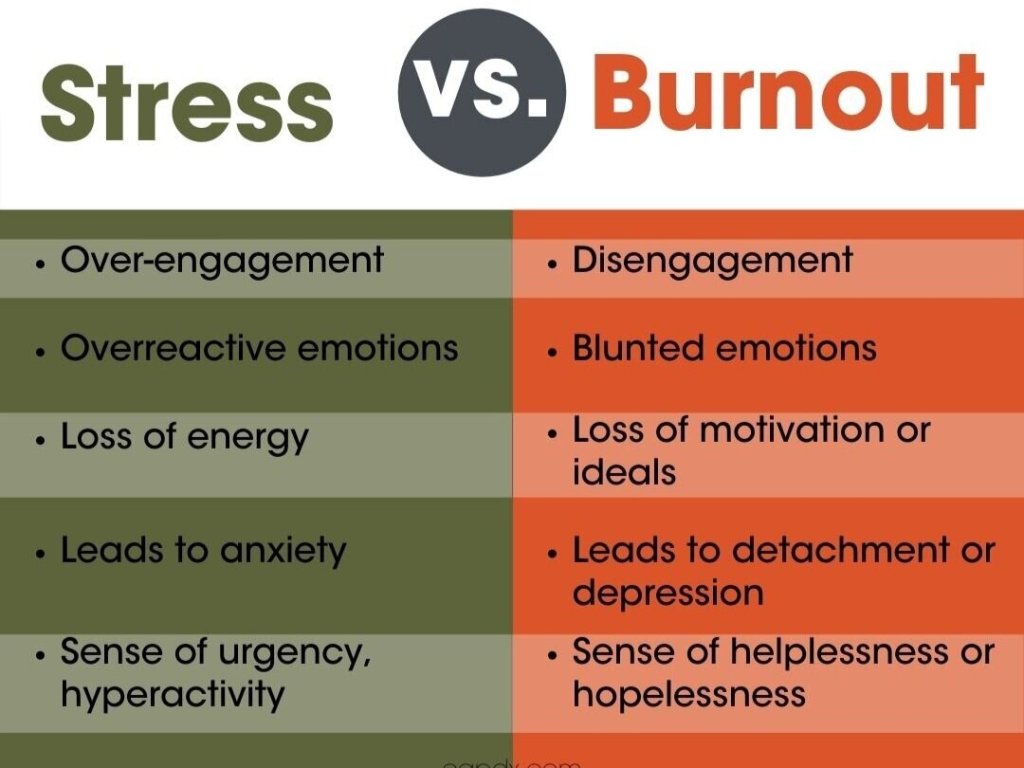
Symptoms of Burnout
- Physical Symptoms:
- Chronic fatigue and exhaustion
- Frequent illnesses due to a weakened immune system
- Sleep problems
- Headaches and muscle pain
- Emotional Symptoms:
- Sense of failure and self-doubt
- Feeling helpless, trapped, and defeated
- Decreased satisfaction and sense of accomplishment
- Detachment and feeling alone in the world
- Loss of motivation
- Behavioral Symptoms:
- Withdrawing from responsibilities
- Isolating oneself from others
- Procrastinating and taking longer to get things done
- Using food, drugs, or alcohol to cope
- Skipping work or coming in late and leaving early
Getting Treatment
For Stress:
- Self-Care Techniques:
- Exercise: Regular physical activity can help reduce stress levels.
- Healthy Diet: Eating a balanced diet can improve mood and energy levels.
- Sleep Hygiene: Establishing a regular sleep schedule and creating a restful sleeping environment.
- Relaxation Techniques: Practices such as deep breathing, meditation, and yoga can help manage stress.
- Workplace Interventions:
- Time Management: Prioritizing tasks and setting realistic deadlines.
- Breaks: Taking short, regular breaks to rest and recharge.
- Work-Life Balance: Ensuring a balance between work responsibilities and personal life.
- Support Systems: Seeking support from colleagues, supervisors, or employee assistance programs (EAPs).
- Professional Help:
- Counseling or Therapy: Talking to a mental health professional can help manage stress.
- Stress Management Programs: Participating in workshops or courses designed to teach stress management techniques.
- Medical Consultation: Consulting a doctor if stress is leading to physical health issues.
For Burnout:
- Immediate Actions:
- Take Time Off: Taking a break from work can provide much-needed rest and recovery.
- Delegate Tasks: Sharing the workload can reduce the pressure and prevent burnout.
- Long-Term Strategies:
- Identify and Address Causes: Understanding the root causes of burnout and working to address them.
- Career Counseling: Seeking guidance on career goals and work-life balance.
- Skill Development: Building skills to better manage workload and stress.
- Therapeutic Interventions:
- Cognitive Behavioral Therapy (CBT): A type of therapy that helps identify and change negative thought patterns.
- Mindfulness-Based Stress Reduction (MBSR): A program that uses mindfulness meditation to reduce stress and improve mental health.
- Support Groups: Joining support groups to share experiences and strategies for dealing with burnout.
- Lifestyle Changes:
- Healthy Habits: Incorporating exercise, a balanced diet, and sufficient sleep into daily routines.
- Hobbies and Interests: Engaging in activities outside of work that bring joy and relaxation.
- Social Connections: Maintaining strong relationships with family and friends for emotional support.
By recognizing the symptoms of stress and burnout and taking appropriate steps to address them, employees can maintain their mental health and wellbeing. Employers also play a critical role in creating a supportive environment that helps prevent these issues from arising in the first place.
+++++++
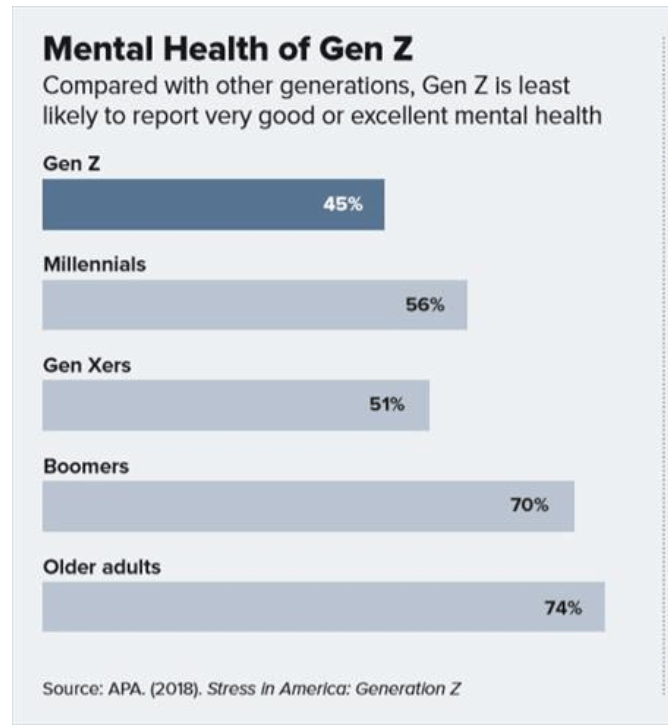
The Growing Demand for Mental Health Support in Manufacturing
The younger generation, age ranging from their 20s to mid-40s, is increasingly prioritizing mental health and wellbeing in their professional lives. This shift in values presents both a challenge and an opportunity for the manufacturing sector, especially in a landscape where attracting and retaining talent is crucial.
Why Mental Health Matters to the Younger Workforce
1. Changing Priorities:
- Younger workers prioritize work-life balance, mental health, and job satisfaction over traditional metrics like salary and job security. This generation is more aware of the importance of mental wellbeing and expects their employers to support it.
2. Increased Awareness:
- The rise of social media and online platforms has led to greater awareness of mental health issues. People are more open about discussing their mental health and seeking support.
3. Cultural Shift:
- There is a cultural shift towards valuing holistic wellbeing. Younger employees expect their workplaces to be environments where they can thrive both professionally and personally.
Consequences for the Manufacturing Sector
1. Talent Attraction:
- Competitive Edge: Organizations that prioritize mental health are more attractive to potential employees. In a sector often perceived as low-rewarding, this can be a significant differentiator.
- Employer Branding: Companies known for their supportive work environment and mental health initiatives will attract top talent, even in a competitive job market.
2. Talent Retention:
- Employee Loyalty: Workers who feel their mental health is supported are more likely to stay with the company, reducing turnover rates.
- Reduced Burnout: Proactive mental health support can prevent burnout, ensuring that employees remain productive and engaged.
3. Enhanced Productivity:
- Motivated Workforce: Employees who feel supported are more motivated and productive. They are likely to put in more effort and be more innovative.
- Reduced Absenteeism: Addressing mental health issues can reduce absenteeism due to stress and related health problems.
Strategies for Manufacturing Companies
1. Implement Comprehensive Mental Health Programs:
- Employee Assistance Programs (EAPs): Provide access to counseling and mental health resources.
- Wellness Initiatives: Offer programs that promote physical health, such as fitness challenges, yoga sessions, and healthy eating campaigns.
- Training and Education Regular workshops and training sessions on stress management and mental health awareness can equip workers with the tools to cope with stress. Educating managers to recognize signs of burnout and intervene appropriately is also crucial.
2. Foster an Inclusive and Supportive Culture:
- Open Communication: Encourage open discussions about mental health. Create an environment where employees feel safe to share their concerns.
- Training for Managers: Train managers to recognize signs of stress and burnout and to provide appropriate support.
3. Promote Work-Life Balance:
- Flexible Work Hours: Offer flexible working hours and remote work options where possible.
- Encourage Time Off: Ensure employees take their allotted vacation days and breaks.
- Promoting a healthy work-life balance is essential. Companies should encourage employees to take regular breaks, use their vacation days, and maintain a balance between work and personal life. Policies like flexible working hours can also help reduce stress.
4. Design an Ergonomic and Healthy Work Environment:
- Workspace Improvements: Invest in ergonomic furniture and equipment to reduce physical strain.
- Relaxation Spaces: Create quiet zones or relaxation areas for employees to unwind.
5. Regularly Monitor and Evaluate:
- Surveys and Feedback: Conduct regular surveys to understand employee stress levels and mental health needs.
- Adjust Programs: Use the feedback to continually improve mental health initiatives.
- Open Communication Creating an environment where employees feel safe to discuss their mental health without fear of stigma is vital. Open communication channels and regular check-ins can help employees feel supported.
- Management Support Managers should be trained to provide support to employees dealing with stress. This includes being approachable, understanding, and proactive in offering help.
- Peer Support Encouraging peer support groups can create a sense of community and provide an additional layer of support for employees. Workers are often more comfortable discussing their issues with colleagues who understand their situation.
Case Studies and Examples
1. Tata Steel:
- Tata Steel has been proactive in implementing mental health programs. Their initiatives include counseling services, stress management workshops, and wellness programs. Employees have reported improved mental wellbeing and job satisfaction as a result.
2. Mahindra & Mahindra:
- Mahindra & Mahindra has introduced comprehensive wellness programs that include mental health support. They provide regular mental health workshops and have created a supportive environment that encourages open communication.
3. Godrej & Boyce:
- Godrej & Boyce has implemented several employee wellbeing initiatives, including mental health support. Their approach focuses on holistic health, combining physical and mental wellness programs.
Resources and Further Reading
External Resources
- NIMHANS (National Institute of Mental Health and Neurosciences): Provides various resources on mental health.
- Mind Matters: An initiative by Tata Group focused on employee mental health and wellbeing.
Books and Articles
- “The Joy of Work” by Bruce Daisley
- “Dare to Lead” by Brené Brown
Conclusion
The manufacturing sector must adapt to the evolving expectations of the younger workforce regarding mental health and wellbeing. By prioritizing mental health, manufacturing companies can not only attract and retain top talent but also create a more productive, engaged, and loyal workforce. In an industry often challenged by low competition and rewards, this focus on mental health can provide a critical competitive edge. It’s time for manufacturing companies to recognize that mental health is not just a benefit, but a necessity for sustainable success.

 Health, Environment, Safety, Sustainability (HESS)