

#201
I was away on Business Travel, I am now back. What a week it was!

Incident Overview
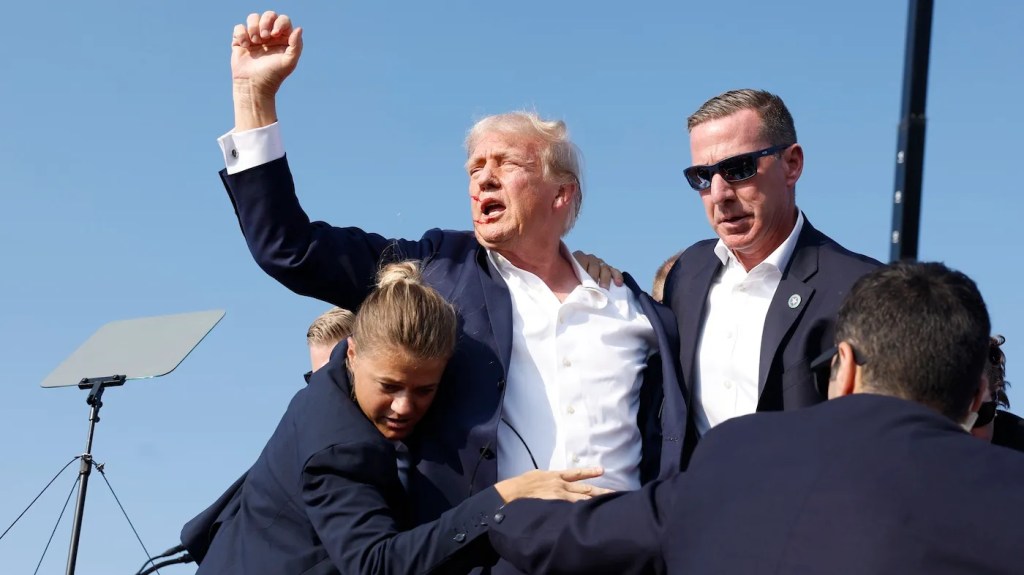
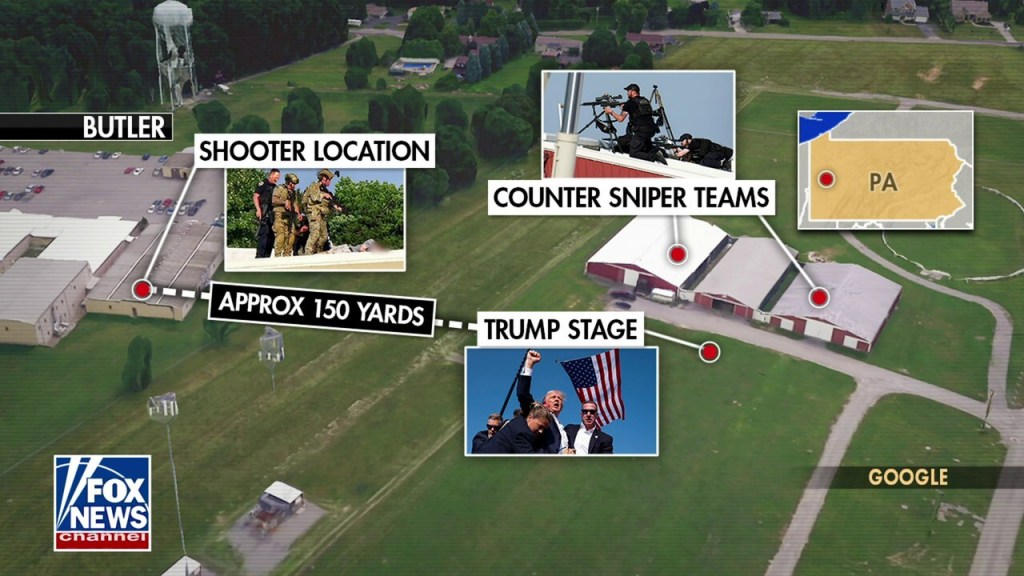
On July 13, 2024, former President Donald Trump survived an assassination attempt during a rally at the Butler County Fairgrounds. The shooter, identified as Thomas Matthew Crooks, fired multiple shots from an elevated position outside the rally venue. The attack resulted in one spectator’s death and two others critically injured. Trump sustained a graze wound to his ear but remained largely unharmed. This incident exposed several critical failures in security protocols and highlighted areas for improvement in crisis management and public safety.
Key Failures and Lessons Learned
1. Misjudged Threats
- Failure: The Secret Service underestimated the potential threat, resulting in delayed action.
- Lesson: All threats must be taken seriously and addressed swiftly. Regular scenario-based training can enhance personnel’s ability to recognize and respond to threats effectively.
2. Lack of Single Authority to Coordinate
- Failure: The absence of a centralized command led to confusion and inefficiency during the crisis.
- Lesson: Establish a single, clear authority for coordination during events to ensure quick, decisive actions and alignment among all security teams.
3. Competency of Personnel
- Failure: Gaps in the competency of some security personnel were evident.
- Lesson: Continuous training and development programs are essential. Regular drills, updated training materials, and performance reviews can maintain high standards and ensure preparedness for high-pressure situations.
4. Time Wasted in Threat Assessment
- Failure: Crucial time was lost in assessing the threat, allowing the shooter to act.
- Lesson: Streamline threat assessment processes to reduce response times. Advanced technology for real-time threat detection and predefined protocols for immediate action can enhance response efficiency.
5. Proactive Event Management
- Failure: The decision to continue the event despite the imminent threat cost valuable time.
- Lesson: Implement proactive event management strategies, including the ability to cancel or postpone events at the first sign of a credible threat. Predefined criteria for such decisions should be communicated to all relevant personnel.
6. Effective Communication Systems
- Failure: Reports of a shooter on the roof led to confusion and panic.
- Lesson: Robust communication systems are needed for accurate and timely information dissemination. Training on effective use of these systems can prevent misinformation and maintain order during crises.
7. Enhanced Surveillance and Monitoring
- Failure: The shooter accessed a vantage point without detection.
- Lesson: Invest in advanced surveillance technology and ensure constant monitoring of key areas. Use drones, CCTV, and other monitoring equipment for early threat detection and prevention.
8. Crisis Management and Public Communication
- Failure: Initial post-incident communication was not well-coordinated.
- Lesson: Effective crisis management requires clear, coordinated communication strategies to manage public perception and provide accurate information. Regular updates and transparent communication can maintain public trust.
9. Multi-layered Security Measures
- Failure: Reliance on a single line of defense proved inadequate.
- Lesson: Implement multiple layers of security, including physical barriers, technology, and intelligence. Redundant security measures ensure that if one layer fails, others can still provide protection. (The Roof Entrance was not protected due to multi layer responsibility)
10. Post-Incident Review and Continuous Improvement
- Failure: The incident highlighted several areas needing improvement.
- Lesson: Conduct thorough post-incident reviews to analyze failures and develop actionable insights. Updates to protocols, training programs, and security measures should follow these reviews to prevent future incidents.
Positive Aspects and Leadership Qualities
- Trump’s Leadership: Despite the attack, Trump displayed courage and leadership by remaining composed and showing defiant gestures as he was led off the stage. This helped to reassure the crowd and maintain calm.
- Crowd Behavior: The crowd’s trust in the environment and lack of panic were notable. This indicates effective crowd management and the importance of maintaining a calm atmosphere during crises.
Conclusion: Capacity to Manage the Issue
The assassination attempt on Donald Trump in Butler, PA, not only exposed specific failures in threat assessment, coordination, and response but also highlighted a broader issue: the absence of sufficient capacity to manage such high-stakes situations effectively. (Safety is not absence of Incident, but presence of Capacity built in!)
Key Points Supporting This Conclusion
- Delayed Threat Assessment:
- The significant delay in recognizing and responding to the shooter indicates a lack of capacity in immediate threat detection and assessment. Efficient protocols and rapid decision-making frameworks were missing, causing crucial time to be wasted.
- Lack of Centralized Authority:
- The confusion and inefficiency due to the absence of a single coordinating authority underscore a structural deficiency. Effective crisis management requires a clear command structure with the capacity to make quick, decisive actions, which was evidently lacking.
- Training and Competency Gaps:
- The gaps in competency among security personnel suggest inadequate training and preparedness. Continuous, rigorous training programs are necessary to build the capacity to handle such high-pressure scenarios, which were evidently insufficient in this case.
- Inadequate Surveillance and Monitoring:
- The shooter’s ability to access an elevated position without detection highlights significant surveillance shortcomings. Advanced surveillance systems and constant monitoring are crucial to building a capacity to prevent such incidents, which were not effectively in place.
- Communication and Coordination Failures:
- The ineffective communication systems that led to confusion among security teams and the public indicate a lack of integrated communication strategies. A robust communication infrastructure is essential to manage crises effectively, pointing to a capacity shortfall in this area.
- Event Management and Decision-Making:
- The inability to make proactive decisions, such as canceling the event when the threat appeared real, reflects a lack of crisis management capacity. Clear protocols for event management in high-risk situations were not adequately established or followed.
Karthik
18th July 2024 1500 Hrs.
PS: Facts verified for accuracy with AI Tools.

 Health, Environment, Safety, Sustainability (HESS)