

#204

In the realm of Environmental, Health, and Safety (EHS), and Operational Excellence (OpEX) initiatives, effectively communicating with management is crucial to securing the necessary support for various initiatives / Programs and Projects. This often requires fluency in the specific jargon that resonates with decision-makers. Understanding and utilizing management language can bridge the gap between operational personnel and upper management, ensuring proposals are comprehended and appreciated, rather than rejected or misunderstood.
Key Management Terms and Concepts
Here are some essential terms and concepts that operational personnel need to grasp:
- Capital Expenses (CapEx): Funds used to acquire, upgrade, and maintain physical assets such as property, buildings, or equipment. Justifying expenditures for improvements through CapEx is crucial. Importantly, CapEx does not affect the profit and loss account directly, which can make it more appealing to management than operational expenses.
- Capital Planning: Long-term planning for significant investments and expenditures. Aligning EHS / OpEX projects with the company’s capital planning strategy is essential to secure funding. Please look ahead for 5 years of planning in your domain.
- Expenditure: The action of spending funds. Differentiate between capital expenditures and operational expenditures (OpExp) to clarify how EHS / OpEx initiatives impact the budget.
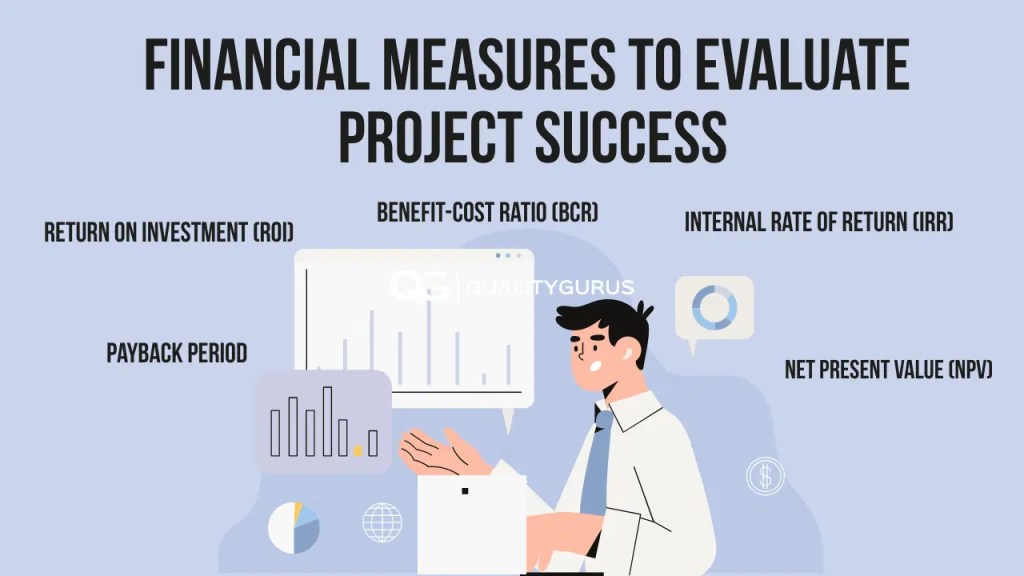
- Return on Investment (ROI): ROI measures the gain or loss generated by an investment relative to its cost. Demonstrating a positive ROI for projects can be a persuasive argument for approval. Try for as much lower payback period as possible.
- Risk Mitigation/Risk Exposure: Risk mitigation involves taking steps to reduce adverse effects, while risk exposure is the potential for loss due to risk. EHS projects often focus on mitigating risks, which can be compelling for management concerned with liability and safety. Link Cost to Risk mitigation by a ratio, which management understands.
- Payback Period: The time it takes for an investment to generate enough cash flow to recover its initial cost. A shorter payback period is often more attractive to management.
- Critical Path: In project management, the critical path is the sequence of stages determining the minimum time needed for an operation. Understanding this helps in efficient project planning and execution.
- Bottleneck: A point of congestion or blockage in a system. Identifying and addressing bottlenecks in processes can significantly improve efficiency.
- SWOT Analysis: SWOT stands for Strengths, Weaknesses, Opportunities, and Threats. Conducting a SWOT analysis can help present a well-rounded view of an EHS project’s potential impacts. (SW—>Internal and OT—-> External)
- Productivity, Safety, Quality, Inventory, Delivery Cost (PSQIDC): Critical aspects of operational design review. A thorough evaluation covering these aspects ensures comprehensive project planning and execution. Please take an integrated approach.
Additional Concepts and Tools
- Total Cost of Ownership (TCO): TCO includes the purchase price of an asset plus the costs of operation. Demonstrating the TCO for initiatives can highlight long-term savings and efficiencies.
- Net Present Value (NPV): NPV is the value of a series of cash flows over time, considering the time value of money. Showing a positive NPV can indicate that a project is financially viable.
- Internal Rate of Return (IRR): IRR is the discount rate that makes the net present value of all cash flows from a project equal to zero. A higher IRR indicates a more profitable project.
- Benchmarking: Comparing processes and performance metrics to industry bests or best practices. Benchmarking can provide a clear justification for EHS initiatives by showing how they align with or exceed industry standards.
- Balanced Scorecard: A strategic planning and management system used to align business activities to the vision and strategy of the organization. Incorporating EHS and operational metrics into the balanced scorecard ensures that safety and environmental and operational concerns are part of the broader business strategy.
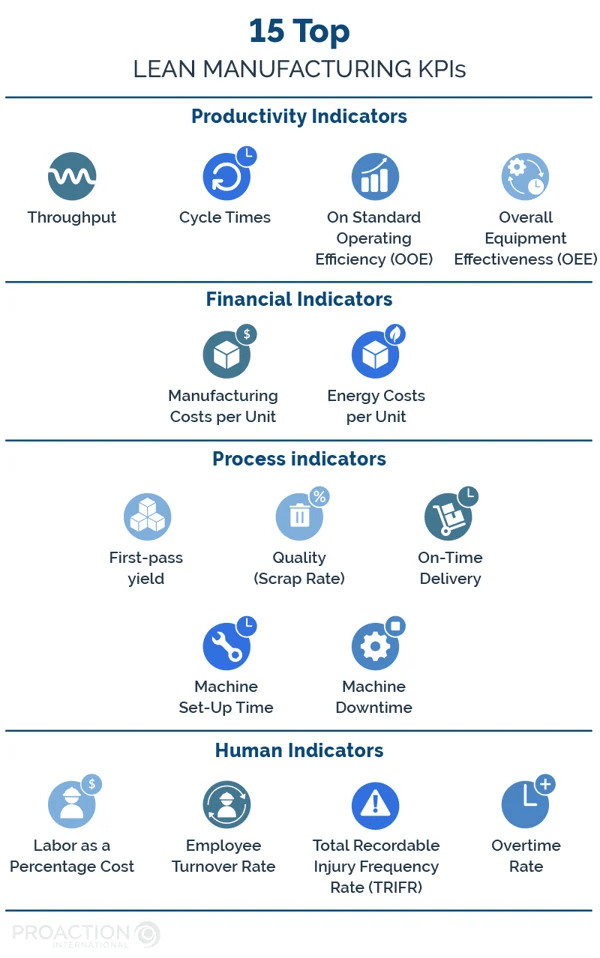
- Key Performance Indicators (KPIs): Specific, measurable indicators used to gauge performance. Defining KPIs for all initiatives helps in tracking progress and demonstrating success to management.
- Integrated Cost-Benefit Analysis: Cost benefits should be seen as an integrated approach covering PSQIDC and not in isolation. This calls for a taskforce of multifunctional teams to see operations in a comprehensive manner.
- Intelligent Risk-Taking: In the absence of complete data, operational personnel should develop intelligent risk-taking skills. This involves making informed decisions based on available information, experience, and judgement. Encouraging a culture where calculated risks are taken can lead to innovation and improvement in functional best practices.
- Appropriate Software Adoption: Adapting appropriate software with built-in resources is the best way to go, rather than relying on archaic checklists which have outlived their usefulness. Modern software can integrate various aspects of project management and operational tracking, providing a more cohesive and efficient workflow.
Effective Communication Strategies
- Thorough Design Review: Allocate 80% of your time to a detailed design review. This includes simulating situations, identifying potential flaws, and ensuring all aspects of PSQIDC are addressed. This preparatory work allows for smoother execution within the remaining 20% of the estimated project time.
- Simulations and Projections: Use simulations to project outcomes and visualize the impact of proposed initiatives. This helps management understand the practical benefits and foresee potential issues.
- Deliver Bad News Quickly: Transparency is key. Communicating challenges or setbacks promptly builds trust and allows for timely intervention and support from management.
- Align with Company Goals: Present all operational initiatives in a way that aligns with broader company objectives. Highlight how these projects support overall business goals, such as cost reduction, efficiency improvements, or compliance with regulations.
Overcoming the Language Barrier
Operational personnel often face challenges due to a disconnect in understanding management jargon. This can lead to frustration and resentment when proposals are rejected. Bridging this gap requires:
- Training and Education: Regular training sessions on management terminology and financial concepts can empower operational personnel.
- Mentorship Programs: Pairing operational staff with mentors from management can foster better understanding and communication.
- Clear Documentation: Use clear, concise, and jargon-free documentation where possible, supplemented by explanations of complex terms.
Personal Experience and Endnote
With over 35 years of experience in EHS, Operations, and HR, I have found that effective project management hinges on several key practices:
- Planning: Planning should always take top priority. It is essential to outline clear objectives, scope, and strategies before moving forward.
- Teamwork and Interaction: Engaging with a diverse team and seeking inputs with an open mind ensures that all perspectives are considered and integrated into the project.
- Budget Planning: Accurate budget estimation is crucial. Understanding the distinction between capital and operational expenses helps in making informed decisions.
- Design Review and Compliance: Conduct thorough pre-design and design reviews, followed by a compliance/conformance review to align with company norms. A multifunctional taskforce is essential at this stage to assess project viability.
- Execution: Ensure clear communication of responsibilities and deadlines. Effective execution relies on meticulous planning, teamwork, and ongoing communication.
By mastering management jargon, employing effective communication strategies, and adhering to these best practices, EHS and Ops professionals can better advocate for their initiatives and secure the support needed for successful project implementation. This not only improves operational outcomes but also fosters a safer and more efficient workplace.
Good luck.
Karthik
4th Aug 2024. 1330 Hrs.
Images owners copyright!

 Health, Environment, Safety, Sustainability (HESS)