

#206
Context: I lost my niece yesterday at Sohar, Oman. We are grieving her passing away.

Introduction
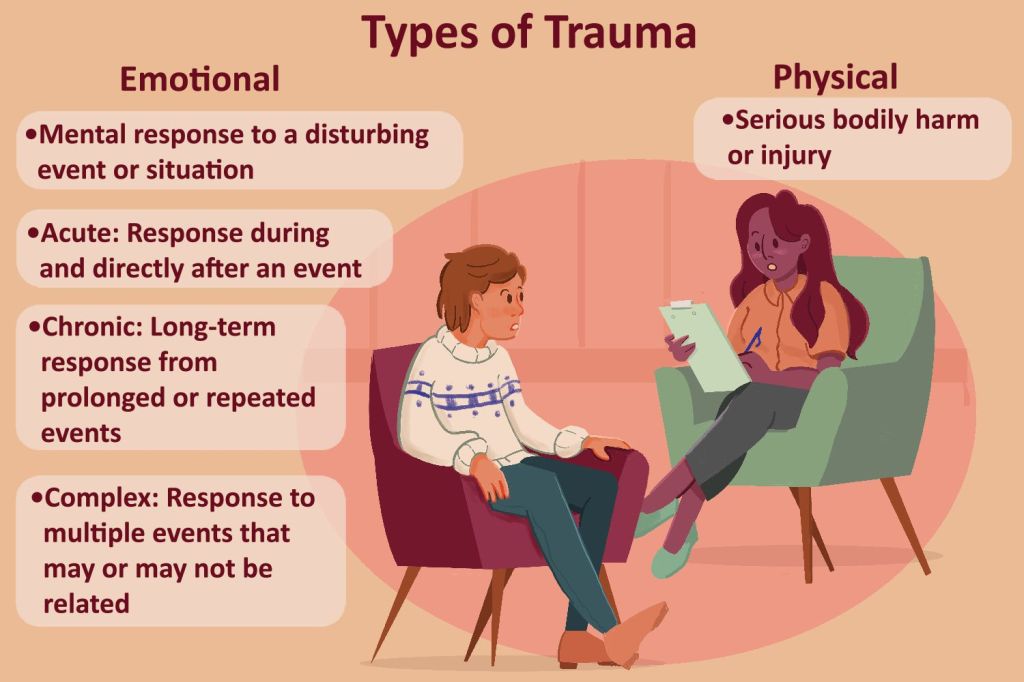
Grieving, counseling, and trauma care are critical aspects of emotional and psychological well-being, yet they remain poorly understood and implemented in India, both in civic society and within industries. Unexpected events such as the loss of a loved one, violence, natural disasters, or industrial accidents can have a profound impact on individuals and communities. Unfortunately, the response to these emotional crises is often minimal or non-existent in the Indian context. My personal experiences over the past 15 months, during which I faced the loss of three dear ones, have highlighted the urgent need for better support systems. Thanks to my exposure during my corporate days and the insights gained from relevant literature, I was able to cope effectively. However, it is essential that organizations step up their efforts to provide the necessary emotional support to their employees.
The Current State of Grieving and Trauma Care in India
In India, there is a significant gap in understanding and addressing emotional trauma. This gap is evident both in everyday life and within professional environments. Cultural stigmas surrounding mental health and emotional expression often prevent individuals from seeking help. In industries, the focus tends to be on productivity and efficiency, with little regard for the emotional well-being of employees.
Why Organizations Need to Do More
Organizations have a responsibility to their employees that goes beyond providing a safe physical environment. They must also ensure a supportive emotional environment. When employees face traumatic events, their productivity, morale, and overall mental health can be severely affected. By addressing these issues proactively, organizations can foster a healthier, more resilient workforce.

Best Practices for Grief, Counseling, and Trauma Care in Organizations

- Establishing Support Systems:
- Employee Assistance Programs (EAPs): Develop comprehensive EAPs that offer counseling services, support groups, and resources for employees dealing with grief and trauma.
- Peer Support Networks: Encourage the formation of peer support groups where employees can share their experiences and offer mutual support.
- Training and Awareness:
- Mental Health Training: Provide training for managers and HR personnel to recognize signs of emotional distress and understand how to support affected employees.
- Awareness Campaigns: Conduct regular awareness campaigns to destigmatize mental health issues and promote available support services.
- Access to Professional Help:
- On-Site Counseling Services: Offer on-site counseling services or partnerships with mental health professionals to provide easy access to help.
- Crisis Intervention: Implement crisis intervention protocols to provide immediate support in the aftermath of traumatic events.
- Flexible Policies:
- Bereavement Leave: Establish clear policies for bereavement leave that provide adequate time for employees to grieve and handle personal affairs.
- Flexible Work Arrangements: Allow for flexible work arrangements to help employees balance their emotional recovery with professional responsibilities.
- Creating a Compassionate Culture:
- Empathy Training: Promote a culture of empathy and understanding within the organization through regular training and leadership initiatives.
- Recognition and Support: Recognize and support employees who are going through difficult times, showing that the organization cares about their well-being.
Conclusion
Addressing grief, counseling, and trauma care is not just a moral imperative but also a strategic one for organizations. By implementing best practices and fostering a supportive culture, companies can ensure that their employees are not only physically safe but also emotionally resilient. In doing so, they create a healthier, more productive workplace and demonstrate a commitment to the holistic well-being of their workforce. It is time for Indian industries to recognize the importance of emotional support and take concrete steps to address this critical issue.
By embracing these practices, organizations can make a significant difference in the lives of their employees, helping them navigate through their toughest times with dignity and support.

+++++++
Option B: Facing Adversity, Building Resilience, and Finding Joy by Sheryl Sandberg and Adam Grant explores the journey through grief and recovery. After the sudden death of her husband, Sandberg, with the help of psychologist Adam Grant, delves into how people can build resilience in the face of adversity. Here’s a summary of the key themes and insights from the book:
Key Themes and Insights
- Understanding Grief:
- Sandberg shares her personal experience of losing her husband, detailing the profound sadness and disorientation that follows such a loss.
- The book discusses how grief is a personal and non-linear process, with each person experiencing it differently.
- Building Resilience:
- Resilience is not a fixed trait but can be developed over time.
- The authors emphasize the importance of personal growth through adversity, suggesting practical ways to foster resilience.
- The Three P’s of Recovery:
- Personalization: Recognizing that not everything that happens is a result of one’s actions.
- Pervasiveness: Understanding that bad events don’t affect all aspects of life.
- Permanence: Accepting that the impact of the event will not last forever.
- Community and Support:
- The role of family, friends, and community in providing emotional support is crucial.
- Encouraging open conversations about loss and creating a supportive environment helps in the healing process.
- Finding Joy and Meaning:
- Despite the pain, it’s possible to find joy and meaning again.
- Engaging in activities that bring fulfillment and connecting with others who have faced similar losses can aid in recovery.
- Practical Advice:
- The book offers practical advice on how to help those who are grieving, emphasizing the importance of presence and support rather than attempting to fix their pain.
- It includes actionable strategies for navigating work and personal life after a significant loss.
Conclusion
“Option B” is a compelling exploration of grief, resilience, and recovery. It combines personal narrative with psychological insights to offer hope and practical guidance for those facing adversity. By sharing her journey and the lessons learned, Sandberg, with Grant’s expertise, provides a roadmap for finding strength and joy after life’s toughest challenges.
Karthik
6th Aug 2024 1500 Hrs.

 Health, Environment, Safety, Sustainability (HESS)