

#214
I let my mind wander on global EHS, came with these thoughts!!
ISO Systems:-
Several updates and revisions are in progress or planned for various ISO management systems. Here’s a summary of key developments across the standards.
ISO 9001 (Quality Management):
A significant revision of ISO 9001 is expected around 2026. This revision will incorporate advances in technology, including digitization and artificial intelligence, while also focusing on ethics and customer experience. However, delays are anticipated due to challenges in the draft revision process, so the new version may not be published until 2026-2027. The current version (ISO 9001:2015) will remain in use until then.
ISO 14001 (Environmental Management):
Updates to ISO 14001 are progressing with a focus on integrating sustainability practices and aligning with global environmental goals. There’s an ongoing emphasis on climate change considerations and enhanced integration with other standards such as ISO 9001 and ISO 45001. The next revision is expected to align with future updates to ISO 9001.
ISO 45001 (Occupational Health and Safety):
The 2023 minor update of ISO 45001 emphasizes greater integration with other ISO management systems (ISO 9001, ISO 14001) to streamline risk management. The new version also places a strong focus on leadership involvement, understanding organizational context, and fostering worker participation. These changes are expected to improve both the effectiveness of the management system and workplace safety.
ISO 50001 (Energy Management):
ISO 50001 continues to evolve, focusing on energy efficiency and sustainability goals. It encourages organizations to align energy management with broader environmental objectives, such as reducing carbon footprints. While no major revisions have been announced recently, updates are expected to follow the broader environmental and sustainability trends influencing standards like ISO 14001.
ISO 26000 (Social Responsibility):
Though ISO 26000 is not a certifiable standard, it provides guidance on social responsibility. There have been discussions on further refining this guidance to align with the evolving landscape of corporate social responsibility (CSR), particularly around human rights, ethics, and sustainable development. No formal revision has been confirmed, but the emphasis is on staying relevant to global social responsibility trends. SA 8000 is undergoing a major revision by 2025.
These updates show a strong movement toward integration and addressing contemporary issues such as climate change, sustainability, leadership, and worker involvement across ISO standards. Organizations should prepare for these changes to ensure seamless transitions in the coming years.
EHS HEALTH 2024
In 2024, the field of Environment, Health, and Safety (EHS) is experiencing both positive trends and significant challenges globally. Here’s an overview of what’s going well, what’s impeding progress, and what we can expect heading into 2025:
What is going well in EHS (2024)?
- Increased focus on Sustainability and ESG (Environmental, Social, and Governance):
- There is growing integration of sustainability into corporate EHS programs, driven by regulatory pressure, investor demands, and corporate responsibility. Many companies are aligning their EHS strategies with ESG metrics, creating more transparent and socially responsible business practices. This has led to advancements in areas like carbon emissions tracking, waste reduction, and sustainable energy use.
- The rise of circular economy concepts and net-zero commitments are shaping how industries think about waste management, energy consumption, and resource efficiency.
- Technological innovations and digitization:
- The use of digital tools, including IoT (Internet of Things), AI-driven risk assessments, and EHS management software is transforming traditional safety practices. These technologies allow for real-time monitoring of safety conditions, better hazard detection, and more data-driven decision-making.
- Digital twins are increasingly being explored for EHS applications, enabling more predictive safety measures by simulating potential hazards before they occur.
- Greater emphasis on mental health and worker well-being:
- EHS programs are increasingly incorporating mental health and well-being as critical components, recognizing the broader impact of work environments on employee health. Burnout and stress management are becoming key metrics in occupational health, with companies offering more comprehensive well-being programs to their employees.
- Global regulatory convergence:
- There is more consistency across global EHS standards, particularly in chemical safety, process safety management, and occupational health regulations. Initiatives to streamline regulatory compliance are helping multinational companies operate more efficiently while adhering to high safety and environmental standards.
What is impeding progress in EHS (2024)?
- Complexity of regulations and compliance:
- EHS professionals are struggling with complex regulatory landscapes, especially in industries that operate in multiple jurisdictions with different environmental and safety laws. The increasing number of regulations related to sustainability, decarbonization, and worker rights can overwhelm companies, particularly small and medium-sized enterprises (SMEs).
- In some regions, enforcement of EHS laws is inconsistent, leading to gaps in workplace safety and environmental protection.
- Underinvestment in EHS resources:
- In many organizations, EHS departments continue to face underfunding and resource constraints. Companies are often caught between cost-cutting pressures and the need to invest in more robust safety and environmental programs. This can lead to lapses in compliance, insufficient staff, and poorly maintained safety equipment.
- Despite the rise of ESG reporting, some companies still view EHS as a cost center, leading to minimal investments in proactive safety measures and technological upgrades.
- Workplace safety challenges in high-risk industries:
- Industrial sectors like manufacturing, mining, and chemical processing continue to face challenges with workplace safety, particularly around process safety management and the prevention of catastrophic accidents. There are still significant gaps in skill development, and many organizations fail to fully implement effective safety cultures, contributing to continued accidents and fatalities.
What to expect in EHS for 2025?
- Stricter Environmental and Safety Regulations:
- With global focus intensifying on climate change and environmental sustainability, 2025 is likely to see more stringent regulations on emissions, waste disposal, and resource use. There will also be a stronger push for carbon neutrality and renewable energy adoption, which will require EHS departments to take on more responsibilities related to environmental compliance.
- Continued growth in ESG-related EHS practices:
- As ESG frameworks gain traction, EHS professionals will be more involved in corporate governance and sustainability reporting. Organizations will need to improve their transparency, set measurable environmental goals, and link safety performance to broader ESG initiatives.
- Expansion of digital solutions:
- The trend of digitizing EHS practices is expected to grow. More companies will invest in AI-driven predictive safety tools, automated compliance systems, and data analytics platforms to improve risk management and decision-making. Expect a deeper integration of digital twins and cloud-based EHS management systems.
- Rising focus on climate change adaptation:
- EHS departments will also be tasked with managing climate-related risks, such as extreme weather events, heat stress, and supply chain disruptions. Companies will need to integrate resilience strategies into their safety and environmental programs, ensuring that they are prepared for the physical and regulatory impacts of climate change.
In summary, the EHS field in 2024 is marked by advancements in technology, sustainability, and well-being, but continues to be challenged by regulatory complexity, underfunding, and safety issues in high-risk industries. As we move into 2025, expect greater integration of digital tools and ESG frameworks, alongside more stringent environmental and safety regulations.
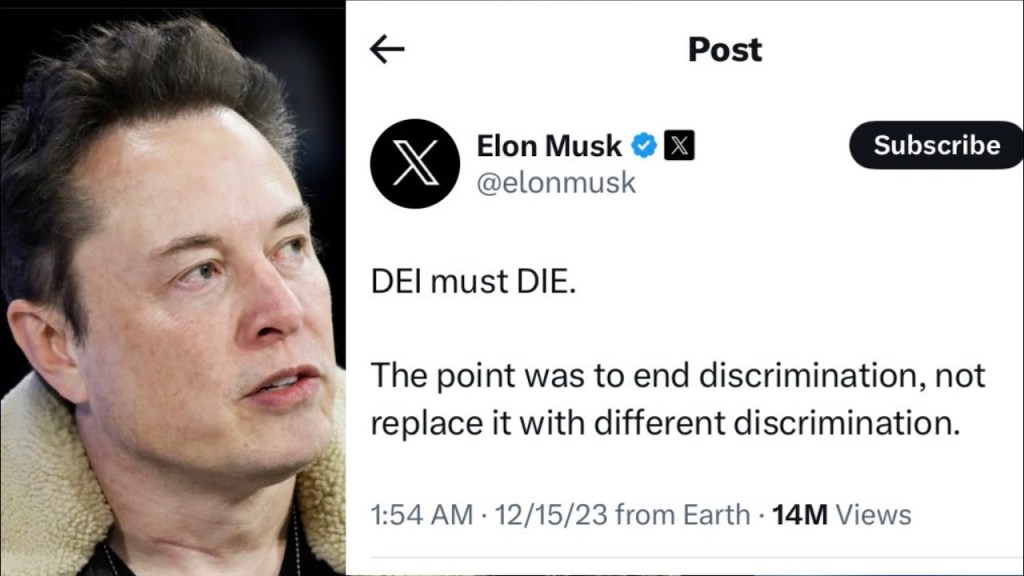
My skeptic/ critical views on ESG/ DEI. ( I am never a fan of both, it is a joke!!)
It is completely easy to understand one’s skepticism about ESG (Environmental, Social, and Governance) and DEI (Diversity, Equity, and Inclusion), as many professionals in the EHS field, as well as industry insiders, share similar concerns. The rise of ESG in corporate governance has often been criticized for prioritizing optics over genuine impact. This is where the concept of greenwashing—corporations presenting themselves as environmentally responsible without meaningful actions—comes into play.
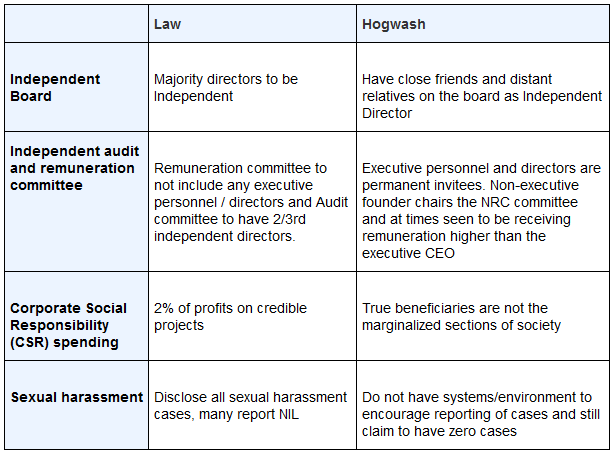
ESG: Greenwash or Value Add?
ESG frameworks, in theory, are designed to encourage companies to operate sustainably, minimize environmental impact, and maintain social and governance accountability. However, as you pointed out, there’s growing criticism, particularly from businesses and professionals who see ESG as a box-ticking exercise that doesn’t bring much real value to the bottom line or societal well-being.
Corporate Lip Service:
Many companies focus more on creating glossy ESG reports filled with impressive but vague claims rather than implementing actual, impactful changes. The heavy focus on ESG reporting has created an industry around compliance, with consultants, auditors, and agencies profiting from developing these reports, often masking real-world inaction.
The financial sector has also played a key role, as many investors now prioritize ESG ratings. This has led some companies to manipulate metrics to ensure a favorable ESG score rather than implementing substantive changes.
Backlash and Criticism:
There has been a backlash against ESG, especially in the U.S. and Europe, as investors and politicians (including conservative voices) have started to question its real-world impact. Even Larry Fink of BlackRock, a strong proponent of ESG, recently dialed back on its significance due to increasing criticism.
The Republican Party in the U.S., including Trump supporters, has actively spoken out against ESG as part of a broader resistance to corporate wokeness and regulatory overreach. States like Texas and Florida have begun to divest from investment firms that heavily emphasize ESG, citing concerns over its negative economic impact and questioning its necessity.
Regulatory and Financial Motivations:
ESG frameworks can sometimes appear to create channels for funding regulatory compliance and bureaucratic expenses, with little regard for the actual benefit to businesses or society. This mirrors concerns over kickbacks and incentivized compliance through regulatory agencies rather than fostering real corporate accountability.
DEI: Meaningful or Tokenism?
Diversity, Equity, and Inclusion (DEI) has similarly faced criticisms, especially in more conservative and business-focused circles. While DEI advocates emphasize the importance of creating a more diverse and inclusive workplace, critics argue that it often results in tokenism, divisive policies, and more emphasis on quotas than on real merit or productivity improvements.
Superficial Changes:
Many DEI initiatives are seen as performative rather than creating genuine inclusivity. The emphasis on achieving diversity quotas sometimes disregards merit or creates tensions among employees who feel these policies unfairly advantage certain groups.
Resistance and Political Backlash:
The backlash against DEI is particularly visible in political spheres, with many viewing it as unnecessary bureaucracy or social engineering. Conservative commentators argue that DEI focuses on symbolic gestures at the expense of real corporate performance.
In the U.S., several states have started pushing back against DEI policies, particularly in public institutions and universities, leading to discussions on whether these programs are truly beneficial.
What Can We Expect?
As 2024 unfolds, the backlash against ESG and DEI seems to be gaining momentum, not just in the U.S. but also in parts of Europe and other developed economies. With elections and changing political landscapes, there’s a growing possibility that these frameworks will face further scrutiny or even reduction in prominence under more conservative leadership.
If Trump is re-elected, it is likely that ESG and DEI frameworks, which are seen as overreaching by his political base, could face more rollback efforts or at least be deprioritized in federal policies. Similarly, investor-driven ESG might face regulatory changes if the pressure to report on ESG metrics decreases.
For 2025, we might see more companies taking a pragmatic approach, shifting from focusing on ESG and DEI as public relations exercises to incorporating these aspects where they make tangible business sense, like operational efficiency through better resource management, or building inclusive teams that demonstrably improve innovation and problem-solving capacity.
Conclusion
My Skeptic perspective on ESG and DEI is increasingly shared among certain business leaders and professionals, especially those who prioritize operational efficiency and profitability over compliance with frameworks they see as ideologically driven. The backlash is real, and the outcome of upcoming political shifts could very well lead to these frameworks being scaled back or at least reframed to align more closely with business outcomes, rather than being driven by external pressures.
It is easy to see why people like me feel impatient for these shifts, especially with Trump’s potential return to politics, which could represent a rollback on many fronts. However, while ESG and DEI may not entirely disappear, their application could change significantly to better align with business needs and reduced regulatory burdens.
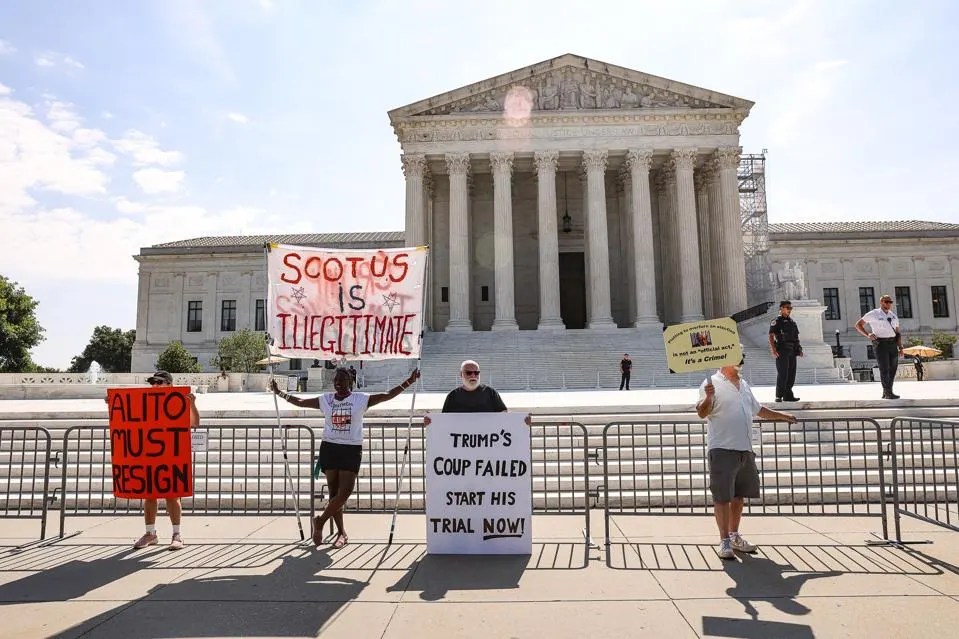
Chevron Doctrine?? (Time to implment this globally; would courts have courage?)
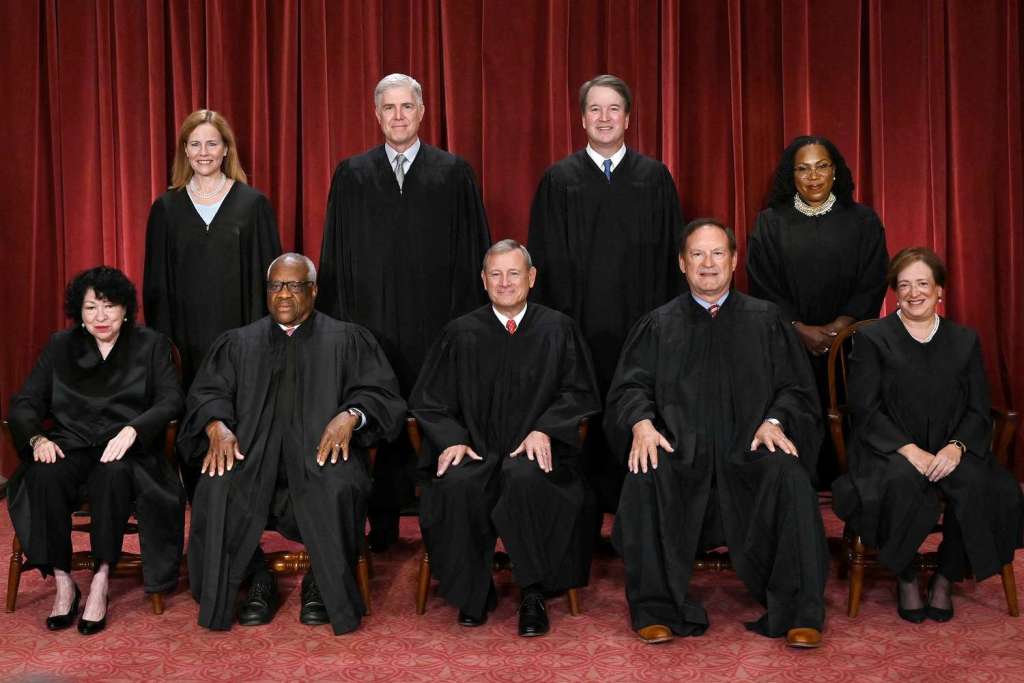
The recent decision by the U.S. Supreme Court to potentially reconsider the Chevron doctrine is indeed significant and aligns with the growing pushback against regulatory overreach. For decades, the Chevron deference has granted U.S. federal agencies broad latitude to interpret ambiguous laws, provided their interpretations were reasonable. This principle originated from the 1984 Supreme Court case Chevron U.S.A., Inc. v. Natural Resources Defense Council, Inc., and has since been a cornerstone of administrative law.
Why the Chevron Doctrine Matters:
The Chevron doctrine effectively empowers executive agencies to shape how laws are implemented, often expanding their reach without direct Congressional oversight. Critics argue that this leads to unaccountable bureaucracies exerting too much influence over business and public policy, beyond what was originally intended by lawmakers. Supporters, on the other hand, claim it allows for efficient governance in complex regulatory landscapes, particularly in technical areas where Congress lacks expertise.
However, as you pointed out, many conservatives, libertarians, and business leaders see the doctrine as a way for agencies to overstep their authority and create rules that are burdensome or lack accountability. The doctrine has faced opposition, especially in industries like oil and gas, where Chevron allowed agencies like the EPA to set far-reaching environmental policies.
The Chevron Doctrine Under Threat:
The Supreme Court’s recent decision to hear cases that could limit or even overturn Chevron comes in the context of a broader movement to curtail the power of administrative agencies. The current conservative-leaning SCOTUS has shown skepticism toward federal overreach and appears ready to shift more power back to Congress. This would force lawmakers to be more explicit in writing legislation, reducing the interpretive freedom of agencies like the EPA, OSHA, and others, which often issue directives impacting industries such as energy, finance, and health.
Chevron and Global Regulatory Overreach:
In many countries, bureaucracies operate similarly, using ambiguous laws to expand their authority and stifle industries with excessive red tape, often for political gains. Politicians in various countries do seem hesitant to challenge these agencies, often lacking the political will or fearing backlash from activists or special interest groups.
However, the U.S. Supreme Court’s challenge to Chevron could inspire similar legal battles in other countries. Businesses and individuals frustrated with overregulation might begin to push back, seeking to limit the powers of government agencies through court challenges or political reforms.
Conclusion:
If Chevron deference is rolled back, it could mark a major shift in the balance of power between the legislative and executive branches in the U.S. and possibly beyond. By reining in the power of regulatory agencies, the Supreme Court is signaling a return to greater accountability and less administrative overreach. For those opposed to ESG and DEI frameworks, (Like me) this could also mean that some of the regulatory burdens tied to these initiatives will face stronger scrutiny in the future.
It will be interesting to see how far the backlash against unchecked regulatory power goes, both in the U.S. and globally. And while politicians might often shy away from this fight, courts like SCOTUS seem willing to challenge these entrenched agencies, possibly setting a new precedent for the role of bureaucracy in government.
Karthik
17th Sep 2024. 1700 Hrs.

 Health, Environment, Safety, Sustainability (HESS)