

#217
Personal Update:- My personal Blog (www.karthikkaraikudy.blogspot.com) is 20 years old this month. 557 posts and 225,000 views. ( I maintained Radio silence for 7 years with 0 Posts as I was busy with Twitter, later I switched back to my blog the only web platform I use. SM (Twitter, Facebook, LinkedIn) all I just dumped, more so LinkedIn is now a disaster as I call it is a facebook with Coat and Skirt!).
Now to my EHS Blog for the day. ( A very Lengthy one I must warn!).

In an email message from my archeive, (For the corrective actions closure progress) I sent to a site I supported, some time back, I wrote:
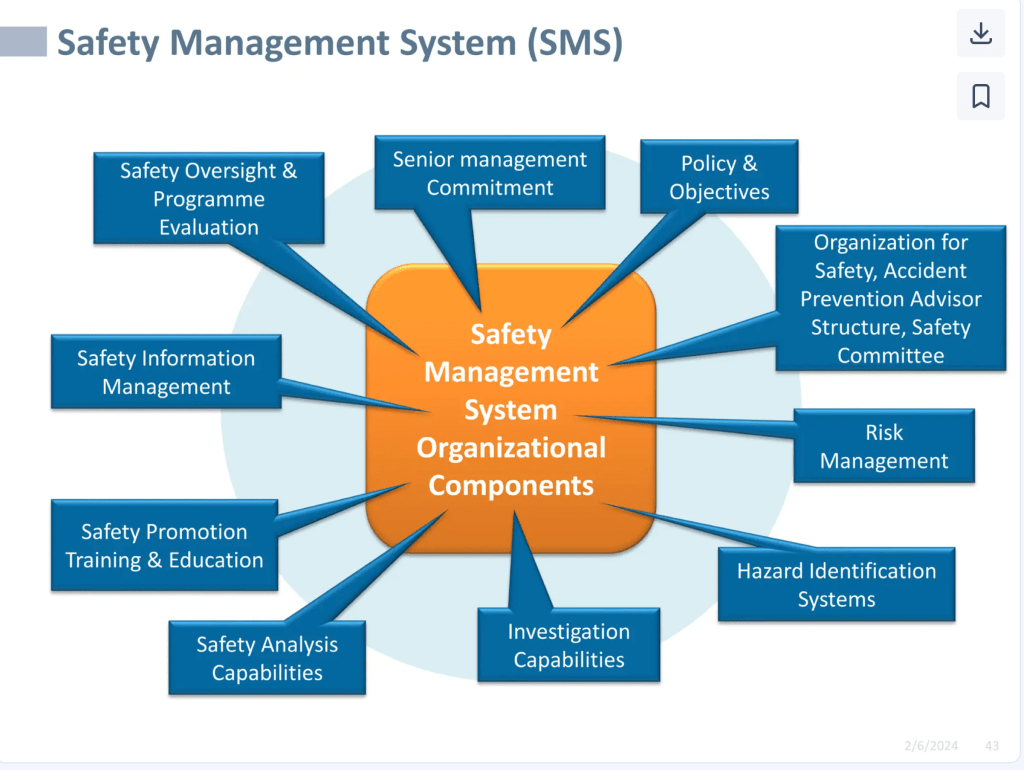
“From what I can infer, you’re doing well on the physical aspects—buying equipment, implementing engineering solutions, etc. However, it seems like there’s more struggle with system issues such as Risk Assessment work, procedure development, checklist implementation, training, communication, and follow-ups for interactions, & Communications with down the line, Metrics management. This is a common trend across many organizations, as they evolve on a journey of operational excellence (Not only safety), so don’t feel disheartened. It’s an opportunity for growth as you continue to mature in these areas.”

This message reflects something I’ve observed across many organizations, especially in manufacturing—there’s often a noticeable gap between physical safety solutions and the systematic approaches required to manage safety effectively. The purchase of new equipment or engineering controls might be prioritized, but the systems that should support these physical changes often lag behind.
Let’s break down some key symptoms, explore their root causes, and discuss actionable steps to help organizations close this gap.
Symptoms: What We See on the Ground
Organizations may excel at visible, tangible actions, such as:
- Buying new safety equipment: From PPE to machine guards, there’s usually no hesitation when it comes to investing in physical safety improvements.
- Engineering solutions: Installing physical barriers, improving ventilation systems, or retrofitting machines to comply with safety standards. However, these are often coupled with shortcomings in system-based safety management:
- Inconsistent or outdated risk assessments: Often conducted only when there’s an immediate need or a regulatory requirement, and sometimes based on old templates.
- Lack of procedural alignment with operations: Procedures are written down but not always followed or aligned with the actual tasks on the shop floor.
- Excel-based data management: While useful, Excel files can be cumbersome, with a lack of real-time tracking or integration across departments.
- Ad-hoc training: Employees are given training, but refreshers or more in-depth training may be inconsistent, especially when Excel sheets are used to manage training records.
- Communication breakdowns: Safety updates and changes in procedures don’t always filter down to the shop floor workers, leading to confusion and gaps in implementation.
Root Causes: Why This Happens
The gap between physical safety solutions and systematic safety approaches typically stems from several factors:
- Short-Term Focus: Organizations often prioritize immediate, tangible actions like purchasing equipment because it shows quick results. System-based improvements—like updated risk assessments or enhanced communication—take more time and may not be as visible in the short term.Example: A manufacturing site may invest heavily in PPE and machine guards but neglect to update their risk assessments or ensure that employees are trained on the new equipment, simply because the equipment purchase is easier to justify.
- Lack of System Ownership: System issues—like risk assessments, procedure development, and training—often don’t have a single owner. Safety is treated as “everyone’s responsibility,” but without clear accountability, these tasks fall through the cracks.Example: A site installs a new conveyor system but hasn’t assigned anyone to update procedures or conduct risk assessments, leading to confusion and potential safety risks during operation.
- Resource Allocation: Budgets and resources often favor physical interventions over systematic improvements. System changes are seen as “softer” or less critical to immediate operations, leading to underinvestment.Example: A site spends on new fire suppression systems but continues to manage training records through Excel, resulting in missed refresher sessions and gaps in knowledge.
- Cultural Resistance to Change: Employees may be resistant to process changes, especially when they are asked to shift from hands-on tasks to more systematic approaches like risk assessments or checklists. This resistance is often tied to a lack of understanding about the long-term benefits of these systems.Example: A worker resists following new procedures for a welding process because they feel their traditional methods are faster, even though those methods have led to near-miss incidents.
Actions: How to Address These Issues
To close the gap between physical and system-based safety management, organizations can focus on the following actions:
- Make Risk Assessments Part of Daily Operations: Risk assessments should not be a once-a-year activity. Involve cross-functional teams—safety, operations, engineering—and review risks regularly, making adjustments as new equipment or processes are introduced.Example: At a chemical handling facility, create a practice where a quick risk assessment is done before any significant change in production (like adding a new chemical to the process). Use simple Excel-based forms that are easy to update but must be reviewed by a safety officer before being saved.
- Align Procedures with Reality: Involve shop floor employees in procedure development to ensure that what’s written is actually feasible. Procedures should be living documents, updated based on feedback, near misses, or incidents.Example: A site that produces automotive parts struggled with high scrap rates. By involving operators in the procedure review process, they identified areas where instructions didn’t match reality, leading to quick adjustments and reduced scrap.
- Upgrade Communication Channels: Even in a low-tech environment, regular communication is key. Set up daily or weekly toolbox talks, even if they’re managed through simple Excel lists, to ensure that safety issues are communicated effectively down the chain.Example: A site may conduct weekly safety briefings where managers go over key points from their Excel-based safety records and distribute this information verbally to ensure that everyone on the floor is updated.
- Use Metrics to Drive Decisions: Metrics collected in Excel shouldn’t just sit there. Use them to review performance, identify trends, and adjust training or operational priorities.Example: Track near-miss incidents in an Excel sheet and use this data during safety meetings to identify areas where additional training or procedural changes might be needed. Focus on trends rather than just raw numbers.
Why This Happens: A Natural Growing Pain
As organizations grow, it’s normal for physical solutions to be prioritized first—they’re visible, easier to implement, and have an immediate impact. However, to move toward operational excellence, it’s essential to integrate systematic safety approaches as well.
The truth is, a site can have all the equipment in the world, but if the procedures, risk assessments, and training aren’t in place, that equipment won’t be used correctly—and may even create new hazards. The journey toward operational excellence isn’t just about making physical improvements, it’s about improving the underlying systems that drive those improvements forward.
The Cultural Issue: Leadership and Accountability
A key factor that contributes to this imbalance is leadership behavior, particularly from middle management up to senior leadership. Many leaders approve capital spending for physical improvements but rarely take the time to be visible on the shop floor or engage with employees. This “ivory tower” mentality—where leaders are disconnected from daily operations—leads to several missed opportunities:
- Lack of Emotional Intelligence: Leaders often fail to engage with their teams on a personal level. They may lack the emotional intelligence to recognize employee struggles or the interest to build relationships, which leads to a disengaged workforce.
- Over-Reliance on Top-Down Communication: Many leaders wait for direction from top management before taking action, rather than being self-starters. This creates a culture of dependency where nothing happens unless it’s mandated from above, stifling initiative and innovation.
- Visibility and Engagement Issues: Leaders who are not present on the shop floor miss crucial insights into how things are actually working. This lack of visibility means they’re unaware of small issues that could eventually escalate into bigger problems.
- Cultural Legacy and Inertia: In many organizations, the culture has been shaped by a legacy of hierarchical structures where decisions come from the top. When attempts are made to change this, there’s significant inertia and resistance from middle management, who are comfortable in their routine.
Symptoms of Leadership Gaps
In organizations where leadership fails to engage meaningfully, you often see the following symptoms:
- Risk assessments become tick-box exercises: Without strong leadership oversight, risk assessments are completed as a formality rather than being a tool to manage hazards effectively.
- Procedures become disconnected from reality: Leaders who don’t interact with employees miss the opportunity to refine procedures based on real-world feedback from the shop floor.
- Lack of accountability for delays: When there is no clear leadership engagement, follow-up on corrective actions or safety audits can get delayed indefinitely without anyone being held accountable.
- Low morale and disengagement: Employees who don’t see their leaders taking an interest in their work can feel undervalued and disconnected, which negatively impacts safety performance.
Actions for Leaders: How to Overcome These Issues

Here are concrete steps that leaders, especially middle managers, can take to close the gap between physical and systematic safety improvements:
- Be Visible on the Shop Floor
- Leaders need to spend time walking the floor, engaging with employees, and understanding their challenges. This simple act of visibility sends a strong message that safety and operational excellence matter. It allows leaders to gather direct feedback on safety procedures and get a firsthand view of where things might be falling short.
- Engage Employees on a Personal Level
- Building relationships with employees helps improve emotional intelligence and creates a culture of trust. Leaders should show personal interest in their team members—not just in their work but also in their well-being. This builds the foundation for open communication and fosters a proactive approach to safety.
- Encourage Self-Starting Efforts
- Leaders must foster a culture of accountability and self-starting by empowering middle managers and employees to take ownership of safety initiatives, rather than waiting for direction from top management. This creates a more agile organization where safety concerns are addressed in real-time.
- Hold People Accountable
- One of the most important roles of leadership is ensuring accountability. Leaders need to set clear expectations that employees at all levels are responsible for delivering safety results on time and within budget. Consequences for not meeting these expectations need to be communicated clearly and followed through.
- Top Management Must Keep an Ear to the Ground
- Senior leaders must remain in touch with what’s happening on the ground. They need to foster an open-door policy where employees feel comfortable raising concerns directly. This prevents middle managers from filtering out key issues and ensures that the top leadership is fully aware of the operational realities.
Addressing the Legacy Issue
Cultural issues don’t change overnight, but leaders can take steps to create momentum. The following strategies can help break through the inertia that often holds organizations back:
- Create Small Wins: Start with smaller, easily manageable safety improvements to demonstrate the effectiveness of systematic changes. This builds confidence and encourages broader adoption.Example: Focus on one procedure improvement initiative—such as streamlining the lockout/tagout process—and show how it leads to fewer incidents and more efficient operations.
- Training for Emotional Intelligence: Provide leadership training that emphasizes emotional intelligence, communication, and engagement skills. This ensures leaders have the tools to connect with their teams in meaningful ways.
- Foster a Continuous Improvement Culture: Encourage a mindset where feedback and iteration are normal parts of the process. Leaders should expect procedures and systems to evolve based on real-world use and employee input.
Conclusion: Closing the Gap for Sustainable Success
System-based safety management might seem complex, but it doesn’t have to be. By focusing on ownership, regular reviews, and simple but effective communication, even low-tech operations can take meaningful steps toward closing the gap between physical safety solutions and systematic safety management. It’s an ongoing journey—one that leads to not only a safer workplace but a more efficient and sustainable one.
Let me know your comments?
Karthik
5th October 2024 (Boy 13 years since Steve Jobs died!-Time flies!).

 Health, Environment, Safety, Sustainability (HESS)