

#218
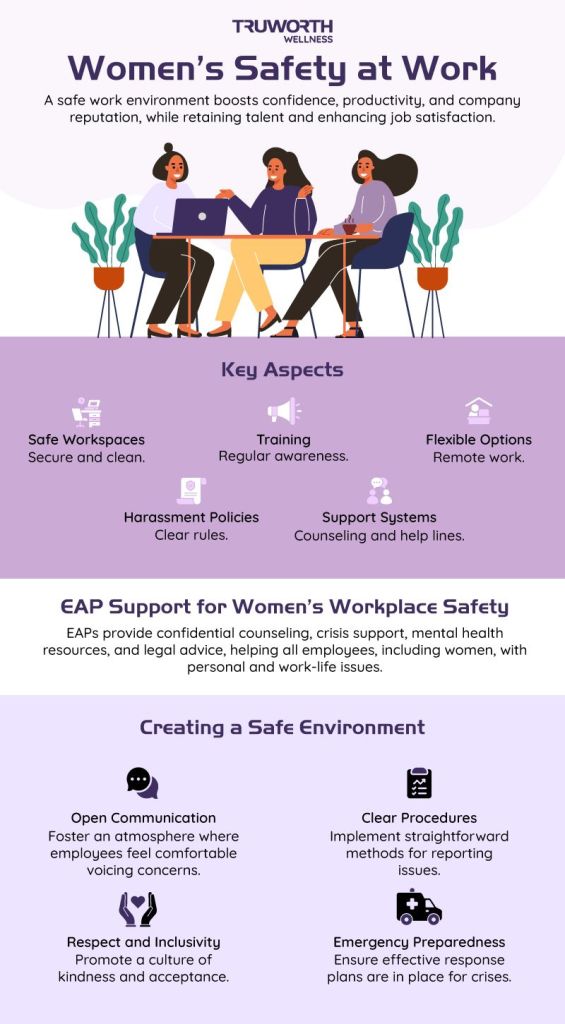
In the world of Environment, Health, and Safety (EHS), we’ve made strides in many areas, yet the conversation about safety for women in the workplace is still in its infancy. While organizations proudly claim progress in gender diversity and inclusion, the stark reality is that most safety protocols, equipment, and workplace designs remain inherently biased toward men. It’s high time that businesses and industries rethink their approach and move beyond a one-size-fits-all safety model to create safer and more inclusive work environments for women.
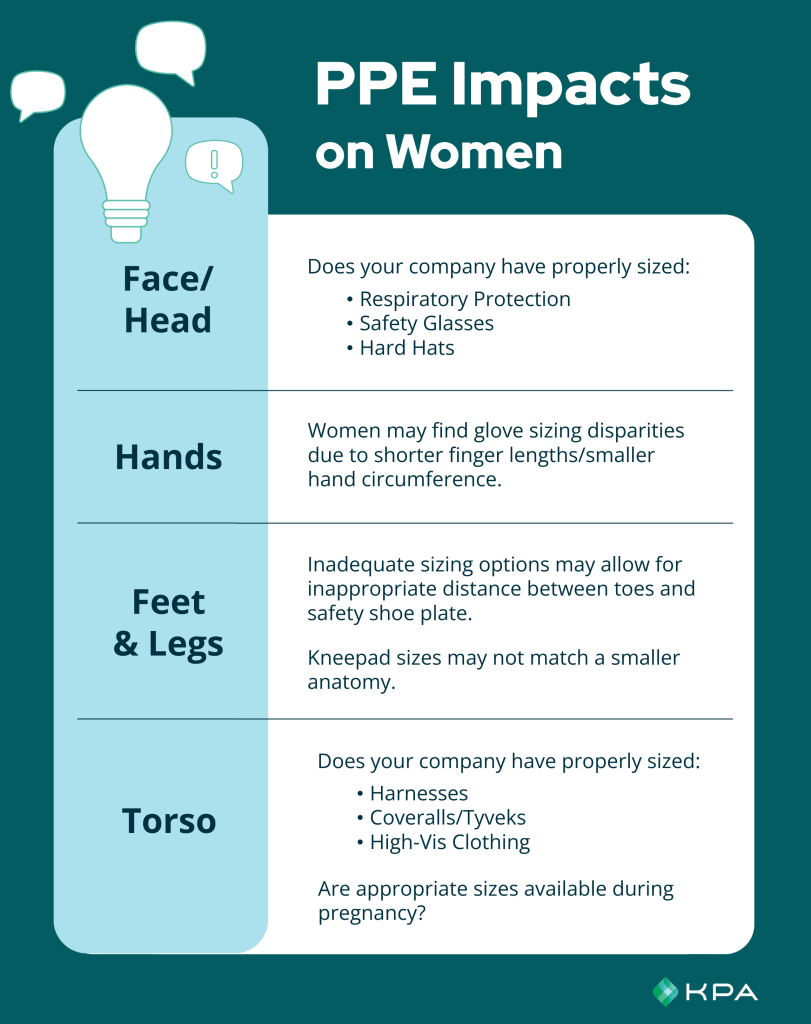
Safety Equipment: Made for Men, But Worn by Women
Let’s begin with the basics: safety gear. Most safety equipment like shoes, gloves, respirators, and safety glasses are predominantly designed with the male physique in mind. For instance, safety shoes that are too wide or respirators that don’t fit properly not only compromise protection but also lead to discomfort and long-term health issues. Women in manufacturing, chemical plants, or even laboratories often have to make do with what’s available, which is fundamentally unsafe.
Globally, some companies have begun designing safety gear tailored to the female body, but this change is slow and not yet widespread. The onus is on organizations to partner with equipment manufacturers to demand female-specific designs and ensure they provide protective gear that fits well, offers comfort, and provides the same level of safety as it does for men.
Workplace Design: Gender-Neutral or Gender-Neglect?
The workplace design itself often caters predominantly to men, from the height of workstations to the layout of emergency evacuation routes. Pregnant or nursing women have specific needs, yet these are often ignored when setting up manufacturing floors or service facilities. For instance, pregnant workers may find it difficult to use stairs during an evacuation, or they may not have access to private spaces for nursing.
It’s critical that engineering and design teams begin to rethink these setups from the ground up. Introducing features like adjustable-height workstations, dedicated spaces for lactating mothers, ergonomic seating, and gender-specific locker rooms or changing areas can make a significant difference in comfort and safety. In many advanced economies, including Europe and the United States, there are already regulations in place to promote such inclusive designs, but much of the rest of the world lags behind.


Risk Assessments: Are We Ignoring Half the Workforce?
One of the biggest gaps in EHS today is in the risk assessment process, which often fails to account for the unique vulnerabilities of female employees. This is particularly important when assessing exposure to chemicals and hazardous substances. Women can be more susceptible to certain toxins due to hormonal fluctuations, and these effects can be exacerbated during pregnancy or lactation. Despite this, many risk assessments do not specifically address these factors, leaving women exposed to risks that might not even be on the radar of safety professionals.
Organizations must update their risk assessment methodologies to include specific factors that affect female workers, such as hormonal impact, reproductive health, and chronic conditions that can be aggravated by chemical exposure. This step isn’t just a matter of fairness; it’s about recognizing that the health effects on women can be fundamentally different from those on men. Regulatory agencies in Europe have already started pushing for gender-specific risk evaluations, and this trend is likely to gain momentum worldwide.
Emergency Planning: Women as an Afterthought
Emergency planning for female workers is often neglected or generalized, assuming that what works for men will work for women too. Issues like relocating pregnant workers during a plant emergency or arranging transportation for female employees during late hours require specific considerations. The unfortunate reality is that these aspects are often overlooked in the chaos of incident management.
Organizations need to develop emergency response plans that explicitly consider the needs of female workers, especially in high-risk environments like chemical manufacturing or pharmaceuticals. Evacuation procedures should account for physical limitations or health conditions of female workers and ensure their safety during an emergency. Globally, some best practices include dedicated emergency evacuation procedures for pregnant women and clear guidelines for after-hours transportation arrangements for female staff.
Administrative and Policy Interventions
Beyond physical design and safety gear, organizations need to adopt a holistic approach that includes administrative policies specifically aimed at creating a female-friendly work environment. This can include:
- Flexible Working Hours: Allowing flexible work hours, especially for pregnant and nursing women, reduces stress and enhances productivity. It can also help them better manage work-life balance.
- Awareness and Training: Regular training sessions on gender-specific safety issues should be part of every organization’s safety culture. These sessions should educate not just women but all employees about the specific needs and challenges women face in the workplace.
- Zero Tolerance for Harassment: Safety isn’t just about physical risks; it’s also about psychological well-being. Implementing a zero-tolerance policy towards harassment and ensuring a strong reporting mechanism is essential to creating a secure workplace for women.
Global Trends and Regulatory Movements
On the regulatory front, there have been some notable developments aimed at correcting these long-standing gender biases in safety. For example, the European Union’s Directive 2002/73/EC focuses on equal treatment in the workplace, urging organizations to consider gender-specific health risks. OSHA in the United States has also highlighted the importance of gender differences in workplace safety and health programs. However, these regulations have not yet become universal standards, and many countries still have a long way to go.
India has recently made strides with policies like the Maternity Benefit (Amendment) Act, 2017, which mandates provisions for lactating mothers and extended maternity leave. However, enforcement remains a challenge, and the inclusion of these policies into practical EHS guidelines for female workers in core sectors is still inadequate.
Moving Forward: Engineering and Administrative Interventions
To truly make workplaces safer for women, organizations must invest in both engineering and administrative solutions:
- Engineering Interventions: Design workstations and equipment that accommodate female ergonomics, ensuring they are not merely adapted but genuinely suitable for women’s physical needs.
- Custom Safety Gear: Partner with PPE manufacturers to develop equipment designed specifically for women.
- Inclusive Risk Assessments: Incorporate female-specific risks into all hazard assessments, including reproductive health factors and hormonal influences.
- Emergency Planning: Develop detailed emergency evacuation procedures for female employees, with particular focus on pregnant women and those with health conditions.

Key health issues specific to women in the workplace can significantly impact operational performance, and organizations must take a proactive approach to raise awareness and address these issues. It’s not only important to educate female employees about managing these challenges but also to create a culture of understanding among all employees, including men, to foster a supportive work environment. Below are some of the key health issues that organizations should consider:
1. Menstrual Health and Related Challenges
Impact on Performance:
- Many women experience symptoms like abdominal pain, fatigue, migraines, mood swings, and reduced concentration during menstruation.
- These symptoms can lead to reduced productivity, increased absenteeism, and difficulty in handling physically demanding tasks.
Organizational Actions:
- Awareness Programs: Educate all employees about menstrual health to reduce stigma and foster empathy and support.
- Flexibility in Work Hours: Allow flexible work schedules or the option to work from home during days of severe discomfort.
- Sanitary Facilities: Ensure access to clean and well-maintained restrooms, with provisions for sanitary products.
- Rest Areas: Create comfortable rest areas where women can take short breaks when needed.
2. Hormonal Imbalances and Related Conditions
Impact on Performance:
- Conditions like Polycystic Ovary Syndrome (PCOS) and thyroid disorders are common among women and can cause symptoms such as fatigue, weight gain, mood swings, and difficulty concentrating.
- Hormonal fluctuations can impact energy levels, cognitive function, and overall well-being, affecting workplace productivity.
Organizational Actions:
- Health Screenings: Encourage regular health check-ups that include hormonal evaluations and provide access to wellness programs.
- Awareness Workshops: Conduct educational sessions on managing hormonal health for both women and men in the workplace.
- Support Systems: Implement Employee Assistance Programs (EAPs) that provide counseling and support for women dealing with hormonal issues.
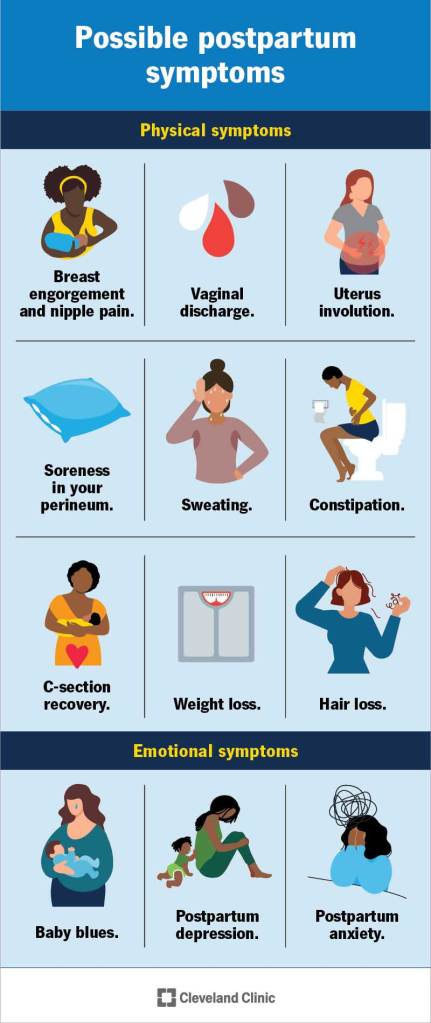
3. Pregnancy and Postpartum Challenges
Impact on Performance:
- Pregnant women may face fatigue, nausea, physical discomfort, and increased stress levels, which can impact their ability to perform physically demanding or high-stress tasks.
- Postpartum challenges like postpartum depression, fatigue, and physical recovery can affect productivity and emotional well-being.
Organizational Actions:
- Ergonomic Workplace Design: Adjust workstations and roles to accommodate pregnant employees to ensure their comfort and safety.
- Maternity Leave Policies: Ensure that your maternity leave policies are supportive, with options for flexible reintegration into the workforce post-delivery.
- Breastfeeding Support: Provide private spaces for breastfeeding or pumping, along with storage options for breast milk.
4. Menopause and Related Symptoms
Impact on Performance:
- Women going through menopause may experience symptoms like hot flashes, mood swings, sleep disturbances, and difficulty concentrating.
- These symptoms can lead to reduced cognitive performance, decreased productivity, and increased stress levels.
Organizational Actions:
- Flexible Work Options: Offer flexible schedules or remote work options to help women manage symptoms without feeling pressured.
- Wellness Programs: Promote lifestyle changes and wellness programs focusing on nutrition, exercise, and stress management to alleviate menopausal symptoms.
- Mental Health Support: Encourage open discussions and provide mental health resources, such as access to counseling or therapy.
5. Mental Health and Stress Management
Impact on Performance:
- Women often juggle multiple roles at work and home, which can lead to chronic stress, anxiety, and burnout.
- Stress related to balancing work and family life can have a significant impact on their focus, productivity, and job satisfaction.
Organizational Actions:
- Work-Life Balance Policies: Implement policies that promote work-life balance, such as flexible hours and paid time off for family emergencies.
- Stress Management Training: Offer workshops on stress management techniques like mindfulness, breathing exercises, and relaxation methods.
- Peer Support Groups: Create women-centric support groups within the organization where employees can share experiences and coping strategies.
6. Occupational Hazards Specific to Female Health
Impact on Performance:
- Exposure to chemicals and toxins in manufacturing and industrial settings can have different impacts on women, including potential effects on reproductive health.
- Lack of consideration for women’s health in risk assessments can lead to increased vulnerability to occupational illnesses.
Organizational Actions:
- Customized Risk Assessments: Include gender-specific considerations in hazard assessments, especially in industries with chemical exposure.
- Safety Equipment: Provide PPE and safety gear tailored to women’s physiology to ensure better fit and protection.
- Training Programs: Train employees to recognize symptoms and report potential hazards that could affect women’s health.
Creating Awareness Across the Organization
- Comprehensive Awareness Campaigns:
- Conduct awareness sessions that address women-specific health issues, emphasizing that these are natural, biological processes and not a sign of weakness or reduced capability.
- Ensure that male employees are included in these sessions to foster empathy, support, and better teamwork.
- Encourage Open Dialogue:
- Create a culture that encourages women to openly discuss their health concerns without fear of judgment or discrimination.
- Promote leadership training that includes sensitivity towards female health issues to ensure that supervisors handle these matters with understanding and respect.
- Zero Discrimination Policy:
- Reinforce a zero-tolerance policy for discrimination or stigma related to health conditions specific to women.
- Ensure that performance evaluations and career growth opportunities are not negatively impacted by these natural health processes.
Conclusion: A New Paradigm of Safety for Women
As women’s participation in the workforce continues to grow, especially in fields traditionally dominated by men like chemical manufacturing and pharma formulation, our approach to their safety must evolve. It is not just about accommodating women in the workplace; it’s about actively redesigning the work environment and safety protocols to meet their needs. By adopting a more gender-conscious approach to safety, organizations can create a truly inclusive work environment that protects and empowers all employees equally.
Addressing women’s health issues in the workplace is not just a matter of creating a supportive environment; it’s a business imperative. Ignoring these issues can lead to reduced productivity, higher absenteeism, and low morale, which ultimately affect the bottom line. Organizations must move beyond traditional mindsets and create policies and practices that genuinely accommodate the needs of their female workforce.
Creating awareness about these challenges and training all employees to understand and empathize with them will go a long way in building a truly inclusive and high-performing workplace. It’s time to break the barriers and design workplaces that consider the health and well-being of all employees, ensuring that women have the same opportunities to thrive and succeed as their male counterparts.
The future of work demands a shift from gender-neutral to gender-specific safety measures, and the time to act is now. Let’s break the mold and pave the way for a safer and more inclusive workplace for women across all sectors.
Karthik
7th October 2024, 1600 Hrs.

 Health, Environment, Safety, Sustainability (HESS)