

#220

Safety committee meetings have a critical role in fostering a safe workplace, yet many organizations struggle to keep these gatherings effective and engaging. Of late, these meetings have devolved into stale, routine affairs with little purpose or direction. Without a clear agenda, follow-up, or member engagement, safety committees can lose their credibility, leaving both employees and management skeptical of their value.
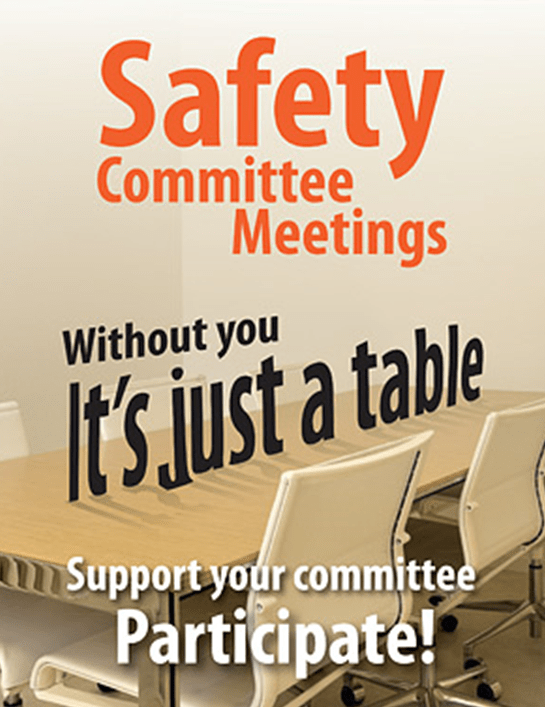
Let’s break down what’s going wrong and how we can turn it around.
The Problem with Current Safety Committee Meetings
- Lack of Agenda: Without a predefined agenda, the meetings often meander, wasting time and achieving little. When there’s no focus, committee members may come unprepared or feel disengaged.
- No Follow-Up: Even when critical issues are raised, they often fall through the cracks without proper tracking. The same problems keep resurfacing, creating a sense of inefficiency and frustration among employees.
- Copy-Paste Minutes: Meeting minutes have become a recycled version of previous meetings, with only superficial changes. This shows a lack of accountability and progress, leaving members demotivated.
- Member Detachment: Safety committee members should act as liaisons between employees and management. However, in many cases, they do not engage with employees in their areas to understand real safety concerns, rendering their input less valuable and disconnected from on-the-ground issues.
- Lack of Basic EHS Knowledge: Many members lack a fundamental understanding of essential EHS legislation, procedures, and standards. Without this knowledge, they struggle to push meaningful safety improvements or gain management’s trust.
Trends in Safety Committees: The Bigger Picture
Globally, the trend is to move towards highly empowered safety committees that serve as genuine change agents. Companies that recognize the value of employee-led safety initiatives have begun investing in training, providing resources, and giving these committees a greater voice. However, the transition from a formality to a powerful force requires conscious effort.
Some companies have introduced:
- Structured EHS training for committee members: Offering members in-depth knowledge of safety legislation and processes.
- Regular feedback loops: Creating channels for employees to anonymously raise issues, which committees can then address in meetings.
- Real-time tracking of safety issues: Using technology to record, monitor, and follow up on action items discussed.
How to Make Safety Committees Work
- Define a Clear Agenda
A well-defined agenda sets the tone and direction for the meeting. Create a standing structure that includes:- Incident reviews Hazard identification Action item updates Legislative or regulatory updates
- Track and Close Out Actions
Establish a robust system for tracking issues raised and actions agreed upon. Assign responsibility, set deadlines, and have follow-up mechanisms in place. During each meeting, the first order of business should be reviewing progress on action items from previous meetings. - Engage with Employees
Safety committee members must actively communicate with employees in their areas. They should hold regular, informal talks to gather concerns and ideas. When members are connected to the workforce, they become effective ambassadors for safety, and their contributions become more relevant and actionable. - Empower Committee Members with Knowledge
Equip safety committee members with the necessary knowledge of EHS regulations and standards. Organize training sessions or workshops that familiarize them with essential laws, hazard identification techniques, risk management processes, and other relevant standards. This not only increases their confidence but also ensures they are respected voices in both employee circles and management discussions. - Earn Trust
Trust is built when committee members can demonstrate tangible results. Start with small wins—issues that are easily solvable—and build momentum. Over time, as employees see real changes in safety protocols, and as management observes improved safety metrics, the committee will gain credibility. - Influence Top Management
The key to getting management’s support lies in linking safety improvements to business outcomes. Data and metrics can be powerful tools here—show how a safety investment or recommendation could reduce downtime, prevent costly incidents, or improve employee morale. Framing safety recommendations in a way that aligns with business goals is crucial for getting top-level buy-in.
Conclusion: From Stagnation to Strategic Influence
Safety committees should be more than a formality—they should be a driving force for change. By revitalizing the way these committees operate, from having clear agendas and tracking actions to empowering members with knowledge, organizations can not only enhance safety but also foster a culture of trust and accountability.
It’s time to transform safety committees from dragging, ineffective meetings into influential bodies that create real value. After all, safety isn’t just a compliance box to tick—it’s a cornerstone of operational success.
Let me know your thoughts/ comments
Karthik
18th October 2024, 5pm.

 Health, Environment, Safety, Sustainability (HESS)