

#223
Personal Update:- I had to undergo a Spine Surgery this week, which may keep me off, from business routine / travel, for a few weeks (Until 1st Jan 2025, is my guess!).
Process safety incidents (PSIs) have occurred with increasing frequency and severity across industries worldwide. Recent cases, such as the hydrogen sulfide release at PEMEX’s Deer Park facility and the chlorine leak at Honeywell’s Geismar plant, reflect the dangers of overlooking lessons learned from past mishaps. Despite significant advances in PSM, companies still encounter preventable failures—a result of what could be called an “organisational amnesia” in the industry. Let’s explore recent incidents and examine the patterns behind these recurring issues and what organisations can do to retain critical safety insights over time.
The Nature of Organisational Memory Loss in PSM
Organisational memory loss in process safety management refers to the phenomenon where lessons from past incidents are not retained, often resulting in similar incidents reoccurring. Studies reveal that PSM principles, when not continually reinforced, fade from practice within 3-5 years.
This loss occurs because of:
- Workforce Turnover and Knowledge Gaps: With the retirement of experienced personnel, institutional knowledge is lost. In industries like petrochemicals and refining, where safety practices are complex and deeply technical, this turnover results in younger, less experienced employees handling high-risk operations without sufficient historical knowledge.
- Over-reliance on Protocols without Practical Training: Many organisations rely heavily on written procedures. However, employees, especially senior operators, often ignore or skip steps they consider redundant, creating a procedure-use gap that leaves organisations vulnerable to operational mishaps.
- Misalignment between Boardroom and Shop Floor Priorities: Safety is often proclaimed as a top priority at executive levels, but operational decisions frequently neglect this, as evidenced by inconsistent support for PSM investments and updates in high-risk sectors.
United States
- PEMEX Deer Park Refinery Hydrogen Sulfide Release (October 10, 2024): A hydrogen sulfide leak at the PEMEX Deer Park refinery in Texas resulted in two fatalities and 35 injuries. The incident occurred during maintenance on a sulfur recovery unit. Reuters
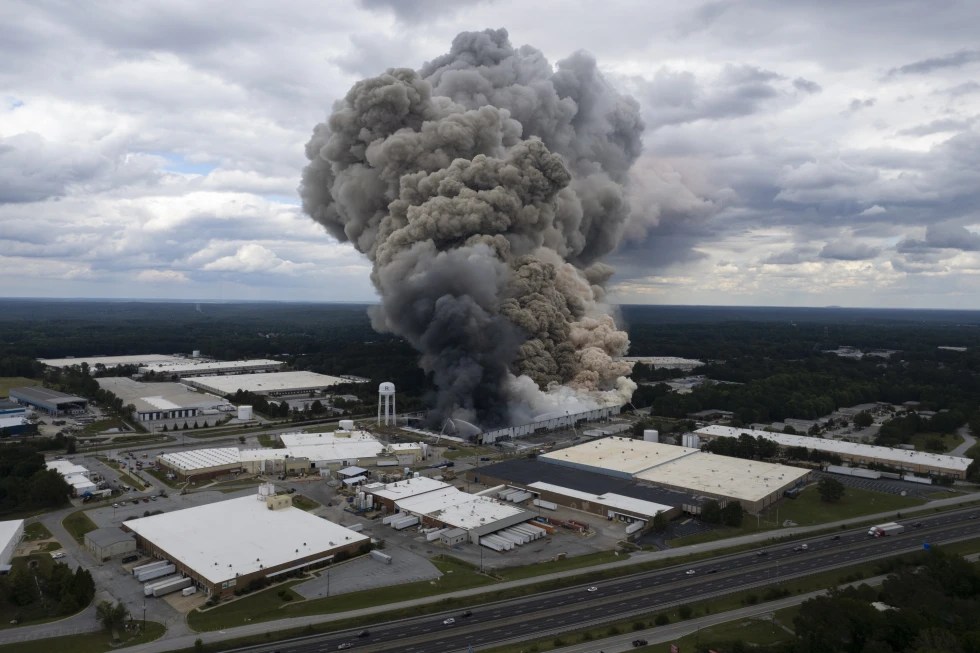
- BioLab Chemical Fire in Conyers, Georgia (September 29, 2024): A fire at the BioLab chemical plant led to a toxic cloud over Atlanta’s suburbs, prompting evacuations and health concerns among residents. The facility has a history of similar incidents. AP News
- Dow Louisiana Operations Ethylene Oxide Release (July 2023): An explosion at Dow’s Glycol II plant in Plaquemine, Louisiana, released over 31,000 pounds of ethylene oxide, a known carcinogen. Subsequent explosions and fires caused additional damage. Consumer Financial Protection Bureau
- The CSB is continuing to gather facts and analyze several key areas involved in this incident, including:
- Emergency pressure-relief systems scenarios
- Reactive chemical hazards
- Reactive material emergency pressure-relief system design
- Maintenance procedures and practices
- Relevant facility, corporate, and industry standards
- The CSB’s investigation of this incident is ongoing. Complete findings, analyses, and appropriate recommendations will be detailed in the CSB’s final investigation report.
- Honeywell Geismar Facility Hydrofluoric Acid Release (June 7, 2024): A release of highly toxic hydrofluoric acid occurred, seriously injuring a worker. This incident followed a previous release in January 2023 at the same facility. Consumer Financial Protection Bureau
- Royal Chemical Company Explosion in Macedonia, Ohio (May 15, 2024): An explosion at the Royal Chemical Company facility resulted in injuries and significant property damage. The cause of the explosion remains under investigation. Fox 8
- Archer Daniels Midland Co. Explosion in Decatur, Illinois (April 2023): An explosion at an ADM facility severely injured a worker, leading to allegations of safety negligence and a subsequent lawsuit. Reuters
International
- Mount Isa Sulphuric Acid Plant Leak (October 16, 2024): A gas leak at the Mount Isa Sulphuric Acid Plant in Australia resulted in 14 individuals requiring medical attention, with four hospitalized. The incident occurred during a scheduled maintenance shutdown. Courier Mail
- Tata Electronics Plant Fire in Hosur, India (September 28, 2024): A major fire at Tata Electronics’ iPhone component manufacturing plant disrupted production and led to medical aid for at least 10 individuals, including two hospitalizations. Reuters
These incidents underscore the critical importance of stringent process safety management practices across industries to prevent accidents and protect workers’ health and safety.
Addressing Organisational Amnesia: Key Strategies for PSM
- Institutionalise Learning with Incident Archives: Create a centralised database of past incidents, accessible across departments, that includes in-depth investigations, root causes, and lessons learned. This database should be used as a training tool for new and existing employees.
- Routine Process Safety Audits and Scenario Simulations: Regular audits, combined with scenario-based training, ensure employees internalise protocols beyond just reading procedures. Introducing simulated exercises, especially under varying conditions like cold weather, helps embed safety culture and procedural discipline.
- Operational Risk Alignment: Establish communication channels between boardroom and field operations, where safety leaders can challenge top-down directives that compromise safety, aligning organisational goals with operational realities.
- Reinforcement through Digital Training and Tools: Leverage digital tools, such as interactive safety training modules and mobile-accessible protocols, to keep PSM practices fresh. These tools enable on-the-job referencing and reinforce learning by regularly prompting operators on protocol adherence.
Conclusion: Rebuilding Organisational Memory for Safer Operations
Process safety is a continuous journey, not a destination. To prevent tragic recurrences, organisations must overcome memory decay by embedding PSM principles into every level of operation. It is not enough to declare safety as a priority—organisations must systematically capture, retain, and apply lessons from every incident. Through constant vigilance, updated training, and proactive risk management, companies can avoid the costly mistakes of the past and ensure a safer future for their operations and their people.
Karthik
27th October 2024
12Noon.

 Health, Environment, Safety, Sustainability (HESS)