

#230

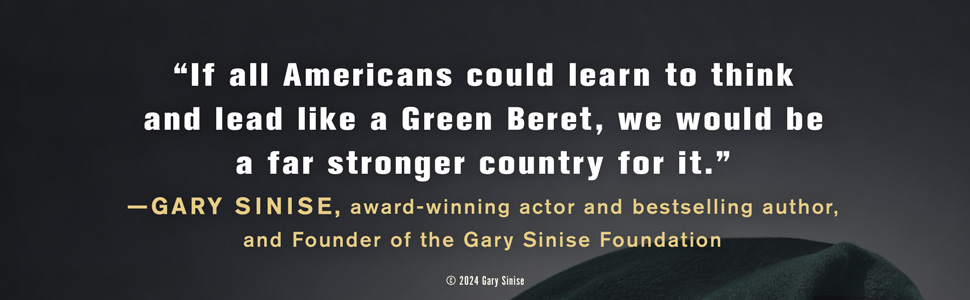
In EHS, we’re often thrust into situations that demand decisive action, resilience, and an unwavering commitment to protect our people. Congressman Mike Waltz, a Green Beret and now a Congressman, draws from his time in war-torn regions to outline essential leadership traits in his book Hard Truths. Reading it, I was struck by how his lessons from the battlefield resonate with our own EHS battles. (Mike has been nominated this week as NATIONAL SECURITY ADVISOR to President Elect Donald Trump).

Safety incidents, unexpected challenges, and invisible hazards lie in wait, regardless of how meticulous our planning is. Just as soldiers navigate threats on the battlefield, EHS professionals confront potential crises daily, requiring strong leadership traits to forge a proactive safety culture. Here’s how Waltz’s 12 leadership qualities translate into the EHS landscape.
1. Restraint
In EHS, restraint is about careful judgment. When investigating incidents, a disciplined approach helps avoid jumping to conclusions, ensuring a thorough and unbiased analysis. Restraint helps us take corrective actions that address root causes rather than rushing into quick fixes.
2. Discipline
Discipline in EHS is the backbone of safety protocols. Rigorous adherence to safety standards, regular training, and meticulous record-keeping are essential. Discipline ensures that safety practices are sustained over time, even when things seem routine or tedious.
3. Bottom-Up Leadership
EHS thrives on input from the ground up. Encouraging employees to speak up about potential hazards and participate in safety discussions empowers them to be part of the solution. A bottom-up approach not only surfaces hidden risks but also fosters a sense of ownership across the team.
4. Adaptability
No two incidents are identical, and no safety plan can cover every scenario. Adaptability is crucial, whether it’s dealing with new regulations, unexpected equipment issues, or changing workplace dynamics. A flexible mindset allows EHS professionals to adjust and find solutions in real time.
5. Loyalty
Loyalty in EHS is commitment to your team’s safety and well-being. It’s standing by them, providing the necessary tools, training, and resources, and demonstrating that their safety is always a priority. When employees know you’re loyal to their welfare, they’re more likely to engage fully in safety initiatives.
6. Resilience
Setbacks are inevitable in EHS. Resilience is the ability to learn, adapt, and push forward after an incident or a near-miss. It’s the quality that keeps us motivated to improve systems, refine processes, and constantly evolve our approach to safety.
7. Determination
Determination fuels the relentless pursuit of zero incidents. It’s the driving force behind continuous safety improvements, even when challenges seem insurmountable. Determined EHS leaders inspire their teams to push towards ambitious safety goals, never settling for the status quo.
8. Boldness
Boldness is essential in advocating for safety, even when it’s unpopular. Speaking up about safety concerns, pushing for necessary resources, and challenging unsafe practices require courage. Bold EHS leaders are willing to make tough decisions, prioritising safety over convenience.
9. Servant Leadership
EHS is fundamentally about service to others. Servant leadership involves putting the team’s needs first, ensuring they have a safe environment to work in. It’s about listening to their concerns, addressing their fears, and building a culture where every individual feels valued and protected.
10. Truth to Power
Safety issues often stem from uncomfortable truths—overlooked risks, budget constraints, or resistance to change. An effective EHS leader speaks truth to power, addressing issues head-on, even if it means challenging higher-ups. Transparency in reporting and a commitment to integrity can prevent future incidents.
11. Persistence
Safety culture isn’t built overnight. Persistence is the key to gradually changing mindsets, reinforcing safety protocols, and embedding safety as a core value. EHS leaders must be patient yet persistent, understanding that real change happens incrementally.
12. Vigilance
The EHS landscape demands constant vigilance. Hazards evolve, new risks emerge, and the unexpected can strike at any moment. Vigilance means staying alert, continually assessing the environment, and never becoming complacent, even in seemingly safe conditions.
Leading with Purpose in EHS
Mike Waltz’s qualities remind us that effective leadership in EHS isn’t just about managing risks—it’s about cultivating a mindset that anticipates, adapts, and constantly pushes for improvement. Like soldiers on a battlefield, EHS leaders must stay prepared, lead with integrity, and inspire their teams to prioritise safety.
EHS may not be a conventional battleground, but with accidents, unknown issues, and ever-present hazards, it’s a field that demands grit, resilience, and unwavering dedication. By embracing these leadership qualities, we can lead our teams through challenges, build a culture of proactive safety, and protect what truly matters—the lives of our people.
Karthik
14th November 2024 11am.

 Health, Environment, Safety, Sustainability (HESS)