

#233
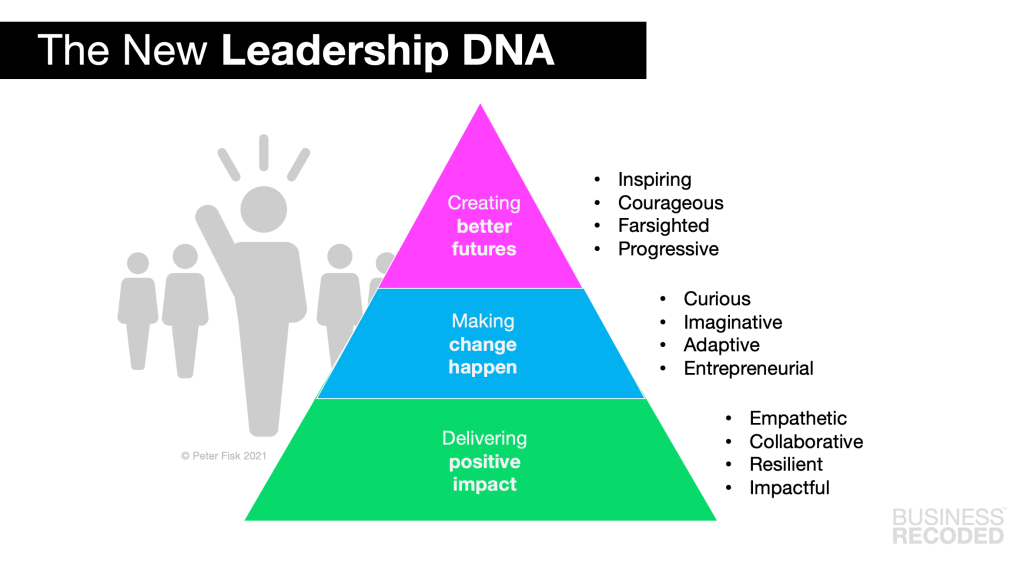
As professionals climb the corporate ladder, the transition from managerial roles to leadership positions presents unique challenges, especially in the realms of safety, quality, and productivity. What worked well in lower hierarchical roles often fails to deliver the same results at higher levels. Leaders may feel the weight of expectations intensify, wondering why incidents, delays, or lapses are increasing under their watch. The root cause often lies in a shift in dynamics that requires a recalibration of traits and strategies embedded in their leadership DNA.
Here are the key traits leaders must cultivate to retain their effectiveness and ensure their teams thrive:
1. Indirect Control Through Influence
At the managerial level, direct control over tasks and outcomes is common. However, as one ascends the hierarchy, the sphere of control shifts. Leaders can no longer micromanage every detail; instead, they must rely on coordination, delegation, and motivation.
- Coordination: Aligning cross-functional teams to work towards shared goals.
- Delegation: Trusting capable team members with responsibilities to deliver outcomes.
- Motivation: Creating an environment where employees feel valued and driven.
The ability to influence and guide without directly intervening becomes critical.
2. Enhanced Emotional Quotient (EQ)
Leadership at higher levels demands heightened emotional intelligence, far beyond what is typically required in managerial roles. This involves:
- Self-awareness: Understanding personal triggers and biases that may affect decision-making.
- Situational awareness: Reading and interpreting subtle cues from the environment and team dynamics.
- Connecting the dots: Making informed decisions by synthesising inputs from various sources.
The ability to empathise, adapt, and navigate complex interpersonal dynamics is essential for sustained leadership success.
3. Clear and Consistent Messaging
Leaders must embrace the reality that their personal beliefs, preferences, or biases cannot overshadow organisational priorities. To create alignment and clarity, they should:
- Establish rules, protocols, and policies that leave no room for ambiguity.
- Foster standardised work practices to minimise variability.
- Communicate messages in a way that inspires trust and ensures compliance across all levels of the organisation.
Consistency in messaging signals integrity and builds a strong organisational culture.
4. Dialogue and Engagement for Influence
At higher levels, success hinges on the ability to influence a broader array of stakeholders, both within and outside the organisation. Leaders should prioritise:
- Active dialogue: Maintaining open channels of communication to understand and address team concerns.
- Proactive engagement: Building relationships that foster mutual respect and buy-in.
Influence becomes less about authority and more about collaboration and persuasion.
5. Visible Leadership
Leaders must resist the temptation to retreat into boardrooms and offices. Being visible on the shop floor or at worksites demonstrates commitment, builds rapport, and provides firsthand insights into operations.
- Gemba walks (visiting the place where work happens) help leaders connect with their workforce.
- Engaging directly with employees fosters trust and creates a feedback loop for continuous improvement.
Visibility bridges the gap between leadership intent and operational reality.
Conclusion: Sustaining the Magic
Leaders who integrate these traits into their DNA ensure that their impact remains powerful as they grow in their roles. They avoid the pitfalls of losing control, alienating their teams, or facing dips in performance metrics. Leadership is not merely about strategy—it is about consistently reinforcing safety, quality, and productivity through influence, emotional intelligence, clear communication, engagement, and visibility.
When leaders embrace these principles, they not only retain the “magic” that drove their earlier successes but also establish a lasting legacy of excellence.

 Health, Environment, Safety, Sustainability (HESS)