

#237
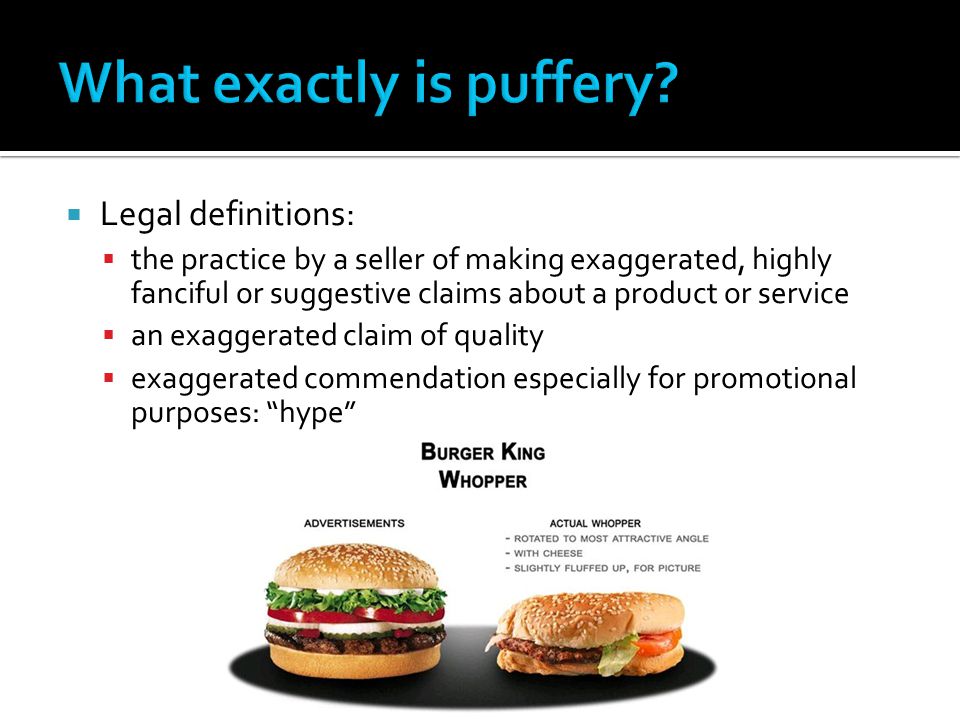
The EHS (Environment, Health, and Safety) domain finds itself at a crossroads where substance is increasingly being overshadowed by perception. As we mark the 40th anniversary of the Bhopal gas tragedy, it is disheartening to see that lessons from one of the world’s worst industrial disasters remain unheeded. The tragedy, driven by lax safety measures, poor planning, and systemic neglect, underscores a stark truth: slogans, propaganda, and puffery are winning the battle against genuine EHS performance.

Why Performance Takes a Backseat
1. Performance Requires Real Effort
Delivering tangible EHS outcomes is gruelling. It demands:
- Long-term commitment: Safety isn’t a one-time initiative but an ongoing process of audits, training, and upgrades. Also it need to be seen as an investment rather than expense.
- Meticulous planning and monitoring: Identifying risks, mitigating them, and course-correcting when needed is exhaustive work. It requires Competence, Committment and Clarity.
- Investment in people and systems: Effective EHS demands a skilled workforce, technology, and adequate funding—all of which are often seen as cost centres rather than enablers.
In contrast, slogans and puffery are cheap, instant, and rewarding. Flashy campaigns, impressive-sounding buzzwords, and quick wins create an illusion of progress that appeals to top management, regulators, and external stakeholders alike.

2. The Age of Perception Management
The modern workplace prioritises optics over outcomes. In a world dominated by ESG (Environmental, Social, and Governance) metrics, DEI (Diversity, Equity, and Inclusion) initiatives, and woke culture, the real work often takes a backseat. These priorities, while valuable in principle, frequently overshadow operational fundamentals like safety.
Why is this happening?
- Short Attention Spans: Leaders often judge effectiveness by how well it is marketed rather than measured. A catchy slogan or a visually appealing campaign often garners more appreciation than a detailed safety audit report.
- The Social Media Effect: Organisations focus on creating a “green” or “safe” image that can be shared online, even if the reality on the ground tells a different story.
3. The Career Dilemma of EHS Professionals
The average tenure of an EHS professional in a single organisation is rarely more than 5 years. This transience fosters a culture where issues are masked rather than resolved. Professionals:
- Resort to jargon, complex metrics, and perception games to survive corporate scrutiny.
- Focus on short-term wins to secure their career progression, leaving systemic problems for their successors.
- Avoid rocking the boat, especially in organisations where safety is perceived as a compliance checklist rather than a value-driven goal.
4. The “Easier Path” Trap
Puffery and propaganda offer an easy way out:
- Easy to replicate: A slogan can be created in a brainstorming session; a culture of safety requires years of effort.
- Low accountability: It’s easier to claim success through perception metrics than prove it through performance.
A Broader Malaise Across Domains
This isn’t just an EHS problem. Similar issues plague other domains like production, quality, and even finance. Glossy presentations, jargon-heavy reports, and KPI manipulation have become the norm, leaving the real work buried under layers of deception.
Solutions: Bridging the Gap Between Perception and Performance
- Shift the Focus to Measurable Outcomes
Regulators and organisations need to prioritise metrics that reflect real safety performance rather than perception. For example:
- Frequency and severity of incidents, near-misses, and safety audits.
- Long-term trends in workplace hazards and their mitigation.
- Employee engagement in safety training programs.
- Foster Accountability Across the Organisation
- Make safety culture a shared responsibility rather than the sole burden of EHS professionals.
- Introduce whistle-blower protections to encourage employees to report issues without fear of retaliation.
- Ensure that leadership walks the talk by dedicating time, budget, and attention to EHS initiatives.
- Invest in Competence Over Optics
EHS should be about building capabilities, not marketing campaigns. This includes:
- Regular training for employees and management.
- Investing in safety technology and infrastructure.
- Creating systems that reward performance over puffery.
- Create a Feedback Loop
Encourage open and honest feedback from all stakeholders, including employees, regulators, and even third-party auditors. This helps expose the gap between perception and reality.
- Learn from Global Best Practices
As seen post-Bhopal, the US implemented stringent regulations like the Clean Air Act Amendments, OSHA Process Safety Management standards, and EPA’s Risk Management Plan rule. Similar regulations with teeth are desperately needed globally, particularly in India, where enforcement often lags.
Conclusion: Lessons from Bhopal
The Bhopal gas tragedy should have been a turning point, yet 40 years on, the same issues persist in India and emerging world. Slogans may win admiration, but they cannot save lives. It is time for industries, regulators, and professionals to prioritise real performance over hollow propaganda. Only then can we ensure that EHS is not a mere checkbox but a cornerstone of sustainable and ethical business practices.
Comments???
Karthik
5th Dec 2024
1030am.

 Health, Environment, Safety, Sustainability (HESS)