

#238

Risk Assessment: The Most Misunderstood Tool in Operations
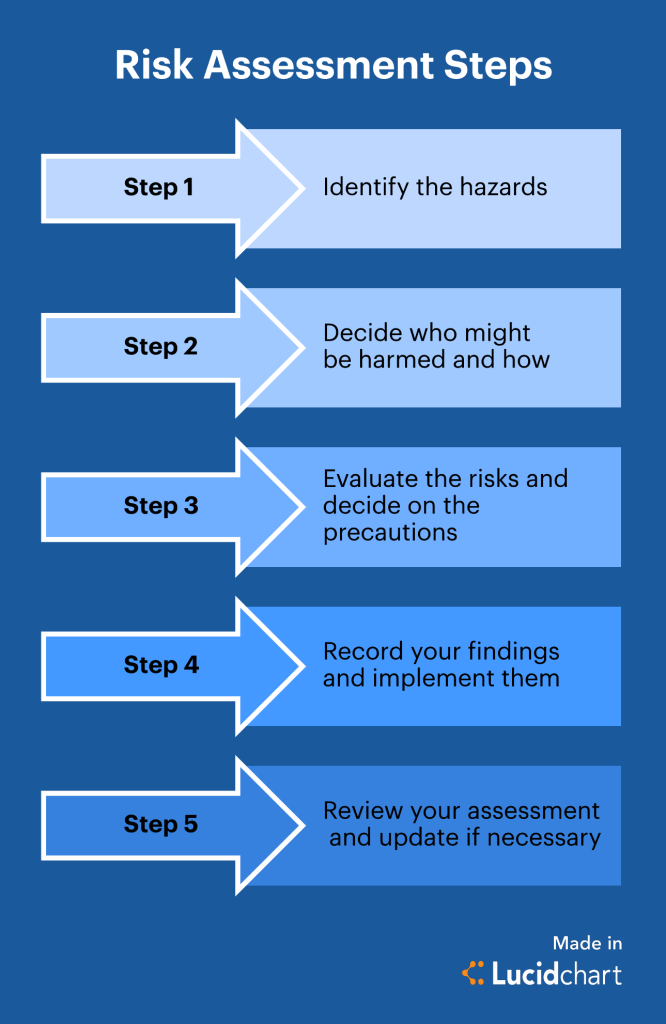
Risk assessment is a cornerstone of workplace safety, yet its implementation is riddled with misconceptions and errors. Having practised risk assessment since 1992 with tools like Zurich Hazard Analysis, much before OHSAS 18000 introduced it in 1998, I’ve observed firsthand how its purpose is often defeated. Let’s delve into some critical aspects of risk assessment and address why it remains misunderstood.
1. Risk Assessment is a Team Exercise
Effective risk assessment requires a multifunctional team comprising individuals with diverse expertise—operations, maintenance, safety, and quality, among others. Unfortunately, in the rush to check boxes, individuals often conduct these assessments solo, missing critical hazards and their implications. Collaboration isn’t just a best practice; it’s essential.
2. Cover All Scenarios: Normal, Abnormal, and Emergency
Risk assessments often focus solely on normal operations. However, abnormal and emergency scenarios—such as maintenance activities, equipment failures, or natural disasters—are equally critical. Ignoring these scenarios can result in severe gaps in hazard identification and mitigation. Also contemplate, planned /unplanned events too.
3. Hazards Must Be Assessed Individually
Combining unrelated hazards, such as fall hazards and fire hazards, into a single risk rating is meaningless and counterproductive. Each hazard must be identified and assessed independently to determine its unique risk factors and mitigation strategies.
4. Severity is Fixed; Probability is Dynamic
The severity of a hazard cannot change unless the hazard itself is eliminated, which is often impractical. This means risk reduction is largely achieved by managing probability through better controls. For instance, implementing safety interlocks or procedural safeguards can significantly lower the likelihood of an incident, even if the potential severity remains high.
5. Define Acceptable Risk Levels
Many organisations fail to define the acceptable level of risk before executing corrective actions. Risk assessment should strike a balance between safety and economics—it’s not about gold-plating safety measures. Deciding thresholds for acceptable risk ensures pragmatic and sustainable safety management.
6. Risk Assessment Guides Procedures and Checklists
A risk assessment is not an end in itself. It serves as the foundation for creating procedures to mitigate risks, which in turn inform checklists for day-to-day operations. The sequence is crucial: Risk → Procedure → Checklist. Skipping steps or reversing the process undermines its effectiveness.
7. High Risks Require Capital Investments
High-risk scenarios, such as those involving severe hazards with high probabilities, cannot be mitigated through procedures or PPE alone. They often necessitate capital investment for engineering controls or equipment upgrades. The scale of the hazard dictates the scale of the response.
8. Periodic Reviews and Updates
Risk assessments are not static documents. They need to be reviewed periodically—at least once every three years, or sooner if there’s a change in operations, a new protocol, or an incident. Stale assessments fail to account for evolving risks and controls.

9. Follow the Hierarchy of Controls
When implementing risk mitigation, the hierarchy of controls must be adhered to, starting with elimination, substitution, and engineering controls. PPE should never be the first line of defence—it’s a last resort, not a primary solution.
10. Area Owners as Risk Controllers
Risk assessments should not be fragmented across departments or functions. The area owner—the person responsible for a specific location—must control and consolidate all risk-related data. This ensures accountability and prevents critical gaps in oversight.
Examples to Illustrate Best Practices
- Chemical Storage Area:
- Hazards identified: Chemical spills, fire, and inhalation risks.
- Mitigation: Engineering controls (e.g., spill containment systems), procedural safeguards (e.g., restricted access during transfers), and PPE (respirators as a last resort).
- Review: Annually or after incidents, such as a near-miss during chemical unloading.
- Height Work in Construction:
- Hazards identified: Falls, tool drops, and scaffolding collapse.
- Mitigation: Engineering controls (e.g., guardrails), administrative controls (e.g., training and permit systems), and PPE (e.g., fall arrest systems).
- Review: Before each project phase or after a significant safety observation.
Closing Thoughts
Risk assessment is more than a compliance activity—it’s a foundational tool for creating safe workplaces. When misunderstood or poorly executed, it fails to protect employees and the organisation. By embracing team collaboration, focusing on individual hazards, adhering to the hierarchy of controls, and maintaining accountability, organisations can transform risk assessment into a powerful enabler of safety and efficiency.
Comments??
Karthik
7th Dec 2024 11am.

 Health, Environment, Safety, Sustainability (HESS)