

#239

Mental Health: The Silent Crisis in Workplaces and Beyond
This morning, Lalitha went to NIMHANS, Bangalore’s premier mental health institution, accompanying a friend from outstation, seeking urgent psychological intervention. What she saw there was shocking: hundreds of people from all walks of life—rich, middle-class, and poor—desperately waiting for a chance to consult with a specalist doctor. The crowd spanned all age groups, from children as young as six to adults well into their forties and fifties.
And yet, the system stood woefully inadequate to meet the need. Appointments were unavailable for weeks. Families, often travelling from other cities, had no choice but to return home and wait for a day when they might get help. Her friend managed to get few preliminary discussions done; they may need to come again after few weeks for a final consultation with specialist. Such is the demand /supply gap.
This is not an isolated incident but a reflection of a larger crisis brewing in our society—mental health is crumbling under neglect, stigma, and systemic inadequacies.
If this is the reality in Bangalore, a city with relatively decent mental health awareness, what can we expect in smaller towns and rural areas? In India’s B- and C-grade cities, the lack of resources and awareness makes the problem even more daunting.
Mental Health at Work: An Overlooked Aspect of EHS
As an EHS professional, I’ve seen organisations focus heavily on physical safety, compliance, and environmental goals. But mental health is often relegated to a lesser priority, as though it doesn’t impact workplace safety or productivity. I was fortunate to work on some mental health issues by working on policy, guidelines, & protocols, for our European sites where it was priority even 15 years back. (USA Never cared then, India/ Asia didnt acknowledge them as issues back then as is now!).
The reality is far from this assumption. Mental health issues are a silent crisis impacting young professionals today. Stressed, anxious, and emotionally burnt out individuals cannot perform their duties safely or effectively, posing risks not only to themselves but also to their colleagues and the organisation at large.
Why Mental Health Needs to Be Prioritised in EHS
- Safety Impact: Mental health issues increase the risk of accidents. A stressed or distracted worker may overlook safety protocols, leading to life-threatening incidents. It can lead to workplace violence.
- Productivity Impact: Depression, anxiety, and burnout contribute to absenteeism, presenteeism, and reduced output.
- Retention Challenges: Employees with unresolved mental health issues often leave organisations, leading to high attrition rates.
- Cultural Decline: A workplace that ignores mental health fosters resentment, fear, and disengagement, affecting overall morale.
Understanding Mental Health Issues in Youngsters
Mental health challenges among young professionals are on the rise, driven by a mix of societal, personal, and workplace pressures.
Common Types of Mental Health Issues
- Anxiety Disorders: Chronic stress about job security, performance, or peer comparison leads to anxiety, which manifests as restlessness, fatigue, and concentration issues.
- Depression: Feelings of sadness, hopelessness, and a lack of motivation—often linked to unfulfilling jobs or strained personal lives—are prevalent.
- Burnout Syndrome: Overwork, unrealistic deadlines, and a lack of work-life balance contribute to physical and emotional exhaustion.
- Substance Abuse: Some young professionals turn to alcohol or drugs to cope, which worsens their mental health.
- Loneliness and Isolation: Despite being surrounded by technology, many feel disconnected due to a lack of meaningful relationships or support systems.
- Sleep Disorders: Stress and anxiety lead to insomnia, which further exacerbates other mental health challenges.

Why These Issues Are Increasing
- Social Media Pressure: Unrealistic comparisons to peers and influencers create feelings of inadequacy.
- Economic Pressures: High cost of living, debt, and job insecurity weigh heavily on youngsters.
- Unrealistic Expectations: Society’s emphasis on ‘hustle culture’ leaves little room for rest or failure.
- Lack of Resilience: Many young people have grown up sheltered, leaving them unprepared to face life’s inevitable challenges.
A Systems Failure and a Shameful inadequacy:-
The overwhelming crowd at NIMHANS highlights a grim reality: India lacks the infrastructure and professionals to handle this mental health crisis.
- Shortage of Specialists: India has just 10,000 psychiatrists and even fewer psychologists for a population of over 1.4 billion.
- Lack of Awareness: Stigma prevents many from seeking help. Families often fail to recognise the signs or dismiss them as ‘mood swings.’
- Overburdened Facilities: Even premier institutions like NIMHANS are unable to meet the demand, leaving many to fend for themselves.
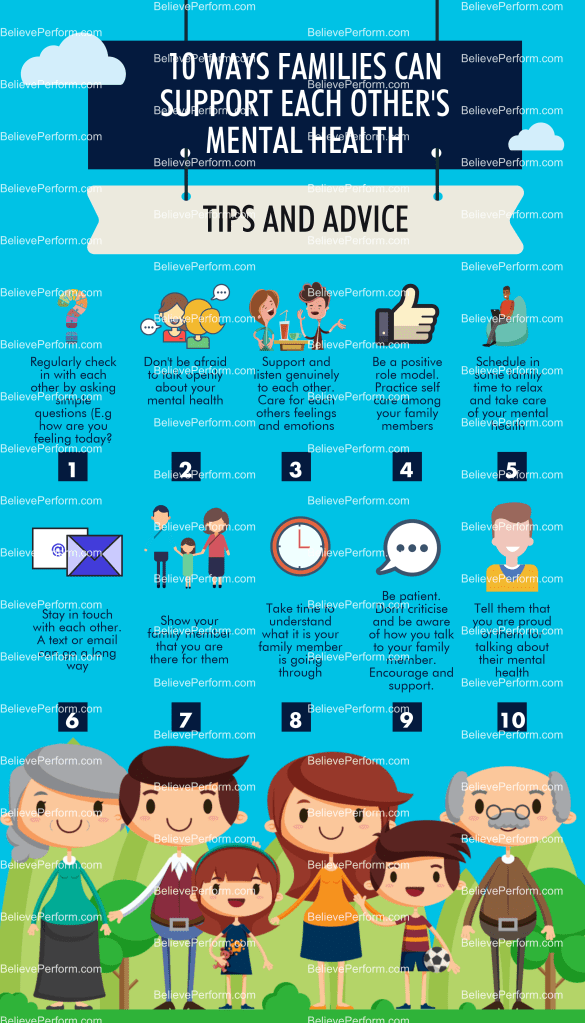
What Families Can Do for the Affected Person
Families play a crucial role in the recovery and wellbeing of someone facing mental health challenges. Start by fostering an environment of unconditional love and support where the person feels safe to express their feelings without fear of judgment. Educate yourself about their condition to better understand their needs and struggles. Encourage professional help, such as therapy or counselling, and offer to accompany them to appointments if needed. Be patient—recovery takes time, and there may be setbacks along the way. Avoid minimising their feelings or offering unsolicited advice; instead, focus on listening actively and validating their emotions. Maintain open communication and gently check in on their progress. Practical support, like helping with daily tasks or managing medication, can also ease their burden. Most importantly, prioritise building trust and avoid pressuring them to ‘snap out of it.’ Mental health recovery is a journey best travelled with compassionate, consistent family support.
What EHS Professionals and Organisations Can Do
- Incorporate Mental Health into EHS Programs: Treat mental health as a critical component of safety and wellness.
- Offer Training: Train managers to recognise signs of stress and anxiety in their teams. Managers need to be open and receptive to listen to mental health issues/ as are parents at home.
- Provide Resources: Ensure employees have access to counsellors, helplines, and Employee Assistance Programs (EAPs).
- Foster a Supportive Culture: Create an environment where employees feel safe discussing mental health without fear of judgment or repercussions.
- Encourage Work-Life Balance: Discourage overworking and promote flexible schedules to reduce burnout.
- Educate: Organise mental health awareness sessions to break the stigma and encourage early intervention.

A Call to Action
The crisis is too big for any single stakeholder to solve. Governments, organisations, families, and communities must come together to prioritise mental health.
- Governments: Increase funding for mental health infrastructure, train professionals, and enforce workplace mental health regulations.
- Workplaces: Accept that mental health is a business risk and act accordingly.
- Families and Communities: Foster supportive environments where seeking help is normalised.
Will the Looters Care?
But here lies the bitter irony. Can we trust those who plunder and exploit—at local, state, and national levels—to prioritise the mental health of the people they claim to serve? These authorities, often mired in corruption and mismanagement, seem oblivious to the ticking time bomb beneath their feet.
The truth is, mental health is no longer a private issue. It is a public emergency. The consequences of inaction will ripple through generations—broken families, a disengaged workforce, and a society incapable of compassion. If even now, the plunderers and policymakers do not act, history will remember them as architects of our collective downfall.
Parting Shot: Ignorance Is No Longer an Excuse
Mental health issues are real. They’re here. Ignoring them will lead to consequences that ripple through generations—affecting individuals, families, workplaces, and society at large.
As EHS professionals, we have a responsibility to address this. Let this blog be a wake-up call. If we do not act now, the human, social, and economic costs will be immeasurable.
Mental health isn’t just a personal issue. It’s a collective one. Let’s treat it that way.
Comments?
Karthik.
9th Dec 2024 1230am.

 Health, Environment, Safety, Sustainability (HESS)