

#240

In the intricate world of business dynamics, organisations often face transformative events such as mergers, acquisitions, divestitures, or demergers. While these moves may promise growth, synergy, or market competitiveness, they come with inherent risks that extend far beyond financial metrics. Among the most vulnerable pillars during such transitions is the Environmental, Health, and Safety (EHS) culture. For high-hazard industries dealing with chemicals, hazardous material transport, or significant environmental impacts, the derailment of EHS priorities can have catastrophic consequences.
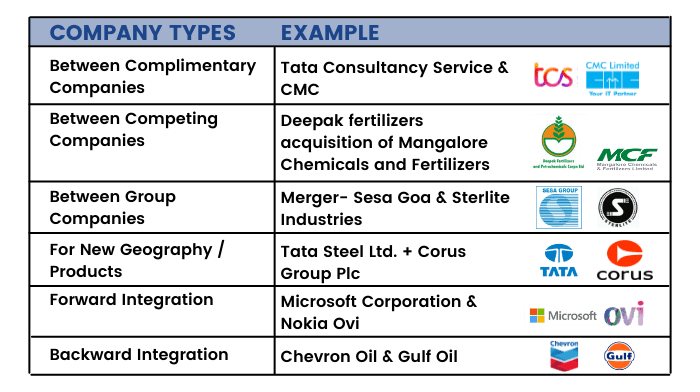
The EHS Impact of Business Transitions
- Mergers and Acquisitions (M&A):
When two organisations with differing EHS cultures merge, the lack of alignment on safety protocols, regulatory commitments, and operational standards can create gaps. Acquisitions often bring cultural clashes, where the acquiring company’s focus on financial goals may overshadow safety priorities. - Divestitures:
The divesting company may deprioritise EHS as the asset is prepared for sale, leading to deferred maintenance, compliance lapses, or reduced safety oversight. The buyer, meanwhile, may underestimate the safety challenges tied to the asset. - Demergers:
These transitions often lead to resource dilution, unclear responsibilities, and loss of institutional knowledge. As former colleagues become competitors, collaboration is replaced by self-preservation, further compromising EHS focus.
The EHS Culture: Fragile During Business Transitions
EHS culture thrives on consistency, commitment, and alignment. However, these qualities are severely tested during organisational upheavals. The focus on integration or separation often sidelines EHS priorities, especially when leadership fails to appreciate or commit to its strategic importance. Misalignments, cultural clashes, and resource reallocations can weaken the robust frameworks that EHS systems demand.
Key challenges during such transitions include:
- Misalignment of Priorities: When organisations merge, their EHS systems may operate on fundamentally different principles, creating gaps in compliance and practice.
- Lack of Leadership Commitment: New management teams may deprioritise EHS, viewing it as a compliance checkbox rather than a strategic necessity.
- Disrupted Communication: EHS teams rely on clear communication channels. Transitions can fracture these, leading to oversight of critical safety protocols.
- Loss of Institutional Knowledge: Departures of key EHS personnel during divestitures or demergers drain organisational expertise.
- Regulatory and Community Backlash: Poorly managed transitions may result in increased scrutiny from regulators and communities, further stressing operations.
Case Studies: Successes and Failures
Success Story: The Dow-DuPont Merger
In 2017, Dow Chemical and DuPont merged, creating one of the largest chemical conglomerates in the world. Recognising the potential EHS derailers, the companies:
- Invested in Integration Planning: Both organisations conducted exhaustive reviews of their EHS systems, ensuring alignment with shared goals.
- Appointed EHS Champions: A joint task force was created to oversee safety performance during the transition.
- Focused on Communication: Regular updates and cross-training ensured employees were aware of new EHS standards and expectations.
The result was a relatively smooth transition, with minimal safety incidents during the integration period. The companies’ commitment to EHS was further evident when they later separated into Dow, DuPont, and Corteva, retaining strong safety systems within each entity.
Failure Story: BP’s Acquisition of Amoco
BP’s acquisition of Amoco in the late 1990s exemplifies how mismanagement of EHS during business transitions can lead to disaster. While the merger promised synergy, several factors led to EHS derailment:
- Cultural Clashes: BP’s cost-cutting culture conflicted with Amoco’s safety-first approach.
- Leadership Neglect: EHS was not prioritised at the executive level during integration.
- Communication Gaps: Safety protocols were inconsistent, leading to confusion and non-compliance.
These issues culminated in several high-profile safety incidents, including the Texas City refinery explosion in 2005, which killed 15 workers and injured 180. Investigations revealed that BP’s post-merger safety culture had significantly eroded.

Broader Lessons: GE and its Demerger
General Electric’s decision to break up into three companies offers insights into managing EHS during demergers. GE’s proactive steps included:
- Stakeholder Engagement: Communicating with employees, regulators, and communities to build trust.
- Independent Audits: Ensuring each new entity had robust EHS systems tailored to its operational needs.
- Retention of Talent: Efforts to retain key EHS personnel ensured continuity.
While the final outcomes are still unfolding, GE’s approach demonstrates the importance of methodical planning and relationship-building during demergers.
Failure: Bhopal Disaster Precursor
Before the catastrophic 1984 Bhopal gas tragedy, Union Carbide India Limited (UCIL) faced financial and operational challenges partly linked to divestiture pressures. The plant suffered from:
- Deferred Maintenance: A cost-cutting measure that led to safety system failures.
- Staffing Reductions: Critical safety oversight roles were reduced.
- Knowledge Transfer Gaps: Senior managers were replaced without adequate knowledge sharing or continuity planning.
The disaster underscored how organisational decisions, even years before an incident, can have deadly consequences.
Other Industry Examples:
- Failure: Boeing-McDonnell Douglas Merger
The cultural misalignment after the 1997 merger led to prioritisation of costs over quality, culminating in the 737 MAX crashes. Although this was not an EHS-specific issue, it highlighted the dangers of sidelining critical pillars like safety and quality during organisational transitions. - Success: Hindustan Unilever-GlaxoSmithKline Merger
Hindustan Unilever successfully integrated GlaxoSmithKline’s consumer healthcare division in 2020 by respecting the acquired company’s cultural practices, including safety standards. Transparent planning and consistent communication played key roles.
Key Takeaways for Organisations
- EHS Needs a Seat at the Table: EHS leaders must be involved in every stage of business transitions, from due diligence to execution.
- Cultural Integration is Critical: Aligning EHS values and practices across organisations prevents fractures that could lead to catastrophic failures.
- Communication is Non-Negotiable: Transparent and frequent communication ensures all stakeholders understand and adhere to EHS expectations.
- Leadership Matters: A strong, visible commitment to EHS from top management sets the tone for the organisation.
- Plan for the Long Term: Business transitions should account for the long-term sustainability of EHS systems, not just short-term compliance.
Personal Reflections
Having participated in acquisitions and demergers, I can attest to the energy-sapping nature of these processes. Building relationships, fostering trust, and maintaining open communication are indispensable but challenging tasks. Demergers, in particular, test one’s ability to navigate sensitive dynamics, as former colleagues may now act as competitors. Ensuring mutual respect and understanding of shared interests is crucial.
The stakes are even higher in high-hazard industries. Missteps can result in environmental damage, regulatory penalties, and loss of life. These transitions demand personal commitment, strategic foresight, and a relentless focus on safety.
Parting Thoughts…….
Business transitions are inevitable in today’s competitive landscape. However, they should not come at the expense of EHS or other critical pillars like quality and productivity. By learning from past successes and failures, organisations can better navigate these changes, ensuring that safety remains a non-negotiable priority.
What are your comments/ Thoughts?
Karthik
11/12/2024.

 Health, Environment, Safety, Sustainability (HESS)