

#242
Personal Update: Good to be back. 35 days flew in flash with Children, who are now back to their routine in San Francisco. I am also beginning my business travel next week after 5 months. Looking forward to it.
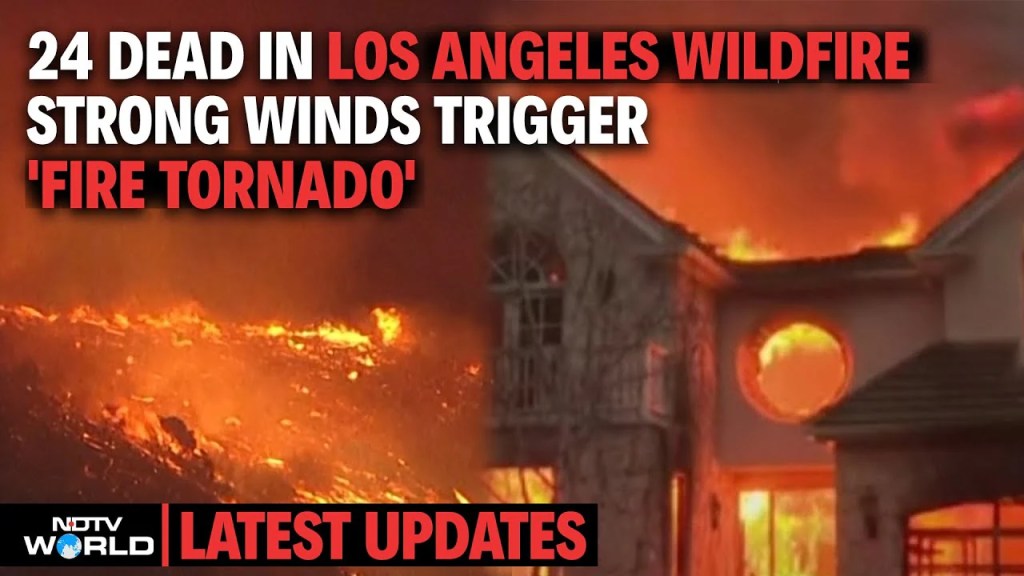
The recent devastating fire in one of Los Angeles’ posh neighbourhoods offers critical lessons for the Environmental, Health, and Safety (EHS) community. As details of the incident emerge, it is clear that this tragedy could have been significantly mitigated, if not entirely avoided, with better planning, preparedness, and leadership. This blog delves into the root causes of the disaster, including poor planning, complacency, budget cuts, and misplaced priorities like Diversity, Equity, and Inclusion (DEI) initiatives that overshadowed essential safety efforts. Most importantly, it highlights the dangers of ignoring early warnings and offers actionable insights for EHS professionals.
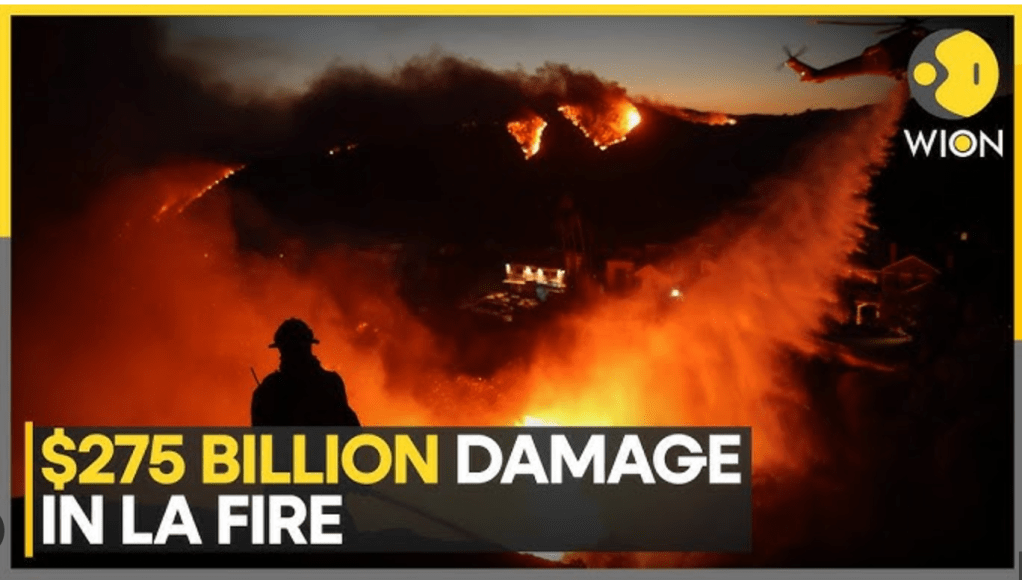
The Incident: An Overview
Los Angeles, renowned for its affluent neighbourhoods, witnessed a catastrophic fire that engulfed homes, (15,000 Homes) displaced families, and resulted in significant economic and environmental damage. The fire originated in an area known for its susceptibility to wildfires, exacerbated by extreme weather conditions and years of insufficient fire mitigation efforts. Despite the wealth and resources of the region, the response was plagued by inefficiencies, revealing deep-seated flaws in the system.
Root Causes of the Disaster
1. Poor Planning
Urban planning in wildfire-prone areas requires meticulous risk assessments and stringent enforcement of safety standards. However, in this case, there was:
- Insufficient Firebreaks: The absence of well-maintained firebreaks allowed the fire to spread uncontrollably.
- Overdevelopment: Residential and commercial development encroached on high-risk areas, ignoring warnings from environmental experts.
- Inadequate Emergency Routes: Poorly planned roads hindered evacuation efforts and delayed emergency responders.
2. Complacency
Years of avoiding major incidents bred a false sense of security among residents and authorities. This complacency manifested in:
- Lack of Preparedness: Fire drills and community awareness programs were sporadic at best.
- Outdated Equipment: Emergency services operated with equipment that was inadequate for the scale of the disaster.
- Overconfidence: Assumptions that existing systems could handle any situation led to lax enforcement of fire codes.
3. Budget Cuts
Economic pressures and shifting priorities led to significant reductions in budgets allocated to fire prevention and emergency management:
- Staffing Shortages: Fire departments were understaffed, delaying response times.
- Maintenance Deferrals: Critical fire mitigation infrastructure, such as water reservoirs and hydrants, was poorly maintained.
- Training Gaps: Budget constraints limited training opportunities for first responders.
4. Misplaced Priorities
While DEI initiatives are vital for fostering inclusivity, they should not come at the expense of core safety functions. In this instance:
- Reallocation of Funds: Resources were diverted from safety programs to DEI efforts, leaving critical vulnerabilities unaddressed.
- Skill Mismatch: Hiring practices prioritised diversity over technical expertise in key safety roles.
5. Ignored Warnings
The fire was not an unforeseen event. Experts had repeatedly flagged the area’s susceptibility to wildfires:
- Environmental Reports: Studies highlighted the dangers posed by dry vegetation and high winds, but recommendations were largely ignored.
- Community Advocacy: Residents and local organisations raised concerns about fire risks, only to be met with inaction.
- Near-Miss Events: Previous smaller fires were not treated as wake-up calls, leading to a lack of urgency in addressing systemic issues.
6. Reservoir Mismanagement
Water reservoirs, a critical resource for firefighting, were rendered ineffective due to mismanagement:
- Empty Reservoirs: Several reservoirs were found empty when the fire struck, drastically reducing water availability for firefighting.
- Shunned Catchment Initiatives: Proposals to actively catch and store melting water in reservoirs for fire protection were dismissed in favour of preserving certain fish species, leaving the region vulnerable during emergencies.
Lessons for EHS Professionals
1. Prioritise Risk Assessment and Mitigation
Conduct comprehensive risk assessments to identify vulnerabilities and implement robust mitigation strategies. Focus on high-risk areas and ensure strict adherence to safety standards.
2. Foster a Culture of Preparedness
Complacency can be deadly. Regular drills, community education, and proactive enforcement of safety measures are essential to maintaining readiness.
3. Ensure Adequate Funding
Advocate for sustained investment in safety programs, infrastructure, and training. Highlight the long-term cost savings of prevention versus the immense costs of disaster recovery.
4. Balance Inclusivity with Expertise
DEI efforts should complement, not compromise, safety. Strive for diversity while maintaining the technical competence required for critical roles.
5. Heed Early Warnings
Take all warnings seriously, whether they come from experts, community members, or past events. Build mechanisms for continuous monitoring and rapid response to emerging risks.
6. Optimise Resource Management
Ensure water reservoirs and other critical infrastructure are well-maintained and prioritised for emergencies. Balance environmental conservation with the immediate needs of public safety.
LEADERSHIP FAILURES:-
Leadership failures refer to situations where leaders fail to effectively guide, inspire, or manage their teams or organisations, resulting in negative outcomes. In the context of the Los Angeles fire, leadership failures could include:
1. Lack of Strategic Vision
- Failure to anticipate and prepare for risks, such as wildfire threats in vulnerable areas.
- Inability to prioritise safety and long-term planning over short-term gains or political agendas.
2. Poor Decision-Making
- Ignoring expert advice and warnings regarding fire risks.
- Allocating resources to less critical areas, such as non-essential DEI programs, while neglecting core safety measures.
3. Ineffective Communication
- Failure to communicate risks clearly to residents and stakeholders.
- Inadequate coordination between emergency response teams, resulting in delays and confusion during the crisis.
4. Complacency and Overconfidence
- Assuming that past successes or lack of incidents meant systems were adequate.
- Ignoring near-miss events that could have been critical learning opportunities.
5. Resource Mismanagement
- Budget cuts that undermined fire prevention and response capabilities.
- Allowing reservoirs to run dry and failing to act on proposals for critical infrastructure improvements.
6. Inadequate Training and Empowerment
- Insufficient investment in training first responders and community members.
- Lack of empowerment for frontline teams to make critical decisions during emergencies.
7. Neglecting Accountability
- Failing to take responsibility for previous mistakes or gaps in preparedness.
- Not holding decision-makers accountable for neglecting safety priorities.
Leadership failures, in this case, highlight the importance of proactive and competent leadership in safeguarding lives and property. Strong leaders would prioritise safety, listen to expert advice, and ensure resources are optimally allocated to prevent such disasters.
Lessons:-
The Los Angeles fire serves as a stark reminder of what happens when safety takes a backseat. For EHS professionals, it underscores the importance of comprehensive planning, continuous vigilance, and unwavering commitment to safety. Let this tragedy inspire action and accountability in your own organisations to prevent similar outcomes in the future.
By learning from these failures, we can build safer, more resilient communities that prioritise the well-being of all.
Karthik
18th Jan 2025.
12Noon.

 Health, Environment, Safety, Sustainability (HESS)