

#247

Audits—be it in EHS, Quality, or Operations—are often viewed as a dreaded, necessary evil. But what if I told you that being a good auditee could transform this experience into a value-adding process for your organisation? My success as an EHS professional was built on being a strong auditee (1985-2000). I approached audits not with fear but with preparation, confidence, and strategic engagement. Here’s how you can do the same.
1. Preparation: The Key to Success
A successful audit doesn’t start on the day the auditor walks in. It begins months in advance with meticulous preparation.
- Understand the Requirements: Whether it’s an EHS standard, ISO guideline, or internal protocol, align yourself and your team to documented requirements. Know the expectations inside out.
- Systematic Documentation: If it’s not documented, it didn’t happen. Ensure all required records, logs, and reports are in place. Evidence is your strongest shield.
- Training and Alignment: Your team should be well-trained, aligned, and confident in answering auditor queries. A well-prepared team exudes credibility.
2. The Power of a Strong Opening Meeting
Set the tone for the audit by presenting what’s going well at your site. This primes auditors to recognise areas of excellence before they start looking for gaps.
- Presentation Matters: Showcase achievements, best practices, and continuous improvements. Highlight how your organisation is proactive.
- Steer the Narrative: When auditors see strengths early, they are more likely to view findings in a balanced manner, even offering constructive improvement ideas rather than just listing gaps.
3. The Right Approach to Findings: Challenge with Confidence
Many professionals treat auditors’ findings as gospel. This is a mistake. You are the domain expert, not the auditor. While respecting the process, questioning findings with logical reasoning is essential.
- Ask for Justification: Don’t accept recommendations blindly. Ask auditors for the basis of their findings—refer to specific clauses, standards, or risk-based reasoning.
- Push Back When Necessary: I recall an instance in 1992 when overseas auditors recommended drug testing for site employees. My team and I resisted tooth and nail, arguing based on local regulations and workforce dynamics. The finding was ultimately withdrawn—something unimaginable today given the prevalence of drug-related concerns.
- Avoid Unnecessary Burden: Too often, I see companies meekly accepting impractical, non-value-added actions just because ‘the auditor said so.’ This leads to wasted resources and unnecessary compliance overload.
4. Confidence, Competence, Courage: The Three Cs of a Strong Auditee
The missing ingredients in most audit interactions today are confidence, competence, and courage. A weak stance results in audits becoming punitive rather than productive.
- Confidence: Be sure of your processes, knowledge, and implementation.
- Competence: Deep subject knowledge and experience give you an edge. Own your domain.
- Courage: Speak up, challenge findings where necessary, and engage in meaningful discussions rather than passive acceptance.
5. Turning Audits into Value-Adding Exercises
A well-handled audit can bring real benefits to an organisation:
- Better Compliance & Risk Management: Effective audits help refine systems, not just expose gaps.
- Process Improvement: Engaging discussions with auditors can lead to valuable insights, not just corrective actions.
- Enhanced Reputation: Strong audit performance boosts credibility within the organisation and externally.
Do’s and Don’ts for the Auditee
Do’s
- Prepare thoroughly with documented evidence to demonstrate compliance.
- Engage proactively with auditors to guide the audit towards value addition.
- Showcase strengths early in the audit to set a positive tone.
- Ask auditors for the basis of their findings—request clause references and objective reasoning.
- Remain professional and assertive, demonstrating confidence in your operations.
- Take constructive feedback positively and seek clarity when needed.
- Ensure transparency and honesty throughout the audit process.
- Encourage open discussions and learning opportunities from the audit.
Don’ts
- Never engage in gaslighting or misleading auditors—it will backfire.
- Do not remain silent or passive; engage in the process confidently.
- Avoid blindly accepting findings without understanding their basis.
- Do not push for a ‘clean audit report’ by concealing issues—genuine improvement is key.
- Refrain from unnecessary confrontation, but challenge findings with logic and facts.
- Do not ignore follow-ups—address and track corrective actions for long-term improvement.
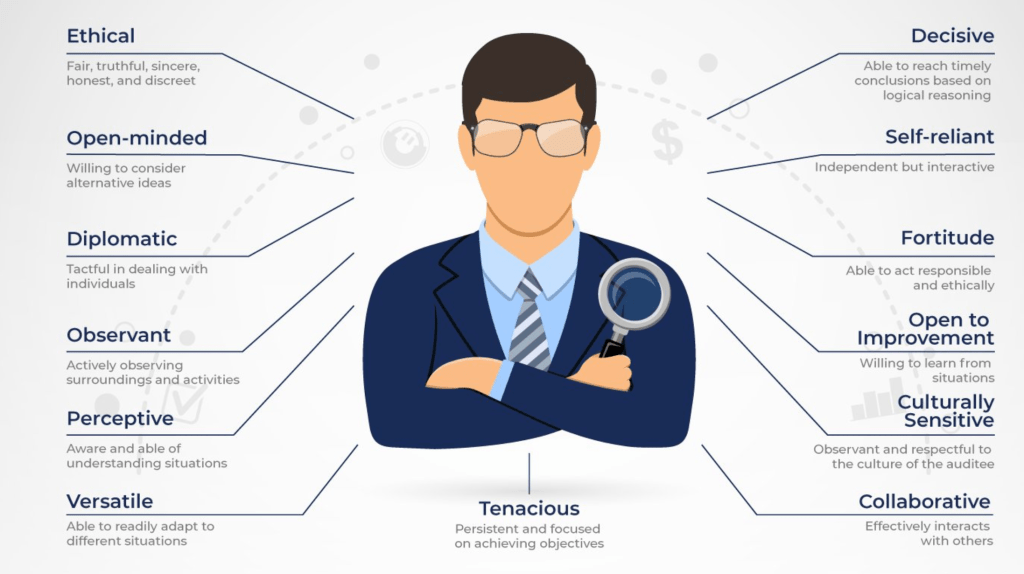
Bottomline: You Own the Audit, Not the Auditor
Auditors may be experts in compliance frameworks, but YOU are the expert in your operations. Take charge of audits with preparation, confidence, and strategic engagement. Audits should be a value-adding process, not an imposed burden. If you control the narrative, prove your competence, and challenge where required, you will walk out of every audit stronger—not overloaded with unnecessary actions.
Remember: The best auditees don’t just comply; they lead the conversation.
Karthik
14/2/25 12Noon.

 Health, Environment, Safety, Sustainability (HESS)