

#253
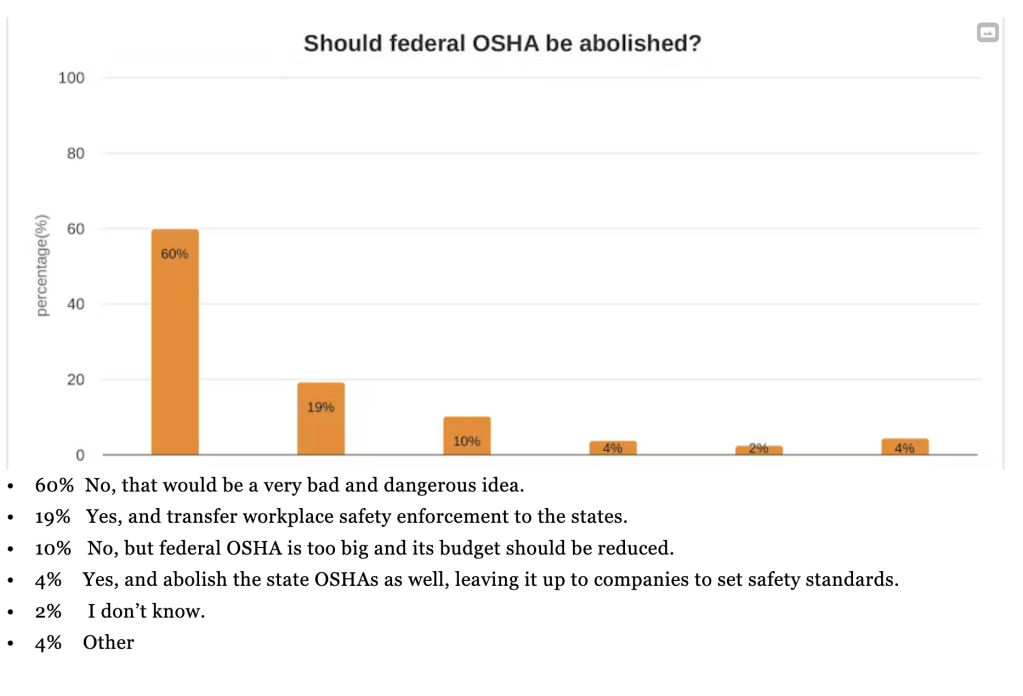
The world of environmental, health, and safety (EHS) regulation is at a crossroads. Agencies like the U.S. Environmental Protection Agency (EPA) and Occupational Safety and Health Administration (OSHA), alongside India’s Factory Inspectorate, Central Pollution Control Board (CPCB), and State Pollution Control Boards (SPCBs), have been guardians of safety and sustainability for nearly 60 years. Born in an era of smokestacks and assembly lines, these bodies now face a vastly different landscape—global supply chains, AI-driven manufacturing, and an unprecedented growth boom. Yet, their frameworks remain stuck in the past, policing industries rather than partnering with them. It’s time for a radical overhaul: an infusion of fresh talent, cutting-edge technology, and a mindset shift to align with 2025’s realities. Without it, we risk chaos as the world races forward.
The Aging Framework: 60 Years and Counting
The EPA and OSHA were established in 1970, while India’s Factory Inspectorate and pollution control boards took shape around the same time. These agencies were designed to tackle the industrial challenges of their day—basic workplace safety, air and water pollution, and factory oversight. Fast forward to 2025, and the game has changed. Industries now grapple with automation risks, remote work, and sprawling urban-industrial zones. Yet, many regulators still rely on outdated processes—paper-based audits, infrequent inspections, and one-size-fits-all rules.
Take OSHA: its standards struggle to address wearable tech or robotic hazards. In India, the CPCB lacks real-time tools to monitor pollution across vast regions. These agencies need more than a facelift—they need a reboot. That starts with hiring tech-savvy professionals and equipping them with tools like AI, IoT, and data analytics to match the pace of modern industry.
From Policemen to Partners
For too long, EHS agencies have acted like policemen, hunting for violations rather than fostering compliance. This adversarial approach ignores a key truth: 90% of companies invest heavily in talent, innovation, and good intent. They want to do well—unless proven otherwise. Regulators should respect this effort, offering guidance instead of instant penalties.
Consider a factory hit by a supply chain glitch, causing a temporary compliance dip. Today, it’s branded a “bad example,” even if its track record is solid. This knee-jerk reaction kills trust and collaboration. Agencies must shift gears—presume good faith, support companies through challenges, and reserve the hammer for willful negligence. Partnership, not punishment, is the way forward.
One Size Doesn’t Fit All: Tailored Regulation
A food processing plant isn’t an explosives factory—yet regulators often wield the same yardstick for both. This blanket approach burdens low-risk sectors with red tape while failing to adequately scrutinize high-risk ones. Critical industries (e.g., chemicals) differ from non-critical ones (e.g., textiles); hazardous “red” categories aren’t the same as “green” renewables. It’s time for nuance.
Imagine a risk-based system: green industries get streamlined oversight with incentives, orange ones face balanced checks, and red ones get rigorous, real-time monitoring. Data can drive this—categorizing sectors by impact and tailoring resources accordingly. This ensures regulators focus where it matters most, rather than painting all industries with the same brush.
Third-Party Validation and Raising the Bar
Compliance audits should be a gold standard, not a formality. Too often, I’ve seen “competent persons” breeze through sites, ticking boxes or cracking jokes instead of digging deep. This undermines safety and erodes trust. Agencies must mandate independent, third-party validations—conducted by truly competent experts.
What does “competent” mean? Certified professionals with proven experience, held accountable for their assessments—not just hired hands. Regulators should set a high bar, integrating these findings into a transparent system. No more check-the-box farce—real scrutiny drives real results.
Clear Expectations: A Four-Pillar Framework
If agencies want industries to step up, they must set clear, actionable rules. Here’s a four-pillar framework to make it happen:
- Set Standards: Define rules for keeping employees and facilities safe and clean—specific, practical, and enforceable.
- Build Competence: Mandate training and awareness programs to meet those norms, ensuring every worker knows the drill.
- Regular Assurance: Require annual or biannual compliance programs, verified by data or audits—no shortcuts allowed.
- Accountability: Hold leaders personally liable for execution, with consequences for negligence. If a manager skips safety drills, they feel the heat.
This shifts responsibility to companies while giving them clarity. Pair it with 2025’s tech—smart sensors, AI dashboards, software trackers—and compliance becomes a discipline, not a chore.
Technology as the Great Enabler
Modernization isn’t just about people—it’s about tools. Automation, AI, and smart devices are transforming EHS. Imagine CPCB using satellite data to pinpoint pollution hotspots, or OSHA deploying wearables to monitor worker fatigue in real time. Blockchain could track supply chain emissions, while AI predicts risks before they escalate.
These aren’t dreams—they’re here. Agencies and industries must adopt them to cut errors, boost efficiency, and prepare for what’s coming. Technology isn’t a luxury; it’s the backbone of a future-ready EHS system.
The Cost of Inaction
The stakes couldn’t be higher. Global growth is surging—India alone is industrializing at a dizzying pace. Without modernized regulators, we’re courting disaster. Unchecked pollution, workplace accidents, and compliance scandals could spiral out of control. The 2020 Vizag gas leak in India, which killed 11 and injured hundreds, exposed glaring oversight gaps. Predictive tech and proactive agencies could’ve stopped it.
If governments and regulators don’t plan now, they’ll miss the bus. The growth boom won’t wait—and the mess will be theirs to clean up.
Parting Thoughts:-
The EPA, OSHA, Factory Inspectorate, CPCB, and SPCBs have served us well for 60 years—but their time for transformation is now. Infuse them with talent, tech, and a partnership ethos. Tailor regulations to risk, enforce rigorous third-party audits, and set clear, accountable standards for industry. By 2025, a revamped EHS ecosystem can deliver safer workplaces, cleaner environments, and thriving businesses—no mayhem required.
Governments, regulators, and companies must act together. The clock’s ticking—let’s not be left behind.
Karthik
7th March 2025
10am.

 Health, Environment, Safety, Sustainability (HESS)