

#260
Hey folks,Over the past 10 days, I’ve been on quarterly calls with my EHS buddies from across the globe—India, the US, Europe, you name it. And let me tell you, the mood’s pretty grim. There’s this nagging feeling that Environment, Health, and Safety (EHS), the good old EHS-I of the 1980s, is losing its shine. Back in the day, EHS pros were the unsung heroes, the engineers who kept factories humming and workers safe. But now? It’s like EHS-II—suit-clad MBAs, Lawyers, ESG buzzwords, and hype—has taken over, and the value we once brought to businesses is fading fast. Few of my very very senior friends are shying away from Sustainability / ESG folks like seeing a “LEPER”. So is this change Myth or reality? Let’s unpack this mess.
EHS-I vs EHS-II: The Respect That’s Vanished
Picture this: in the ’80s and ’90s, Senior EHS pros (mostly engineers) had a dotted line straight to the Chief Executive or CSO. If something went wrong—a spill, a fire, a worker hurt—they’d march into the boss’s office and get stuff sorted. Fatality means mandatory travel to Corporate HQ and face CEO’s traiblazer. ( I had faced twice- so I know what that feels!). Fast forward to 2025, and that’s a distant dream. My friends tell me that when an MNC reorganizes or an EHS veteran retires, the role gets downgraded—sometimes two levels down! No more CXO access, no more clout. Fatality is just a bad luck for the guy, I have many other things to worry about. (Pay the family handsomely, from Insurance) Instead, we’ve got MBAs and finance gurus calling the shots, people who wouldn’t know a safety valve from a pressure cooker. They sit in their swanky ivory towers, far from the dusty sites where the real action happens. Remember how leaders like DuPont’s old-school CEOs (He called himself Chief Safety Officer -First) used to walk the shop floor? Gone are those days.

The MBA Takeover and the Compliance Trap
Why’s this happening? Simple—cost pressures and a shift in priorities. Companies, even the big MNCs, don’t want excellence anymore; they’re happy with bare-minimum compliance. “Bas local laws follow karo, aur chup raho,” they say. Excellence costs money—training, audits, better equipment—and in 2025, it’s all about cutting corners. My EHS pals bet that even corporate heads don’t know their own guidelines. Imagine that! The guy at the top of the EHS ladder clueless about what’s expected. Meanwhile, CXOs play the “don’t know, don’t tell” game. If an incident happens—like BP Texas City in 2005 or DuPont’s La Porte/ Balle WV, in 2000s—now they find a scapegoat, fire them, and call it a day. Sad, that is true. They will be able to find a crime in the guy. (Lavrentiy Berria- met his match!).
The Ghost of Incidents Past
Let’s talk about those disasters. BP Texas City—15 dead, 180 injured. Why? Cost-cutting, ignored warnings, and a management too busy counting pennies to care about safety. DuPont Clearwater—toxic gas leak, one worker dead. Same story: neglected maintenance and a fancy corporate culture that forgot the basics. These weren’t just “accidents”; they were wake-up calls. But have we woken up? Nahin yaar, we’re still hitting snooze. In India, we might say, “Crow is black everywhere,” but that’s no excuse to roll over and accept it.
Why Are We Here? The Causes
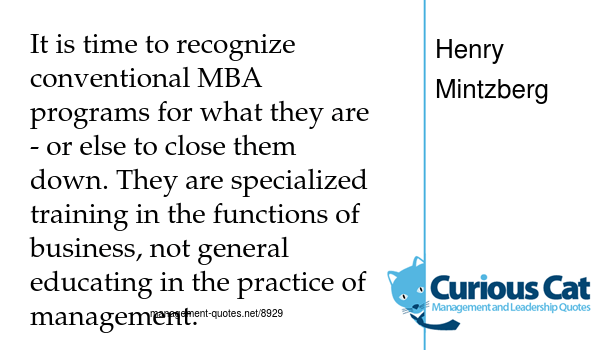
So how did EHS go from a value-add to a back-bencher? First, the rise of the MBA brigade. Business schools churn out folks who think safety is just another spreadsheet. They’ve overshadowed the engineers who actually understand the nuts and bolts. Second, ESG (Environmental, Social, Governance) hype has turned EHS into a PR stunt—greenwashing instead of real action. Third, globalization and cost pressures mean companies prioritize profits over people. And finally, leadership’s changed. The old guard visited sites, shook hands with workers. Today’s CXOs? They’re Zoom warriors, detached from the ground.

Is It Salvageable?
Here’s the big question: can we turn this around? Maybe, Karthik, maybe. My data from these calls isn’t hard stats—it’s vibes from pros worldwide—but it’s real enough to ring alarm bells. To fix this, companies need to bring back the engineer’s voice, not just the MBA’s. Invest in training, not just compliance. Make EHS a boardroom priority again, with direct CXO access. And for heaven’s sake, let’s ditch the scapegoat culture—learn from incidents, don’t bury them. But if cost-cutting stays king, and leaders keep hiding in their towers, EHS-II will keep winning, and we’ll all lose.
Or Am I Wrong?
Now, I could be off the mark. Maybe your company still respects EHS, and your CXO’s on speed dial. If so, lucky you! ( I highly doubt) But the chatter I’m hearing—from Mumbai to Albany, via London- Amsterdam—says this decline’s no myth. It’s a slow rot, and India’s no exception. We might laugh that “sab jagah ka kauwa kaala hai,” but it’s time we stop laughing and start acting. What do you think? Is EHS doomed, or can we bring back its glory days?
Please comment?
Karthik
24/3/25 1pm.

 Health, Environment, Safety, Sustainability (HESS)