

#264

This week marks 55 years since the dramatic Apollo 13 mission, a testament to human resilience and ingenuity. In April 1970, (11-17th) an oxygen tank explosion 200,000 miles from Earth turned a lunar landing mission into a life-or-death struggle. Under the leadership of Gene Kranz, then 37 and now 91, NASA’s Mission Control team in Houston worked relentlessly to bring astronauts Jim Lovell, Jack Swigert, and Fred Haise safely home. For Indian safety professionals, the Apollo 13 rescue offers timeless lessons in managing high-stakes, unfamiliar crises under extreme stress. Drawing from leadership, communication, trust, accountability, team effort, technical excellence, a positive outlook, and the “Failure is not an option” mindset, here’s how these principles apply to workplace safety in India’s diverse and dynamic industries.

Famous Phrase:- (Synonymous with life/death; life changing situations in one’s life!). “Tom Hanks as Jim Lovell”
Leadership: Steering Through the Storm
Gene Kranz exemplified calm, decisive leadership. When the explosion crippled the spacecraft, he didn’t panic. Instead, he rallied his team with clarity and focus, famously stating, “Let’s work the problem, people. Let’s not make things worse by guessing.” For safety professionals in India—whether in construction, manufacturing, or chemical plants—leadership in a crisis means staying composed, setting clear priorities, and guiding teams through chaos. Imagine a factory fire or a chemical spill: a leader must assess risks, delegate tasks, and maintain morale, much like Kranz did. Strong leaders inspire confidence, ensuring workers follow safety protocols even under pressure.
Communication: Clarity Saves Lives
Apollo 13’s survival hinged on precise, transparent communication. Mission Control and the astronauts exchanged critical data despite limited power and failing systems. Missteps could have been fatal. In Indian workplaces, where multilingual teams and complex machinery are common, clear communication is vital during emergencies. Safety professionals must ensure instructions are simple, jargon-free, and accessible—whether it’s evacuating a site or handling hazardous materials. Regular drills and multilingual safety signage, tailored to India’s diverse workforce, can bridge gaps and prevent confusion in high-stress scenarios.
Trust: The Foundation of Teamwork
Kranz trusted his engineers, and the astronauts trusted Mission Control. This mutual reliance enabled swift decision-making. In India’s safety context, trust is critical when seconds count—say, during a scaffolding collapse or a gas leak. Safety professionals must foster trust through consistent training, open dialogue, and respecting workers’ expertise. When workers trust their leaders and each other, they’re more likely to report hazards, follow protocols, and collaborate in crises. Building trust also means valuing every team member, from supervisors to daily-wage laborers, ensuring no one feels sidelined.
Accountability: Owning the Outcome
Every NASA team member took responsibility for their role, from devising carbon dioxide filters to calculating re-entry trajectories. Kranz held himself accountable for the mission’s success, driving his team to do the same. For Indian safety professionals, accountability means owning safety outcomes, whether it’s ensuring compliance with regulations like the Factories Act, 1948, or investigating near-misses. In a crisis, like a machinery breakdown endangering workers, accountability drives quick, ethical decisions—prioritizing lives over blame games or cost-cutting.
Team Effort: Unity in Adversity
Apollo 13’s rescue was a collective triumph. Engineers, scientists, and astronauts collaborated across disciplines, improvising solutions like using duct tape and spare parts to scrub carbon dioxide. In India, where teamwork is a cultural strength, safety professionals can harness this spirit. During a crisis—say, a power plant failure—cross-functional teams (maintenance, operations, and safety officers) must unite, pooling skills to mitigate risks. Encouraging a “we’re in this together” mindset ensures no one works in isolation, amplifying the response’s effectiveness.
Technical Excellence: Precision Under Pressure ( In the age of Slide Rule, Books!).
NASA’s team relied on deep technical knowledge, rigorously testing solutions in simulators before implementation. For Indian safety professionals, technical excellence is non-negotiable, especially in high-risk sectors like oil and gas or pharmaceuticals. Familiarity with equipment, adherence to standards like ISO 45001, and staying updated on technologies (e.g., IoT for real-time hazard monitoring) are crucial. In a crisis, precise knowledge—like knowing how to shut down a leaking valve—prevents escalation. Continuous training and certifications keep teams sharp, even in unfamiliar situations.
Positive Outlook: Hope Fuels Solutions
Despite grim odds, Kranz’s team maintained a can-do attitude, focusing on solutions rather than despair. This positivity was contagious, keeping morale high. In India, where safety challenges can feel overwhelming due to resource constraints or regulatory gaps, a positive outlook is transformative. Safety professionals can inspire teams by celebrating small wins—like successful evacuations or hazard mitigations—and framing crises as solvable challenges. A hopeful mindset encourages creative problem-solving, whether it’s improvising with limited resources or rallying workers during a monsoon-related flood.
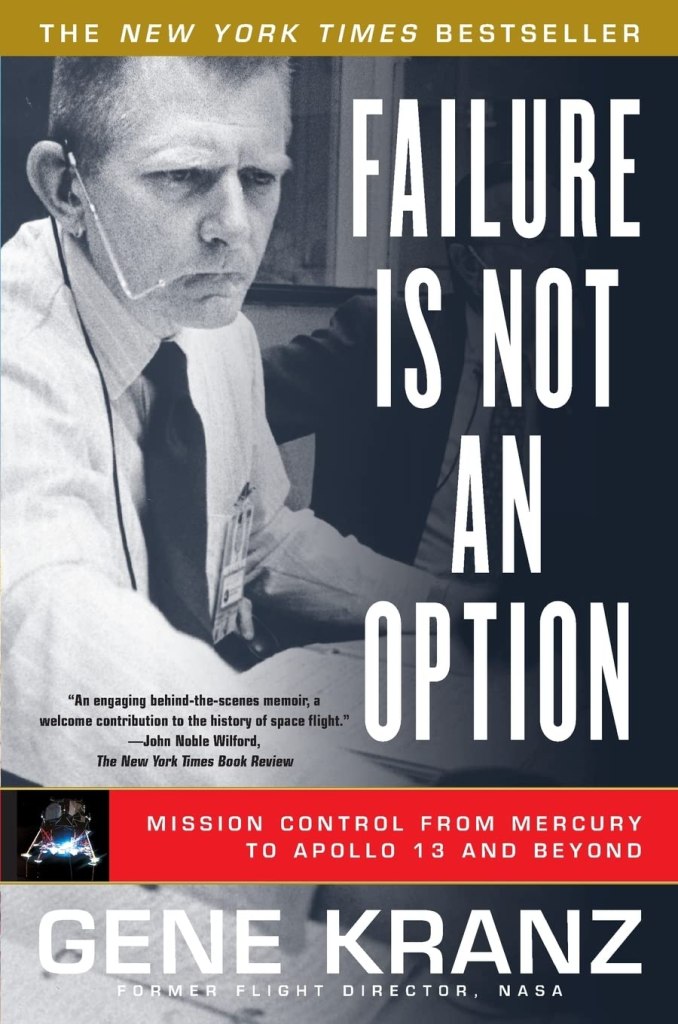
“Failure is Not an Option” Mindset
Kranz’s famous mantra, “Failure is not an option,” encapsulated NASA’s refusal to give up. For Indian safety professionals, this mindset translates to an unwavering commitment to worker safety, no matter the odds. Whether facing a mine collapse or a radiation leak, the goal is clear: bring everyone home safely. This resolve pushes professionals to innovate, collaborate, and persevere, even when solutions seem out of reach. It’s about instilling a culture where safety is sacred, and every life matters.
Applying Apollo 13’s Lessons in India
India’s safety landscape—from bustling factories in Gujarat to offshore rigs in the Arabian Sea—demands resilience and adaptability. Apollo 13 teaches us that crises are unpredictable, but preparation and mindset make the difference. Safety professionals can:
- Conduct scenario-based drills to simulate unfamiliar emergencies, building muscle memory for crises.
- Invest in leadership training to equip supervisors with decision-making skills under stress.
- Leverage technology, like drones for site inspections or AI for predictive maintenance, to stay ahead of risks.
- Promote a safety-first culture, where workers feel empowered to voice concerns without fear.
- Learn from past incidents, like the 2020 Vizag gas leak, to refine crisis response strategies.
Conclusion
The Apollo 13 mission, 55 years ago this week, wasn’t just a triumph of engineering; it was a masterclass in safety leadership under duress. For Indian safety professionals, its lessons resonate deeply. By embracing leadership, clear communication, trust, accountability, teamwork, technical excellence, positivity, and a “Failure is not an option” mindset, you can navigate the toughest crises—ensuring every worker returns home safely. Let’s honor Gene Kranz and his team by making safety our mission, no matter the challenge.
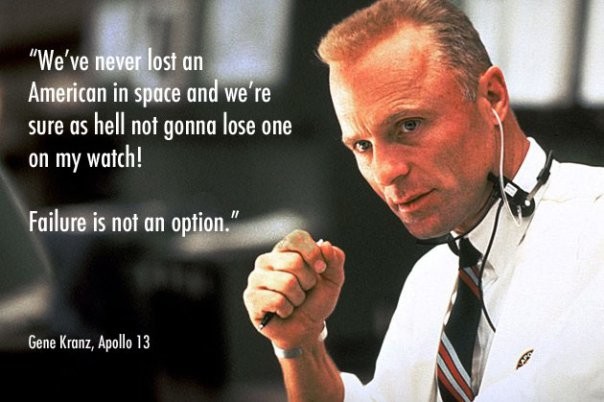
Ed Harris as Gene Kranz in the movie “Apollo 13”
Karthik
16/4/25

 Health, Environment, Safety, Sustainability (HESS)