

#268
Hey there, safety pros! If you’re like me, you’re tired of the “tick/flick” approach—checking boxes to say you’ve “done safety” without really making a difference. Dr. Robin Long recently shared some thought-provoking questions in an email that got me thinking about what safety professionals really want. We want safety systems that work with human nature, not against it. We want to understand why people do what they do and how to make safety stick. Let’s dive into Dr. Long’s questions and explore how we can move beyond superficial compliance to create safer workplaces.
How Do Humans Make Judgments and Decisions?
Humans aren’t robots crunching data to make perfect choices. Our decisions come from a mix of quick, intuitive thinking (System 1) and slower, analytical reasoning (System 2), as Daniel Kahneman describes in Thinking, Fast and Slow. In high-pressure work environments, we lean heavily on System 1—gut instincts shaped by experience, biases, and mental shortcuts (heuristics). For example, a worker might decide a task is “safe enough” because they’ve done it before without incident, even if hazards lurk.
Safety professionals want systems that account for this. Instead of expecting flawless decision-making, we should design environments that guide intuitive choices—like clear signage, simplified procedures, or cues that make risks obvious. Training should also build experience-based intuition, so workers’ snap judgments are more likely to be safe ones.

What Is Motivation?
Motivation is the spark that drives people to act. It’s not just about rewards or punishments (extrinsic motivation) but also about feeling valued, competent, and connected to a purpose (intrinsic motivation-Autonomy, Mastery, Purpose). In safety, a worker might follow protocols because they fear discipline (extrinsic), but they’re more likely to own safety if they believe it protects their team or aligns with their values (intrinsic).
Safety pros want to tap into intrinsic motivation. This means fostering a culture where workers feel heard, where safety is a shared goal, and where they see the “why” behind rules. Recognition for safe behaviors, like a shout-out in a team meeting, can go further than a fine for non-compliance.
How Does Human Perception Work?
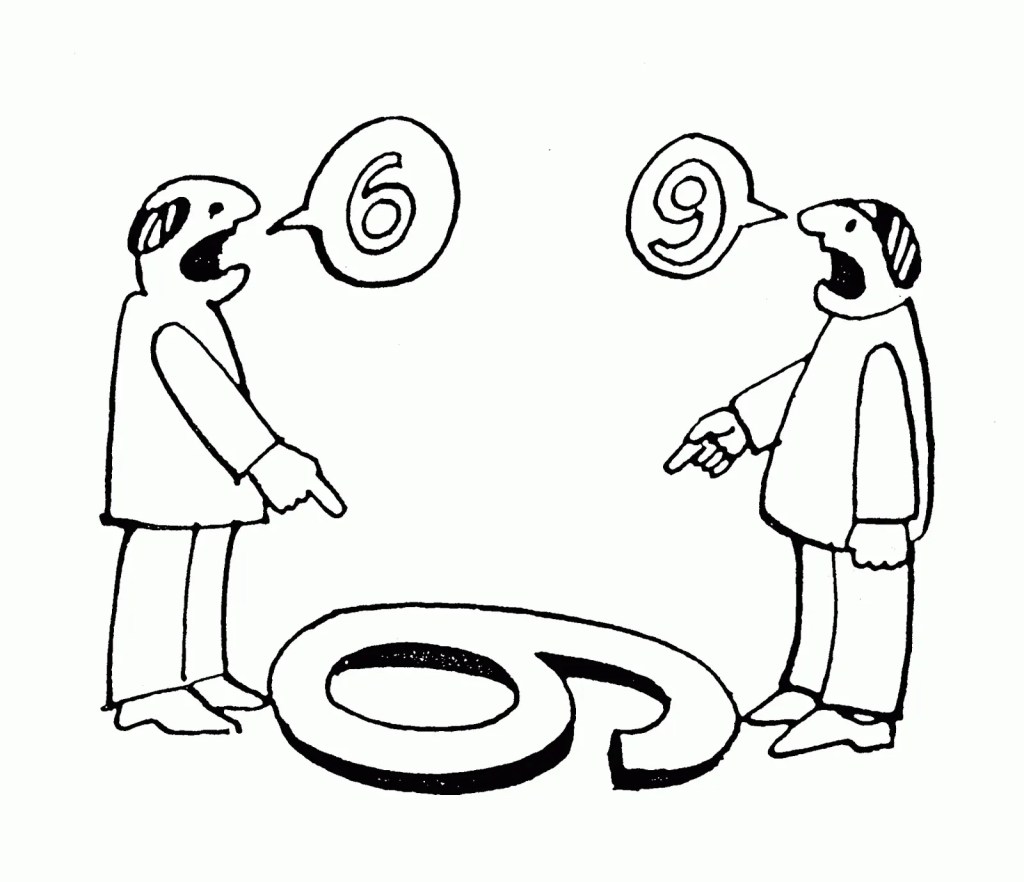
Perception is how we interpret the world through our senses, but it’s not a perfect camera. It’s filtered by attention, expectations, and context. A worker might miss a hazard because they’re focused on a deadline or because they’ve seen the same setup a hundred times without issue (complacency). Our brains prioritize what seems relevant and tune out the rest, which is why “inattention blindness” can make us miss obvious risks.
We want safety systems that work with perception’s quirks. High-visibility colors, audible alerts, or tactile feedback can grab attention. Regular changes to safety cues (like rotating poster designs) can prevent workers from tuning them out. It’s about making hazards impossible to ignore, even when minds are elsewhere.
Why Is Human Observation So Unreliable?
Ever played “spot the difference” and missed something glaring? Human observation is shaky because our attention is limited, and memory is reconstructive, not photographic. Fatigue, stress, or multitasking can make it worse. In safety, this means a worker might not notice a frayed cable or misremember a procedure. Even trained observers can miss critical details during inspections due to cognitive overload.
Safety professionals want to reduce reliance on human observation alone. Checklists, automation, and peer reviews can catch what one person misses. We also need to train workers to recognize their own limits—encouraging them to double-check or ask for a second set of eyes.
What’s the Best Way to Communicate Safety to Others?
Safety communication fails when it’s a lecture or a wall of text. The best approach is clear, relevant, and two-way. Use stories or real examples to make risks relatable—people remember a near-miss story better than a stats sheet. Visuals like infographics or videos cut through jargon. Most importantly, listen to workers’ concerns and ideas; they know the job’s realities better than anyone.
We want communication that builds trust and engagement. Regular safety huddles, open forums, or even anonymous feedback channels can make workers feel valued. Avoid “tick/flick” training—self-directed slides that people click through without absorbing. Face-to-face or interactive sessions are far more effective.
What’s the Correlation Between Safety Systems and Behaviors?
Safety systems (policies, procedures, Risk Assessments, training) set the stage, but behaviors bring the show to life. Strong systems can encourage safe behaviors—like clear protocols making compliance easy—but they don’t guarantee it. If workers see systems as bureaucratic or disconnected from reality, they’ll ignore them. Studies show that safety climate (how much an organization visibly prioritizes safety) strongly predicts behaviors, often more than personality traits like conscientiousness.
We want systems that align with human behavior. This means involving workers in designing procedures, ensuring management walks the talk, and providing feedback on safe actions. When systems feel practical and supportive, behaviors follow suit.
What Happens When We ‘Flood’ People with Systems?
Too many rules, checklists, or alerts can overwhelm workers, leading to “safety clutter.” Cognitive overload makes people tune out or cherry-pick what to follow, increasing errors. It’s like giving someone a 50-page manual and expecting them to memorize it—good luck! Overloaded systems also breed resentment, as workers feel micromanaged rather than trusted.
Safety pros want lean, user-friendly systems. Prioritize high-impact rules, streamline procedures, and test systems with workers to ensure they’re practical. Regular reviews can weed out redundant or outdated requirements, keeping safety focused and effective.
Why Do People Take Shortcuts?
Shortcuts happen when workers prioritize efficiency, comfort, or social norms over strict compliance. A worker might skip a safety step because it’s time-consuming, they’ve “always done it this way,” or they see peers doing the same. Perception of low risk (“it won’t happen to me”) or overconfidence also plays a role. Sometimes, systems themselves encourage shortcuts by being impractical or unclear.
We want to design systems that make the safe way the easy way. Simplify procedures, remove barriers (like hard-to-access PPE), and reinforce a culture where shortcuts aren’t normalized. Understanding why shortcuts happen—through worker feedback—helps us fix root causes.
Why Are People Non-Compliant?
Non-compliance often stems from mistrust, misunderstanding, or misalignment. Workers may not trust that rules are necessary if they see management flouting them. They might not understand complex procedures or see them as irrelevant. External pressures—like tight deadlines—can also push people to bend rules. In some cases, non-compliance is a form of rebellion against overly rigid systems.
Safety professionals want a “just culture” where errors are learning opportunities, not grounds for blame. Clear communication, practical rules, and visible leadership commitment can bridge the gap. Engaging workers in rule-making ensures buy-in, reducing resistance.
What Is Risk All About?
Risk is the chance of harm, shaped by the likelihood and severity of an event. But humans don’t assess risk like spreadsheets. We overestimate vivid, rare dangers (like a dramatic explosion) and underestimate mundane ones (like repetitive strain). Cultural and social factors also skew risk perception—workers may downplay risks if their team does.
We want to align risk perception with reality. Training should use relatable scenarios to highlight real hazards. Visual aids, like risk matrices, can make abstract risks concrete. Involving workers in risk assessments ensures their perspectives shape practical controls.
What Can We Do to Better Address the Way We Do Safety?
To move beyond “tick/flick,” we need to humanize safety. Here’s how:
- Design with Humans in Mind: Simplify systems to match how people think, perceive, and act. Use nudges, like placing PPE at eye level, to make safety intuitive.
- Build Trust and Engagement: Involve workers in creating rules and solving problems. A strong safety culture, where everyone feels responsible, outperforms rigid enforcement.
- Focus on Learning, Not Blame: Adopt a just culture that investigates errors to improve systems, not to punish. Celebrate successes, like quick hazard reporting, to reinforce positive behaviors.
- Keep Systems Lean: Regularly prune outdated or excessive rules to avoid overload. Test systems with workers to ensure they’re practical.
- Communicate Smartly: Use stories, visuals, and two-way dialogue to make safety messages stick. Avoid one-size-fits-all training; tailor it to the audience.
Wrapping Up
Safety professionals want more than checkboxes—we want workplaces where safety is second nature, not a chore. By understanding human judgment, motivation, and perception, we can design systems that work with people, not against them. Let’s ditch the “tick/flick” mindset and build a safety culture that’s practical, engaging, and human-centered. What’s one step you’ll take to make safety more human in your workplace? Drop a comment—I’d love to hear your thoughts!
Inspired by Dr. Robin Long’s insightful questions on rethinking safety.
Karthik
3/5/25 1130am.

 Health, Environment, Safety, Sustainability (HESS)